
Why Budget Solo Travel Is More Achievable Than You Think
The most common reason people delay their first solo trip isn't a lack of time or courage - it's a belief that they can't afford it. That belief is usually based on vague cost estimates rather than actual research. Once you ground your planning in real numbers for a specific destination, the picture often looks more manageable than expected.
Solo travel does come with a genuine cost challenge: you can't split a hotel room or share a cab. But you also make every spending decision yourself, which gives you unusual control. A group trip involves compromise; a solo trip involves discipline - and discipline is learnable.
If you haven't started the planning process yet, this foundational guide for complete beginners covers the core decisions you'll face before budgeting even enters the picture. And if you want to challenge some of the fears holding you back, common solo travel myths worth questioning is worth reading alongside this article.
Daily budget
The maximum amount you plan to spend per day on the ground, covering food, local transport, lodging, and activities - not counting flights or pre-paid bookings.
Solo premium
The extra cost solo travelers pay because shared expenses like hotel rooms and taxis can't be split with travel companions.
Budget buffer
An extra percentage of your total trip budget - typically 15-20% - set aside for unplanned costs like delays, emergencies, or price increases.
Travel insurance
A policy that covers financial losses from events like medical emergencies, trip cancellations, or lost luggage while you're traveling.
Hostel
A budget accommodation option where guests typically sleep in shared dormitory rooms; often the most affordable lodging for solo travelers in most regions.
Building a Realistic Budget Before You Book Anything
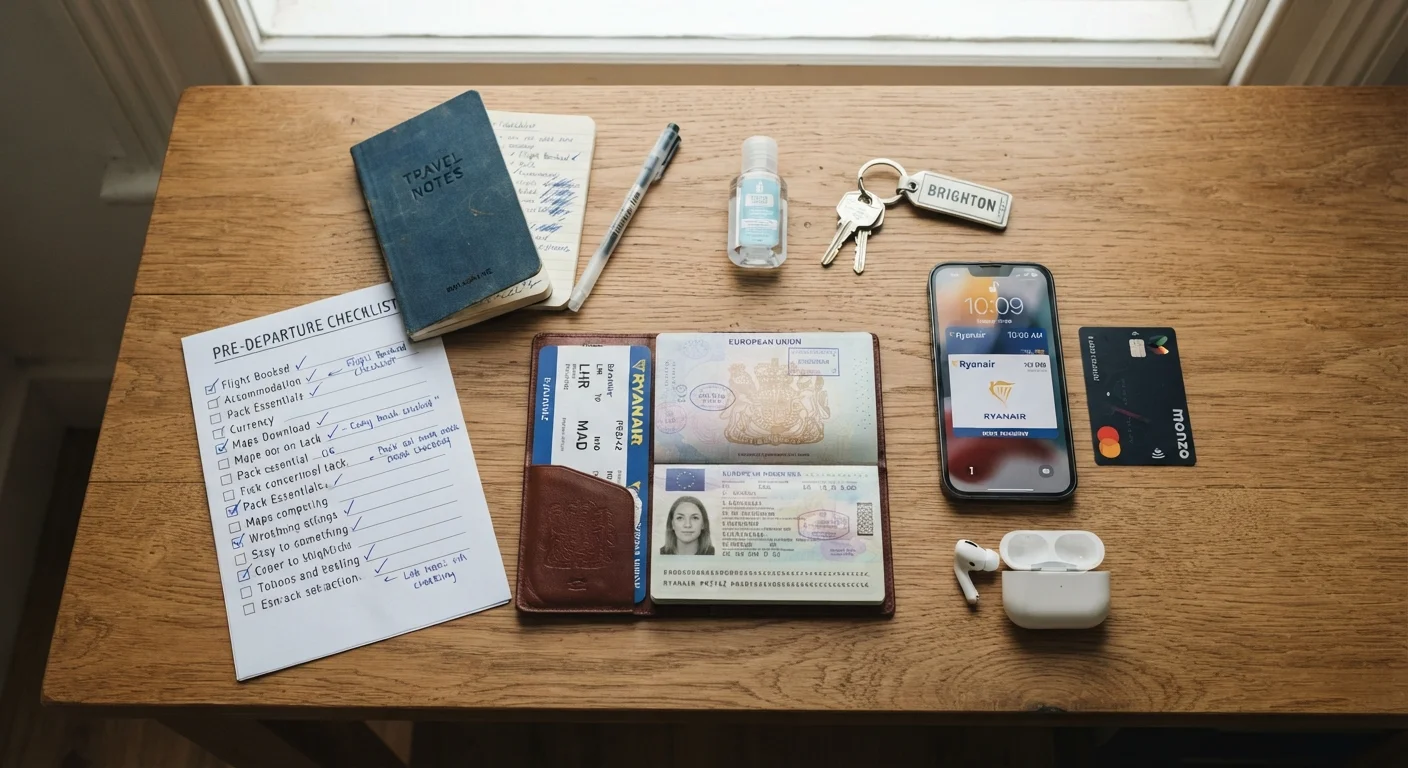
A workable travel budget starts with two numbers: your total available savings for this trip, and a realistic daily spending estimate for your chosen destination. Everything else - how long you go, where you stay, what you do - flows from those two figures.
To estimate daily costs, research what travelers are actually spending in your target destination using recent forum posts, travel blogs, and community boards. Look for posts from the past 12-18 months, since costs shift. Note separate estimates for lodging, food, local transport, and activities.
- Lodging: Hostels, guesthouses, and budget hotels vary widely by region. In parts of Southeast Asia or Eastern Europe, dormitory beds can run under $15/night; in Western Europe or major US cities, $50+ is more typical even for budget options.
- Food: Street food and markets dramatically lower this number. Budget $10-$25/day in lower-cost regions; $30-$50 in higher-cost destinations if you're eating out for most meals.
- Transport: Flights or long-distance trains are often your biggest single costs. Factor these in separately before calculating your daily rate.
- Activities: Many meaningful experiences - hiking, walking historic neighborhoods, visiting free museums - cost little or nothing.
Add 15-20% to whatever total you reach as a buffer for costs you haven't anticipated. For a deeper stage-by-stage walkthrough, this guide to stretching a solo budget from departure to return is a practical companion.
Research costs using traveler-sourced data
Forum communities and recent travel blog posts often give you more accurate on-the-ground cost data than official tourism sites. Look for threads from travelers with similar styles and budgets - a backpacker's daily cost and a comfort traveler's daily cost in the same city can differ by 3x or more.
Where Your Money Actually Goes: The Four Core Costs
Most solo travel budgets break down into four categories. Understanding each one separately helps you make trade-offs consciously rather than just watching your balance drop.
1. Getting There and Back
Flights and long-distance transport are usually your largest fixed costs. Once booked, they don't fluctuate - which makes them easier to plan around. Search with flexible dates when possible, and compare nearby airports. For international travel, this guide on travel money for first-time international travelers covers currency and payment logistics that affect your overall cost.
2. Lodging
This is where solo travelers feel the cost gap most acutely. Sharing a hostel dorm is the most common way to close it. Social hostels also make it easier to meet other travelers, which many first-timers find reassuring. Budget lodging options for solo travelers covers the full range from hostels to budget hotels in practical detail.
3. Food and Drink
Eating like a local - markets, street stalls, lunch specials rather than tourist-zone dinners - consistently produces the biggest daily savings. Budget travelers who eat in tourist areas often spend two to three times more per meal than those who walk a few blocks further.
4. Activities and Experiences
Prioritize a short list of paid experiences you genuinely want over a long list of half-hearted ones. Many cities offer free walking tours, public parks, beaches, and cultural sites. Managing daily travel costs has practical strategies for each of these categories.
Safety Costs You Should Never Cut
Budget discipline is valuable. But some costs exist specifically to protect you when things go wrong - and things do occasionally go wrong, even on well-planned trips.
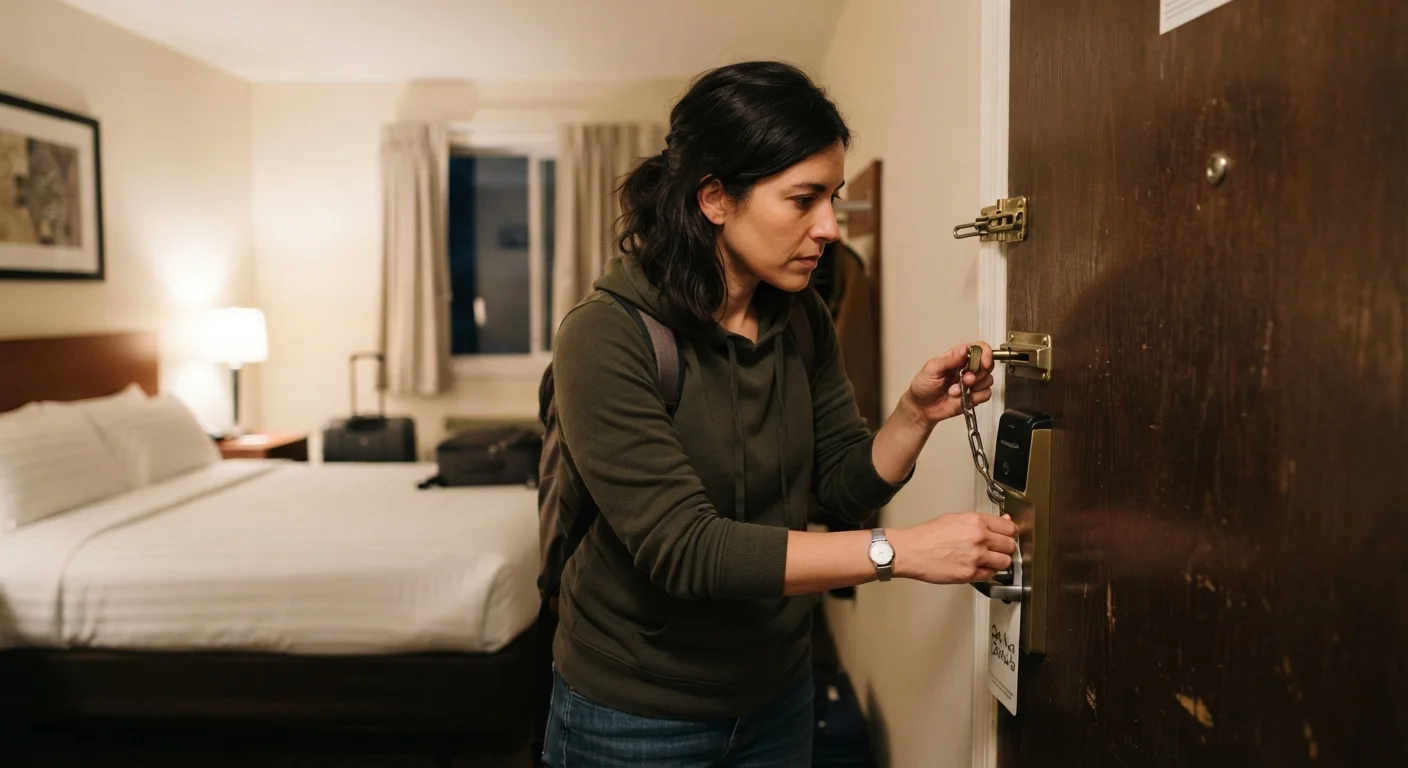
Travel insurance is the clearest example. A medical emergency, a canceled flight, or a stolen bag in a foreign country can cost far more than the entire trip budget if you're uninsured. Treat insurance as infrastructure, not a luxury. Compare policy types carefully - medical-only coverage, comprehensive trip coverage, and adventure activity riders are different products with different scopes.
Communication is another area worth spending on. A local SIM card or an international data plan means you can navigate, reach emergency services, and contact someone at home when you need to. Relying entirely on free Wi-Fi creates avoidable risk gaps.
For a clear breakdown of where frugality and safety genuinely conflict, solo travel safety on a budget identifies exactly which costs are non-negotiable and which are overstated. For broader safety principles from the ground up, this safety introduction for first-time independent travelers is worth reading before your departure.
Verify entry requirements from official sources
Visa rules, health entry requirements, and travel advisories change without notice. Always check your government's official travel advisory site and the destination country's immigration authority before booking. Do not rely on third-party summaries as a final source for entry requirements.
Mindset: The Hidden Variable in Every Solo Budget
Financial planning and psychological readiness are more connected than most first-timers expect. Anxiety and decision fatigue are real drains on the road - they lead to convenience spending, impulsive bookings, and paying a premium just to reduce uncertainty.
A few habits reduce that pressure:
- Track your spending daily. Even a rough note in your phone prevents the slow drift that turns a workable budget into an overrun.
- Decide in advance what you won't compromise on. Whether that's a particular experience, a private room occasionally, or quality food - knowing your priorities prevents guilt-driven splurges on things you don't actually care about.
- Accept that no budget survives contact with the real world perfectly. The buffer you built in is for this. Use it without stress when needed.
First-time solo travel is genuinely learnable. The travelers who manage it best aren't the most experienced - they're the ones who planned clearly, stayed flexible, and didn't let the fear of imperfection stop them from going. For a full end-to-end planning roadmap, solo trip planning from zero picks up where this introduction leaves off.