

Why Safety Habits Matter More Than Safety Gear
First-time solo travelers often focus on what to buy - anti-theft bags, personal alarms, RFID-blocking wallets. These have their place, but they're secondary to something far more durable: consistent safety habits. Habits work when your gear doesn't, when you forget something, or when the unexpected happens in a context no product anticipated.
The evidence from experienced solo travelers consistently points to the same conclusion: most incidents happen not because of where someone went, but because of a lapse in routine - not sharing an itinerary, ignoring a gut feeling, or arriving in an unfamiliar place without a plan. Many common fears about solo travel are also overblown, which can send first-timers in the wrong direction - over-preparing against low-probability threats while under-preparing for the mundane ones.
This guide focuses on the habits and decisions that actually move the needle.
Situational awareness
The habit of actively noticing what's happening around you - people, environment, exits - so you can recognize and respond to potential risks before they escalate.
Travel advisory
An official government assessment of safety conditions in a foreign country or region, updated regularly and available free from government websites.
Check-in routine
A pre-agreed schedule where you contact a trusted person at home to confirm you're safe - and they know to raise an alert if you don't check in on time.
VPN (Virtual Private Network)
Software that encrypts your internet connection, protecting your data when using public Wi-Fi networks that could otherwise be monitored by others.
Consular assistance
Help provided by your country's embassy or consulate abroad - such as replacing a lost passport or connecting you with local legal resources in an emergency.
Before You Leave: The Preparation Layer
The bulk of your safety work happens before you board. A few hours of preparation at home can prevent or dramatically simplify the most common travel problems.
- Research your destination's current conditions. Check your government's official travel advisory (for US travelers, that's travel.state.gov). Note any entry requirements, local laws, or advisories - and verify these close to your departure date, as conditions change. Do not rely on this article or any single source as definitive.
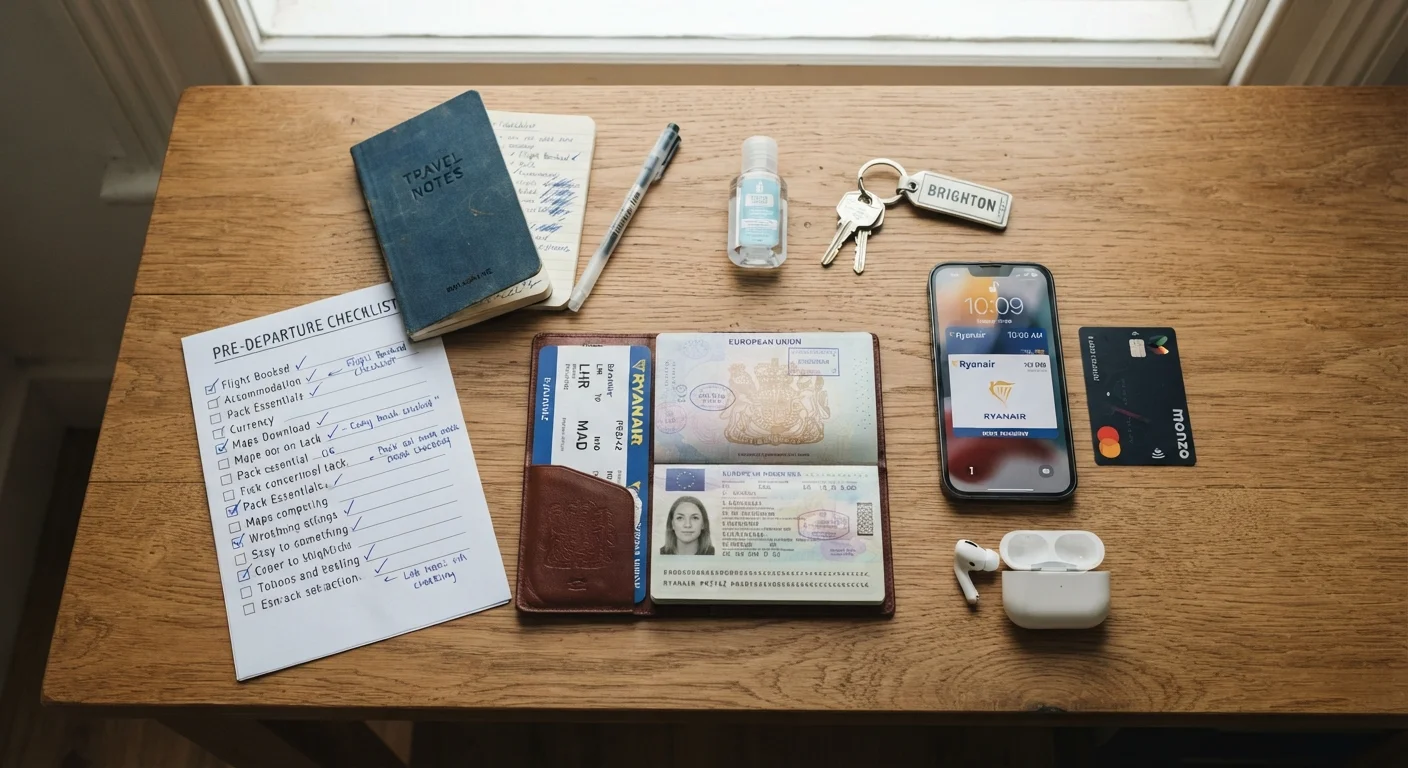
- Share your itinerary with a trusted contact. Give someone at home your accommodation details, planned movements, and a check-in schedule. If they don't hear from you by a set time, they know to act.
- Make copies of critical documents. Store digital copies of your passport, insurance policy, and emergency contacts in a secure, cloud-based location - separate from your physical device. Keep a physical backup in a different bag from your originals.
- Know your destination's emergency numbers. The US uses 911, but most countries use different numbers. Save these offline before you arrive.
For a broader look at first-trip logistics, planning solo travel as a complete beginner walks through the foundational decisions in detail.
Build Your Pre-Departure Checklist
Create a simple document with: your accommodation addresses, local emergency numbers, insurance policy number and claims hotline, nearest embassy contact, and your check-in schedule. Store it in your cloud account and email a copy to your home contact. This takes 20 minutes and can save hours of scrambling if something goes wrong.
On the Ground: Situational Awareness in Practice
Situational awareness - knowing what's happening around you and recognizing when something feels off - is a learnable skill. It doesn't mean paranoia; it means paying attention.
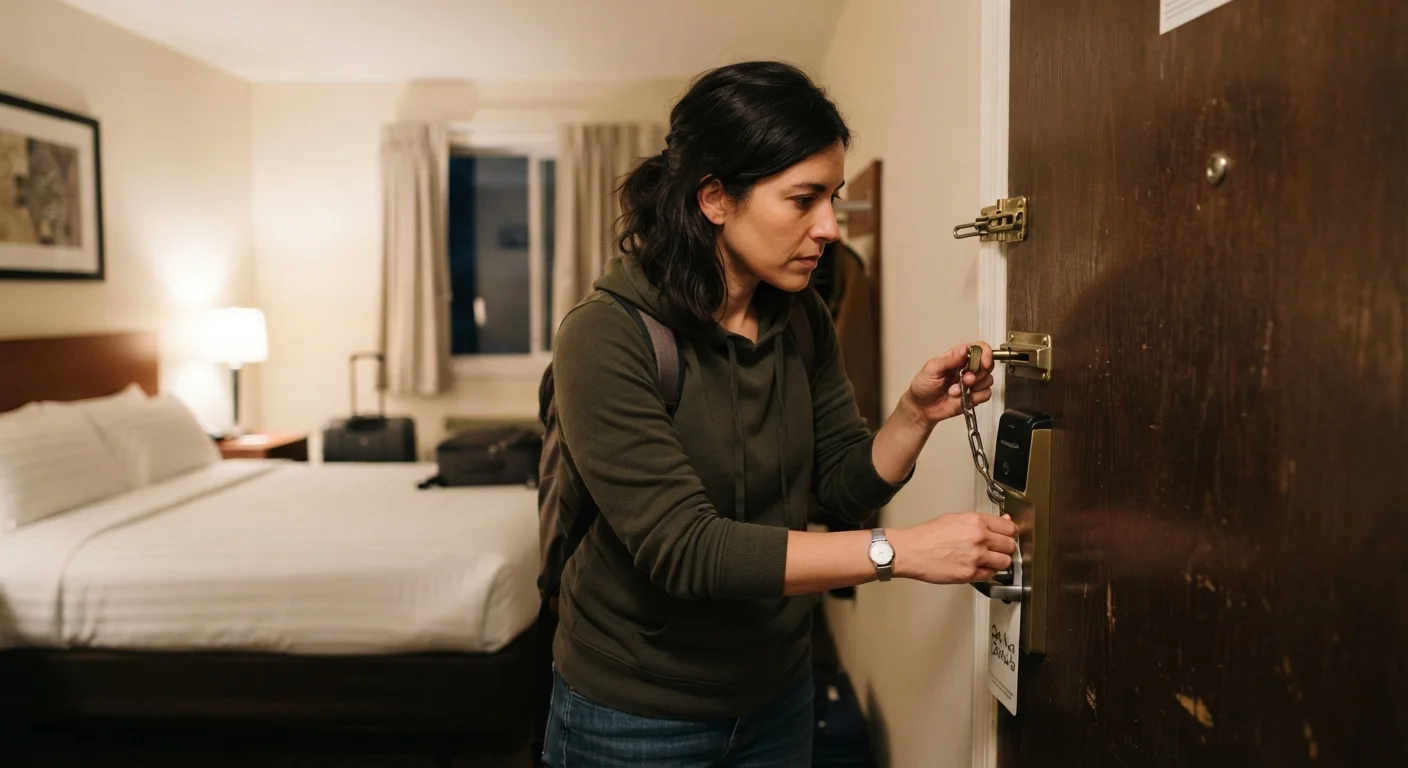
- Orient yourself on arrival. Before leaving an airport, station, or bus terminal, identify your route, have your destination address accessible offline, and know which transport options are legitimate (pre-booked or officially marked taxis, rather than unsolicited offers).
- Minimize obvious signs of being a tourist. Looking confident, keeping valuables out of sight, and not consulting maps while standing in the middle of a busy area are small habits with meaningful impact.
- Trust friction. If a situation, person, or offer feels uncomfortable - even if you can't articulate why - it's okay to disengage. You don't owe anyone an explanation.
- Stay sober enough to make good decisions. Alcohol and unfamiliar environments are a well-documented risk combination. This isn't a moral judgment - it's a practical one.
Overconfidence is its own risk - even seasoned travelers repeat avoidable errors when they stop paying attention.
Digital Safety and Staying Connected
Your phone is one of your most important safety tools - and one of your most significant vulnerabilities. Approach it accordingly.
- Download offline maps before arrival. Apps like Google Maps allow full offline map downloads for most destinations. This means you can navigate without a data connection.
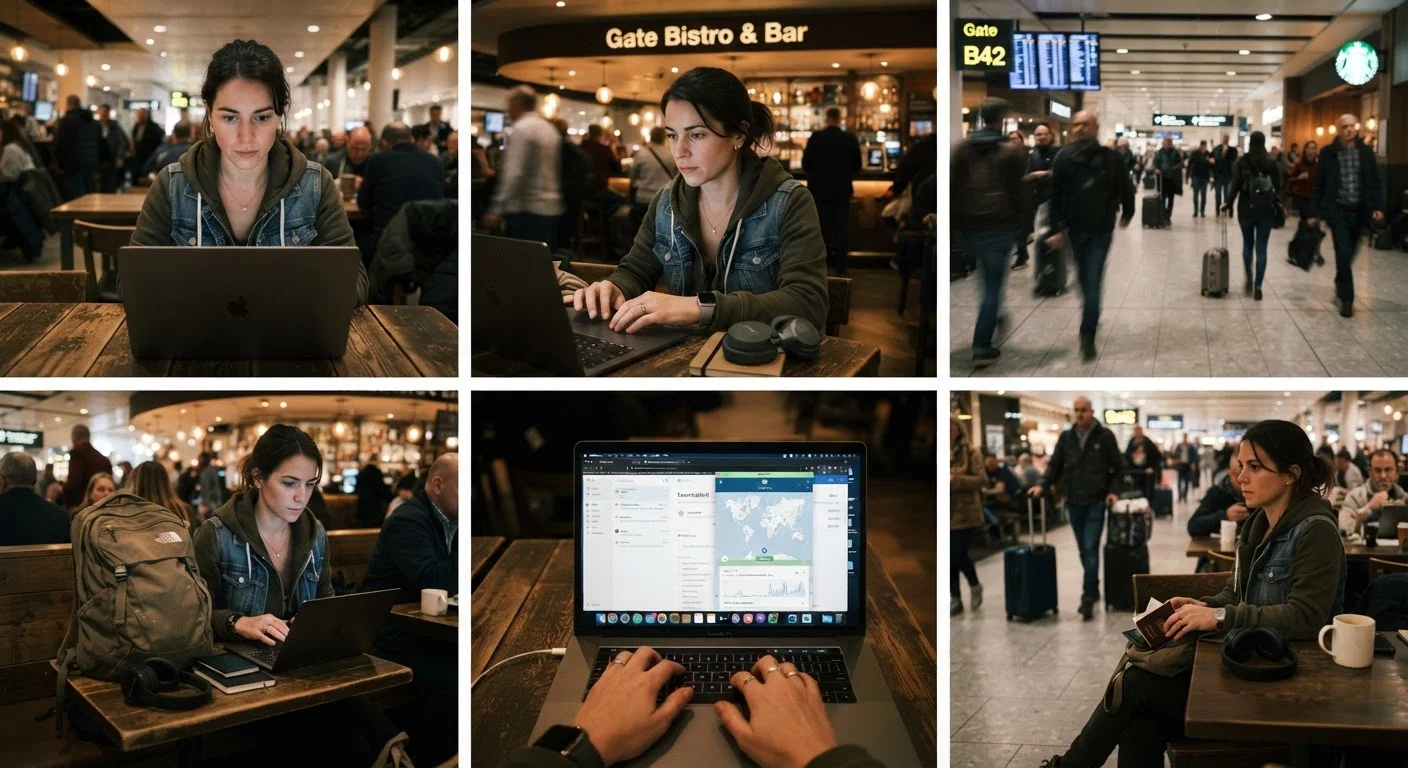
- Use a VPN on public Wi-Fi. Public networks in hotels, cafes, and airports can expose your data. A VPN (Virtual Private Network) encrypts your connection - a basic precaution for anything involving banking or sensitive accounts.
- Enable device location-sharing selectively. Sharing your real-time location with your trusted home contact adds a layer of visibility without much effort. Most smartphone operating systems include this as a built-in feature.
- Have a backup communication method. Know where the nearest embassy or consulate is. Have a local SIM or international plan arranged in advance so you're not dependent on Wi-Fi.
For budget-conscious travelers, safety spending decisions deserve careful thought - some costs are worth protecting, others aren't.
Connectivity Is a Safety Layer, Not a Luxury
Reliable communication access - whether through a local SIM, an international data plan, or a portable Wi-Fi device - is one of the practical safety costs worth budgeting for. Going offline to save money is a trade-off worth understanding clearly before you make it. Weigh connectivity costs against the scenarios where having no signal could complicate an already difficult situation.
When Things Go Wrong: Your First Response Framework
Even well-prepared travelers encounter problems. The difference is how quickly they can move from shock to action. Having a mental framework ready before anything goes wrong is the whole point.
- Get safe first. Remove yourself from immediate danger before anything else - don't stop to document or retrieve belongings if doing so puts you at risk.
- Contact local emergency services. Know the number in advance and have it saved offline.
- Notify your home contact. Let them know what happened and where you are as soon as it's safe to do so.
- Contact your country's embassy or consulate for passport loss, arrest, or serious medical emergencies. They won't solve every problem, but they provide a critical channel.
- Contact your travel insurer. If you have coverage, report the incident promptly - many policies have time-sensitive reporting requirements.
Emergency preparedness for solo travelers covers specific scenarios - lost passport, medical crisis, theft - in more depth. If you're starting from scratch on the planning side, your first solo trip on a budget is a practical companion to this guide.
This article provides general travel safety information for educational purposes only. Entry requirements, local laws, and safety conditions vary by destination and change over time. Always verify current information through official government sources - including your government's official travel advisory - before traveling. Nothing in this article constitutes legal, medical, or financial advice.