

The Real Distinction: Comfort vs. Safety
Budget travel demands trade-offs. The skill isn't avoiding them - it's knowing which ones are acceptable. Skipping a hotel gym or choosing a shared dorm over a private room is a comfort trade-off. Choosing accommodation with no working door lock or no guest reviews to save $4 a night is a safety trade-off disguised as frugality.
Solo travelers are especially vulnerable to conflating these two categories because there's no travel companion to catch the difference. Before every spending decision, ask one question: if this goes wrong, am I alone in handling the consequences? If yes, the margin for error is thinner - and the cost of a failure is higher.
For a fuller picture of where solo travel risk actually concentrates, see common solo travel safety myths that lead travelers toward both over-caution and genuine blind spots.
“The goal of budget travel isn't to spend as little as possible - it's to spend deliberately, on what actually matters to your experience and safety, and less on everything else.”
— Solo Travel Editorial Team, Nexus Solo Travel Editorial Team
Non-Negotiable Costs Every Solo Traveler Should Protect
Certain expenses should be treated as fixed line items in any solo travel budget - not variables to optimize away when funds get tight.
Always budget for comprehensive travel insurance with emergency medical and evacuation coverage before any other optional expense.
Medical emergencies abroad can generate costs that dwarf an entire trip budget. As a solo traveler, you have no travel companion to coordinate assistance or share the financial burden - evacuation alone can run into tens of thousands of dollars in remote regions.
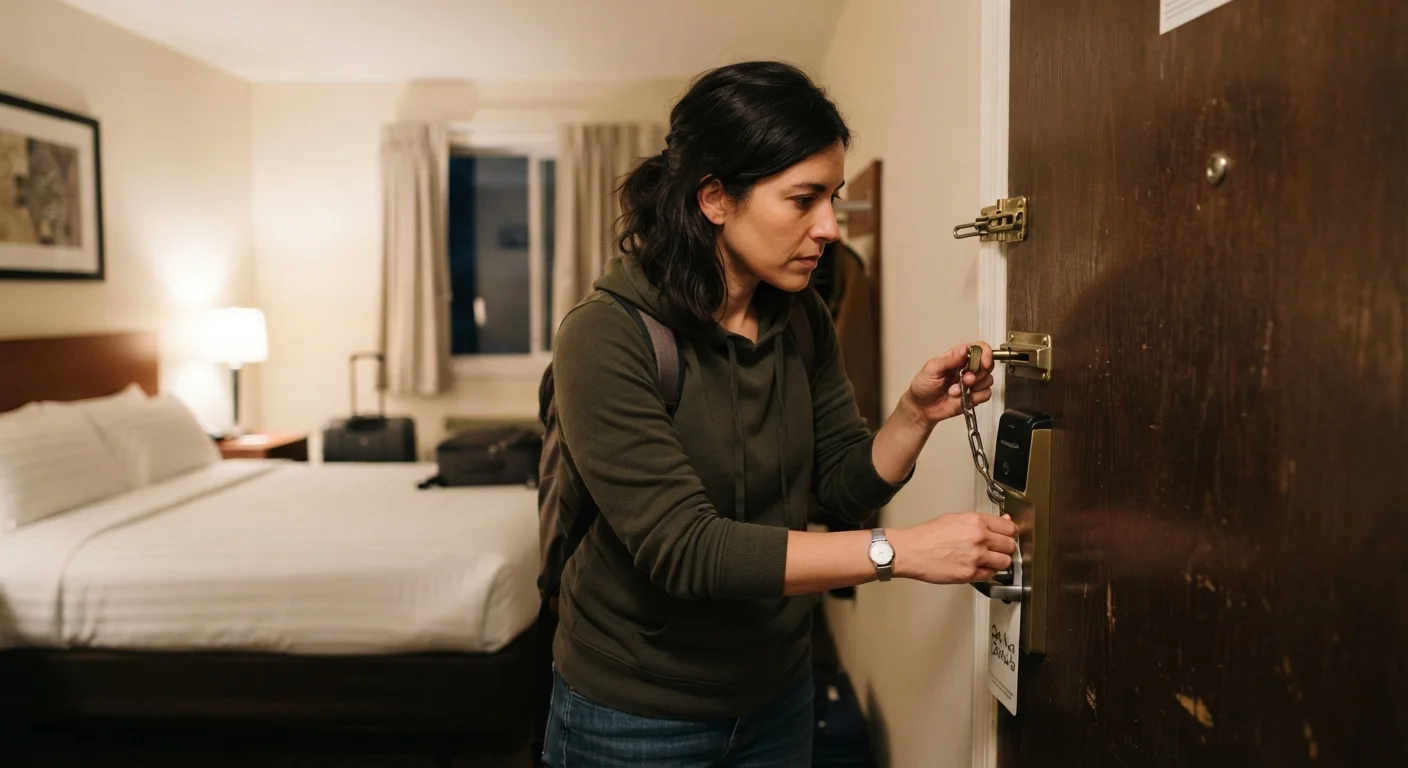
Verify accommodation safety independently - check recent guest reviews specifically mentioning locks, location safety, and staff responsiveness.
Listed price tells you almost nothing about security. A dorm bed in a well-reviewed, centrally located hostel with functional locks is meaningfully safer than a cheap private room in an unreviewed property. Solo travelers, unlike group travelers, can't share a room with someone they know.
Maintain a working local communication method - either a local SIM card or a reliable international data plan - at all times.
Navigation, emergency contacts, and real-time information all depend on connectivity. Being unreachable or unable to reach others during an incident significantly limits your ability to get help quickly.
Use only licensed, identifiable transport - particularly for airport transfers and late-night travel.
Unlicensed transport is consistently cited in solo traveler safety incidents. Licensed services - including app-based rideshares where they operate - create an accountability trail that deters opportunistic crime.
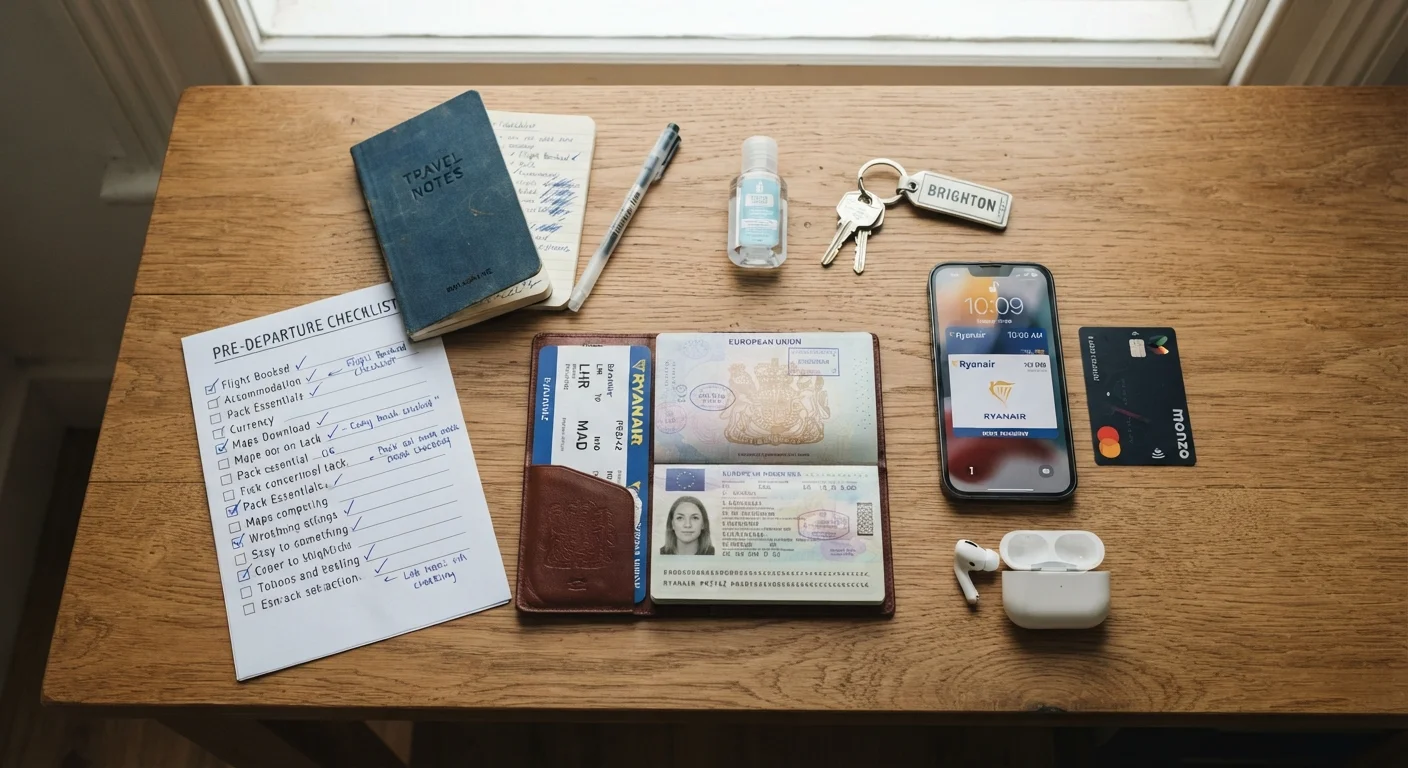
Share your itinerary and accommodation details with at least one trusted contact before each leg of travel.
This is a zero-cost safety measure that ensures someone knows where you are and can alert authorities if contact is lost. It's the solo traveler's equivalent of a travel companion knowing your plans.
For guidance on which insurance components actually matter relative to their cost, travel insurance for solo travelers breaks down coverage priorities specifically for tight-budget trips.
Where Frugality Is Completely Reasonable
Cost-cutting is legitimate across a wide range of decisions that don't touch your safety baseline. Tours, meals, souvenirs, internal flights versus ground transport, private rooms versus dorms - these are all areas where going cheaper rarely creates genuine risk.
Ground transport in particular is a category where solo travelers often overspend on convenience. Solo transport options by mode and scenario lays out the cost-safety-time trade-offs clearly. The headline finding: licensed public transport in most destinations is both cheaper and no less safe than private transfers.
Eating well on a solo budget is another area with significant savings potential and minimal safety trade-offs, covered in detail in practical approaches to eating affordably abroad.
The Hidden Costs of Cutting the Wrong Corners
Some budget shortcuts look minor in the moment but create compounding exposure. Skipping a local SIM card to avoid a $10 fee leaves you without navigation or emergency contact capability. Booking accommodation solely by price - ignoring neighborhood context and recent guest reviews - increases the chance of landing somewhere that requires you to make judgment calls you're not equipped to make alone at midnight.
Unlicensed or unmarked transport is one of the most commonly cited risk factors in opportunistic crime against solo travelers. The few dollars saved rarely offset the exposure created. For a research-grounded look at how targeting actually works, see why solo travelers get targeted.
Overspending is a separate but related problem - spending patterns that quietly erode solo travel budgets identifies where money leaks most often, helping you protect your budget without redirecting cuts toward safety.
Low Cost Doesn't Mean High Risk
A destination being inexpensive doesn't make it inherently unsafe - and an expensive destination doesn't guarantee safety. The relationship between price and risk is much weaker than many travelers assume. For a clear-eyed look at how to read destination costs accurately, see what low cost does and doesn't mean for safety and comfort.
This article provides general travel safety and budgeting information only. For entry requirements, local laws, health advisories, and visa conditions, always verify with official government sources and relevant embassies before traveling. Nothing here constitutes legal, financial, or medical advice.