
The Overnight Stay Is Where the Budget Lives or Dies
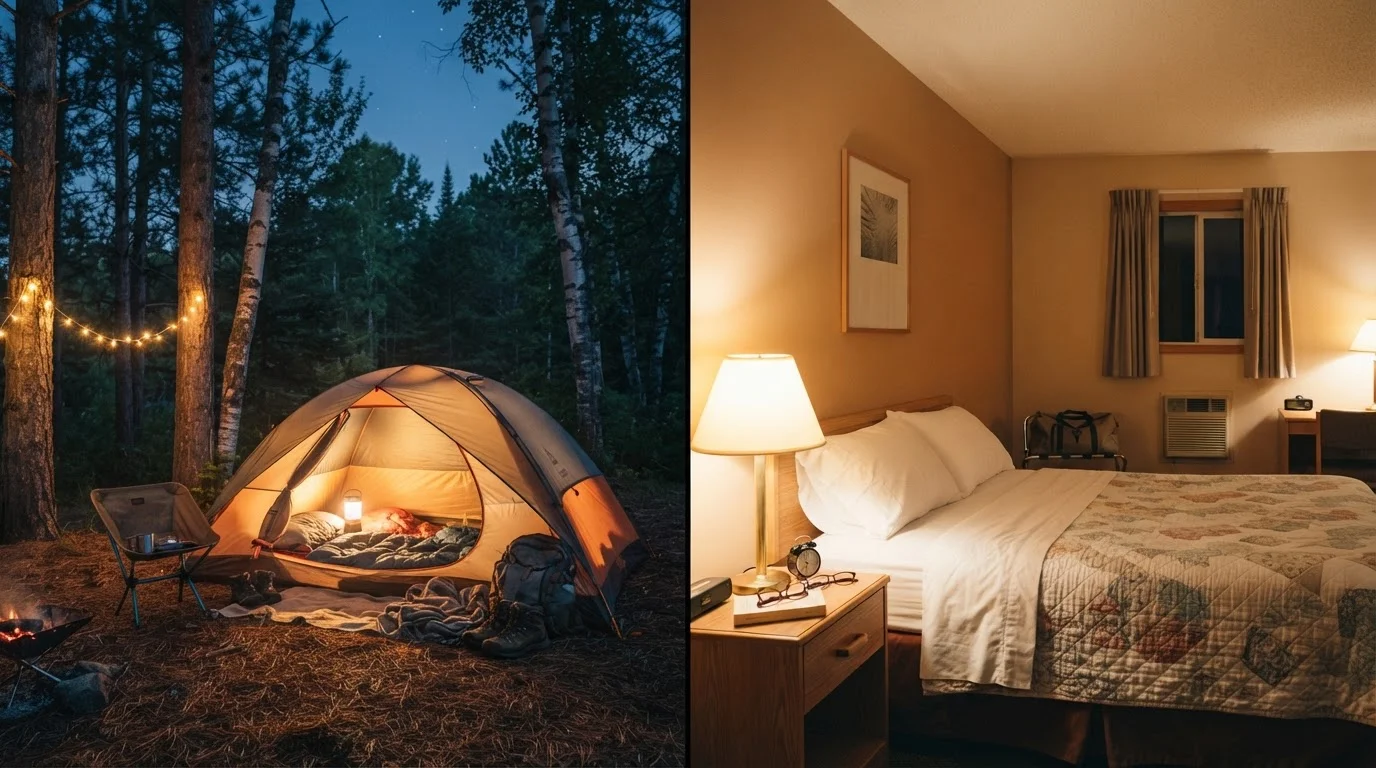
Fuel and food get all the attention, but lodging is quietly where most road trip budgets collapse. Spend $100-$150 per night at motels across a two-week trip and you're looking at $1,400-$2,100 before you've eaten a meal. The good news: the US has an unusually generous network of free and low-cost overnight options - most of them underused and surprisingly comfortable. The key is building your route around these stops rather than treating them as afterthoughts.
Whether you're in an SUV with a sleeping platform, a van, or a tent-and-rooftop setup, this reference breaks down each overnight category so you can plan intelligently. For a broader look at where road trip spending tends to spiral, see where road trippers overspend.
The Main Categories of Free and Low-Cost Overnight Stays
Understanding each option's rules, limitations, and logistics before you leave prevents frustrating surprises on the road.
Dispersed camping
Camping outside of designated campgrounds on public land, typically at no cost. Governed by rules set by the managing agency (BLM, Forest Service) for each specific area.
BLM land
Land administered by the Bureau of Land Management, a federal agency. Much of it allows dispersed camping under a 14-consecutive-day limit before you must move at least 25 miles.
Self-contained rig
A vehicle or trailer with its own water, waste holding tanks, and power - able to camp without external hookups. Required for some programs like Harvest Hosts.
Corps of Engineers campground
A developed campground operated by the US Army Corps of Engineers, usually located near a dam or reservoir. These sites frequently offer lower nightly rates than comparable private campgrounds.
Hookups
Connections at a campsite for electricity, water, and/or sewer. Sites with full hookups cost more; dispersed camping and many budget sites have none.
Bureau of Land Management (BLM) Dispersed Camping
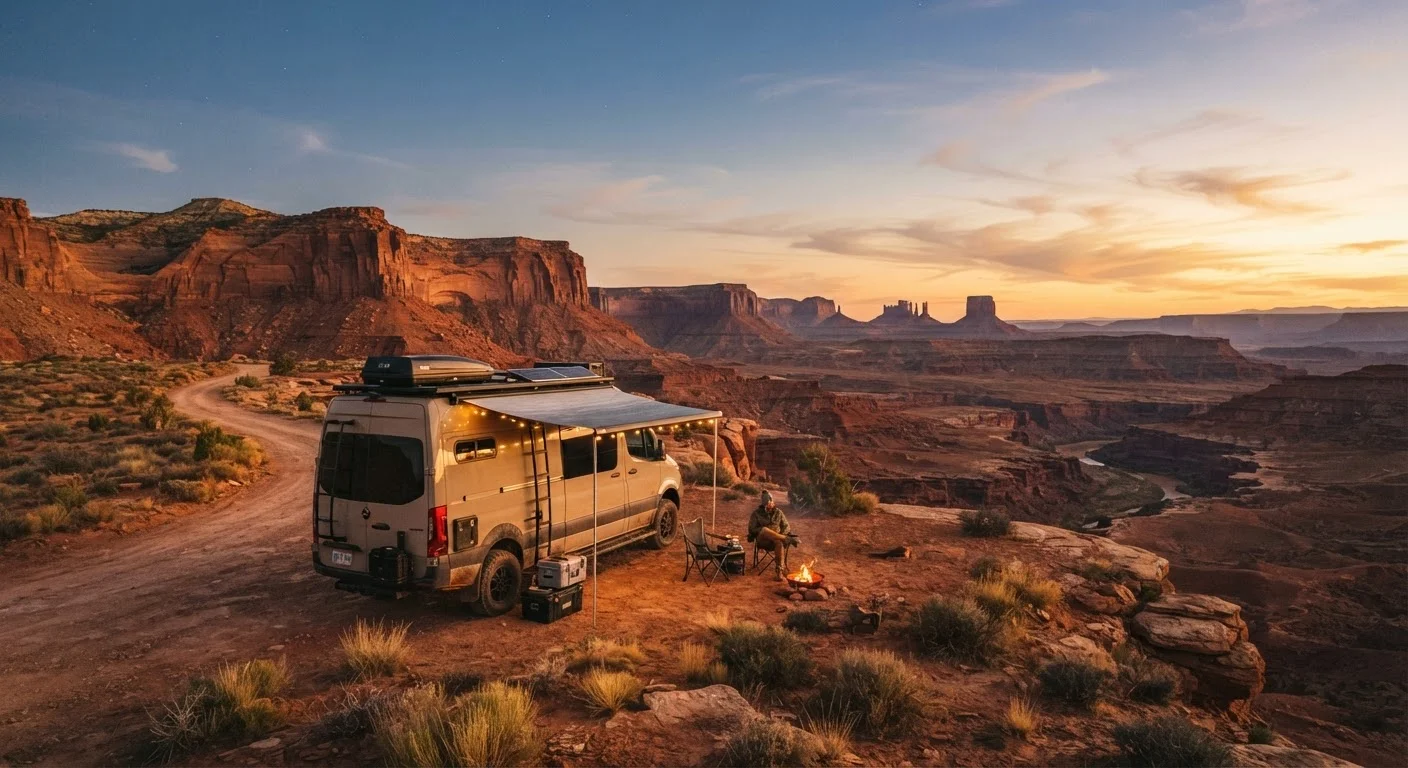
The American West's most overlooked resource. Millions of acres managed by the BLM allow dispersed camping - meaning you can camp outside designated sites, typically for free, for up to 14 consecutive days in one location. This is the backbone of budget road trips through Nevada, Utah, Arizona, New Mexico, Colorado, and Idaho. Fires, generators, and gray water disposal rules vary by district; always check the relevant BLM field office website before arriving. Southwest desert loop planning leans heavily on these spots.
National Forest Dispersed Camping
Similar to BLM but managed by the US Forest Service. Dispersed camping is permitted in most National Forests unless a specific area is posted as closed. The Pacific Northwest, Rockies, and Appalachians all have abundant options. A useful companion for Pacific Coast travelers: driving California's Route 1 on a budget.
Harvest Hosts
A membership program (annual fee applies) that lets self-contained RV and van campers stay overnight at farms, wineries, breweries, and museums. Stays are free once you're a member, though hosts appreciate a purchase. Best for travelers with self-contained rigs who want interesting stops rather than wilderness.
Rest Areas and Welcome Centers
Legal overnight stays vary significantly by state. Some states explicitly permit overnight parking; others restrict stays to a few hours. Check state DOT websites before counting on a rest area as a planned stop. These work best as backup options or one-night safety pulls, not as primary lodging.
Casino Parking Lots
In several Western states, casinos allow free overnight parking - sometimes with hookups - hoping guests will spend inside. Policies change frequently; call ahead to confirm.
Low-Cost Campgrounds: Corps of Engineers and State Parks
US Army Corps of Engineers campgrounds are consistently among the most affordable developed sites in the country, often ranging from $10-$24 per night, typically near reservoirs. State park campgrounds vary widely by state but frequently undercut private campgrounds. See affordable public lands camping for context on permits and fees.
Leave No Trace Applies Everywhere
Free camping on public land is a shared resource, and overuse of specific spots has already led to closures in some areas. Pack out all waste, camp on durable surfaces where possible, and follow fire restrictions posted for each district. Treating sites well keeps them open for future travelers.
Building Your Route Around Overnight Availability
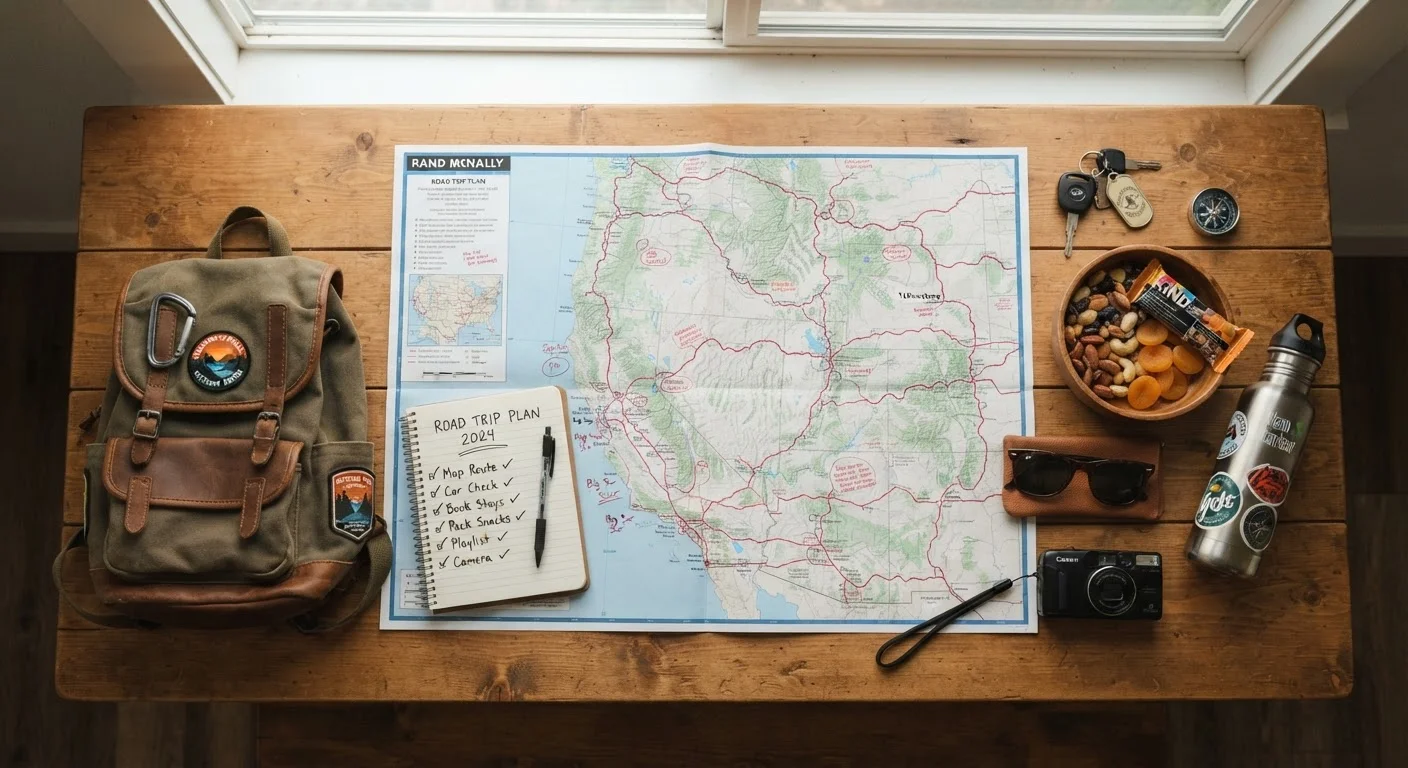
The practical move is to map your overnight anchors first, then connect them with driving legs of 200-350 miles. BLM and Forest Service land concentrates heavily west of the Mississippi, so eastern routes rely more on state parks, Corps of Engineers sites, and rest areas. The Cascade Loop in Washington and the Ozarks loop both illustrate how to anchor a route around affordable nights.
245M+
Acres of BLM land available to the public
According to the Bureau of Land Management, making it the largest source of free overnight camping in the US.
$10-$24
Typical nightly rate at Corps of Engineers campgrounds
US Army Corps of Engineers developed sites frequently undercut comparable private campgrounds in the same region.
14 days
Standard dispersed camping limit per location
Most BLM and National Forest areas require campers to move after 14 consecutive nights at one spot.
Tools worth bookmarking: the BLM's NILS public viewer shows land designations; the Recreation.gov platform covers reservable National Forest and Corps of Engineers sites; the iOverlander and FreeRoam apps aggregate user-reported dispersed sites. For trip structure fundamentals, especially if this is your first solo drive, the solo road trip starting point guide is worth a read before you plan.
Finally, pair your lodging strategy with equally low-cost daytime stops - free and low-cost activities across US destination types covers the activity side of the equation. The less you spend on sleep, the more flexibility you have everywhere else.
Policies for dispersed camping, rest area overnight rules, and membership programs change regularly. Always verify current rules with the relevant federal or state land management agency before your trip.