
Understanding Entry Fees and Passes
Most national parks charge a per-vehicle entry fee that typically ranges from roughly $10 to $35, depending on the park. Those fees cover a 7-day visit, so a weekend trip is well within the window. But if you're planning more than two or three park visits in a year, the math tilts strongly toward an annual pass.
The America the Beautiful - National Parks and Federal Recreational Lands Pass (commonly called the Interagency Annual Pass) provides entrance to more than 2,000 federal recreation sites, including all national parks, for a flat annual fee. For households that visit even a handful of parks, it usually pays for itself quickly. Several reduced-fee and free versions of the pass are available for U.S. military members, fourth-grade students (through the Every Kid Outdoors program), people with permanent disabilities, and seniors aged 62 and older - the senior pass is available as either a lifetime or annual option.
If you're buying the America the Beautiful Pass specifically for one trip, check whether a single park's entry fee would exceed the pass cost after accounting for how many people are in your vehicle - for larger groups, the pass almost always wins.
Per-vehicle fees at the gate apply regardless of vehicle size, so a family of five and a solo traveler pay the same entry fee; the annual pass becomes a proportionally better deal the more people share it.
At parks with timed-entry reservation systems, the very first and very last slots of the day tend to be the easiest to secure - and early morning light makes for better hiking conditions anyway.
Timed-entry systems were introduced at congested parks to distribute crowd load across the day; the bookend slots are structurally less popular because they're less convenient for most visitors.
It's worth noting that the pass covers entrance fees but not camping fees, tour fees, or permit costs, so factor those separately when budgeting your trip.
Free Entrance Days You Should Know About
The National Park Service designates a handful of fee-free days throughout the year - typically five or six annually - when entrance fees are waived at all fee-charging parks. These dates have historically aligned with Martin Luther King Jr. Day weekend, the first day of National Park Week in April, Juneteenth, the Great American Outdoors Act anniversary in August, and Veterans Day weekend, though the specific dates shift year to year.
Checking the official NPS website (nps.gov) before finalizing your weekend plans is the most reliable way to confirm current free days. One honest caveat: fee-free days are among the busiest park days of the year, so arrive early, have a backup trailhead in mind, and check whether timed-entry reservations (separate from the fee waiver) are still required at high-demand parks like Arches or Zion.
Timed Entry ≠ Fee Waiver
Some high-traffic parks have introduced separate timed-entry reservation systems that operate independently of entrance fees. On fee-free days, the entrance fee is waived - but any required timed-entry reservation still applies and must be obtained in advance through Recreation.gov or the park's own system. Always check both requirements before your visit.
Camping on a Budget: From Reservations to First-Come Sites
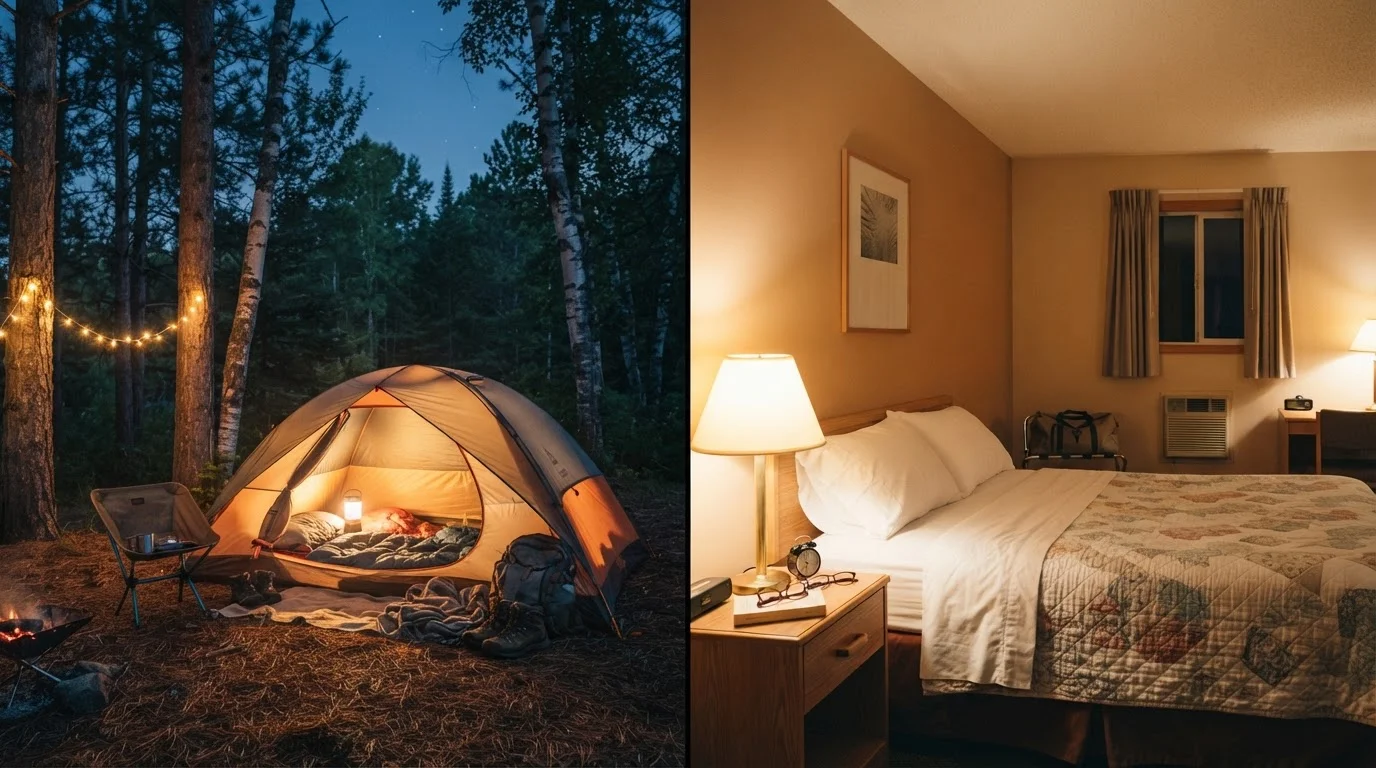
Overnight stays inside a park are where costs can quietly escalate - or where savvy planning pays off most. Developed campgrounds with amenities like flush toilets and electrical hookups run anywhere from about $20 to $50 per night. Primitive and backcountry sites are generally much cheaper. Many parks also maintain a portion of their sites as first-come, first-served, meaning they can't be reserved online - they're simply claimed in person on arrival.
Arriving midweek or on a Sunday evening dramatically improves your odds at first-come sites. Planning your overnight stays strategically - including options just outside park boundaries on BLM or national forest land - can reduce or eliminate camping costs entirely while keeping you close to the action.
Book Campsites the Moment the Window Opens
Recreation.gov releases reservations for most national park campgrounds six months before the stay date, often at exactly midnight Pacific Time. Popular sites at Yosemite, Glacier, and Rocky Mountain can fill within minutes. Set a phone alarm and have your account and payment details ready - hesitation is expensive here.
For reservations, Recreation.gov is the central federal booking platform. Reservations typically open six months in advance for the most popular sites; setting a calendar reminder for your target date window is genuinely useful.
Navigating Permits Without the Stress
Some of the country's most iconic hikes - the Narrows in Zion, Half Dome in Yosemite, Angels Landing - now require separate day-use permits distributed through lottery or timed reservation systems. Permit availability and pricing (usually a modest per-person fee) varies by location and season.
The key to not losing sleep over this: research permit requirements at least 2-3 months before your trip, not the week before. Recreation.gov handles most federal permit lotteries. Many parks also release a smaller batch of walk-up or day-of permits at the trailhead - arriving early (often before sunrise) is the standard strategy for snagging these.
Verify Permit Rules Before You Finalize Plans
Permit systems at national parks are updated regularly, and rules that applied last season may have changed. Always check the specific park's official NPS page - not third-party summaries - for current permit requirements, lottery dates, and walk-up availability. Planning around outdated information is one of the most common causes of trip-day disappointment.
If a permit lottery doesn't go your way, don't scrap the trip. Most parks have multiple trails and viewpoints that require no permit at all and deliver genuinely spectacular experiences. Have a no-permit itinerary ready as your fallback.
Stretching Your Dollar Once You're Inside
Food and gear are the two budget leaks most visitors underestimate. Concession stands and park lodges charge a premium - packing your own meals and snacks for the day is one of the most straightforward ways to control costs. A small cooler, a camp stove for morning coffee, and a solid reusable water bottle go a long way.
Gear rental services in gateway towns near major parks have become more common, which helps if you don't own hiking boots or a backpack. Free and low-cost activity strategies that work for families translate well to park visits too - ranger-led programs, junior ranger activities, and free interpretive talks are included with your entry fee and are genuinely worth attending.
325+
Parks covered by the Interagency Annual Pass
The America the Beautiful Pass is accepted at more than 2,000 federal recreation sites, including all 325+ national park units that charge an entrance fee.
~$20/night
Typical primitive campsite fee in national parks
Primitive and walk-in sites at many national parks are considerably cheaper than developed campgrounds, which can run $35-$50 per night with full hookups.
5-6 days
Annual fee-free entrance days at national parks
The National Park Service waives entrance fees on a small number of designated days each year; exact dates are published annually at nps.gov.
Alternatives When the Parks Are Packed or Pricey
National parks are extraordinary - but they're not the only game in public lands. National monuments, national recreation areas, and Bureau of Land Management (BLM) land often deliver comparable landscapes with lighter crowds and lower or zero entry fees. Lesser-known public lands worth the drive are a genuinely underused resource for budget travelers.
State parks are another strong option. Many state parks rival national icons in scenery while charging a fraction of the cost - sometimes nothing at all. For a broader look at no-cost weekend options across US destination types, public lands in all their forms are consistently among the strongest performers.
The bottom line: America's public lands system is genuinely vast, and the most memorable weekend often isn't at the most famous address. A little flexibility in destination choice - and solid advance planning on fees, camping, and permits - is all it takes to make these places accessible without financial strain.
Don't Rely on Cell Service Inside Parks
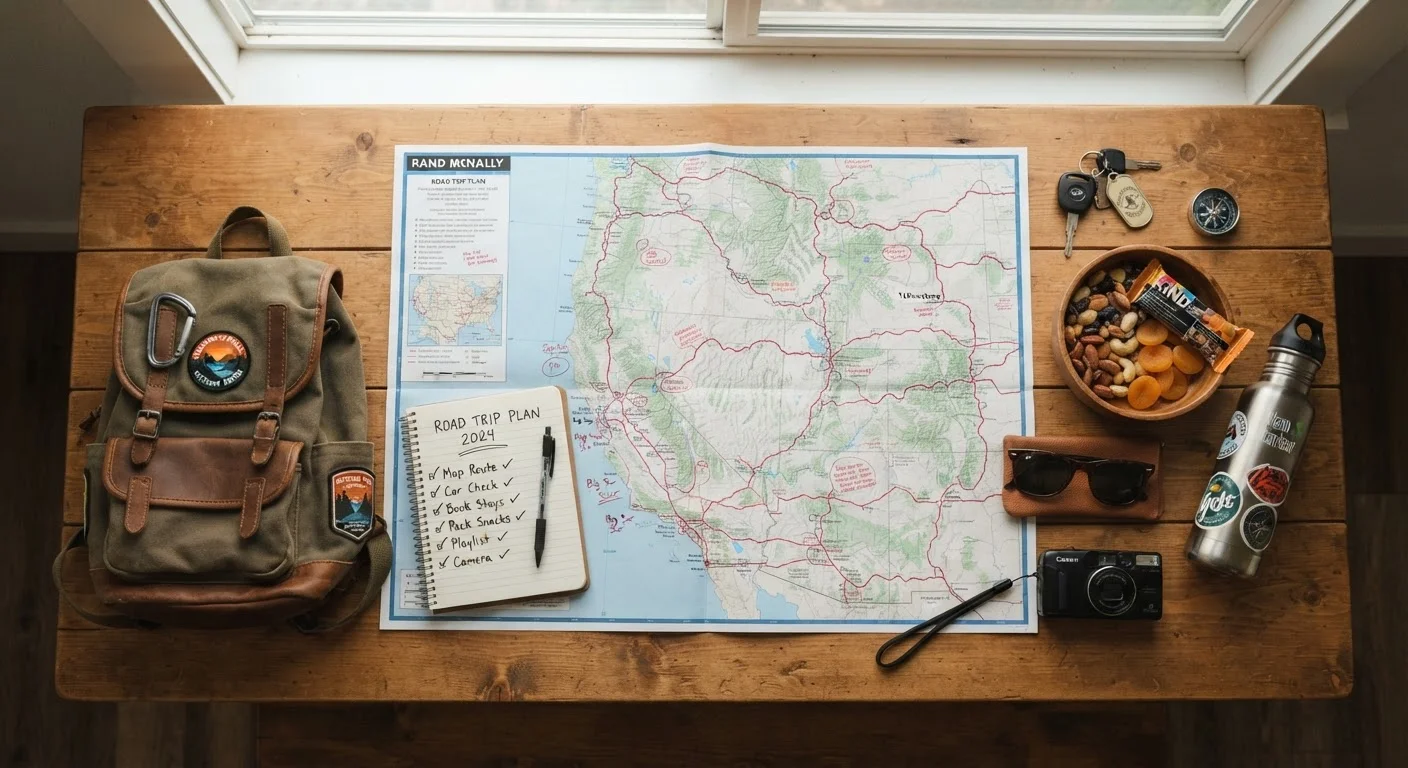
Many national parks have limited or nonexistent cell coverage, especially in canyon country. Download offline maps (such as those available through the NPS app or mapping apps that support offline use) before leaving the trailhead parking area. Print permit confirmation emails and trail maps as a backup - do not assume you can pull them up on your phone once you're inside.