
Why a Weekend Road Trip Is the Perfect Solo Start
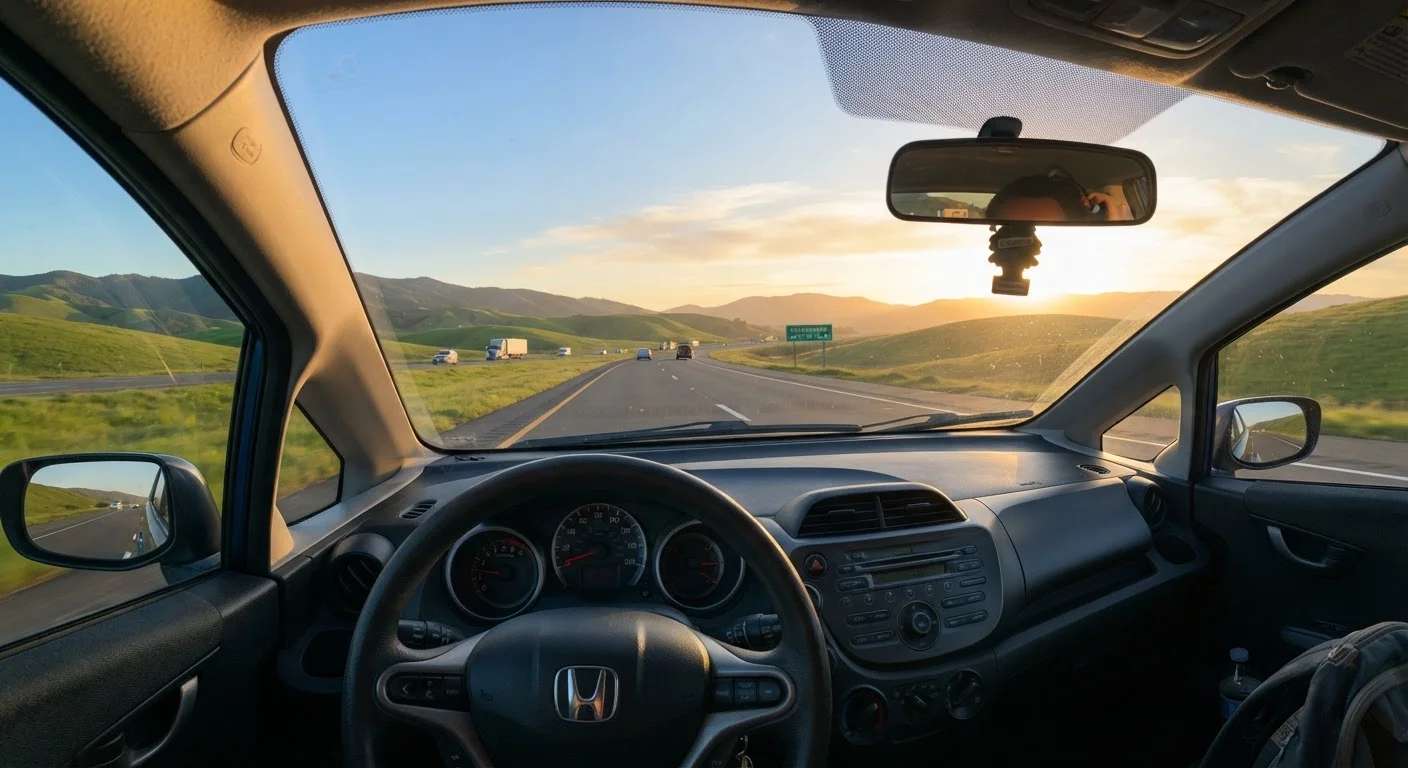
Solo travel can feel daunting to first-timers, but a weekend road trip removes most of the intimidation. You're in your own vehicle, on your own schedule, and never more than a few hours from home. That combination of freedom and built-in safety net makes it one of the most confidence-building travel formats available.
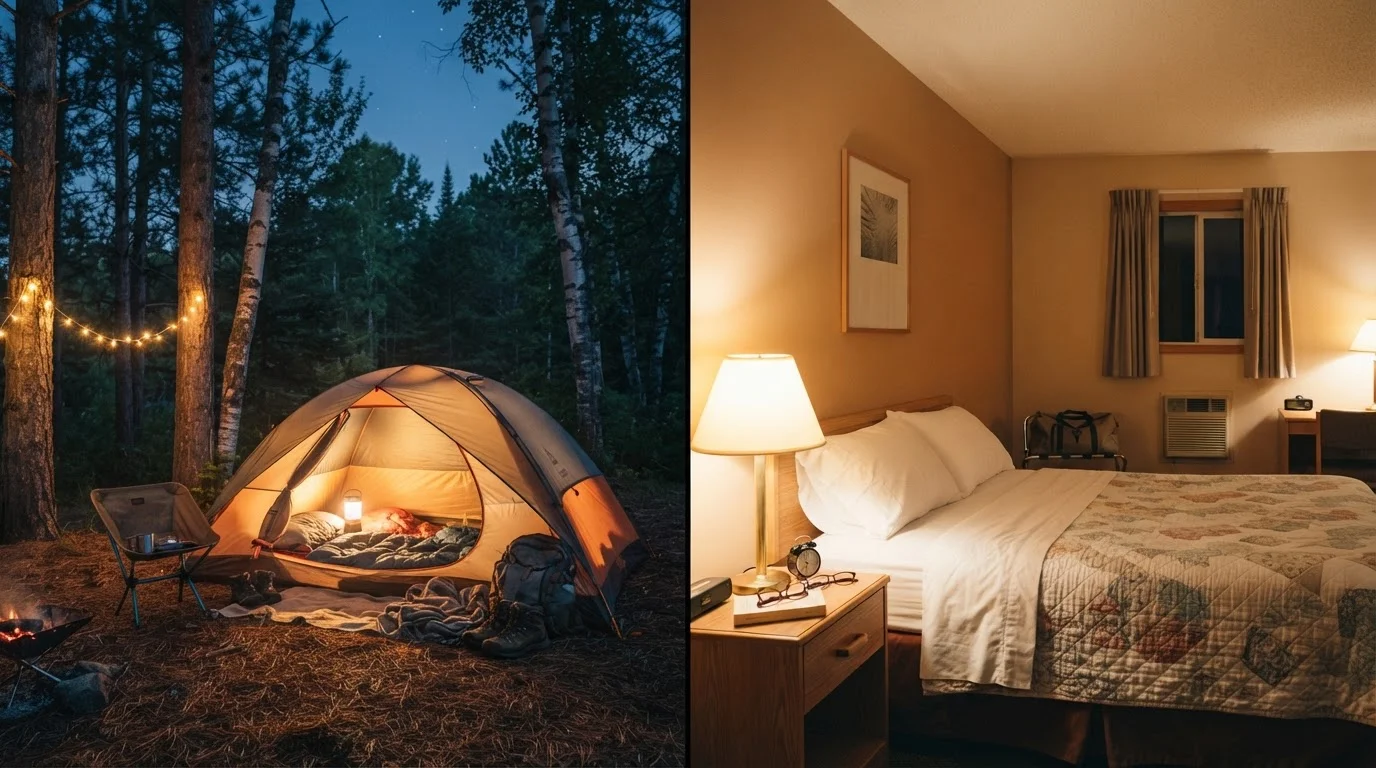
A short trip also compresses the learning curve. You'll discover what you actually need in the car, how you prefer to structure a travel day, and whether you like camping, motels, or something in between - all without committing to a two-week adventure. If you're approaching solo travel for the first time, our beginner's solo travel guide is a great companion read for building the right mindset before you hit the road.
Dispersed camping
Camping outside of designated campgrounds, typically on public land like Bureau of Land Management (BLM) territory. It is often free but requires self-sufficiency - no facilities, hookups, or staff on site.
Offline maps
Map data downloaded to your phone before you leave so navigation works without a cell signal. Apps like Google Maps and Maps.me support this feature.
MPG (miles per gallon)
A measure of fuel efficiency indicating how many miles a vehicle travels on one gallon of gas. Used to estimate fuel costs before a trip.
Roadside emergency kit
A set of basic tools and supplies kept in your car for unexpected breakdowns, including items like jumper cables, a flashlight, a reflective triangle, and a basic first-aid kit.
GPS messenger device
A handheld device that can send your location and short messages via satellite, useful in remote areas where cell phone coverage is unavailable.
Picking Your Route Without Overthinking It
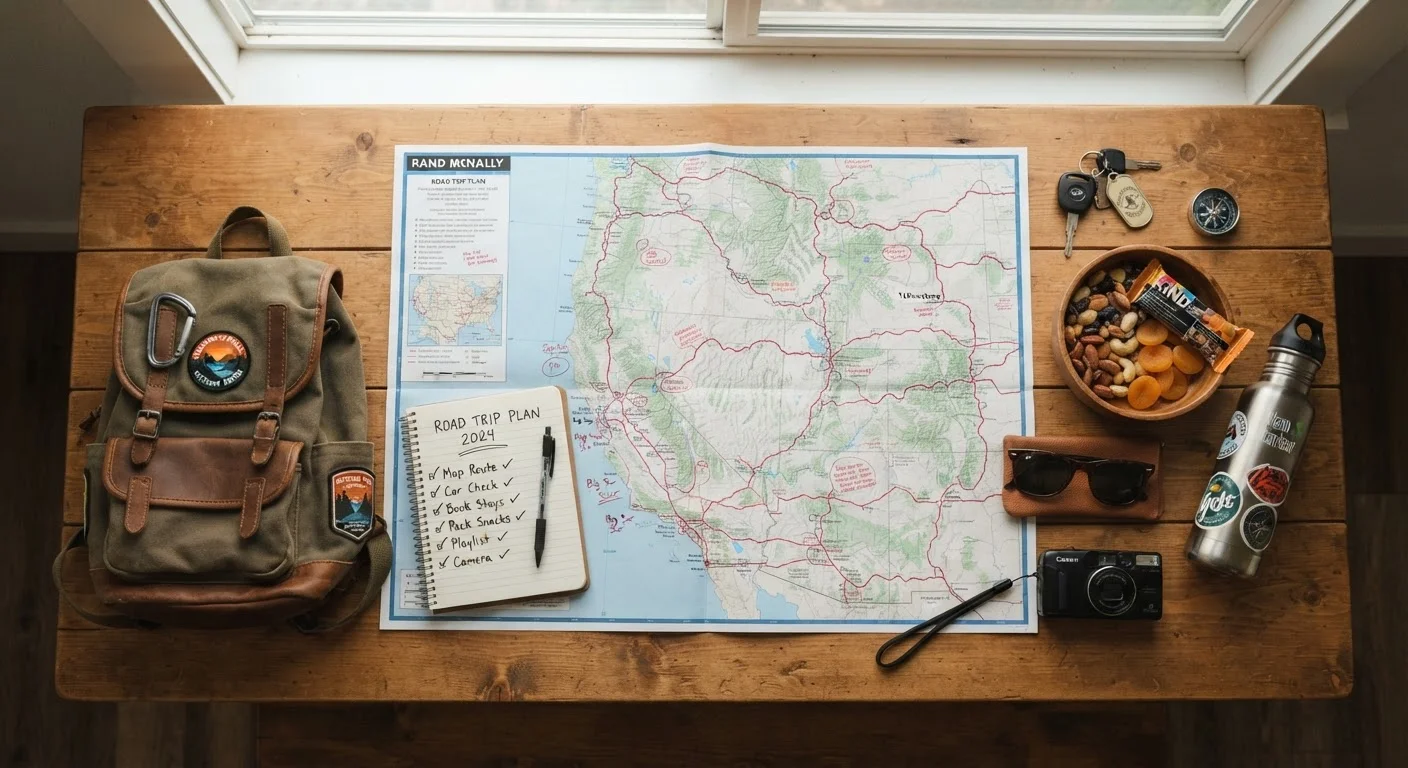
The golden rule for a first solo road trip: keep it simple. Choose a destination within 150-250 miles of home, identify two or three specific things you want to do there, and build the rest loosely around that. You don't need a minute-by-minute itinerary - you need a general direction and a place to sleep.
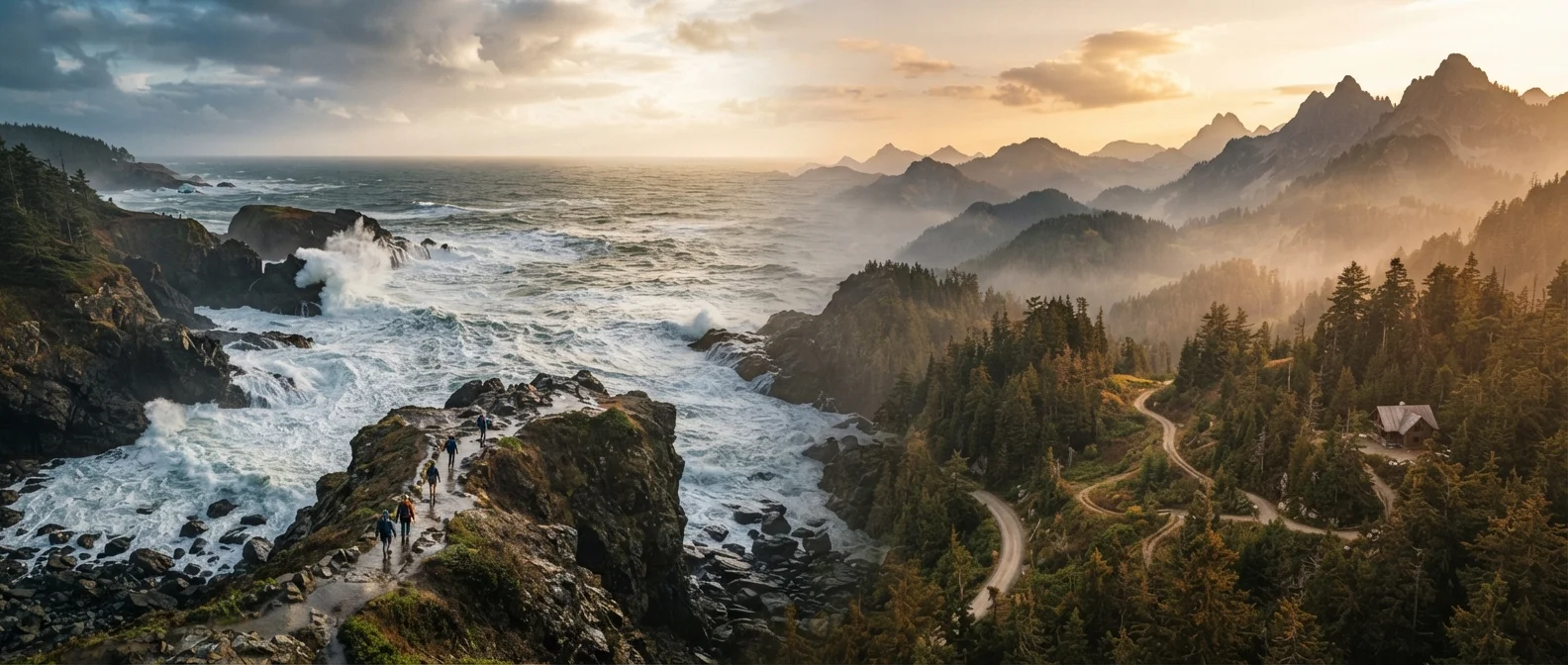
Strong beginner route types include a lakeside state park loop, a drive through a national forest, a small-town main street crawl, or a scenic coastal highway. All of these work well because they offer natural stopping points, free or inexpensive activities, and real visual payoff without requiring reservations weeks in advance. Browse the Road Trip Routes hub for US-specific itinerary ideas organized by region.
Use Google Maps' 'Explore Nearby' Feature
Before committing to a destination, open Google Maps, drop a pin around 200 miles from home, and use the Explore tab to surface parks, scenic overlooks, and small towns you might not have considered. It's a fast, low-effort way to find routes that feel fresh without hours of research.
Packing Light and Spending Less
Overpacking is a classic first-trip mistake. For a two-night weekend trip, a single duffel bag or soft-sided pack is plenty. Prioritize a roadside emergency kit (jumper cables, a basic toolkit, and a reflective triangle), a portable battery pack for your phone, reusable water bottles, and enough snacks to skip a couple of expensive highway stops.
Download offline maps before you leave - cell coverage disappears in rural areas more often than most people expect. Bring a paper backup if you're heading into genuinely remote territory. If you're planning to camp, a sleeping bag rated for local nighttime temperatures is non-negotiable; a cheap tarp doubles as a groundsheet and a shade canopy. For solo travelers unsure about lodging options, budget lodging options for solo travelers walks through every category from hostels to campgrounds.
Staying Safe on the Road Alone
Solo road tripping is genuinely safe with a few straightforward habits in place. Before leaving, share a copy of your planned route and a check-in schedule with someone at home - a quick daily text is all it takes. Keep your gas tank above a quarter full in remote areas, and know the basic steps for a roadside breakdown: pull completely off the road, turn on hazard lights, and call for roadside assistance from inside the vehicle.
Keep emergency contacts saved in your phone and written on paper. In areas with limited cell service, consider a GPS messenger device that can send location pings without a cell signal. For a deeper dive into safety fundamentals that apply beyond the car, see our solo travel safety introduction.
Don't Rely Solely on Your Phone for Navigation
Cell coverage can vanish quickly in rural and mountainous areas. If your phone dies or loses signal, you could be stranded without directions. Always download offline maps before departure and carry a printed or paper map as a true backup - especially on routes that pass through national forests or open desert.
Keeping Your Weekend Budget in Check
Fuel, lodging, and food are your three major expense categories. Estimating fuel cost is straightforward: divide round-trip mileage by your car's MPG, then multiply by your local gas price. Lodging is where you have the most control. Free dispersed camping on Bureau of Land Management (BLM) land is legal and widely available across much of the western US; established state park campgrounds typically run $15-$35 per night. For a full breakdown of low-cost overnight options, see our guide on free and low-cost US road trip overnight stays.
Food costs drop significantly if you pack a cooler with grocery store staples instead of eating out every meal. Budget one restaurant meal as a treat and cover the rest yourself - it's one of the simplest ways to make a solo weekend trip genuinely affordable. The Solo Trip Planning hub has additional resources for keeping the whole trip organized without stress.