
The Route at a Glance
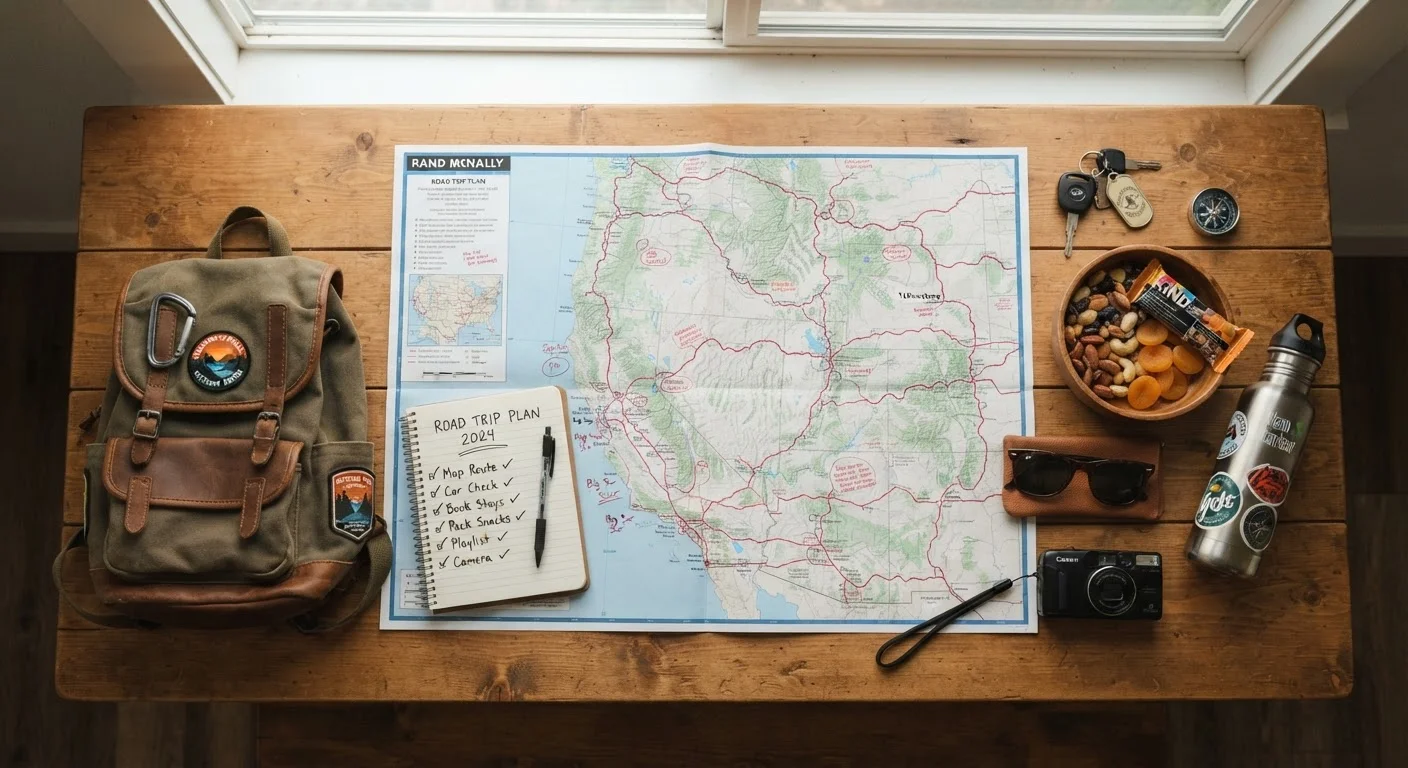
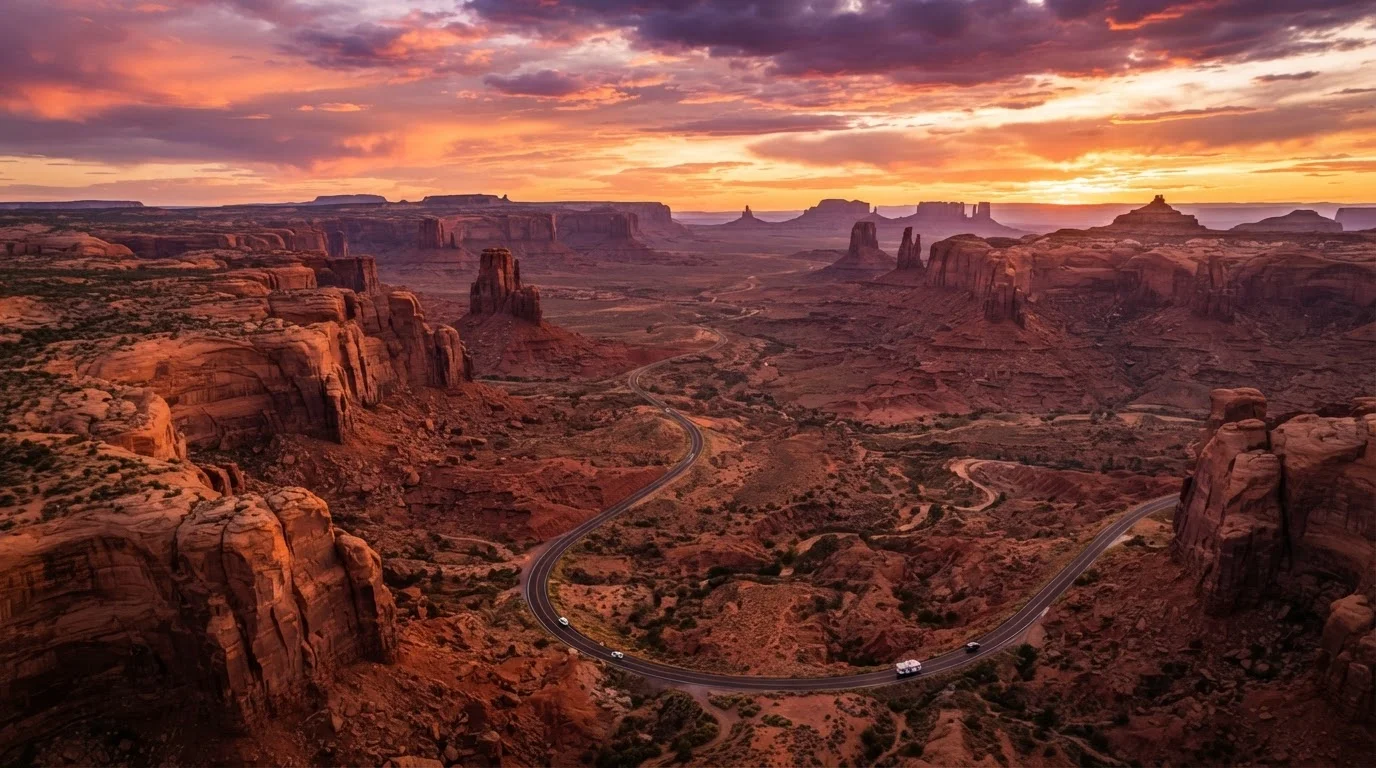
The classic Southwest desert loop covers roughly 1,200 to 1,500 miles depending on detours, connecting Zion, Bryce Canyon, Capitol Reef, Canyonlands, Arches, Grand Canyon (South or North Rim), and Monument Valley in a single efficient circuit. Most travelers base the loop from Las Vegas or Salt Lake City, both of which offer competitive flights and car rental options.
A counterclockwise direction - Las Vegas → Zion → Bryce → Capitol Reef → Moab (Arches + Canyonlands) → Monument Valley → Grand Canyon → Las Vegas - works well for several reasons: you tackle the highest-elevation parks early before summer heat peaks, and you arrive at the Grand Canyon's South Rim late in the loop when crowds at Zion have thinned your patience for parking chaos.
Plan for 10 to 14 days to avoid feeling rushed. Eight days is technically doable, but you'll spend more time driving than hiking, which defeats the purpose. Budget travelers who stretch to two weeks gain flexibility to chase free campsites and avoid expensive last-minute reservations.
$80
America the Beautiful Annual Pass cost
A single pass covers entrance fees at all national parks and federal recreation lands for one calendar year.
1,200-1,500
Approximate loop mileage (miles)
Total driving distance varies based on detours; the core circuit connects six to eight major parks.
$35
Peak individual park entrance fee (per vehicle)
Arches and Zion charge up to $35 per vehicle, making the annual pass break even after two to three stops.
For anyone curious about quieter alternatives alongside the marquee stops, lesser-known desert landscapes like Utah's San Rafael Swell can be woven in with minimal extra mileage.
America the Beautiful Pass: Your Single Best Investment
The America the Beautiful Annual Pass (currently $80 per year for the standard interagency version) covers entrance fees for one vehicle at all national parks, national monuments, and other federal recreation lands. On this loop, you'll pass through at least six fee-charging sites. Individual vehicle fees range from $20 to $35 per park - meaning the pass typically breaks even after just two or three stops.
Buy the America the Beautiful Pass at your very first park entrance - it immediately covers that day's fee and starts the 12-month clock from the purchase date rather than January 1.
Purchasing at the gate maximizes the pass window for your trip and avoids shipping delays from online orders.
Download offline maps for each park section before you leave cell coverage - Grand Staircase-Escalante and Capitol Reef have extensive dead zones, and paper maps are increasingly hard to find at entrance stations.
Navigation failures in remote desert terrain can turn a minor wrong turn into a serious safety issue; offline maps are a low-cost insurance policy.
The pass is available at any park entrance station, online through the U.S. Geological Survey store, or at many REI locations. Travelers aged 62 or older qualify for a Lifetime Senior Pass ($80 one-time) or an Annual Senior Pass ($20/year) - an extraordinary value. Active military members and their dependents receive a free annual pass.
One important note: the pass covers the entrance fee, not additional fees like timed-entry permits, campsite reservations, or shuttle tickets. Zion, in particular, requires timed-entry permits for popular hiking corridors during peak season - check the official Recreation.gov site for current permit requirements before you go.
Our fuller breakdown of federal land entry strategies is covered in planning affordable national park weekends.
Timed-Entry Permits Are Separate from the Pass
The America the Beautiful Pass waives entrance fees but does not cover timed-entry permits now required at Arches and for certain Zion trails. These permits are issued through Recreation.gov and are separate, sometimes competitive, reservations. Failing to secure them can prevent access to signature trails even with a valid annual pass in hand. Always check current permit requirements on each park's official website well before your travel dates.
Where to Sleep for Free (or Close to It)
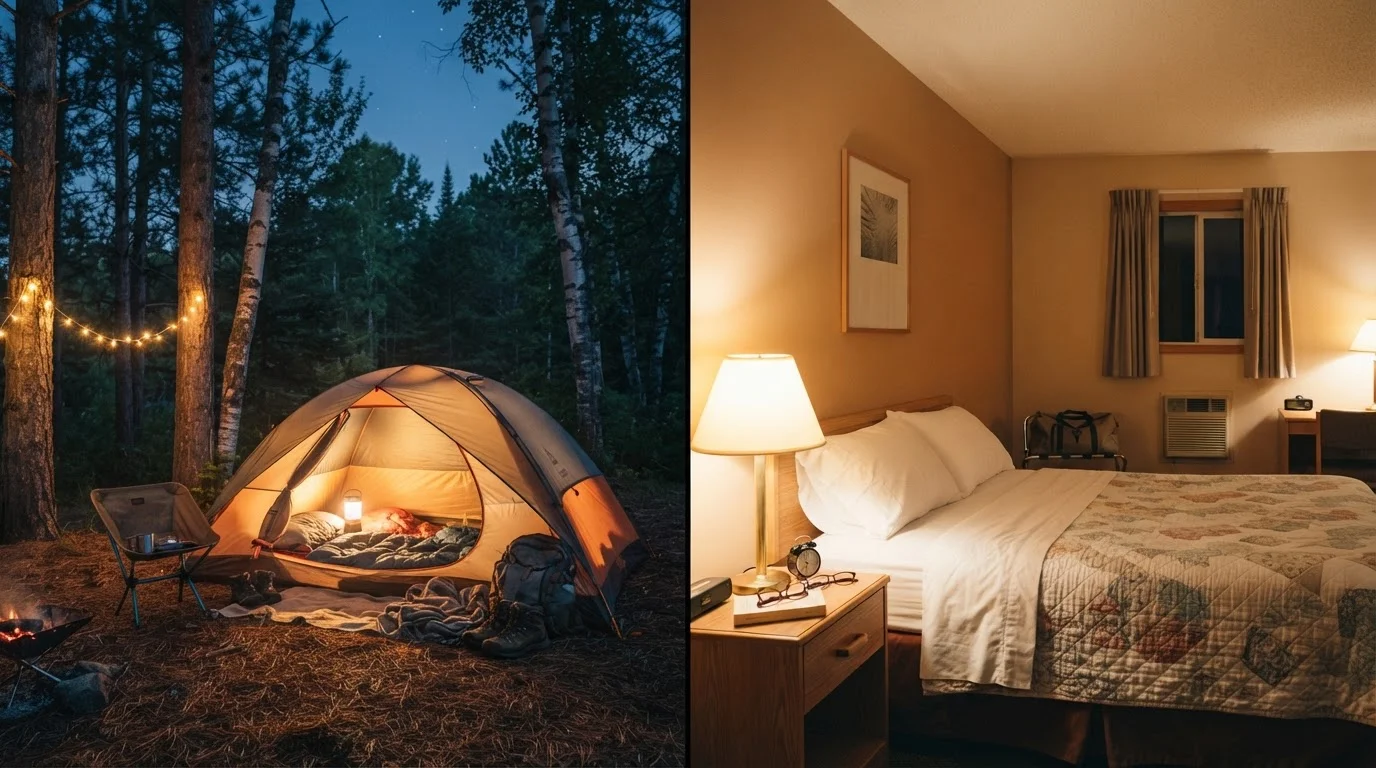
Campsite costs add up fast - $25 to $40 per night at developed park campgrounds means $350 to $560 on a 14-night trip before you've eaten a single meal. The antidote is Bureau of Land Management (BLM) dispersed camping, which is legal and free on most BLM land throughout the Southwest with a standard 14-day stay limit per site.
Key free-camping corridors on this loop include:
- Kanab, Utah area: Extensive BLM land south and east of town, ideal as a base for Zion's east entrance and Grand Staircase-Escalante.
- Moab, Utah: Dispersed sites along Kane Creek Road and along the Colorado River corridor (check for any posted closures before arriving).
- Valle, Arizona: BLM and National Forest land near the Grand Canyon's South Rim provides an affordable alternative to full Kaibab National Forest campgrounds.
Developed campgrounds inside the parks remain worth booking for one or two nights - waking up at Watchman Campground in Zion or Sunset Campground in Bryce is genuinely special. Reserve through Recreation.gov as far in advance as possible; prime spots book out months ahead.
For a deeper dive into overnight strategy, planning free and low-cost overnight stays covers BLM rules, Harvest Hosts, and rest area logistics in detail.
Claim Your Dispersed Site Early
BLM dispersed sites operate on a first-come, first-served basis with no reservations. Arrive at your intended camping area by early afternoon - especially on weekends near Moab and Kanab. Scouting sites via the BLM's official interactive map before you leave home saves hours of guesswork on arrival.
Park-by-Park Highlights and Money-Saving Tips
Zion National Park - The Narrows (bottom-up, no permit required outside peak season) and Angels Landing (permit required) anchor the visit. The free park shuttle eliminates parking stress. Entering via the less-trafficked east entrance cuts time at the main gate.
Bryce Canyon - The Rim Trail between Sunrise and Sunset Points is free once inside and delivers iconic hoodoo views. Stargazing here is exceptional; Bryce hosts ranger-led astronomy programs at no extra cost.
Capitol Reef - Often skipped, this park is a gem for budget travelers: the scenic drive through Waterpocket Fold is free (only the campground and some recreation areas charge fees). Pick fruit from the historic Fruita orchards in season - the park allows it for a small per-pound fee.
Arches and Canyonlands - Both near Moab. Arches now requires a timed-entry reservation during peak periods (spring and fall). The Island in the Sky district of Canyonlands rewards visitors with canyon views rivaling the Grand Canyon with a fraction of the foot traffic.
Grand Canyon South Rim - Sunrise at Mather Point before the crowds arrive is the move. The free park shuttle runs along the South Rim and into the village, so a car inside the park is unnecessary. Lesser-known public lands like Vermilion Cliffs National Monument are just a short detour on the drive between the Canyon and Zion.
“The canyon is a Book of Revelations in the rock-leaf language of the Colorado River. The Colorado River made it. The river is the hero.”
— Edward Abbey, Author and conservationist, Desert Solitaire
Stretching Your Food and Fuel Budget
Gateway towns - Springdale (Zion), Bryce City, Moab, Tusayan (Grand Canyon) - are beautiful and convenient, and they know it. Expect to pay a significant premium for groceries, gas, and restaurant meals in these locations. A simple strategy: stock a cooler in Las Vegas, Salt Lake City, or St. George before you enter the loop. Warehouse-style grocery stores in larger cities can cut food costs significantly versus gateway stores.
For fuel, fill up in larger towns like Kanab, Moab, and Flagstaff. Gas in Tusayan (Grand Canyon village) and Springdale often runs noticeably higher per gallon. A fuel tracking app can help you plan fill-up points on your specific route.
Cooking at camp covers most meals without drama - a two-burner camp stove and a well-stocked cooler handle breakfast and dinner comfortably. Save restaurant spending for one or two deliberate experiences, like a sit-down meal in Moab or Flagstaff, where food scenes are genuinely worth exploring.
Timing Your Loop: Crowds, Heat, and Shoulder Season
Summer (June-August) brings extreme heat - canyon floors in Zion and the Grand Canyon regularly exceed 100°F - and maximum crowds. If summer is your only option, start hikes before 7 a.m. and carry far more water than you think you'll need. Heat exhaustion and dehydration are serious risks in desert canyon environments; always verify current conditions and safety advisories with park rangers.
Shoulder seasons are the sweet spot. March through May brings wildflowers, mild temperatures (50-80°F at most elevations), and manageable crowds - though spring break weeks in March are an exception. September and October offer warm days, cool nights, and dramatic monsoon-cleared skies.
Winter is underrated for photographers and solitude-seekers: snow-dusted hoodoos at Bryce Canyon are spectacular, and entrance lines vanish. However, some roads and trails close seasonally, and the North Rim of the Grand Canyon is closed entirely from mid-October through mid-May. Always check park websites for current road and facility status before planning winter travel.
If you're considering how this loop compares to other iconic regional road trips, Washington's Cascade Loop offers a compelling Pacific Northwest alternative with a completely different landscape palette - and its own budget playbook.
Similarly, state parks that rival famous national parks can round out your itinerary on travel days between the marquee stops, often at zero entry cost.
Entry fees, permit requirements, campsite availability, and road conditions change regularly. Verify all details directly with official National Park Service and Recreation.gov sources before your trip. This article provides general planning guidance and is not a guarantee of current conditions, availability, or pricing.