
Setting the Scene: What Each Destination Actually Offers
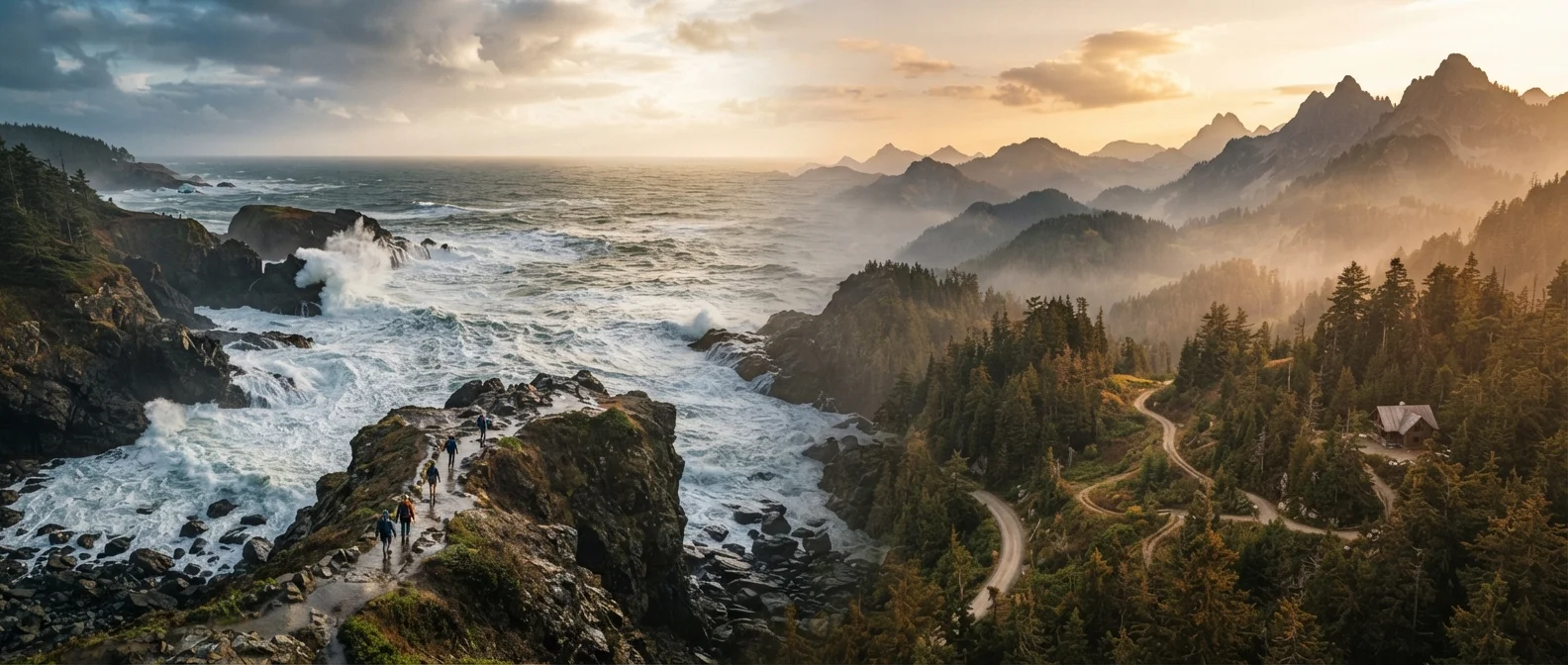
A coastal weekend and a mountain weekend can both be done on a modest budget - but they feel entirely different once you arrive. Coastal towns, think the Maine seacoast, the Outer Banks of North Carolina, or the small fishing villages of California's Highway 1, trade in salt air, seafood shacks, and a rhythm dictated by tides. Mountain towns, from the Blue Ridge foothills to the Rockies' gateway communities, offer pine-scented trails, fire-lit evenings, and vistas that cost nothing to enjoy.
Neither type requires a sprawling itinerary. A coastal weekend can be as simple as picking a walkable village, finding a place to sleep, and letting the shoreline do the work. A mountain weekend can follow the same formula - arrive, hike, eat well, repeat. For travelers chasing underrated gems, both landscapes are full of them.
Cost Comparison: Where Your Money Goes
Pricing at both destination types swings wildly with the season, so timing matters as much as geography. Coastal lodging typically peaks from Memorial Day through Labor Day - oceanfront rooms in popular stretches can feel punishing in July but quite reasonable come October. Shoulder-season windows in both mountain and coastal regions are worth understanding before you book.
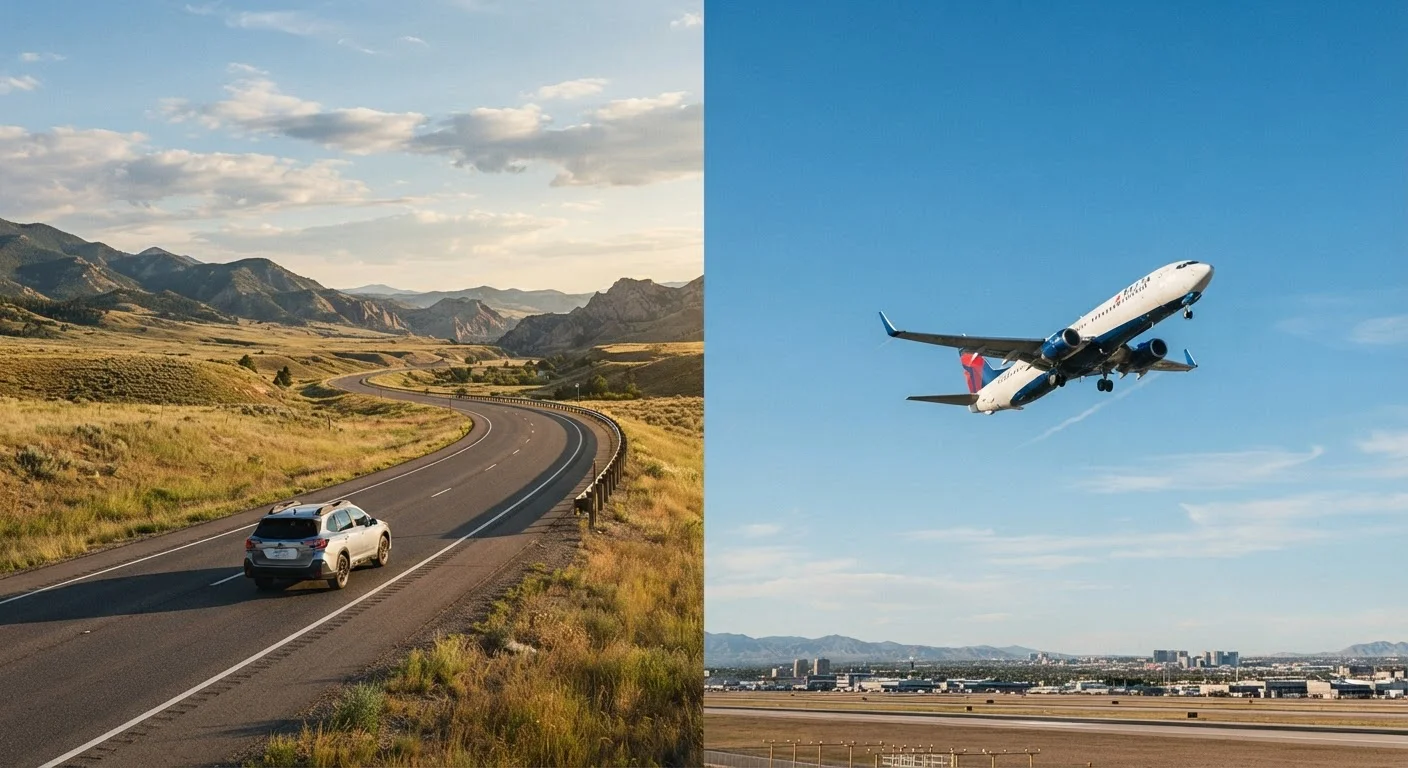
Mountain towns have their own surge periods: fall foliage weekends in the Appalachians or Rockies push prices up sharply, as do ski-adjacent winter weekends. Spring and early summer, however, can be genuinely affordable. If you're deciding how to get there, the drive-or-fly calculation also shifts depending on how far inland your mountain destination sits.
| Coastal Town | Mountain Town | |
|---|---|---|
| Peak season | Summer (June-August) | Fall foliage & winter ski weekends |
| Typical lodging cost range | Higher in summer, drops sharply off-season | Moderate year-round with foliage/ski spikes |
| Free outdoor activities | Public beaches, boardwalks, tide pools | Hiking trails, scenic overlooks, forest roads |
| Physical effort required | Low - walkable, flat terrain | Moderate - trails, elevation changes |
| Car dependency | Lower - some towns accessible by transit | Higher - most require a vehicle |
| Best for | Relaxed, mixed-group getaways | Active travelers, hikers, nature seekers |
On the activity front, mountains tend to win on free-to-access experiences - most trail systems, scenic overlooks, and state forest roads cost nothing or require only a small day-use fee. Coastal activities vary: public beaches are often free, but parking, gear rentals (kayaks, paddleboards), and waterfront dining add up fast. See free and low-cost activity options across both destination types for a fuller picture.
Pacing and Effort: Matching the Vibe to Your Weekend Energy
This is where personal preference becomes the dominant factor. Coastal weekends tend to be naturally low-effort - strolling a harbor, eating clam chowder, watching boats. That accessibility makes them appealing for mixed groups, older travelers, or anyone who just wants to decompress without strapping on hiking boots. Coastal towns versus inland alternatives is worth exploring if you want waterside scenery without full beach-town pricing.
Mountain weekends reward those who want to feel physically engaged. Even light hiking on well-marked trails offers a sense of accomplishment that's hard to replicate on a boardwalk. Towns along scenic corridors like the Blue Ridge Parkway or Skyline Drive deliver both dramatic scenery and a walkable town center. Appalachian Trail towns like Damascus, VA or Hot Springs, NC are particularly compelling for budget travelers who want character without tourist-trap pricing.
Time Your Visit for Maximum Value
Both coastal and mountain towns have sweet spots just outside peak periods. Aim for the week after Labor Day on the coast, or late May in the mountains before summer crowds build. You'll often find lodging 20-40% lower than peak rates, less traffic, and a more local atmosphere - all without sacrificing the scenery that drew you there in the first place.
Lodging and Logistics: What to Expect on the Ground
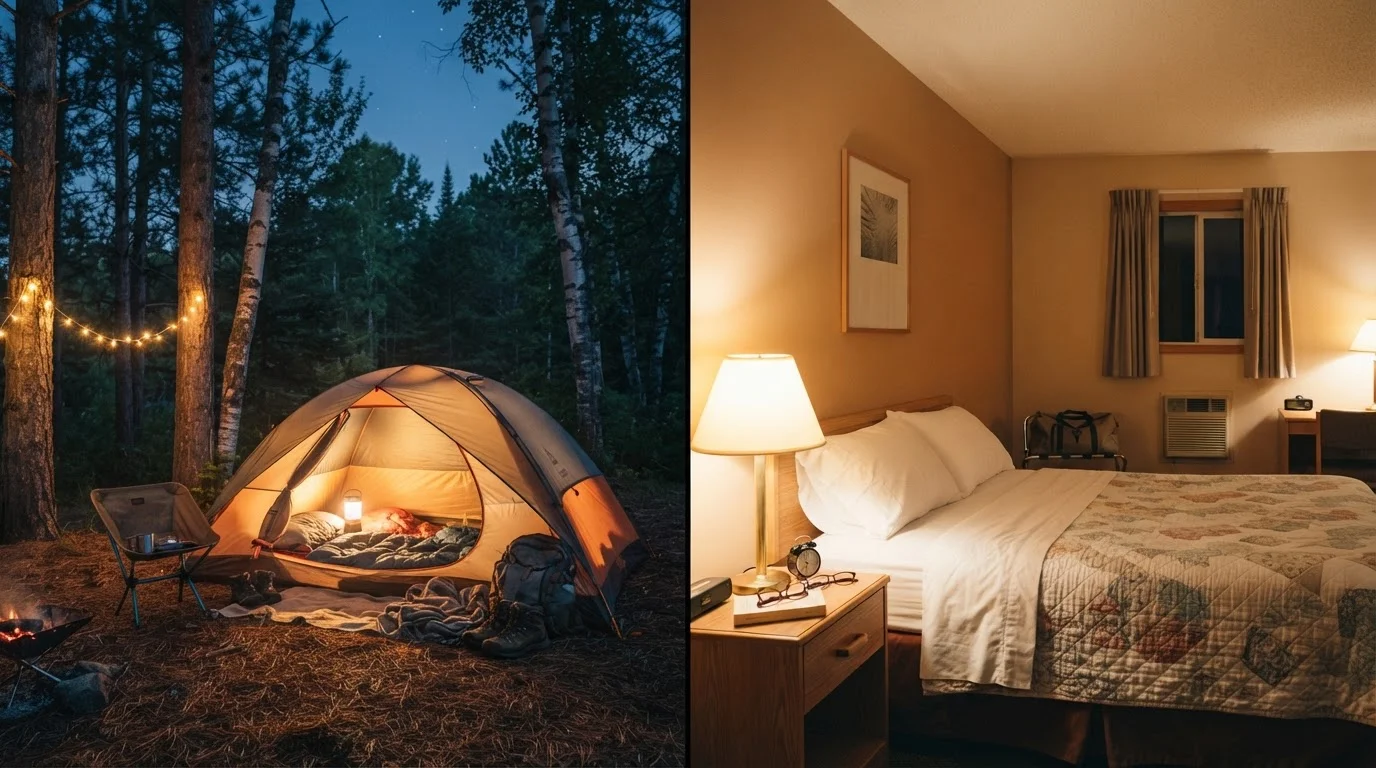
Both destination types have a wide range of overnight options, from primitive camping to charming inns. If you're weighing tent versus roof, the camping vs. budget lodging comparison breaks down cost and comfort trade-offs clearly. Mountain destinations often have more campground options within easy reach of town - national forests and state parks frequently offer sites for well under $30 per night. Coastal camping exists but varies widely by state and season; some of the most scenic sites book out months in advance.
Logistics-wise, mountain destinations can be trickier to access without a car, particularly in the West. Many coastal towns - especially in New England or the Mid-Atlantic - are reachable by regional train or bus, which can meaningfully lower your overall trip cost. Factor in road conditions if you're planning a mountain visit in early spring or after significant snowfall, and always check current access information before departure.
Travel conditions, road access, and entry requirements can change. Always verify current information with state transportation departments and official park or destination websites before your trip.