
What Solo Travel Actually Costs You - and What It Gives Back
The appeal of solo travel is straightforward: you go where you want, when you want, at whatever pace suits you. No consensus required. But that freedom has a financial and logistical price that's worth understanding clearly before you book anything.
On the cost side, the single supplement - an extra charge hotels, cruise lines, and some tour operators add when a room or cabin is occupied by one person - is the most obvious hit. It typically runs 25-100% above the per-person rate for double occupancy. Beyond that, solo travelers can't split taxis, accommodation, or rental cars, which pushes daily costs up even on a careful budget. See our guide to solo travel safety on a budget for a breakdown of where frugality is fine and where it genuinely isn't.
On the other side of the ledger: solo travelers make every decision themselves. That means eating when hungry, not when the group is ready. It means changing plans at noon without negotiating. For travelers whose past group trips have been slowed by compromise and consensus, this alone can make the extra cost feel like fair value.
Complete control over itinerary and pace
Solo travelers make every decision independently - where to go, how long to stay, when to pivot. There's no compromise fatigue or waiting on others.
Deeper engagement with destinations
Without a travel companion providing a social buffer, solo travelers tend to interact more with locals, fellow travelers, and their environment.
Builds genuine self-reliance
Navigating unfamiliar places, solving problems on the fly, and managing logistics alone builds practical confidence that transfers well beyond travel.
Flexible budget management
Solo travelers can make spending decisions that match their own priorities without coordinating with others who may have different financial comfort levels.
No social obligation or group friction
Disagreements about restaurants, timing, and activities are common in group travel. Solo travelers eliminate that friction entirely.
Safety: Manageable Risk, Not Zero Risk
Solo travel safety is frequently overstated as a dealbreaker - and just as frequently understated by experienced travelers who forget how much deliberate habit-building went into their comfort level. The honest position is somewhere between the two.
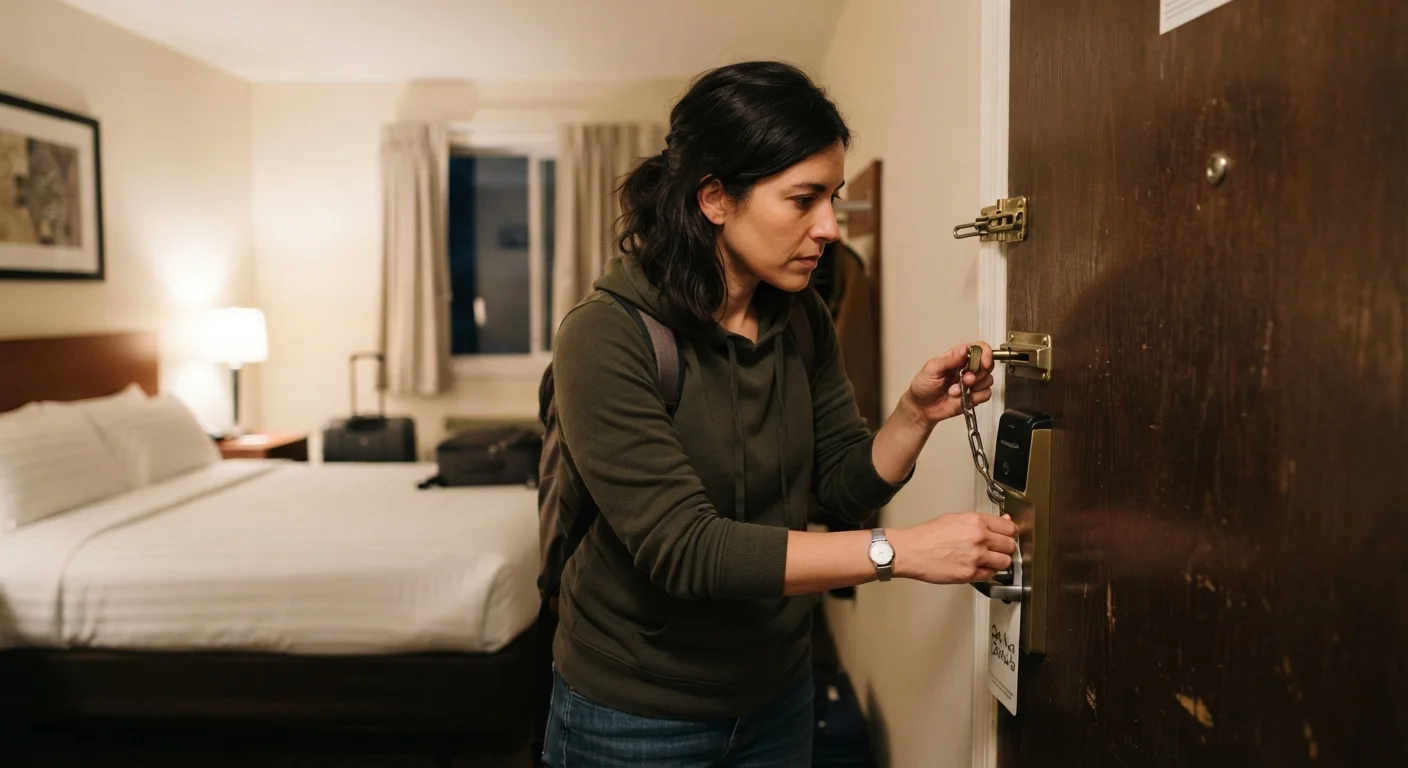
Traveling alone means there's no built-in backup. If something goes wrong - a missed connection, a theft, a medical issue - you handle it first, before anyone else knows there's a problem. That's the core vulnerability, and it's real. It's also why consistent safety habits matter more for solo travelers than for those in groups.
Verify Entry and Safety Conditions Before You Travel
Travel advisories, visa requirements, and local laws change and vary significantly by destination. Always check your government's official travel advisory portal and the destination country's entry requirements before booking. Do not rely solely on travel blogs or forums for this information.
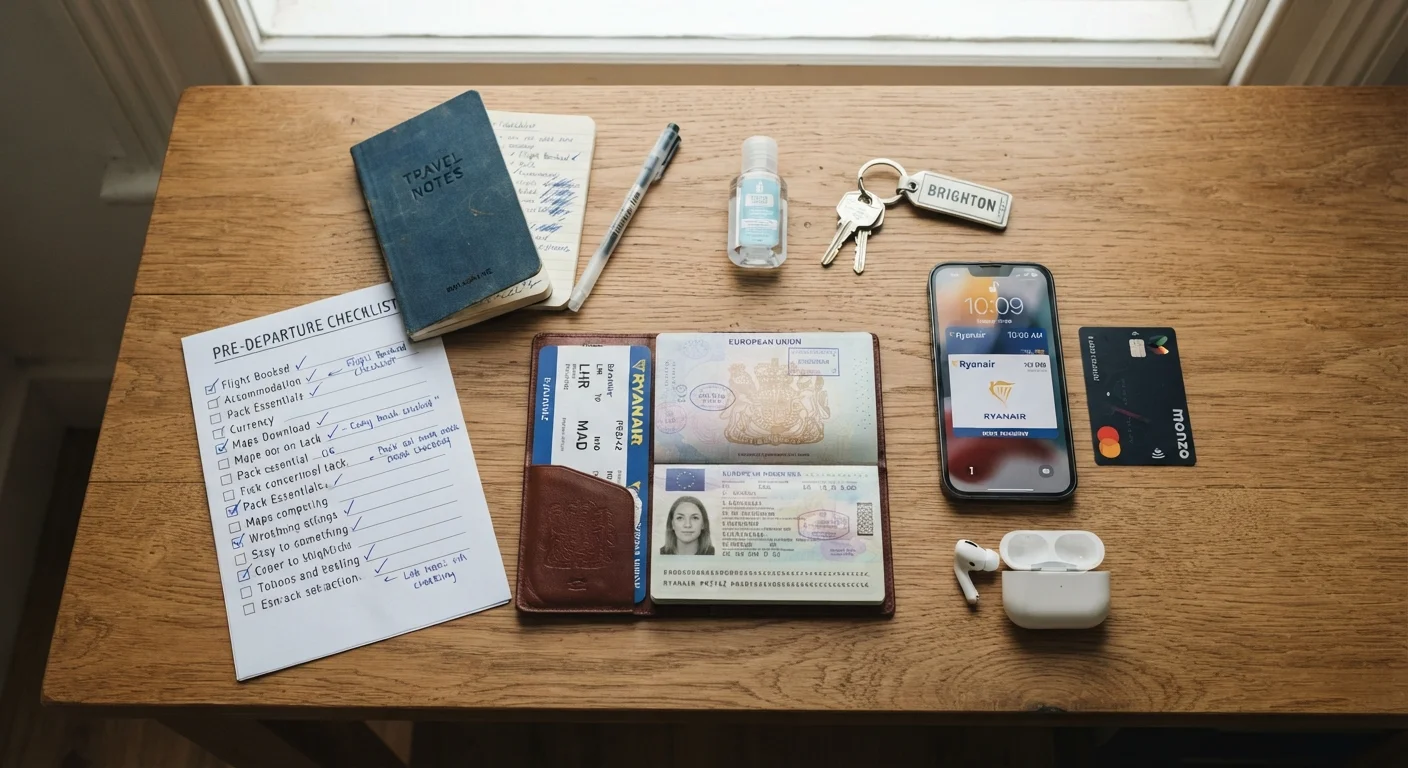
Practical mitigation looks like this: sharing your itinerary with someone at home, staying in accommodations with verified reviews and front-desk access, keeping digital and physical copies of key documents, and understanding how to get to a hospital or embassy from wherever you're staying. None of this is complicated, but it has to be intentional. Our introduction to solo travel safety covers these fundamentals in detail for first-time independent travelers.
Transport is a specific area worth attention. Rideshares, night buses, and taxis each carry different risk profiles depending on the destination. The transport safety guide across modes breaks down what to watch for specifically.
Single supplements add significant cost
Hotels, cruises, and tour operators often charge solo travelers a premium of 25-100% above the per-person double-occupancy rate, a cost that adds up quickly on longer trips.
No built-in backup during emergencies
Medical issues, theft, or missed connections have to be managed alone before anyone else is aware of the problem - requiring more proactive planning than group travel.
Loneliness is a genuine risk on extended trips
Extended solo travel without deliberate social planning can become isolating, particularly in destinations with significant language or cultural barriers.
Higher cognitive load throughout the trip
Navigation, safety awareness, and decision-making fall entirely on one person, which can be mentally tiring over multi-week trips.
Some experiences are harder or less enjoyable alone
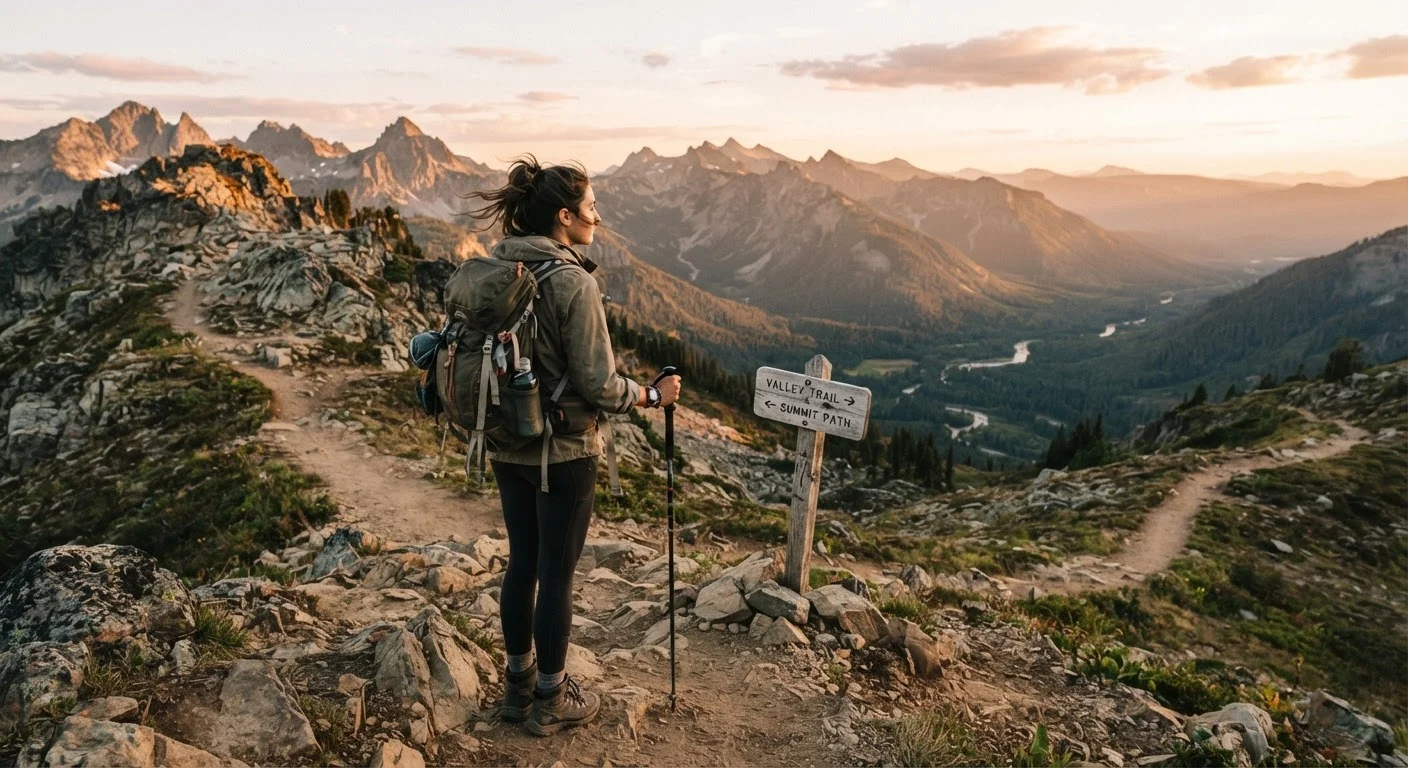
Certain activities - remote hiking, road trips in unfamiliar regions, or dining at restaurants geared toward couples and families - carry practical or social friction when done solo.
The Emotional Reality: Freedom, Loneliness, and Everything Between
Solo travelers frequently cite loneliness as their biggest unexpected challenge - not danger, not logistics. Extended solo trips can be socially thin, particularly in destinations where locals don't interact easily with visitors or where language barriers are significant.
That said, solo travel also tends to push travelers into social situations they'd skip in a group. Eating alone at a restaurant counter, joining a walking tour, or accepting an invitation from a hostel common room - these moments rarely happen when you already have company. Many solo travelers report that their most meaningful travel connections happened precisely because they were alone.
25-100%
Typical single supplement surcharge range
Hotels and cruise operators commonly charge solo travelers this premium above the per-person double-occupancy rate, depending on the property and season.
~70%
Solo travelers who report unexpected social connection
Surveys by solo travel communities consistently find that a large majority of solo travelers say they made meaningful connections they wouldn't have made in a group.
The practical takeaway: extended solo trips almost always involve some low periods. Planning for them - building in calls home, choosing sociable accommodation styles when needed, or structuring itineraries around group activities - matters more than pretending the dips won't happen.
If you're weighing solo travel against joining a structured group, the group tours vs. independent travel comparison lays out those trade-offs honestly. And if a hybrid approach appeals - joining a tour while traveling solo - see what touring solo inside a group package actually involves.
For a structured look at pre-trip planning, the solo trip planning hub and the safety planning guide are practical starting points for building an itinerary that accounts for both freedom and risk.