
What Solo Safety Planning Actually Involves
Solo travel safety planning is not about anticipating every possible disaster - it's about reducing the number of situations where you have no good options. The goal is to build enough of a safety net that you can handle disruptions calmly, without derailing your trip or your finances.
Most solo travelers already understand basics like keeping copies of their passport and sharing their itinerary with someone at home. What's harder to navigate is knowing which steps genuinely reduce risk versus which ones add friction without much payoff. This reference breaks it down by category.
For a deeper look at where experience can breed complacency, see common safety errors solo travelers repeat.
The Planning Layers That Matter Most
Think of solo travel safety in three concentric layers: before you leave, during transit, and at your destination. Each layer has specific, high-leverage actions.
Before Departure
- Register with your government's traveler registration program (e.g., the U.S. State Department's STEP program). This is free and ensures embassies can contact you in a genuine emergency.
- Check official travel advisories for your destination - not travel blogs, but your government's foreign affairs or state department website. Advisories are updated regularly and reflect current conditions.
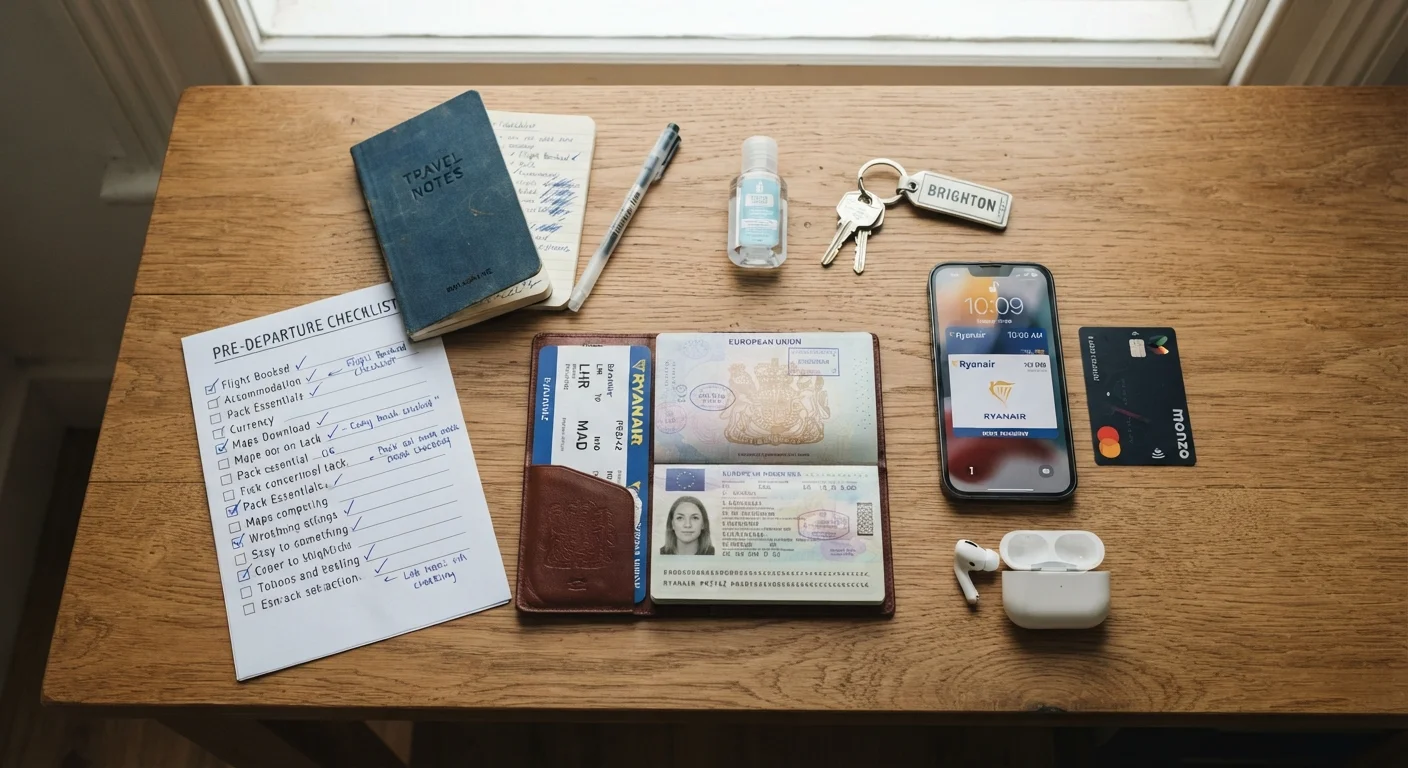
- Document everything digitally: passport, visa, travel insurance policy, emergency contacts. Store copies in a secure cloud folder, not just on your phone.
- Arrange travel insurance appropriate for your activities. Understand what's covered before you need it. See what coverage actually matters for solo travelers for a practical breakdown.
In Transit
- Keep one card and some local cash in a separate location from your main wallet.
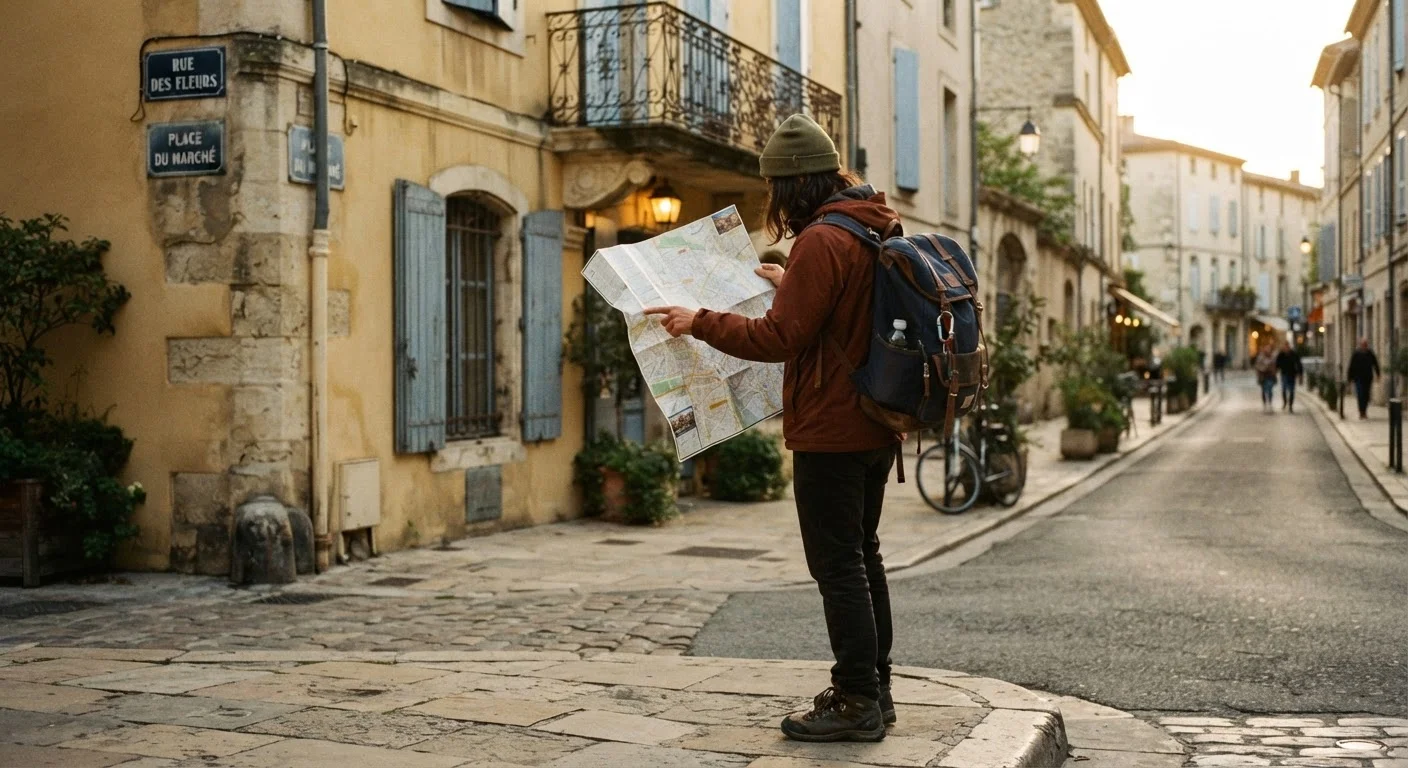
- Pre-download offline maps for every city you're passing through - not just your final destination.
- Know the local emergency number for each country you're visiting. It is not always 911.
At Your Destination
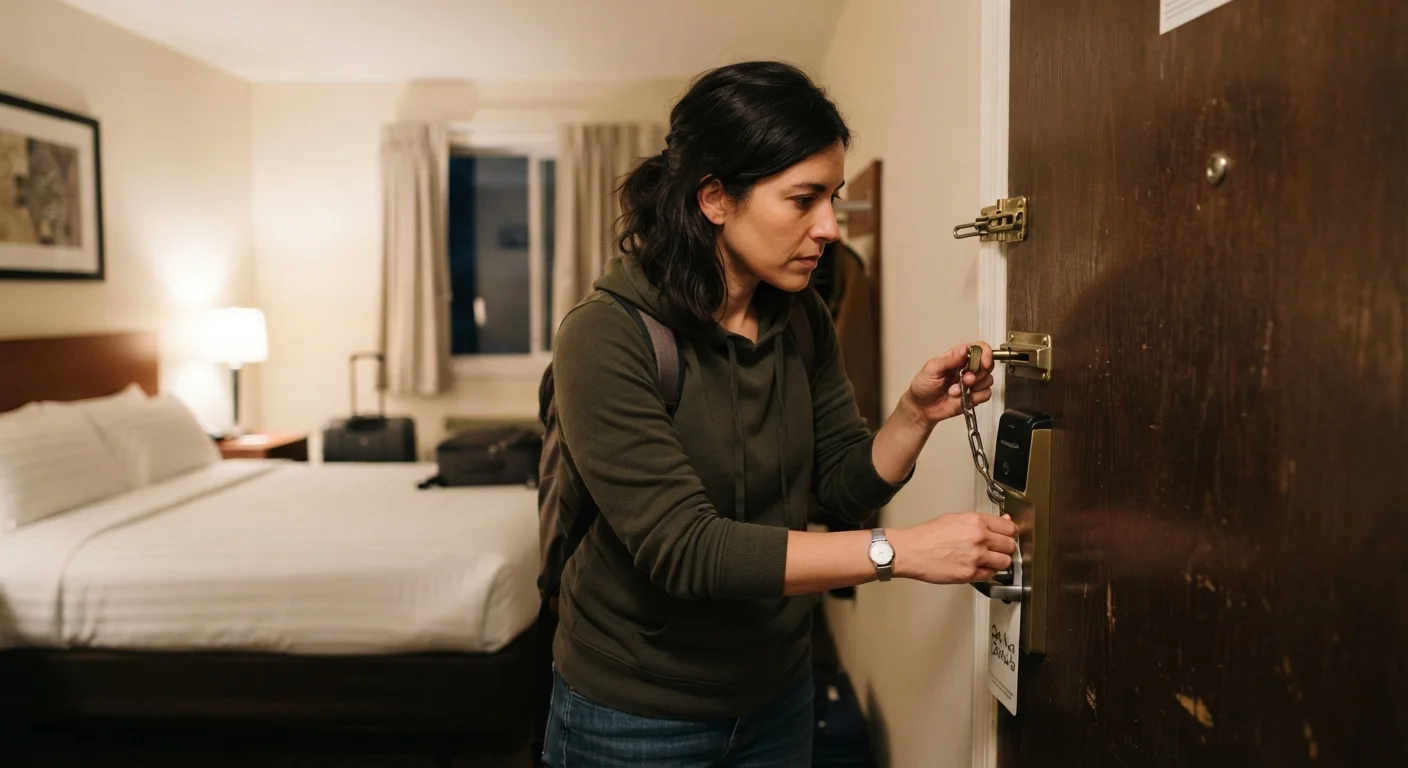
- Orient yourself before dark on arrival day. Walk the immediate area while it's still light and you're less fatigued.
- Identify the nearest pharmacy, hospital, and your country's consulate or embassy.
- Trust your read of a situation. If a neighborhood or interaction feels off, you don't need a logical reason to leave.
Safety Planning Is Not the Same as Fear-Based Planning
Effective safety preparation is logistical, not emotional. It's about having information and backup options - not imagining worst-case scenarios at every turn. If you find that safety concerns are preventing you from booking a trip at all, it may be worth reading Solo Travel Safety Myths - some widely shared fears are not supported by evidence, while other genuine risks get underplayed.
Use the pre-departure safety checklist to make sure nothing in the first layer gets skipped under trip-planning pressure.
Where Budget Decisions Intersect With Safety
Solo travelers on tight budgets face genuine trade-offs. Cheaper accommodation in an unfamiliar area, skipping travel insurance to save money, or relying entirely on free Wi-Fi for navigation all carry real risk implications - not hypothetical ones.
Travel Advisory
An official government assessment of safety conditions in a foreign country or region. Advisories are issued by foreign affairs or state department agencies and are updated in response to current events, not on a fixed schedule.
STEP Program
The Smart Traveler Enrollment Program, run by the U.S. State Department. Free enrollment allows the nearest U.S. embassy or consulate to contact Americans during emergencies abroad.
Travel Insurance
A policy that can cover trip cancellations, medical expenses, evacuation, and lost belongings while traveling. Coverage terms vary significantly between providers and policy tiers.
Consulate
A government office located in a foreign city (distinct from an embassy, which is usually in the capital) that provides services to its country's citizens abroad, including emergency passport assistance.
Offline Map
A downloaded map that functions without an internet connection. Essential for navigation in areas with poor connectivity or when avoiding costly data roaming charges.
The key is identifying which cost-cuts are genuinely low-risk and which ones remove a safety layer you'll miss if something goes wrong. Solo Travel Safety on a Budget maps out exactly where frugality and safety genuinely conflict.
For the broader financial strategy behind solo travel, Budget Solo Travel covers money-saving tactics that don't require compromising your security.
Finally, if you want an honest account of the real risk-reward calculus of going it alone, The Real Trade-Offs of Traveling Solo lays out the full picture without minimizing the downsides.
Travel conditions, advisories, and entry requirements change frequently. Always verify current information with official government sources and your travel insurance provider before departure.