

Why Experience Doesn't Always Equal Safety
There's a pattern that repeats across solo travel communities: the more trips someone has under their belt, the more likely they are to skip steps they once took seriously. A first-time solo traveler meticulously saves offline maps, registers with their embassy, and memorizes their accommodation address. By their fifth trip, half of those habits have quietly disappeared.
This isn't recklessness - it's a predictable psychological response. Repeated uneventful travel reinforces the belief that precautions were unnecessary in the first place. The problem is that nothing went wrong in part because those precautions were in place. For a grounded baseline on what actually matters, see what safety considerations genuinely deserve your attention.
The mistakes below aren't beginner errors. They're the ones experienced solo travelers repeat - often without realizing it.
Not telling anyone your specific whereabouts or daily plans.
Why it happens: Experienced travelers often feel this step is excessive after dozens of uneventful trips. They may also want the freedom of spontaneity without checking in.
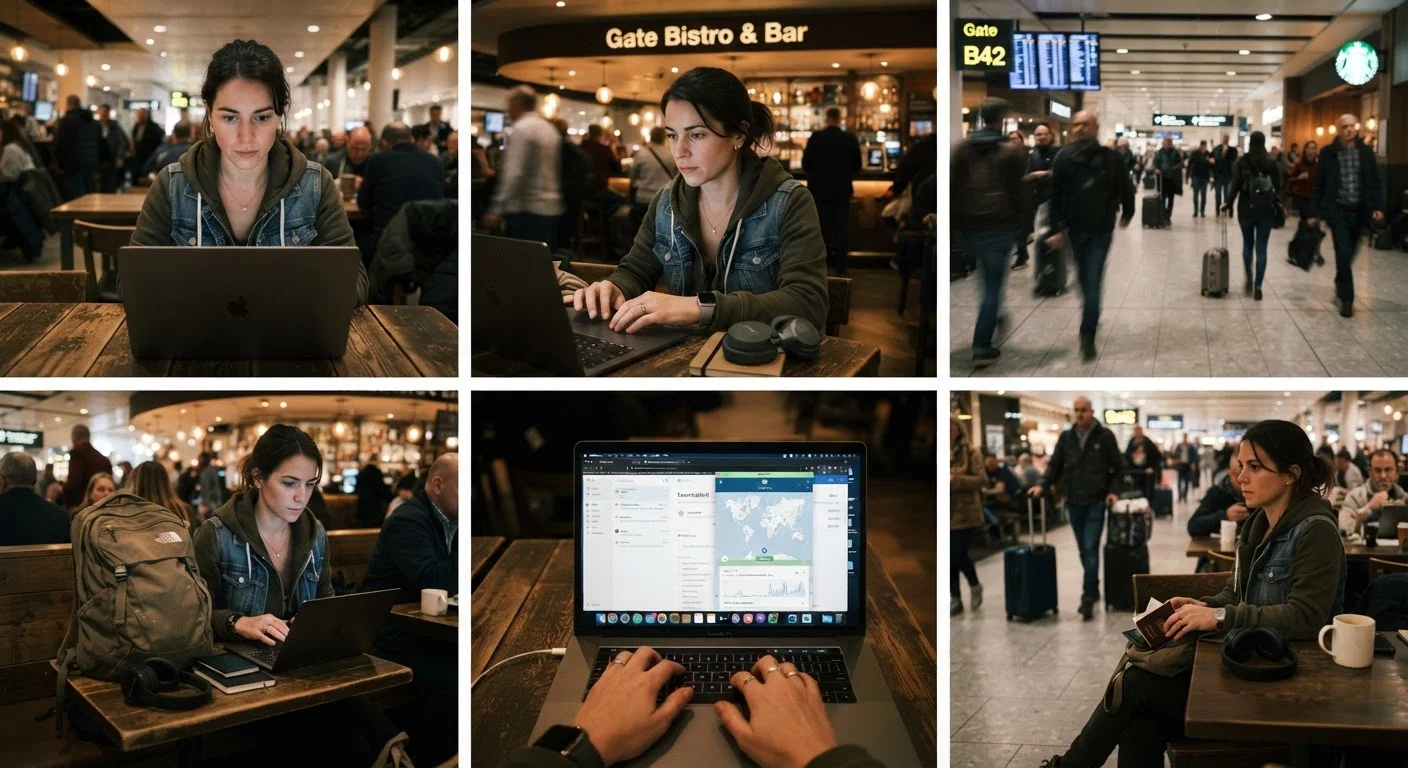
Relying entirely on a smartphone for navigation, communication, and emergency information.
Why it happens: Smartphones handle everything seamlessly at home, so travelers assume the same reliability abroad. Battery failure, theft, SIM issues, and dead zones are underestimated until they happen.
Assuming existing travel insurance covers the entire trip without reading the policy.
Why it happens: Travelers often purchase insurance quickly and file it away, assuming broad coverage. Many policies exclude adventure activities, certain destinations, or specific circumstances.
Tuning out situational awareness in familiar-feeling environments.
Why it happens: Tourist-heavy or well-traveled areas can feel inherently safe, and seasoned travelers project confidence in ways that lower their own guard. Comfort breeds distraction.
Skipping official travel advisory checks because the destination 'feels safe.'
Why it happens: Repeat visitors to a region often rely on personal familiarity rather than current conditions. Conditions can shift quickly due to political events, health situations, or natural events.
Ignoring early warning signs in social situations to avoid seeming rude.
Why it happens: Social norms around politeness can override instinct, especially for travelers who are experienced enough to feel confident managing most situations.
The Habits That Actually Break the Pattern
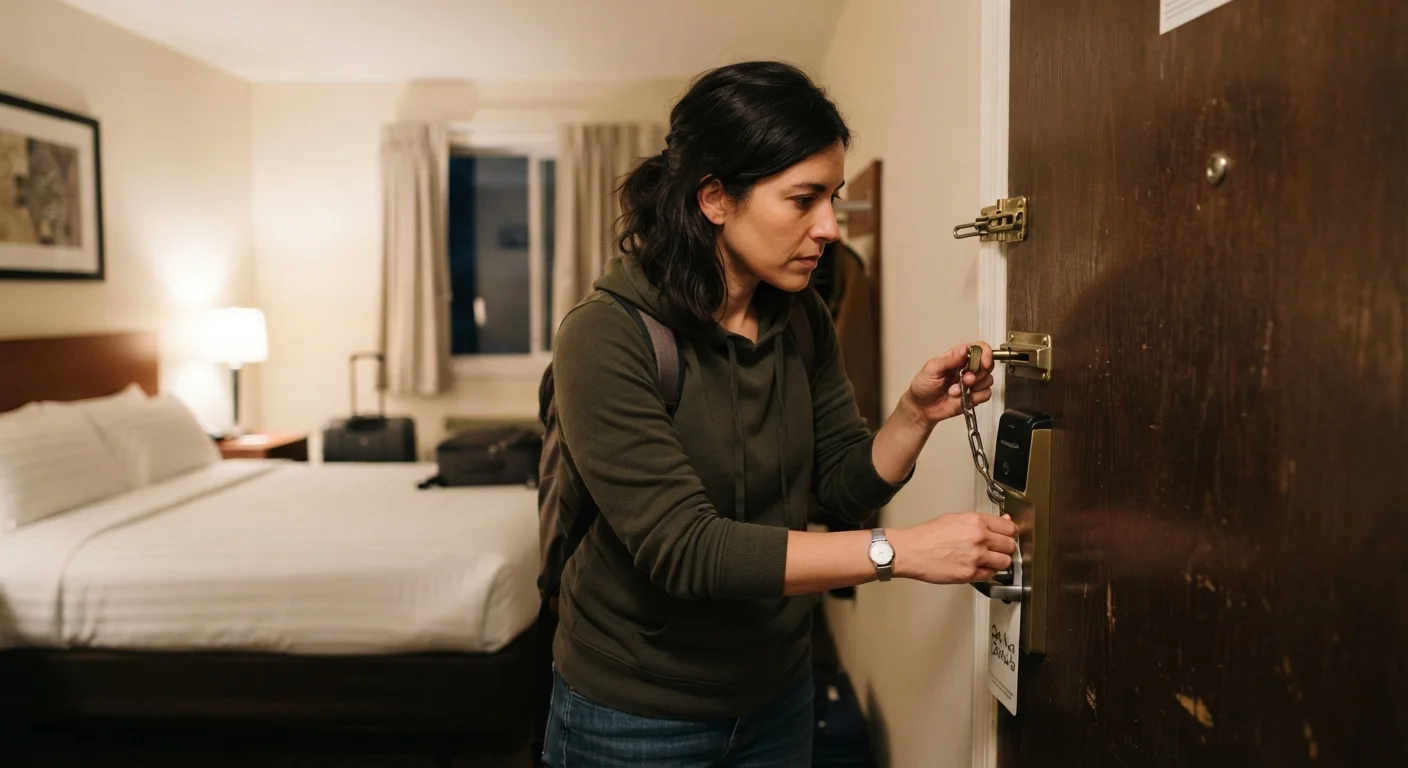
Correcting these mistakes doesn't require overhauling how you travel. It requires building a short, consistent pre-departure routine that you run before every trip - regardless of how familiar the destination feels.
1 in 3
Solo travelers who skip itinerary sharing
Survey data from travel safety researchers consistently finds that a significant portion of experienced solo travelers no longer share detailed plans with home contacts, citing habit erosion over time.
72 hrs
Pre-departure advisory check window
Travel safety professionals generally recommend checking official government travel advisories within 72 hours of departure, not weeks earlier when conditions may have shifted.
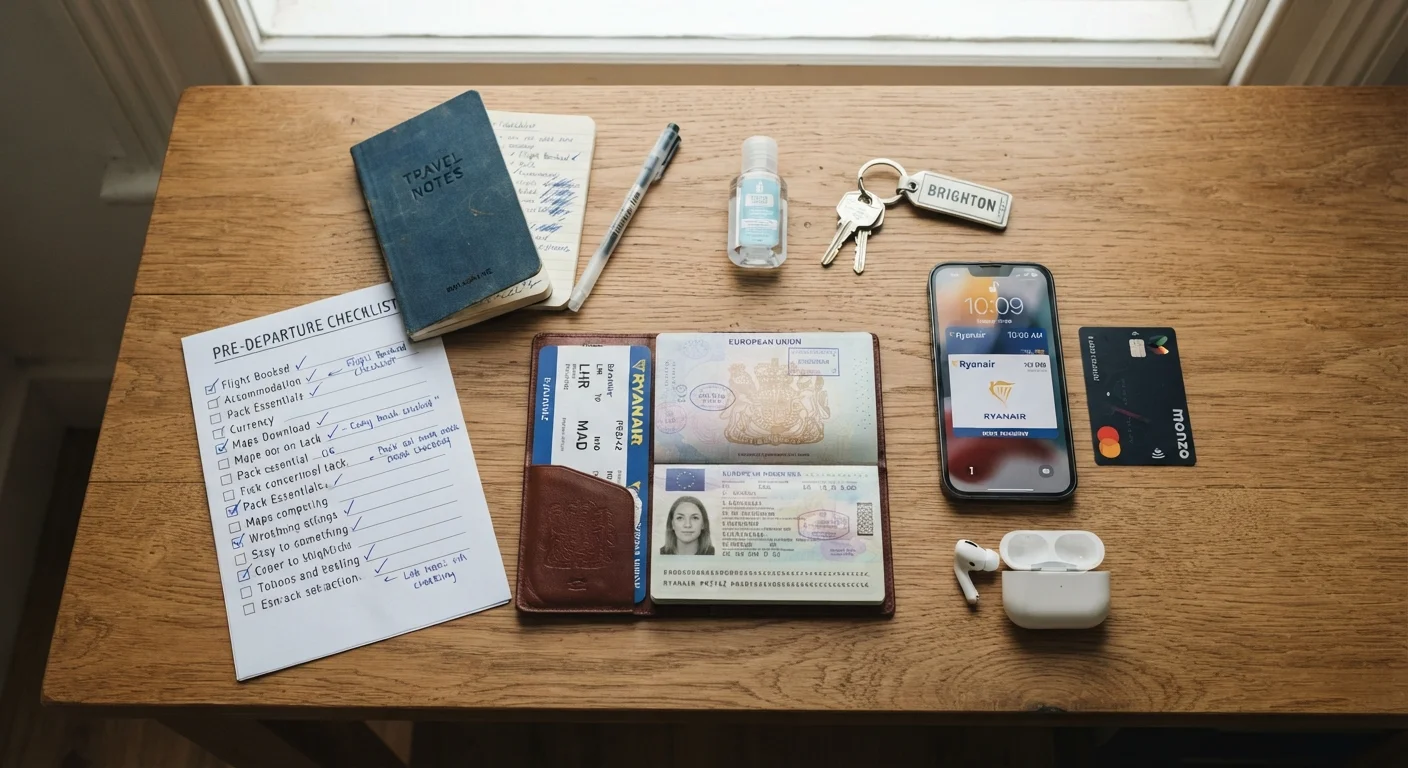
A practical framework: before departure, confirm that one trusted contact has a copy of your itinerary, accommodation details, and emergency contacts. Download offline maps and save your accommodation address in a format accessible without internet. Verify that your travel insurance covers the specific activities you're planning - not just generic medical emergencies. Check official government travel advisories (such as the U.S. Department of State's travel.state.gov) within 72 hours of departure, not weeks earlier when conditions may have changed.
On the ground, trust friction over fluency. When something feels off - a route, a person, a situation - treat that discomfort as information worth acting on, not a social awkwardness to push through. Overconfidence tends to erode exactly this instinct.
Don't Mistake Comfort for Safety
A destination feeling familiar - or a route you've walked before - is not the same as that environment being low-risk. Situational conditions change: local events, seasonal crowding, and opportunistic crime patterns shift in ways that past experience won't predict. Apply consistent awareness regardless of how well you think you know a place.
If you're newer to solo travel and want to build these habits from the ground up, this introduction to solo travel safety covers the foundational principles. And for scenarios where preparation wasn't enough and something has already gone wrong, this emergency preparedness framework gives you a response plan before crisis hits.
Confidence in solo travel is earned - but it should never replace preparation. The two aren't in conflict. The travelers who stay safest over the long run are those who treat both as non-negotiable.