
The Solo Traveler's Food Problem (and the Real Solution)
Feeding yourself solo abroad is genuinely different from eating as part of a group. Restaurants charge per dish, not per person - a shared feast that costs one traveler $8 costs another $8 too. But when you're alone, that single entrée is the meal, with no shared appetizers or split bottles to spread cost across. The result: solo travelers often overspend on food relative to what they actually consume, or under-eat to compensate.
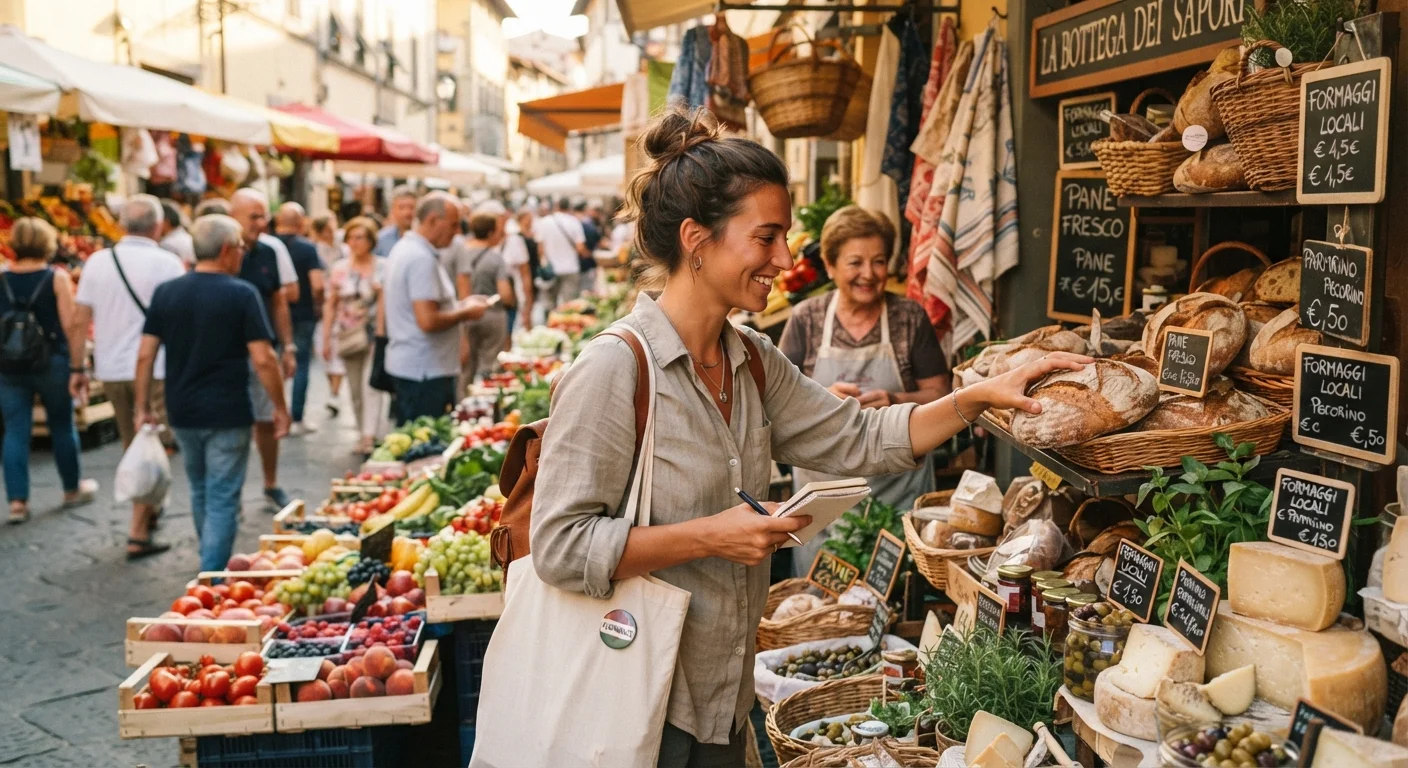
The fix isn't austerity. It's building a flexible, layered approach that uses different food sources for different moments - markets for daily staples, street stalls for cultural immersion, and sit-down restaurants for the occasional experience worth paying for. For a broader look at how dining choices shape daily spend, see how street food compares to restaurants financially.
Quick Wins You Can Use From Day One
You don't need to restructure your entire trip to eat better for less. A few immediate habit shifts make a measurable difference starting your first full day in-country.
Staying Safe While Eating Adventurously
Food safety anxiety stops many solo travelers from eating where locals actually eat - which is usually exactly where the best value is. The risks are manageable with straightforward observation: look for stalls with high turnover (food sitting for hours is riskier than food cooked to order), visible cooking temperatures, and a queue of locals. These aren't foolproof signals, but they're reliable starting points.
If you do get sick, having travel health insurance that covers medical visits abroad is non-negotiable. That's a cost category solo travelers should never cut regardless of how tight the food budget is. For more ways to stretch your overall travel dollar responsibly, the underrated money-saving habits experienced solo travelers use are worth reviewing before departure.
Thinking About Food as Part of Your Overall Budget
Food is typically the second or third largest daily expense after accommodation and transport. Treating it as a fixed, uncontrollable cost is a mistake - it's one of the most flexible line items in any travel budget. Tracking what you actually spend for two or three days at the start of a trip lets you calibrate quickly rather than guessing.
The Daily Travel Costs hub covers how to manage food alongside transport and activity spending for a complete picture. And if you want to see how families approach the same challenge at scale, family food budgeting strategies offer useful contrast - some translate directly, others highlight how much easier solo eating actually is. For a deeper dive into managing food costs specifically, controlling food costs without eating badly on the road covers market shopping and meal timing in practical detail.