

Why Travel Insurance Hits Differently When You're Alone
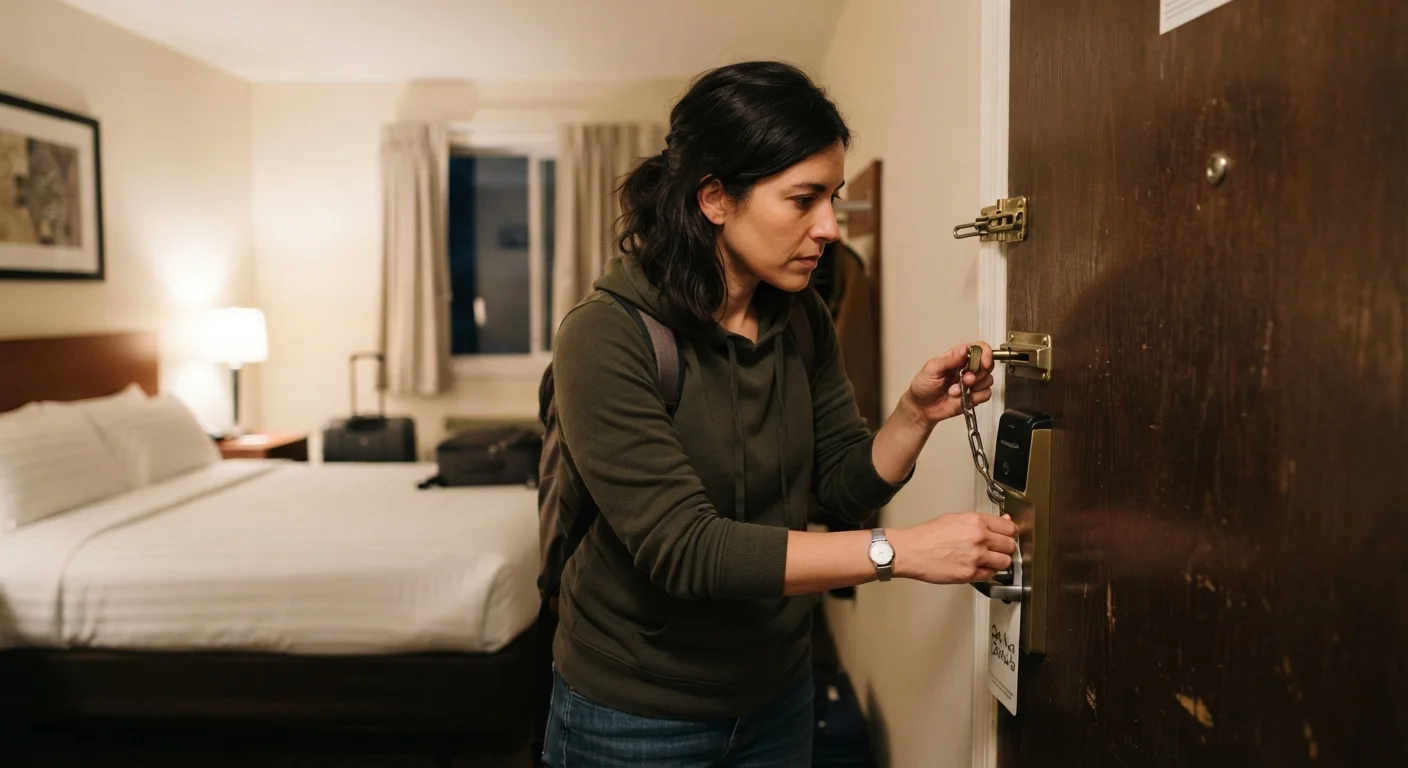
When something goes wrong on a group or family trip, there are people around to help navigate - calling ahead, translating, covering costs temporarily. Solo travelers don't have that buffer. A medical emergency, a missed connection, or a stolen bag becomes entirely your problem to solve, often in an unfamiliar place with no support on the ground.
That reality changes the calculus on insurance. It's not about covering every possible inconvenience - it's about making sure the high-stakes scenarios don't become financially catastrophic. For a fuller picture of the cost pressures solo travelers face, see why solo travel costs more and how to close the gap.
Coverage That Actually Earns Its Premium
Not all policy components carry equal weight. These are the areas where a solo traveler's money is genuinely well spent:
Emergency Medical and Evacuation
This is non-negotiable. Medical care abroad - particularly in the US, Western Europe, Australia, or Japan - can run into tens of thousands of dollars for a hospitalization. Emergency medical evacuation, which transports you to a facility capable of treating your condition, can cost well over $100,000 depending on location. Standard health insurance in the US typically provides limited or no international coverage. Look for policies with at least $100,000 in medical coverage and $300,000 or more in evacuation coverage.
Trip Interruption
This reimburses prepaid, non-refundable expenses if your trip is cut short due to a covered reason - illness, a family emergency at home, or an event at your destination. For solo travelers, this is more useful than pure trip cancellation coverage because it also covers the cost of getting you home unexpectedly.
24/7 Emergency Assistance
This isn't just a helpline. Quality assistance services coordinate with local hospitals, arrange evacuations, communicate with your home contacts, and help replace lost travel documents. When you're alone and incapacitated, this function is operationally critical. Confirm it's included - not just listed as a feature - and that it operates in the regions you're visiting.
$100,000+
Typical cost of emergency medical evacuation
Emergency air medical transport costs vary widely by distance and destination, but commonly exceed $100,000 for intercontinental evacuations, according to industry estimates.
4-10%
Travel insurance as share of trip cost
Standard single-trip travel insurance policies are generally priced at 4-10% of total insured trip cost, depending on age, destination, and coverage level.
50-75%
CFAR reimbursement rate on non-refundable costs
Cancel for Any Reason policies typically reimburse only a portion of non-refundable trip costs, while adding substantially to the base premium.
Add-Ons That Rarely Justify the Cost on a Tight Budget
Understanding where premiums go to waste helps you build a leaner, smarter policy. Here are the add-ons most budget solo travelers can skip:
Cancel for Any Reason (CFAR)
CFAR typically adds 40-50% to your base premium and reimburses only 50-75% of non-refundable costs. Unless your trip involves substantial upfront, non-refundable costs and you have a genuinely uncertain schedule, the math rarely works in your favor.
Baggage and Personal Effects
Coverage limits are often low, exclusions are numerous, and the claims process can be slow. If your home or renters insurance already extends to travel, you may be paying twice. Check what you already have before adding this.
Travel Delay
Useful in theory, but coverage often only activates after a 6-12 hour delay, and daily reimbursement caps may not cover costs in expensive airports. If you're booking flexible accommodations and traveling light, the risk exposure here is manageable without insurance.
How to Size a Policy to Your Actual Trip
A budget-appropriate policy isn't the cheapest one - it's the one matched to your real risk profile. Consider these factors before purchasing:
- Destination healthcare quality: If your destination has accessible, affordable public hospitals (many parts of Southeast Asia and Latin America), your evacuation risk is lower than destinations where care is scarce.
- Non-refundable spend: The higher your locked-in costs - multi-leg flights, prepaid tours, accommodation deposits - the more trip cancellation coverage becomes worth carrying.
- Trip length: Longer trips statistically increase the probability something will go wrong. A two-week international trip warrants more coverage than a long weekend.
- Pre-existing conditions: Many standard policies exclude these unless you purchase a waiver at or near the time of your initial trip deposit. This is a significant gap for travelers managing chronic health conditions.
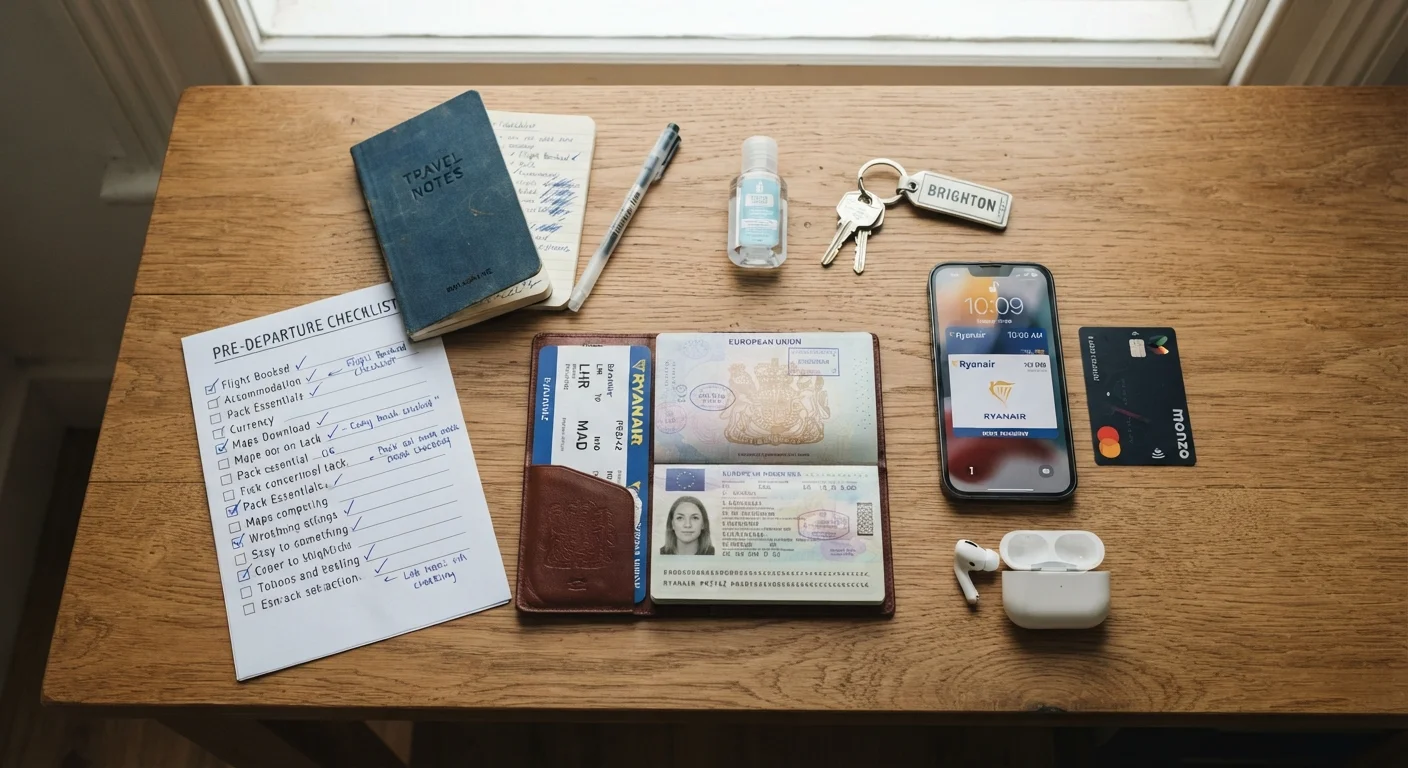
For a pre-departure checklist covering insurance alongside finances and safety prep, see the pre-departure budget checklist for solo travelers.
Pre-Existing Condition Waivers: Act Quickly
Most policies that offer pre-existing condition waivers require you to purchase coverage within a set window - often 14-21 days of your initial trip deposit. If you have an ongoing health condition and wait until closer to departure, you may lose eligibility for the waiver entirely. Check the waiver deadline before you finalize any policy purchase.
Reading the Policy Before You Buy
The policy document is the contract - not the marketing summary page. Before purchasing, verify these specifics:
- What counts as a covered reason for cancellation or interruption (many policies use a defined list, not open-ended coverage)
- Whether your planned activities (hiking, scooter rental, adventure sports) are excluded under the policy's hazardous activity clauses
- The process and documentation required to file a claim - a poorly documented claim is often a denied one
- Whether the insurer pays providers directly or requires you to pay out-of-pocket and seek reimbursement later
Solo travel safety considerations extend beyond insurance - solo travel safety planning covers what else genuinely warrants your attention before you leave.
This article is for general informational purposes only and does not constitute personalised financial, legal, or insurance advice. Policy terms, coverage limits, and exclusions vary significantly between providers. Always read your policy documentation carefully and consult a licensed insurance professional if you have questions about your specific situation. Verify all entry requirements, advisories, and insurance requirements with official government sources and your insurer before travelling.