
Why Food Is One of the Most Controllable Family Travel Expenses
Accommodation and flights are largely locked in once you book. Food is different - it's the one major travel expense families renegotiate three times a day. For a family of four eating out every meal, costs can easily run $150-$250 per day in many popular destinations. Multiply that over a ten-day trip and you're looking at a line item that rivals your flights.
The good news: food spending responds dramatically to intentional habits. Families who travel frequently learn this early. They don't deprive themselves - they shift how and where they eat rather than how much they enjoy it. For a broader look at where family travel budgets actually go, see The Real Cost of a Family Vacation.
Book accommodations with a kitchen or kitchenette whenever possible.
Self-catering breakfast and lunch - even just a few times per week - dramatically reduces per-day food spend without sacrificing enjoyment. Apartment rentals and extended-stay hotels often cost only marginally more than standard rooms, yet the kitchen access pays for itself quickly when feeding a family.
Shift your main hot meal to lunchtime instead of dinner.
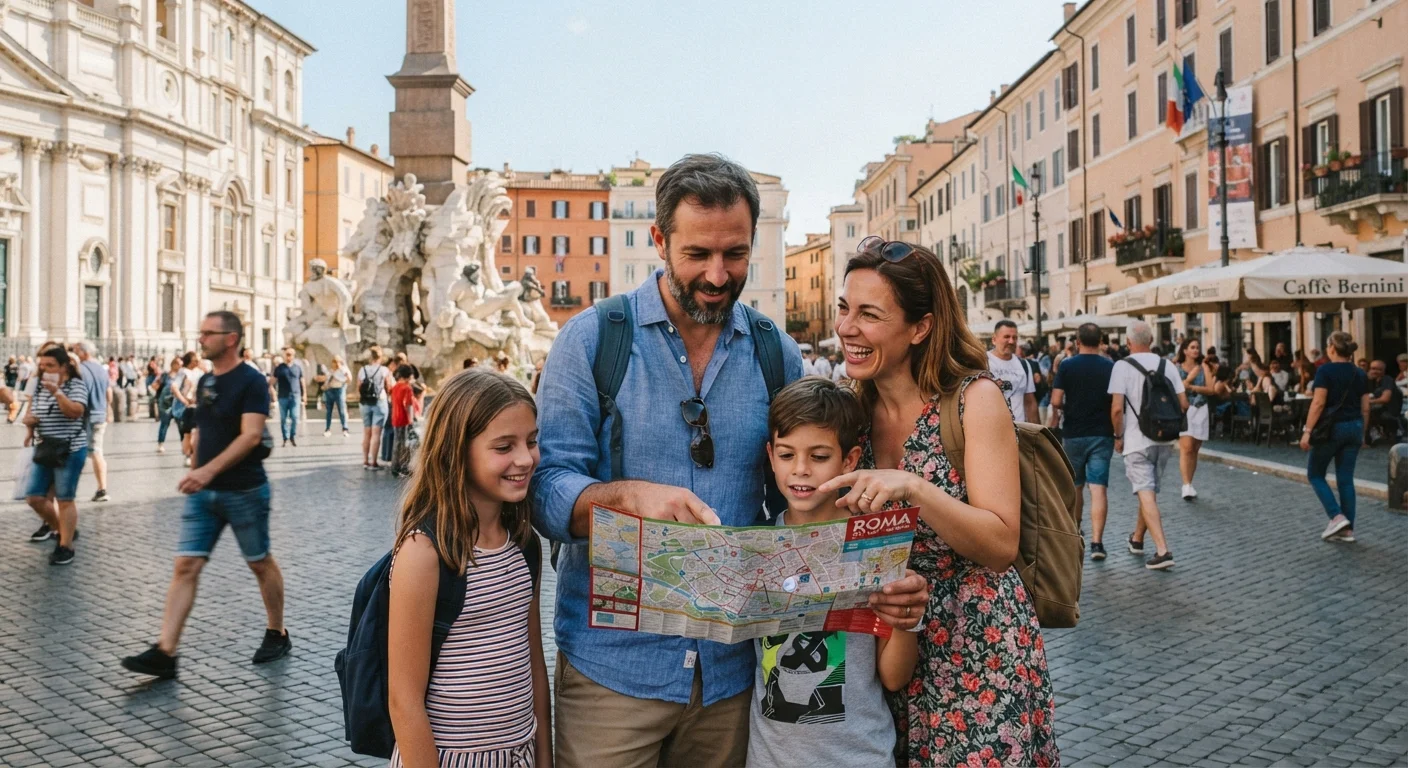
Many restaurants - especially in Europe and Latin America - offer a set lunch menu (often called a 'prix fixe' or 'menú del día') at significantly lower prices than the same dishes served at dinner. This is one of the most underused strategies for families eating out regularly.
Build and carry a portable family snack kit every day.
Hungry kids generate expensive impulse decisions - a €4 airport cookie, a $6 theme park juice. A small bag stocked with fruit, nuts, crackers, and water prevents the mid-afternoon meltdown that sends families into the nearest (overpriced) café.
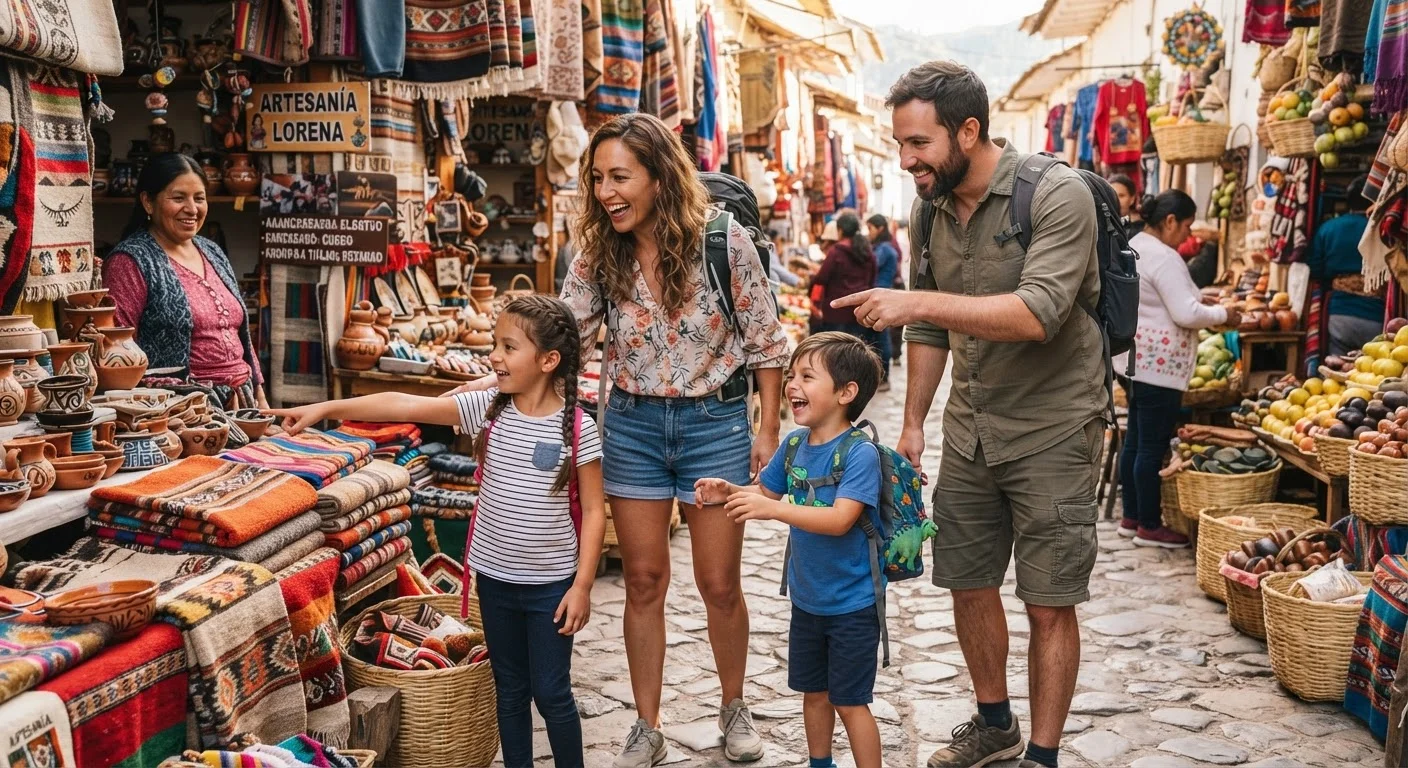
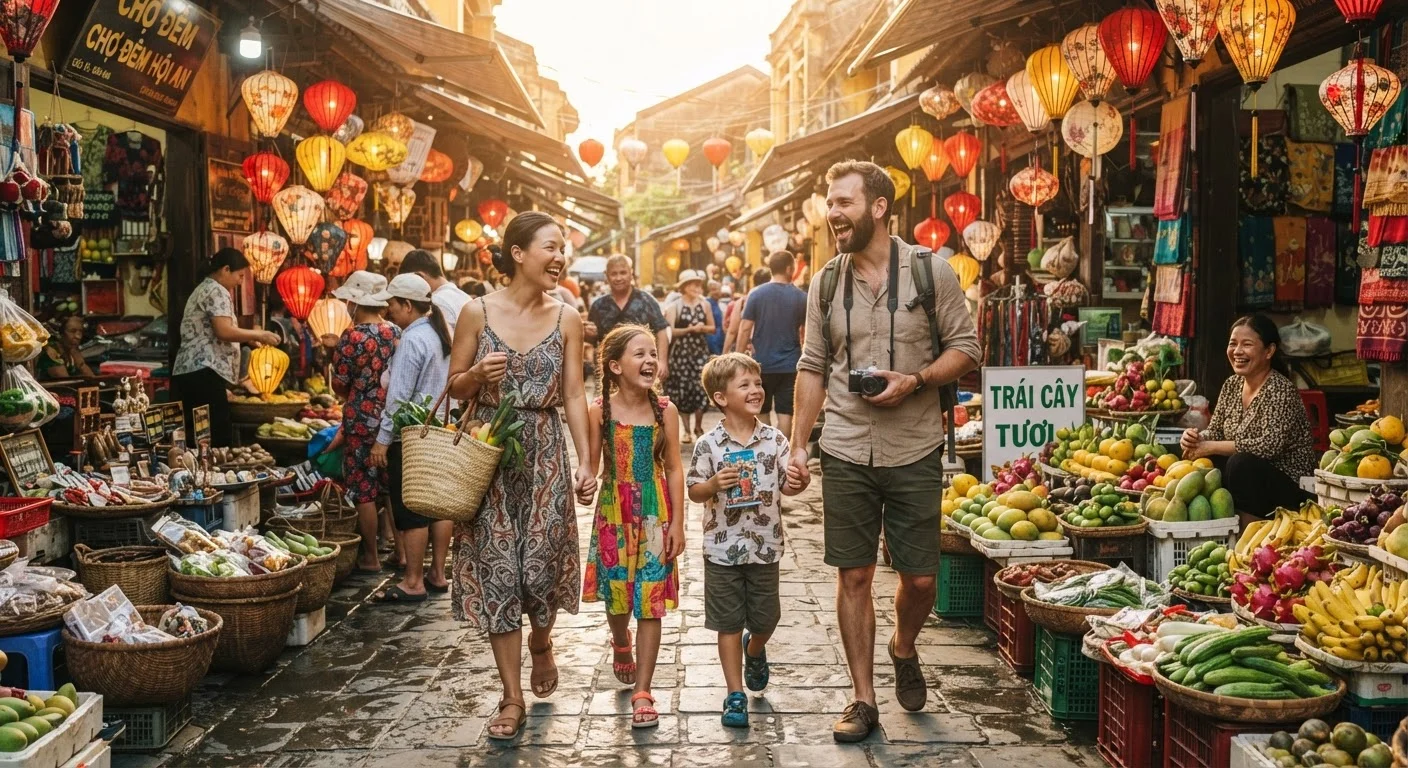
Shop at local grocery stores and markets rather than convenience stores near tourist areas.
Price differences between a neighborhood supermarket and a convenience store in a tourist zone can be enormous - sometimes double or triple for identical products. Local markets also expose families to regional foods kids might actually enjoy.
Front-load meal prep on long travel and transit days.
Transit days - airports, train stations, long drives - are when families are most vulnerable to expensive convenience food. Arriving at a terminal hungry with tired kids is a recipe for overspending. Packing a substantial meal from home or the hotel before departure changes the dynamic entirely. See also: Eating at Airports Without Paying Airport Prices.
Use the one splurge meal rule to stay on budget without feeling deprived.
Rather than trying to make every meal cheap, experienced families designate one meal per day - usually dinner - as the splurge, and keep the other two lean. This approach satisfies the desire for memorable dining experiences while keeping the overall daily food cost manageable.
The Practical Playbook: What Experienced Family Travelers Actually Do
The strategies below aren't theoretical - they're the habits families develop after a few trips of watching food costs spiral. Some require a little planning before you leave home; others are decisions you make in the moment.
For guidance on building a realistic food budget before departure, Building a Family Travel Budget That Doesn't Collapse Mid-Trip walks through exactly how to account for every food-related cost, from restaurant meals to those inevitable snack runs.
Eating Well Without Overspending: The Bigger Picture
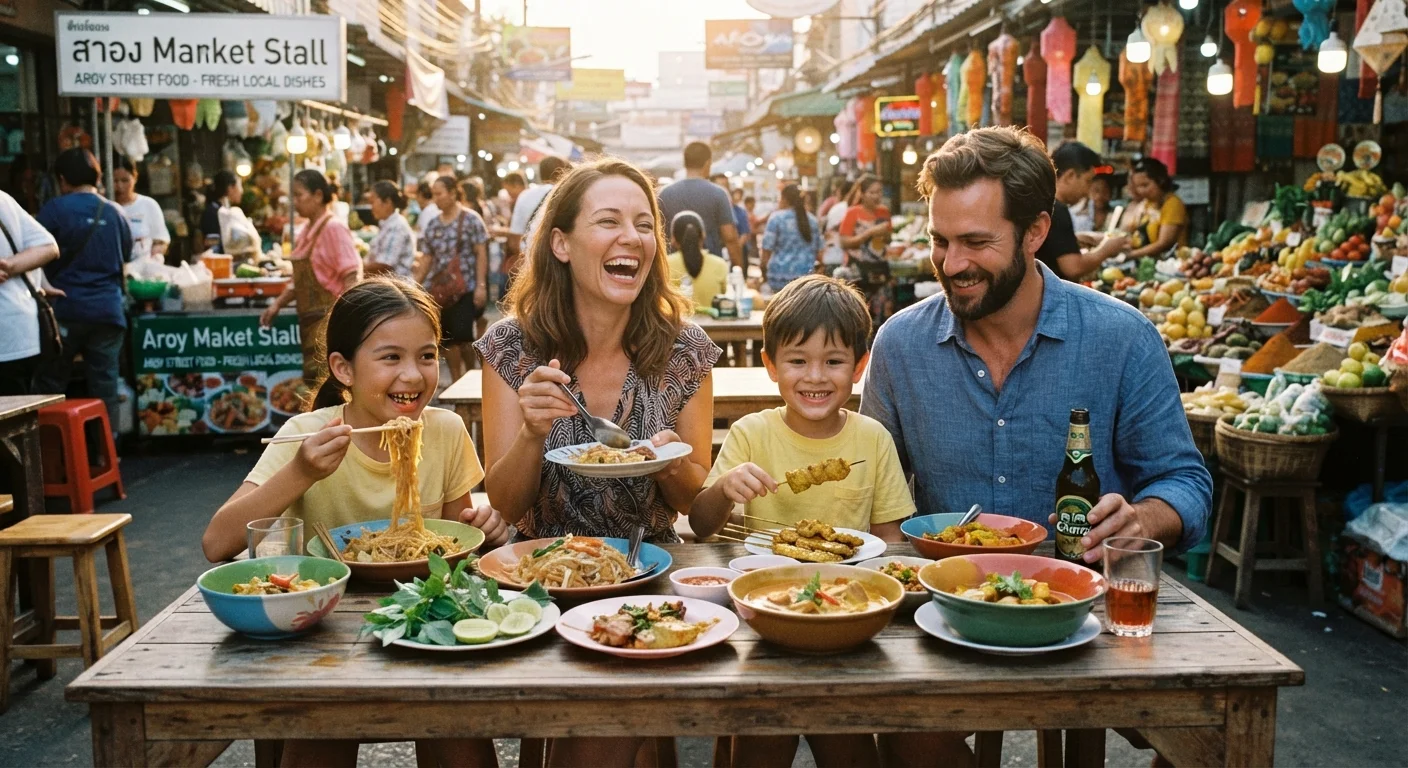
Saving on food doesn't mean eating badly. In fact, many of the most memorable food experiences on family trips happen at market stalls, small neighborhood spots, and self-catered breakfasts on an apartment balcony - not at tourist-district restaurants with laminated picture menus.
The key mindset shift is treating food as part of the experience, not just fuel. When kids help pick produce at a local market or assemble their own lunch from grocery store finds, that becomes a travel memory in itself. For destination-specific ideas on where family food costs are naturally lower, Destinations Where a Family of Four Can Travel Affordably is worth a read before you choose your next trip.
And if your family travel budget needs a full audit - not just the food line - Travel with Kids on a Tight Budget covers the most common spending traps and how to redirect that money toward experiences that matter more.
Note: Food prices, market availability, and accommodation amenities vary significantly by destination and season. Always verify local conditions before your trip, and treat any cost figures in this article as general illustrations rather than guarantees.