
What Situational Awareness Actually Means for Travelers
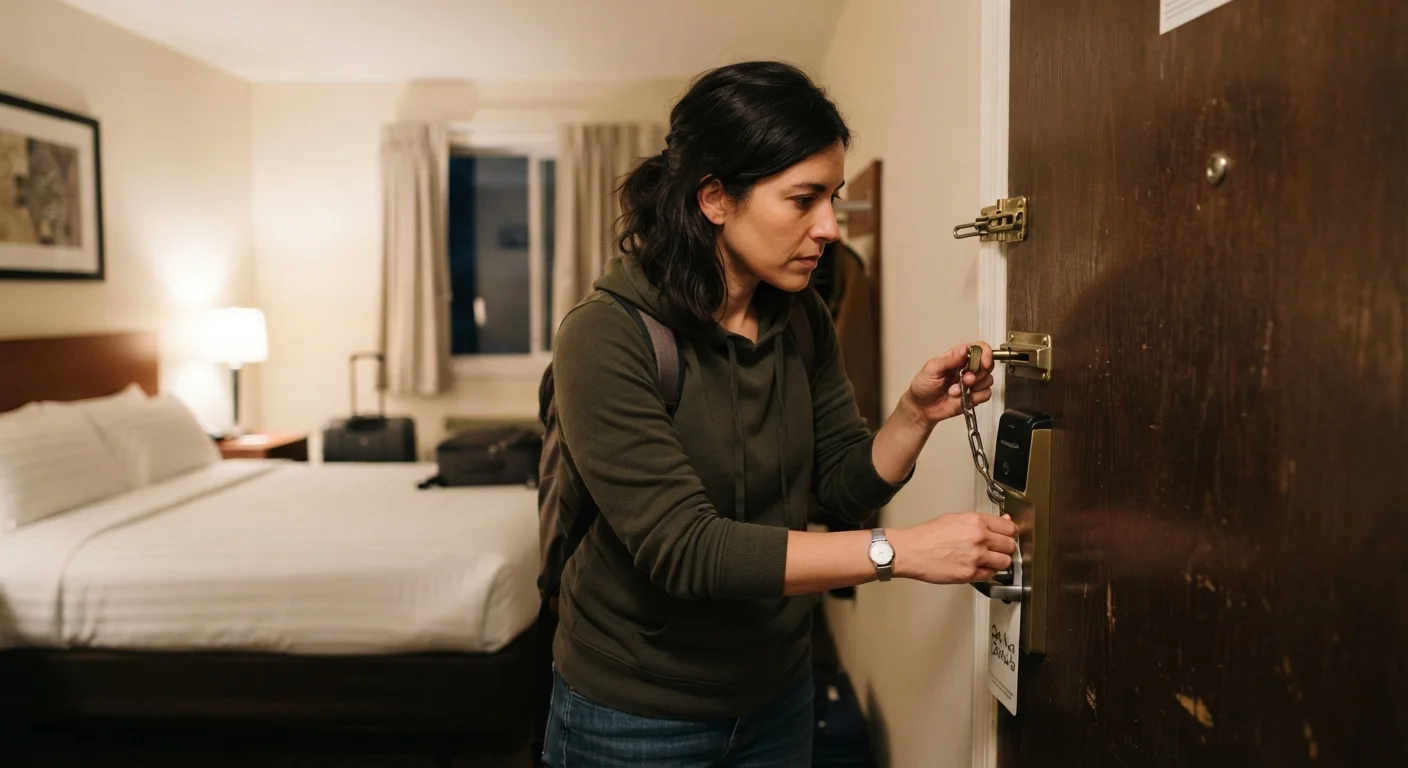
At its core, situational awareness means knowing what is going on around you well enough to make good decisions in real time. For a solo traveler, that translates to three practical things: noticing your physical environment, reading the people in it, and having a rough sense of what you'd do if something changed.
None of that requires hypervigilance. It requires showing up present rather than checked out. The traveler absorbed in their phone while walking through an unfamiliar train station is not situationally aware. The traveler who glanced at the map before leaving the hotel, keeps their bag positioned correctly, and briefly scans the platform when they arrive - that person is.
This matters because most crime targeting travelers is opportunistic. Criminals are not typically planning sophisticated operations against specific individuals. They are scanning for easy targets: people who appear distracted, lost, or unaware of what is near them. Understanding this dynamic is the starting point. See why solo travelers get targeted for a fuller breakdown of how opportunistic selection actually works.
Awareness Is Not the Same as Suspicion
Practicing situational awareness does not mean treating everyone around you as a potential threat. The vast majority of people you encounter while traveling have no interest in harming you. The skill is about calibration - noticing what is actually present rather than projecting fear onto neutral situations. A relaxed, observant traveler is more effective than an anxious one.
The Three Layers of Awareness Worth Building
Think of situational awareness as operating at three levels simultaneously - each one feeds the next.
1. Environmental awareness
This is the physical layer: Where are the exits? Is this street getting quieter or busier? Is there adequate lighting? You build this layer primarily through pre-arrival research - understanding neighborhood contexts, transit layouts, and local norms before you arrive. The Solo Trip Planning hub covers how to integrate this into your preparation without turning it into a research spiral.
2. Social awareness
This is the people layer: Who is paying attention to you, and why? Does someone's behavior feel incongruent with the setting? Are there signs of an orchestrated distraction? You don't need to treat every person as a threat - most aren't. You need to notice when something is off relative to the baseline of that environment. Navigating unfamiliar cities alone offers concrete strategies for reading social dynamics in new urban environments.
3. Self-awareness
Your own state matters. Fatigue, hunger, unfamiliar alcohol tolerance, or emotional stress all degrade your ability to notice what is happening around you. Experienced solo travelers build in recovery time precisely because they know a tired brain makes poorer real-time decisions.
Practice Awareness Before You Travel
You can build this habit at home. Next time you're in a busy space - a grocery store, a transit platform - take a deliberate 30-second scan: note the exits, count the people near you, and identify anything that seems out of place. Doing this regularly in low-stakes environments makes it automatic when the environment is unfamiliar.
Practical Habits That Build Awareness Without Anxiety
Awareness is a practiced skill, not a personality type. These habits are concrete starting points:
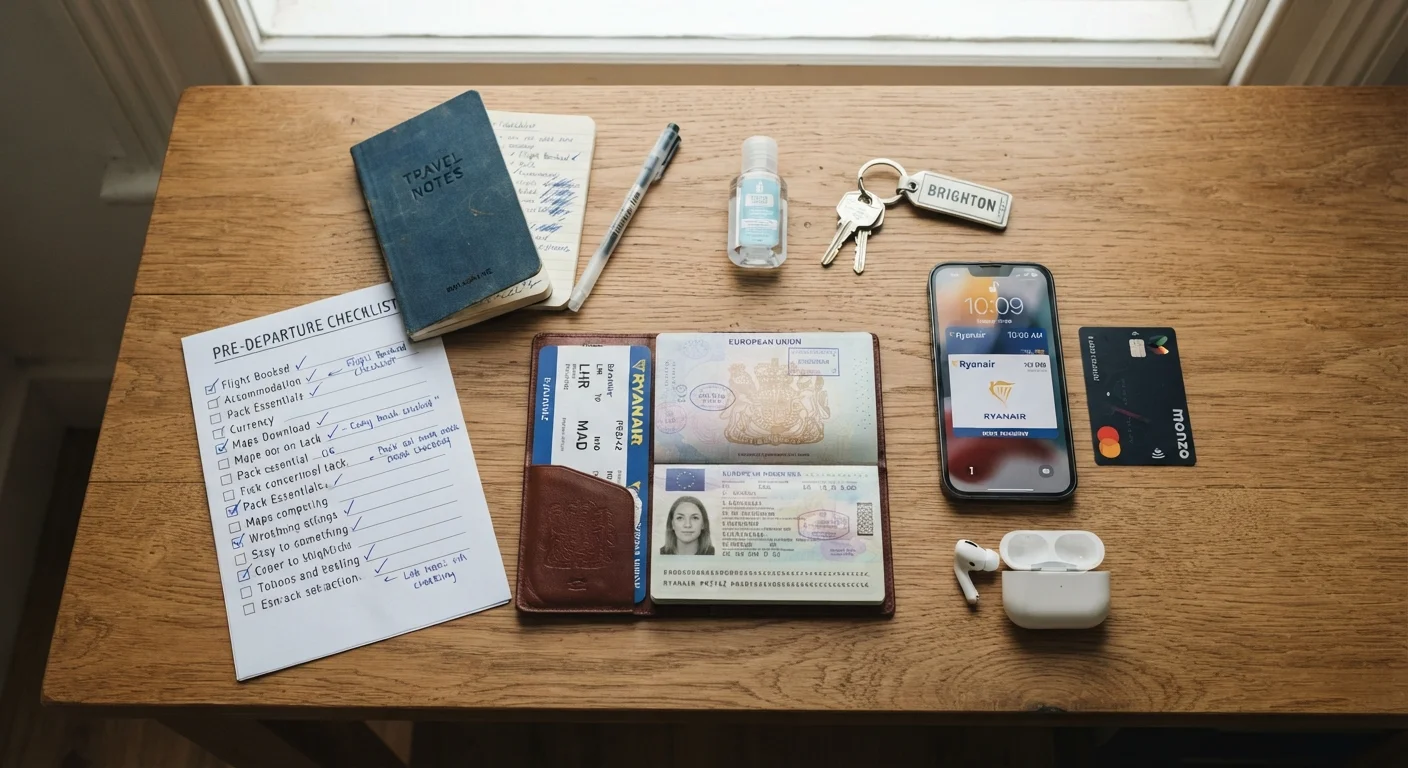
- Do your route research offline. Download maps before leaving accommodation so you are not staring at a phone while moving through an unfamiliar area.
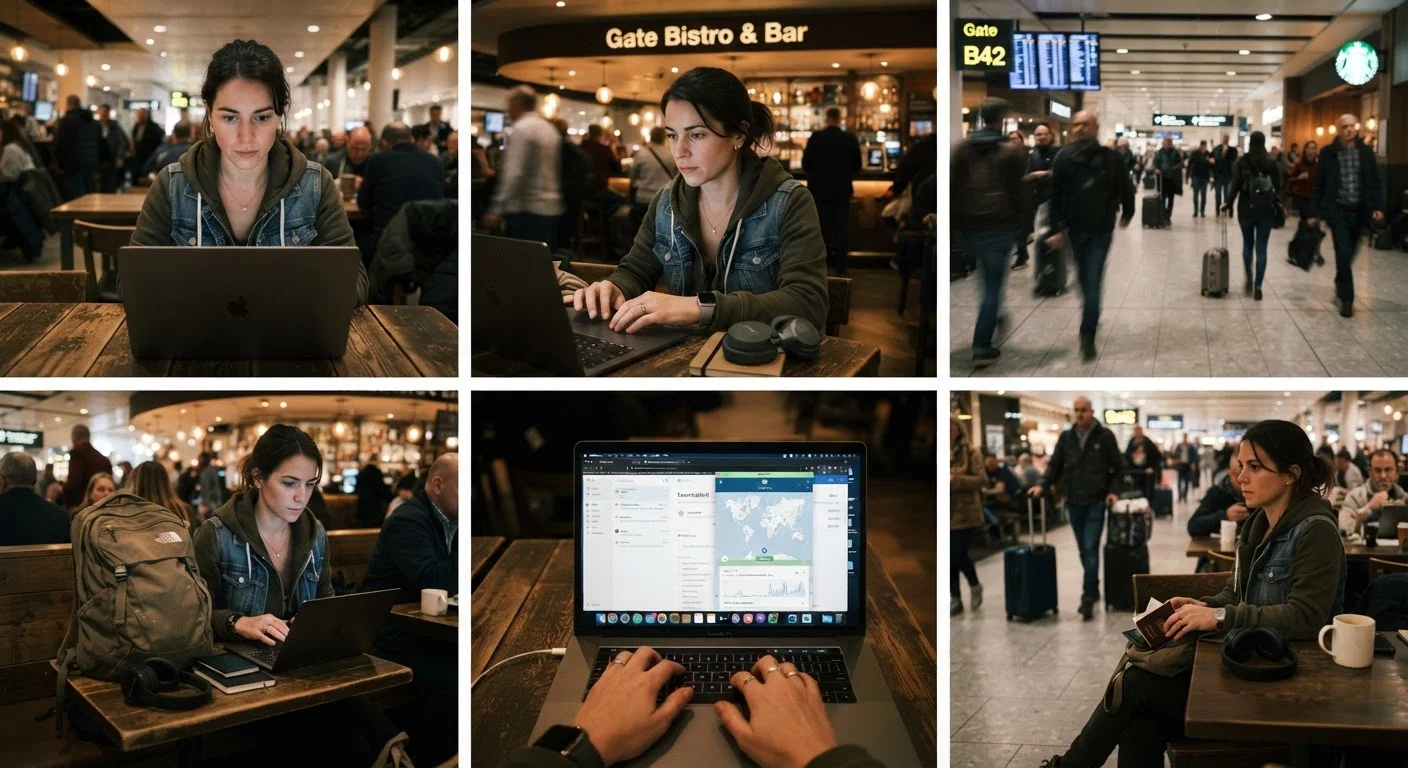
- Use the "check-in" method. Each time you arrive somewhere new - a café, a transit hub, a neighborhood - take 20 seconds to orient: identify exits, note the crowd density, and check that your belongings are secure.
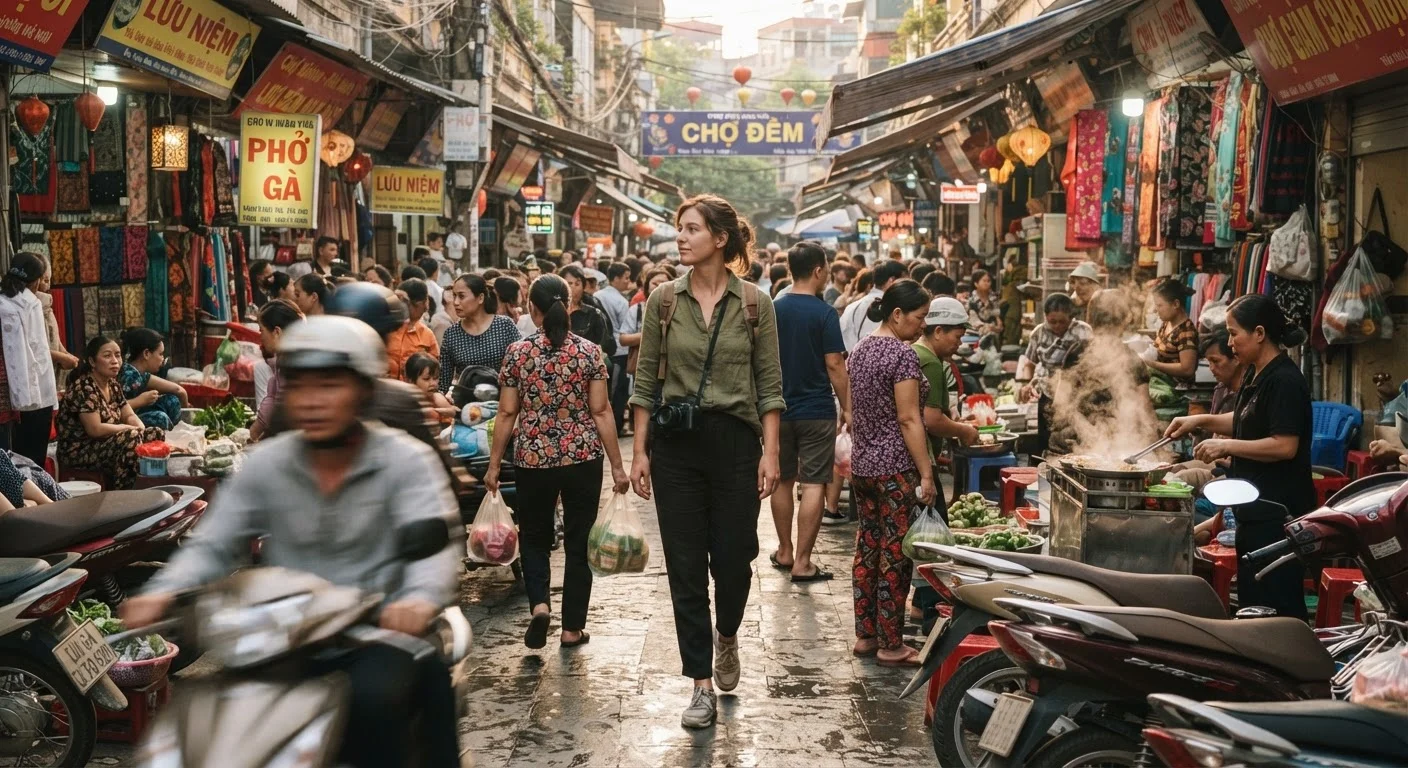
- Match your pace to the environment. Moving at roughly the same tempo as locals signals that you belong. Stopping abruptly to look around in the middle of a busy street marks you as disoriented.
- Limit what you reveal to strangers. Where you're staying, your onward plans, and that you're traveling alone are all information that can be disclosed selectively. How much personal information to share as a solo traveler works through exactly where those lines are.
~80%
Of street crime against tourists is opportunistic
Criminological research consistently finds that most theft targeting travelers relies on distraction and perceived low risk to the offender, not pre-planned targeting.
3x
Higher distraction risk when using a phone while walking
Studies on pedestrian attention show that active phone use significantly reduces peripheral awareness and reaction time in public environments.
If you are newer to independent travel, the principles covered in solo travel safety basics provide a solid foundation to layer these habits onto. And for a structured look at which safety considerations genuinely warrant your time in the planning phase, see solo travel safety planning.
Travel safety information in this article is general in nature. Always verify current conditions, local laws, and entry requirements with official government and provider sources before traveling.