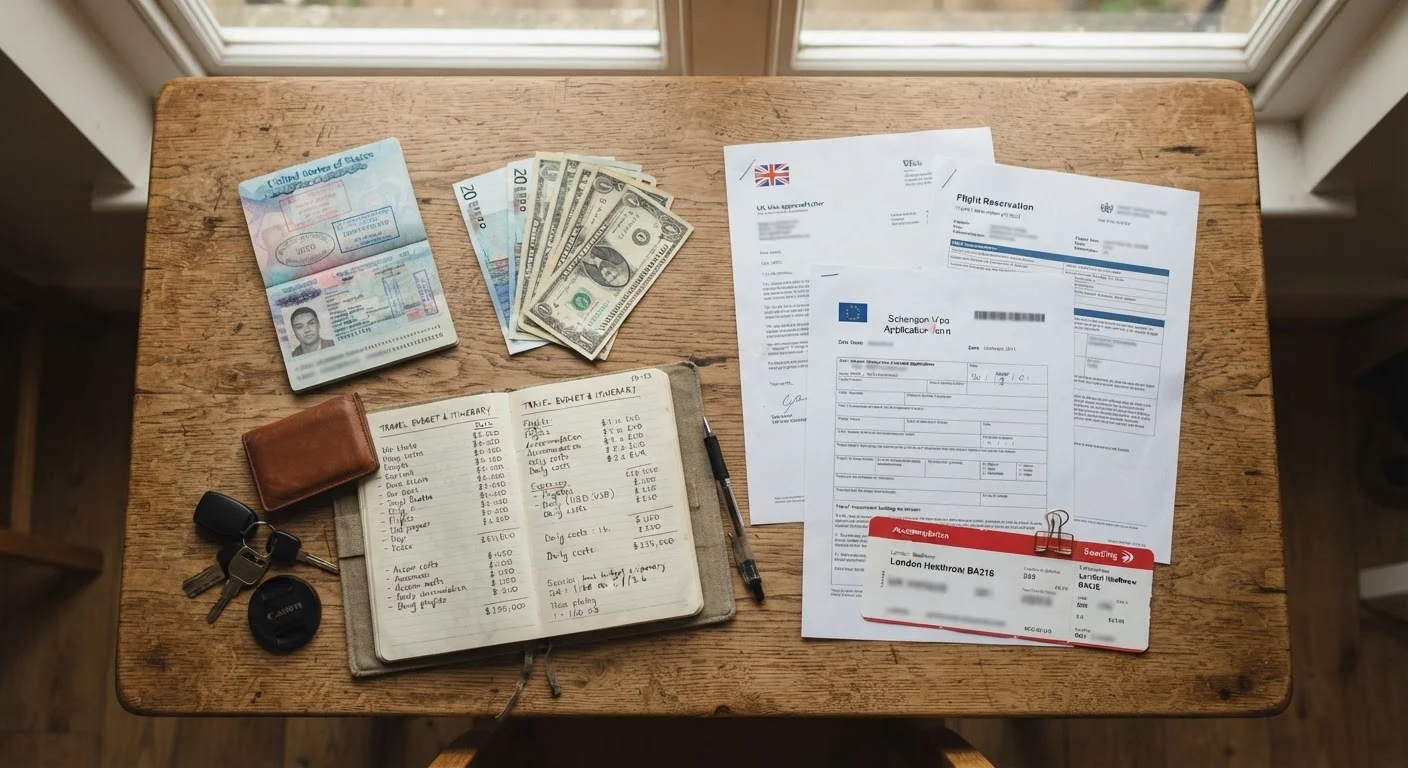

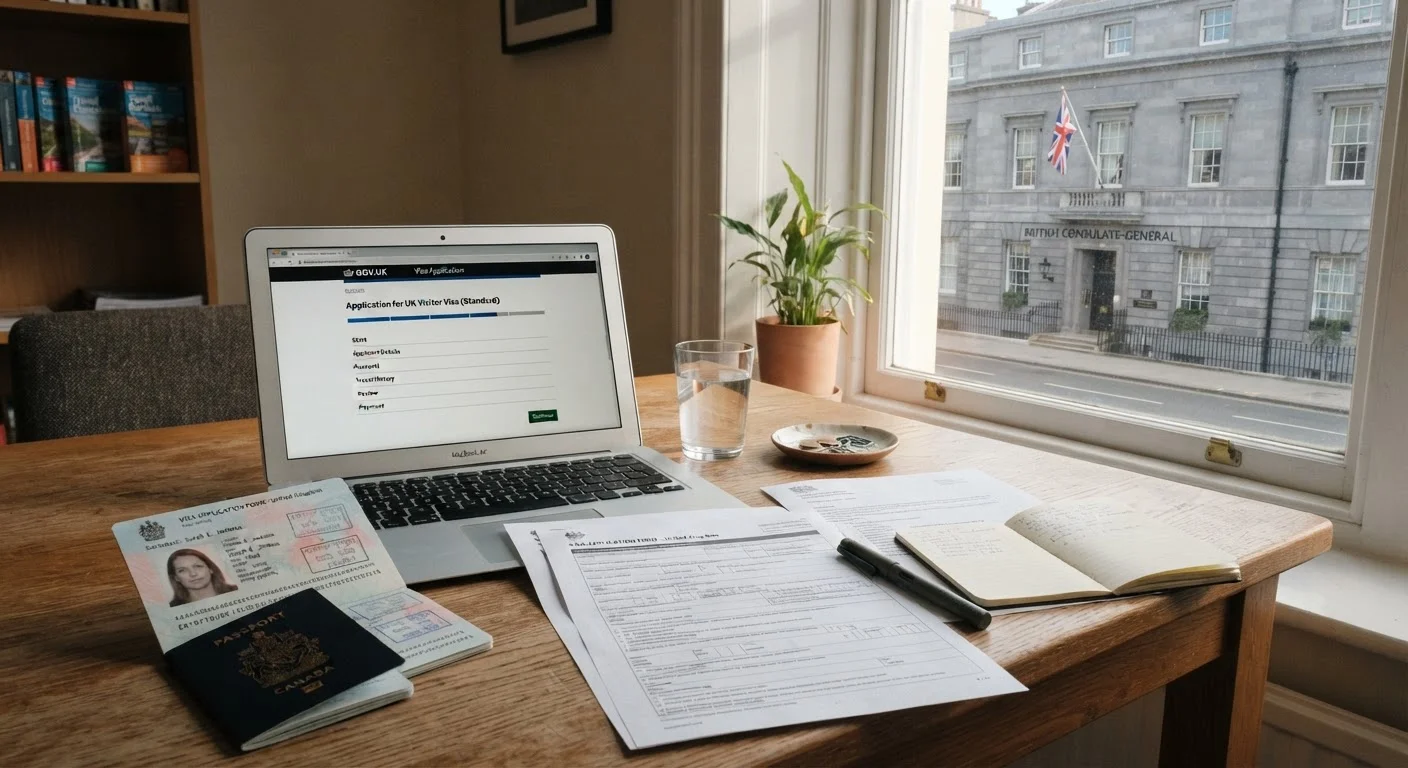
How Each Route Works
Understanding the structural difference between these two channels prevents the most common planning mistake: assuming both routes are always available. A consulate application means submitting your visa request to the destination country's diplomatic mission - an embassy or consulate - either in person, by mail, or through an authorized visa application center. A consulate reviews your full documentation packet, may conduct an interview, and issues a physical visa sticker or stamp in your passport upon approval.
An official government portal is a digital system operated directly by the destination country's immigration or foreign affairs authority. Approved applicants receive an electronic travel authorization (e-visa) linked to their passport number, which border officers verify on arrival. Not every country offers both routes, and not every visa category within a given country is available online. Before planning your timeline, check the destination's official immigration website - or its embassy website for your nationality - to confirm which channels apply to your specific situation.
For a broader understanding of how visa types are categorized, see how e-visas, visa-on-arrival, and embassy appointments differ.
| Criterion | Consulate Application | Official Government Portal |
|---|---|---|
| Visa categories covered | All types, including work and student | Usually tourist and short-stay only |
| Typical processing time | Days to several months | Hours to a few business days |
| In-person appearance required | Often required for interviews | Not required |
| Document submission format | Physical originals or certified copies | Digital scans and uploads |
| Additional service fees | Possible via application centers | Rarely, if portal is official |
| Fraud risk | Lower - mission is verifiable | Higher - fake portals exist |
| Availability by country | Universally available | Only where country offers it |
Cost, Documents, and Processing Time
The official visa fee - set by the destination government - is generally the same regardless of which channel you use. Where costs diverge is in the surrounding logistics. Consulate applications may require notarized documents, passport-sized photos meeting exact specifications, courier fees for mail-in submissions, or travel costs to reach a consulate in another city. Some countries route applications through third-party visa application centers that charge a separate service fee on top of the government fee.
Online portals typically accept scanned documents and digital photos, removing most physical preparation costs. However, they also tend to have stricter automated format requirements - a file that's slightly too large or a photo with the wrong background color can trigger a rejection without human review. Review document requirements carefully before uploading; our guide on decoding visa application documents explains what each supporting item actually proves.
Processing time is where the gap is most pronounced. Online portal decisions for tourist e-visas often arrive within a few business days. Consulate timelines vary widely - from one week to several months depending on the country, visa category, and time of year. Both routes should be factored into your overall planning window; for guidance on how to map your application timeline, see timing your visa application accurately.
190+
Countries offering some form of e-visa
According to IATA Travel Centre data, a growing majority of countries now operate at least one category of electronic visa or travel authorization, though availability varies significantly by applicant nationality.
72 hrs
Common portal processing window for tourist e-visas
Many countries that operate official e-visa systems publish a standard processing window of one to three business days for straightforward tourist applications, though this varies by destination and volume.
Risks, Reliability, and What to Watch For
Both routes carry their own reliability considerations. With consulate applications, the primary risks are logistical: lost documents in transit, missed appointment windows, or incomplete packets that require resubmission. With online portals, the dominant risk is fraud - unofficial third-party websites that mimic government portals, collect your personal data and fees, and deliver nothing legitimate. Always navigate directly to the official government or embassy website; do not rely on search ads or unfamiliar links to reach visa application systems.
Portal systems can also experience outages, especially around peak travel seasons or following policy changes. If you're coordinating applications across multiple countries, a failed portal submission can disrupt your entire itinerary. For multi-destination trips, understanding how to sequence applications across different visa regimes is critical - visa sequencing for multi-country itineraries covers that planning layer in detail.
Before submitting through either channel, run through a structured pre-submission review. A pre-submission visa checklist covers document quality, photo specifications, form accuracy, and fee payment verification.
Third-Party Sites Are Not Official Portals
A significant number of websites charge fees to 'assist' with visa applications by submitting them on your behalf - sometimes without making this role clear. These are not the same as official government portals. Always confirm you are on a domain operated by the destination government or its embassy. If in doubt, start from the country's official government homepage and navigate to the immigration or visa section directly.
Visa requirements, fees, and processing times change frequently and vary by nationality. Always verify current requirements with the destination country's official immigration authority or its embassy before applying. This article provides general informational guidance only and does not constitute legal advice.