
Why Africa Deserves a Place in the Budget Traveler's Shortlist
Africa is rarely the first continent that comes to mind when Americans think about affordable international travel. Southeast Asia and Eastern Europe tend to dominate that conversation - and for good reason, as our guides on Southeast Asia's exceptional value and Eastern Europe's most affordable countries explain in detail. But Africa's value proposition is quietly compelling, particularly for travelers willing to look beyond safari-only itineraries.
The continent encompasses 54 countries with wildly different cost profiles. In several of them, the US dollar buys significantly more than it does at home - covering comfortable guesthouses, flavorful local meals, and reliable public transport for amounts that would barely cover a meal in a US city. The countries below represent a cross-section of accessible, high-value destinations that reward budget-conscious planning.
Visa and Health Requirements Vary Widely
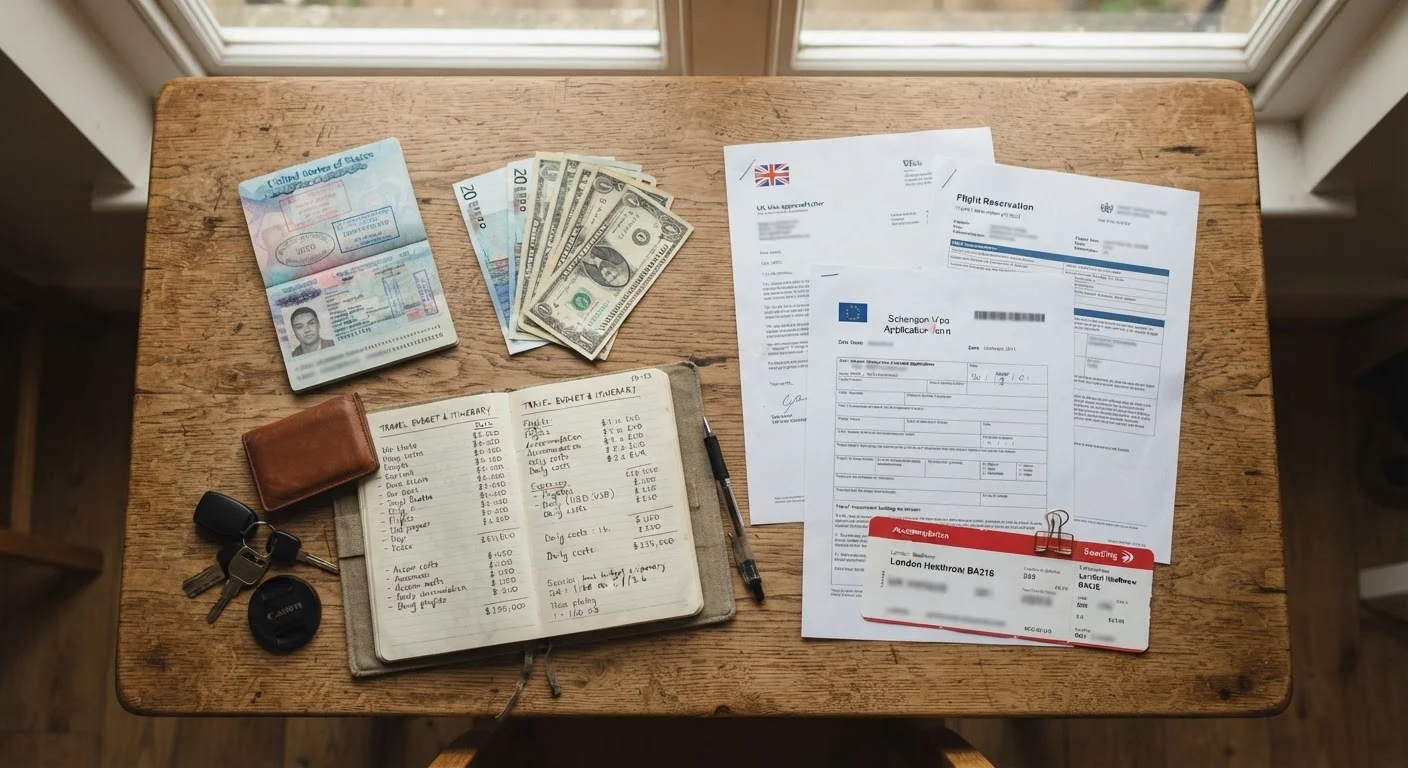
Africa's 54 countries have distinct visa policies, and these change more frequently than most travelers anticipate. The U.S. Department of State's country-specific travel pages and the CDC's travelers' health destination tool are the authoritative references for current entry requirements and recommended health precautions. Do not rely on travel forums or third-party aggregators as your final source for this information.
African Countries That Deliver Strong Value for US Dollar Travelers
Morocco
Morocco sits at the intersection of North Africa, the Arab world, and Berber culture - and it remains one of the most accessible African destinations for Americans in terms of both logistics and cost. US citizens do not need a visa for stays up to 90 days. Major cities like Marrakech, Fes, and Chefchaouen offer a well-developed traveler infrastructure with accommodation options ranging from budget hostels to mid-range riads at a fraction of comparable European prices.
Street food - including harira soup, msemen flatbreads, and grilled brochettes - can cost under $2 per serving. Intercity buses and shared grand taxis connect destinations affordably. Travelers should expect to negotiate prices at souks (traditional markets), where fixed pricing is not always the norm.
Morocco's 90-day visa-free entry and low street food costs make it one of Africa's most approachable budget destinations.
Ethiopia
Ethiopia offers one of the most favorable cost-of-living environments on the continent for US travelers. Daily expenses including guesthouses, local injera-based meals, and minibus transport can fall well below $40 in smaller cities. Addis Ababa, Ethiopia's capital, serves as a major continental aviation hub - making it a logical entry point for wider East African itineraries.
Highlights include the rock-hewn churches of Lalibela, the Simien Mountains, and the ancient obelisks of Axum. Americans should obtain an e-visa before travel; the process is completed online. Health preparations - particularly regarding altitude and recommended vaccinations - require advance planning. Consult a travel health professional and check U.S. government advisories, as conditions in some regions warrant caution.
Ethiopia's extraordinary historic sites and highland landscapes come at daily costs that genuinely surprise most first-time visitors.
Rwanda
Rwanda is frequently cited for gorilla trekking permits, which are a significant expense. But beyond that bucket-list experience, the country's day-to-day costs are moderate by regional standards, and its reputation for safety, cleanliness, and reliable infrastructure makes it unusually easy to navigate independently. US citizens can obtain a visa on arrival or an e-visa in advance.
Kigali, the capital, has a growing range of affordable accommodation and local restaurants. The country's compact size makes overland travel manageable. Travelers planning around gorilla trekking should factor the permit cost into their overall budget early - prices are set by the Rwanda Development Board and subject to change.
Rwanda's safety, infrastructure, and manageable size make independent budget travel more straightforward than many expect.
Tanzania (Beyond the Parks)
Tanzania's national parks carry substantial entrance fees that can push safari itineraries well above budget-travel thresholds. However, the country has an underappreciated affordable side. Zanzibar's local guesthouses and food stalls, the northern highland town of Arusha, and the Swahili coast offer genuine cultural experiences at costs that don't require a luxury travel budget.
Traveling with organized groups or joining shared safari vehicles helps distribute park fees. US citizens require a visa, available on arrival or as an e-visa. Checking current entry requirements and health advisories - including yellow fever documentation requirements for travelers arriving from certain countries - is essential before departure.
Tanzania's budget potential lies beyond the parks - in coastal towns, highland markets, and shared transport routes.
Egypt
Egypt's pound has weakened significantly against the US dollar in recent years, meaningfully improving purchasing power for American visitors. Accommodation, domestic transport, and local food have become more accessible as a result. Cairo, Luxor, and Aswan connect via an overnight train network that is both affordable and an experience in itself.
Entry is straightforward: US citizens can obtain a tourist e-visa online before travel. Key sites - the Giza Plateau, Karnak Temple, the Valley of the Kings - charge individual admission fees that add up, so a prioritized itinerary helps manage costs. Exercise standard urban awareness in crowded areas and review current U.S. Department of State advisories for regional context.
Egypt's currency dynamics have shifted the value equation firmly in favor of US dollar travelers in recent years.
Zambia
Zambia is less trafficked by international tourists than some of its neighbors, which keeps prices for local services lower in many areas. Victoria Falls - shared with Zimbabwe - is the country's signature attraction, and the Zambian side tends to be quieter and comparably priced to its neighbor. National parks like South Luangwa offer wildlife experiences at varying price tiers, with self-drive options available for experienced travelers.
US citizens require a visa, which can be obtained on arrival at major entry points or as an e-visa. Travel in more remote areas benefits from thorough preparation, including vehicle reliability, fuel availability, and malaria prophylaxis - consult a travel health provider well in advance.
Zambia's quieter profile relative to neighboring countries translates into lower tourist pricing without a proportional reduction in experience.
Use Local Transport and Eat Where Locals Eat
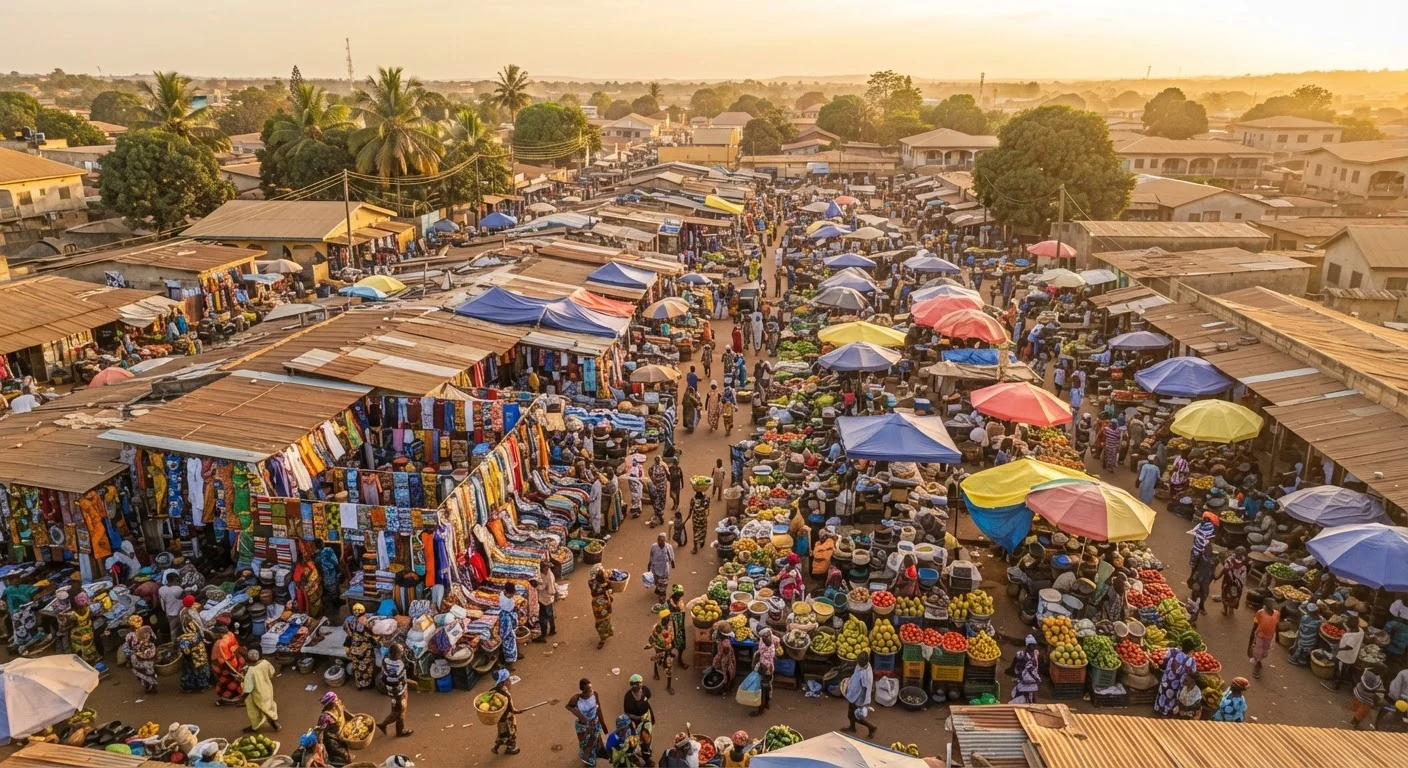
In nearly every African country, the gap between tourist-facing services and locally-used alternatives is substantial. Minibuses, shared taxis, and street stalls used by residents will almost always cost a fraction of hotel-arranged transport or tourist-restaurant menus. Learning a few phrases in the local language - even just greetings - tends to be received warmly and can make informal transactions smoother.
Planning Your African Trip on a Budget
Airfare is typically the largest single cost for Americans traveling to Africa, and understanding what drives those prices - including hub routing through European or Middle Eastern airports - is worth examining before you book. Our analysis of what drives price gaps between regions breaks down the economics involved. Flying into major hubs like Casablanca, Addis Ababa, or Nairobi can open up onward connections to smaller destinations at lower cost.
Families considering the continent will find that several of these destinations also suit multi-generational travel. Our guide to destinations where a family of four can travel affordably addresses similar dynamics. And if Africa's logistics feel daunting as a first international trip, the comprehensive guide to budget international travel for Americans is a practical starting point.
Entry requirements, health recommendations, and travel advisories change frequently. Always verify current visa rules and safety conditions through the U.S. Department of State and destination country official sources before booking or traveling.