
Why Latin America Rewards Budget-Conscious Travelers
Latin America spans an enormous range of costs, cultures, and landscapes - and for American travelers, currency exchange rates combined with genuinely low local costs of living create outsized purchasing power. Countries like Bolivia, Guatemala, Nicaragua, and Colombia regularly rank among the most affordable destinations globally, where a full day of food, transport, and accommodation can fall well under $40 USD in many regions.
That value isn't incidental. It stems from strong local economies built around affordable domestic consumption, not tourist pricing. The traveler who learns to tap into that system - rather than defaulting to internationally marketed hotels and packaged tours - sees the difference immediately. For a direct cost and logistics comparison between two popular entry points, see our guide on Mexico vs. Colombia for first-time international travelers.
On the Ground: Transport, Food, and Accommodation
The three pillars of daily travel spending respond most directly to the choices you make on the ground. Each offers clear levers for keeping costs low without limiting your experience.
For families traveling as a group, food spending is typically the most variable daily expense. Strategies that work for solo travelers adapt well to groups - our related guide on keeping food costs down for family travelers covers the adjustments worth making. For a solo-specific breakdown from departure to return, stretching a solo travel budget provides a stage-by-stage framework.
Planning Habits That Compound Your Savings
The travelers who spend least in Latin America aren't necessarily the most frugal - they're the most informed. A few planning habits applied before you book make a measurable difference in what you spend on the road.
Shoulder season timing is one of the most underused levers. In much of Central America and the Andes, the weeks immediately before and after peak tourist months offer dramatically lower accommodation rates with only marginal weather trade-offs. For a country-by-country cost breakdown in Central America specifically, our guide on Central America travel costs for US travelers is a practical starting point.
Accommodation decisions also compound quickly. Guesthouses, locally owned hostels, and short-term rentals arranged through local contacts consistently undercut internationally marketed properties, often by 40-60%. For broader strategies on finding affordable lodging without sacrificing comfort, see lodging on a budget. And for managing all daily costs holistically, daily travel costs covers the full picture. Food decisions follow similar logic - controlling food costs without eating badly walks through market shopping, meal timing, and knowing when to splurge.
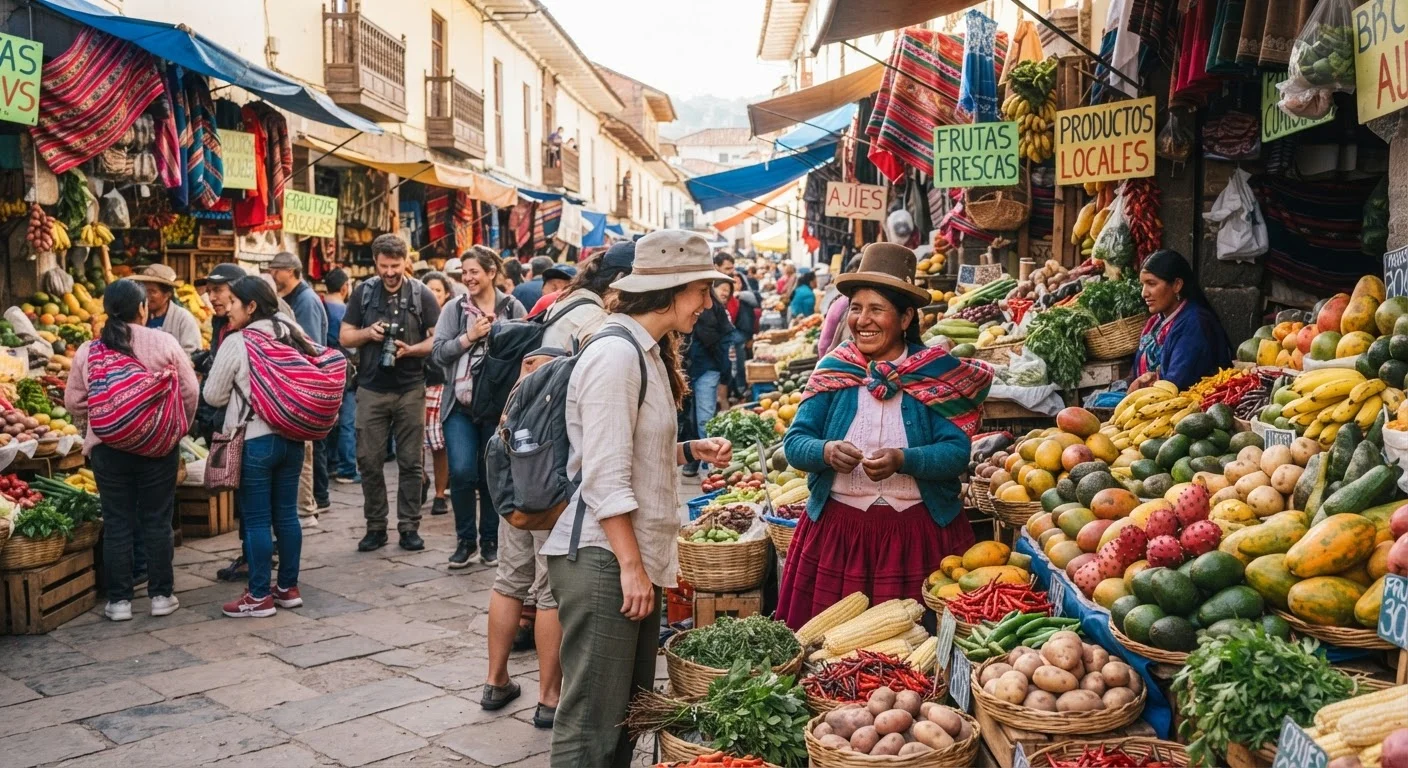
“The traveler who eats where the office workers eat, sleeps where the market vendors sleep, and rides what the students ride will always see more - and spend less - than the one who pays for distance from local life.”
— International Travel Editorial Team, Editorial collective focused on budget international travel for US audiences