
Entry Requirements: How Simple Is It to Get In?
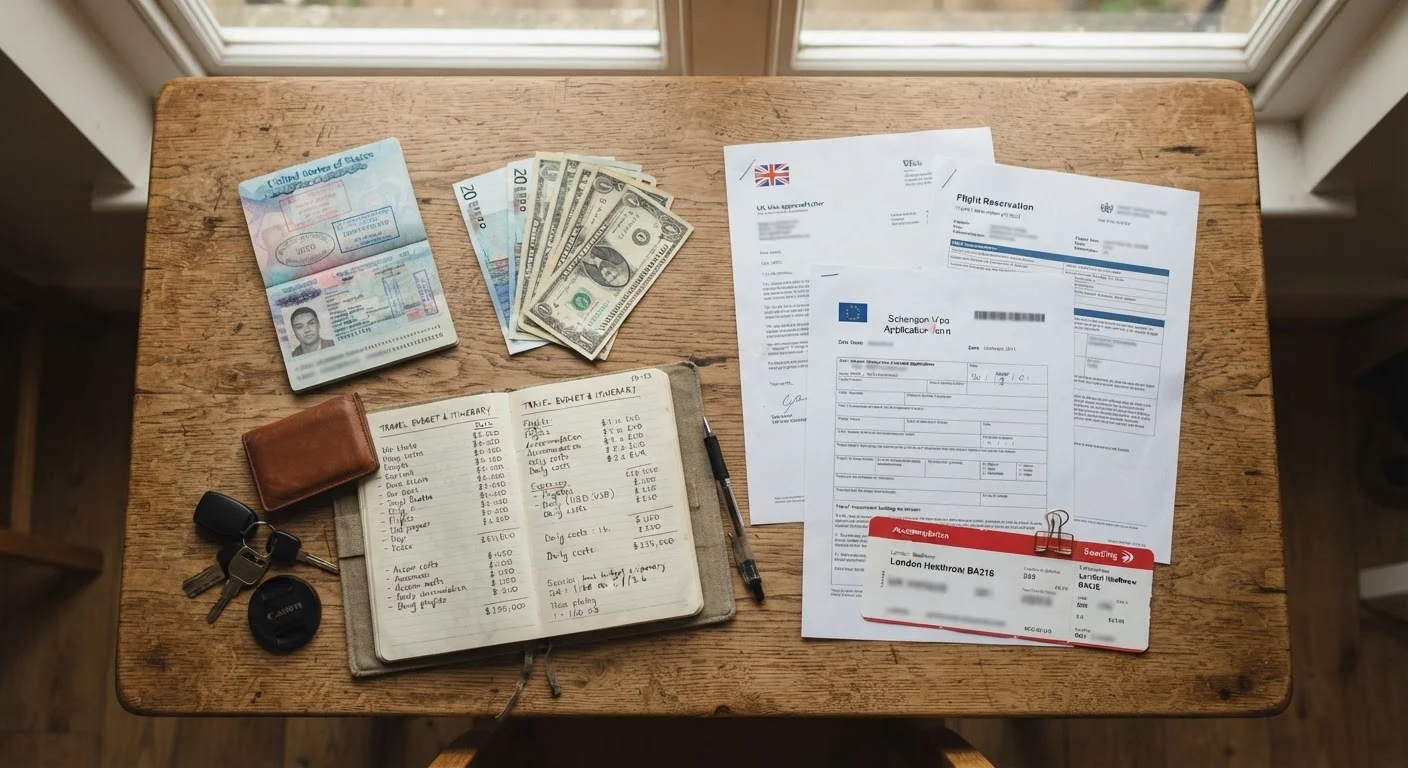
US passport holders can enter both Mexico and Colombia without a tourist visa for stays up to 180 days and 90 days respectively, though actual permitted entry periods are determined by border officials on arrival. Neither country requires advance visa applications for standard tourism purposes, which removes one of the most common barriers for first-time international travelers.
Mexico's land border crossings and dozens of international airports make entry options exceptionally flexible. Colombia is air-entry only for most US travelers, with no practical land border option from North America. Both countries may require proof of onward travel at the point of entry, so carry documentation of your return or next flight.
Always verify current entry requirements through official government channels - the US Department of State and each country's immigration authority - before booking. Requirements can change. For a fuller overview of what entry documents typically involve, see the Visa & Entry Guides hub.
Entry rules, permitted stay durations, and any health-related requirements are subject to change. Confirm with official sources before travel.
Daily Costs: Where Does Your Dollar Go Further?
Cost comparisons between destinations depend heavily on travel style, region, and season - but broad patterns are consistent. In Mexico, budget travelers in non-resort cities like Oaxaca, Mérida, or Guanajuato can typically manage on $40-$60 per day covering a private room, local meals, and transport. In Cancún or Los Cabos, that figure climbs significantly.
Colombia, outside of Cartagena's tourist core, tends to run cheaper. Medellín and smaller cities in the Coffee Region often allow comparable comfort for $35-$50 per day. Street food, metro systems, and affordable hostels and guesthouses all contribute to lower daily burn rates.
| Criterion | Mexico | Colombia |
|---|---|---|
| Visa required for US citizens | No (up to 180 days) | No (up to 90 days) |
| Typical budget daily spend | $40-$60 (non-resort cities) | $35-$50 (outside Cartagena) |
| US flight connections | Extensive - many US airports | Good - major hubs only |
| English availability | Widespread in tourist zones | Limited outside tourist areas |
| Beach destinations | Extensive (Caribbean & Pacific) | Limited (Caribbean coast) |
| Urban cultural variety | Strong (CDMX, Oaxaca, etc.) | High (Bogotá, Medellín, Cali) |
| Tourism infrastructure | Very developed | Developing, strong in cities |
| Safety advisory complexity | Varies significantly by state | Varies significantly by region |
The US dollar currently holds favorable purchasing power against both the Mexican peso and Colombian peso, though exchange rates fluctuate. Using local ATMs with low foreign-transaction-fee cards, or exchanging currency strategically, can sharpen savings in both countries. For practical currency management strategies, the Travel Money Tips hub offers actionable guidance.
For broader cost-saving habits that apply across the region, see Stretching Your Dollar in Latin America.
Flights, Safety Context, and What First-Timers Should Know
Flight access is one of Mexico's clearest advantages. Hundreds of weekly nonstop routes connect US cities - including smaller regional airports - to Mexican destinations. Colombia requires flying to a handful of gateway cities (Bogotá, Medellín, Cartagena, Cali), but direct routes from major US hubs are well-established and often competitively priced, particularly from Miami, New York, and Houston.
On safety: both countries have regions with elevated security concerns, and both have areas that are safe and well-trafficked by international visitors. The US Department of State issues tiered travel advisories for both countries at the state or department level - specific zones carry different risk profiles. Consulting the current advisory for the specific region you plan to visit is essential, not optional.
180 days
Max tourist stay in Mexico for US passport holders
Per Mexican immigration rules; actual permitted duration is set by the officer at entry and recorded on your FMM tourist card.
90 days
Max tourist stay in Colombia for US passport holders
Colombia's migration authority determines the permitted stay at entry; extensions may be possible through official channels but are not guaranteed.
Top 5
Mexico's rank among most-visited countries globally
Mexico consistently ranks among the world's most visited nations according to UNWTO data, reflecting its mature tourism infrastructure for international visitors.
First-timers in either country benefit from sticking to established tourist corridors, using reputable transport options, and keeping accommodation in well-reviewed areas. Neither destination is monolithically dangerous or monolithically safe - granular research matters more than country-level generalizations.
Before finalizing any budget international trip, work through the practical logistics covered in Before You Book That 'Cheap' International Trip, which addresses insurance, vaccinations, and currency planning in detail. And if you're weighing the broader tradeoffs of choosing a lower-cost destination, The Tradeoffs of Choosing a Budget Destination provides an honest framework.
New to international budget travel altogether? The comprehensive starting guide at International Budget Travel for Americans covers everything from destination selection to managing money on the ground.