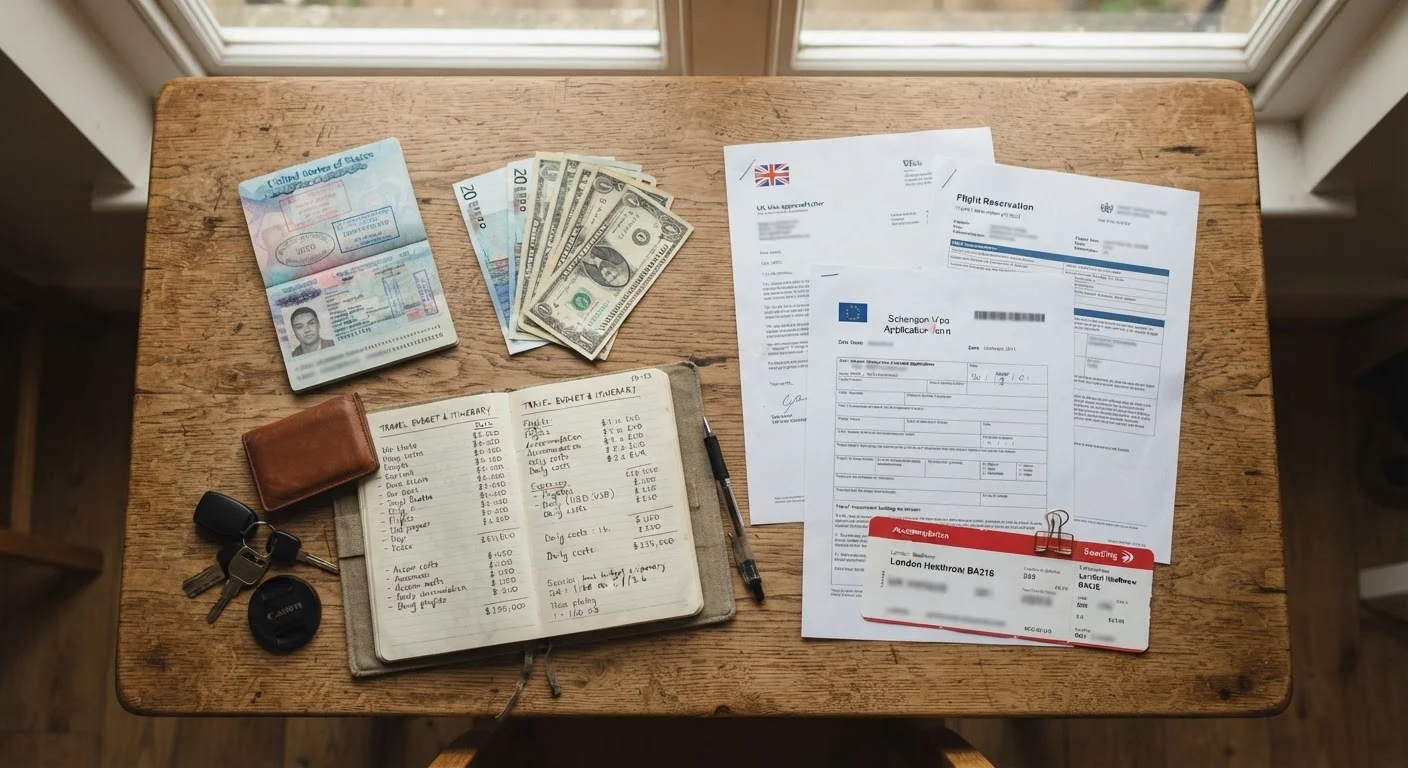


Why Portugal Sits in a Different Price Category
Portugal shares a currency, open borders, and a visa-free travel zone with its wealthier EU neighbors - yet its prices tell a very different story. The country's wages and cost of living remain structurally lower than in France, Germany, or the Netherlands, and that gap flows through directly to what travelers pay for meals, beds, and transit.
This isn't a signal of inferior quality. Portugal has modern airports, reliable rail connections, a healthcare system ranked among Europe's better-performing, and a globally recognized food culture. The affordability reflects economic positioning within the EU, not a shortfall in what the country delivers.
For American travelers, this creates a compelling equation: Schengen-zone ease of entry, English widely spoken in cities and tourist areas, and daily costs that can run 30-50% lower than comparable Western European destinations. That structural price difference is the core of Portugal's value proposition.
~35%
Lower daily costs vs. Western European average
Cost-of-living indices such as Numbeo consistently place Portugal among the most affordable countries in Western Europe for everyday expenses.
90 days
Visa-free stay for U.S. passport holders
Under the Schengen Agreement, American citizens may visit Portugal without a visa for up to 90 days within any 180-day period - verify requirements with official sources before traveling.
Top 4
Ranking among Europe's safest countries
The Global Peace Index has consistently ranked Portugal among the four most peaceful countries in Europe in recent years.
2h 45m
Lisbon to Porto by train
Portugal's Alfa Pendular intercity rail service connects the two major cities efficiently, making multi-city itineraries practical without domestic flights.
Where the Savings Show Up Day to Day
Food and dining represent the clearest win. Portugal's prato do dia (dish of the day) - a full lunch including soup, main course, bread, and often a drink - is available at neighborhood restaurants for prices that would barely cover a coffee in Zurich or Oslo. Wine, another Portuguese strength, is priced modestly even at restaurants, and the quality of everyday table wine far exceeds what you'd expect at similar price points elsewhere in Europe.
Accommodation follows a similar pattern. Mid-range hotels and guesthouses in Lisbon and Porto cost less than budget hotels in London or Paris. Porto, in particular, offers excellent value: the city has invested heavily in tourism infrastructure while maintaining prices that undercut the capital.
Local transport is another standout. Lisbon's metro, tram, and bus network is affordable and covers the major tourist zones. The national rail network connects Lisbon to Porto in under three hours and reaches the Algarve coast comfortably. Intercity buses fill in the gaps at low fares.
For families considering a European trip, Portugal fits a broader pattern of high-value destinations where lower daily costs don't mean sacrificing what you can do and see.
Time Your Trip for Maximum Value
September and October are widely considered Portugal's sweet spot for budget travelers: summer heat has eased, crowds have thinned, and accommodation rates drop noticeably from peak-season highs. Spring (March-May) offers similar advantages. Avoid the Algarve and Lisbon in July and August if cost control is a priority - both regions see their highest prices and heaviest tourist volumes during those months.
How Portugal Compares to Other Budget Travel Regions
It's worth calibrating expectations: Portugal is not Southeast Asia or Central America in terms of price. If absolute minimum-cost travel is the goal, Latin America offers a different tier of affordability altogether. What Portugal offers is something more specific - a Western European country with Western European standards of infrastructure, food safety, healthcare access, and urban amenities, at prices that undercut its peer group substantially.
That distinction matters for travelers who want Europe's cultural depth and logistical ease without the price shock of Paris or Scandinavia. There are genuine tradeoffs to any budget destination choice, and understanding those tradeoffs honestly helps travelers set realistic expectations before they book.
“Portugal punches above its weight in almost every category that matters to travelers - food quality, safety, cultural richness, climate - while remaining one of the few places in Western Europe where a modest daily budget doesn't feel like a constant constraint.”
— International Travel Editorial Team, Travel researchers and editors specializing in international budget travel
Getting to Portugal affordably is also a realistic goal from the U.S. Transatlantic fares to Lisbon have become more competitive as airlines expanded direct service from multiple American cities. Understanding what drives airfare pricing to different regions can help travelers identify the best windows to book.
Practical Strategies for Maximizing Value in Portugal
A few structural habits unlock more savings regardless of travel style. Visiting in the shoulder seasons - March to May or September to October - typically yields lower accommodation rates, shorter queues at major sights, and more comfortable temperatures than the peak summer months. The Algarve coast, for example, is dramatically less crowded and less expensive in October than in August.
Eating where locals eat remains the single most effective food-cost strategy. Restaurants a block or two off the main tourist promenades often charge significantly less for the same quality. The prato do dia at lunch is almost always better value than ordering à la carte at dinner.
For accommodation, exploring the full range of lodging options - including guesthouses, locally run apartments, and smaller boutique properties outside city centers - often yields both lower prices and more authentic experiences than large tourist-district hotels.
Solo travelers have additional flexibility: Portugal's well-connected train and bus network makes it easy to move between cities without renting a car, and solo-specific planning habits can stretch a Portugal budget even further. Always verify entry requirements and travel advisories with the U.S. State Department and Portuguese immigration authorities before your trip, as conditions can change.
This article is for general informational purposes only. Prices, visa rules, and travel conditions change - always verify current requirements with official government and service-provider sources before traveling.