
What 'Budget Destination' Actually Means
A budget destination isn't simply a place with low hotel prices. It's a country or region where the overall cost of daily life - food, local transport, accommodation, and activities - is significantly lower than what American travelers pay at home or in high-tourism markets like Western Europe or Japan.
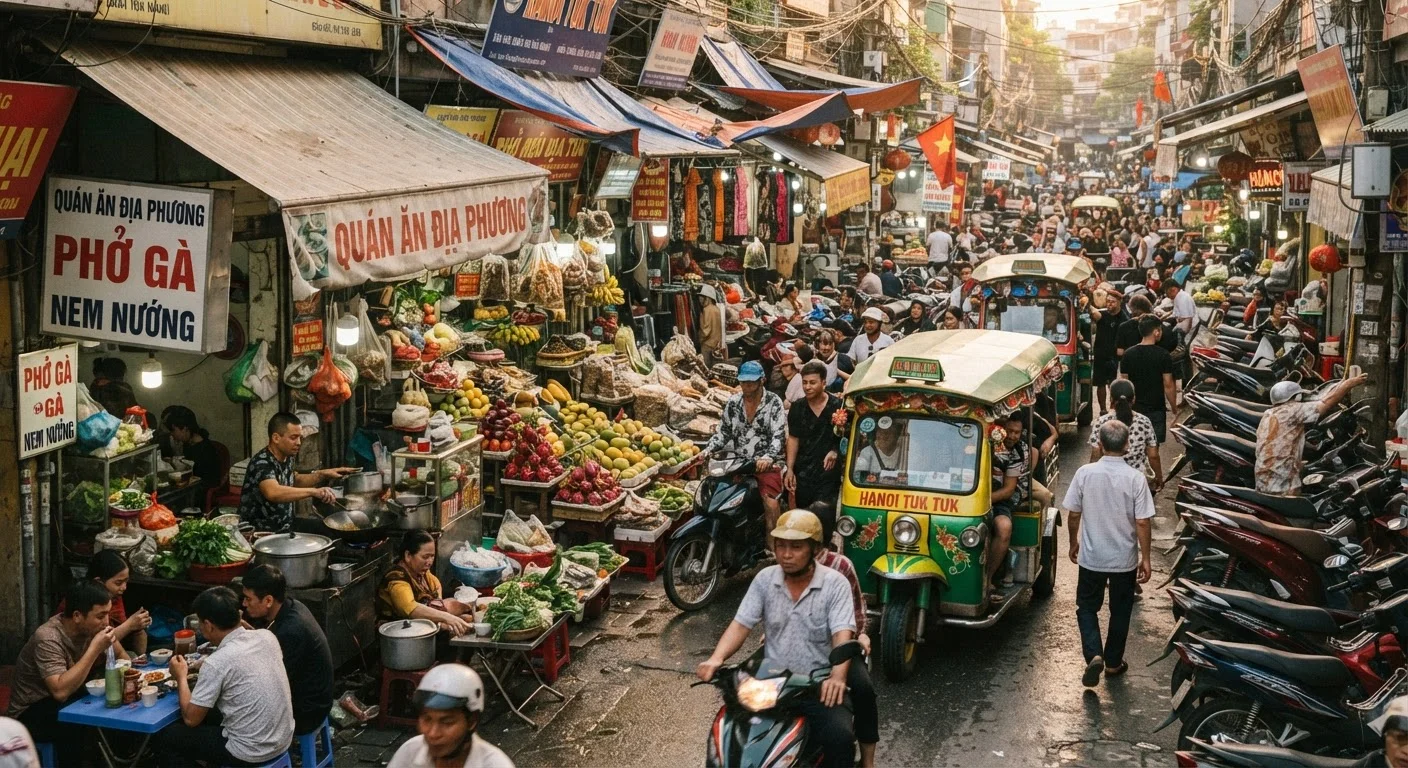
Countries such as Vietnam, Georgia (the country), Bolivia, Albania, and Indonesia routinely allow travelers to live well on $40-$70 per day, all-in. Compare that to $150-$250+ per day in destinations like Switzerland, Scandinavia, or Australia, and the appeal is obvious.
But the price gap at the destination level tells only part of the story. As our guide on hidden costs that eat your budget abroad explains, several expenses - visa fees, travel insurance, vaccinations, and airport transfers - apply regardless of how cheap a country is once you're there.
The Real Advantages of Going Where Costs Are Lower
The financial case for budget destinations is compelling when you look beyond the headline nightly rate.
Daily costs can be 60-70% lower than Western Europe
In destinations like Vietnam, Albania, or Bolivia, a full day of accommodation, meals, and transport can cost what a single restaurant meal runs in Paris or Amsterdam. This compression dramatically extends how long a fixed budget lasts.
More authentic, less commodified cultural experiences
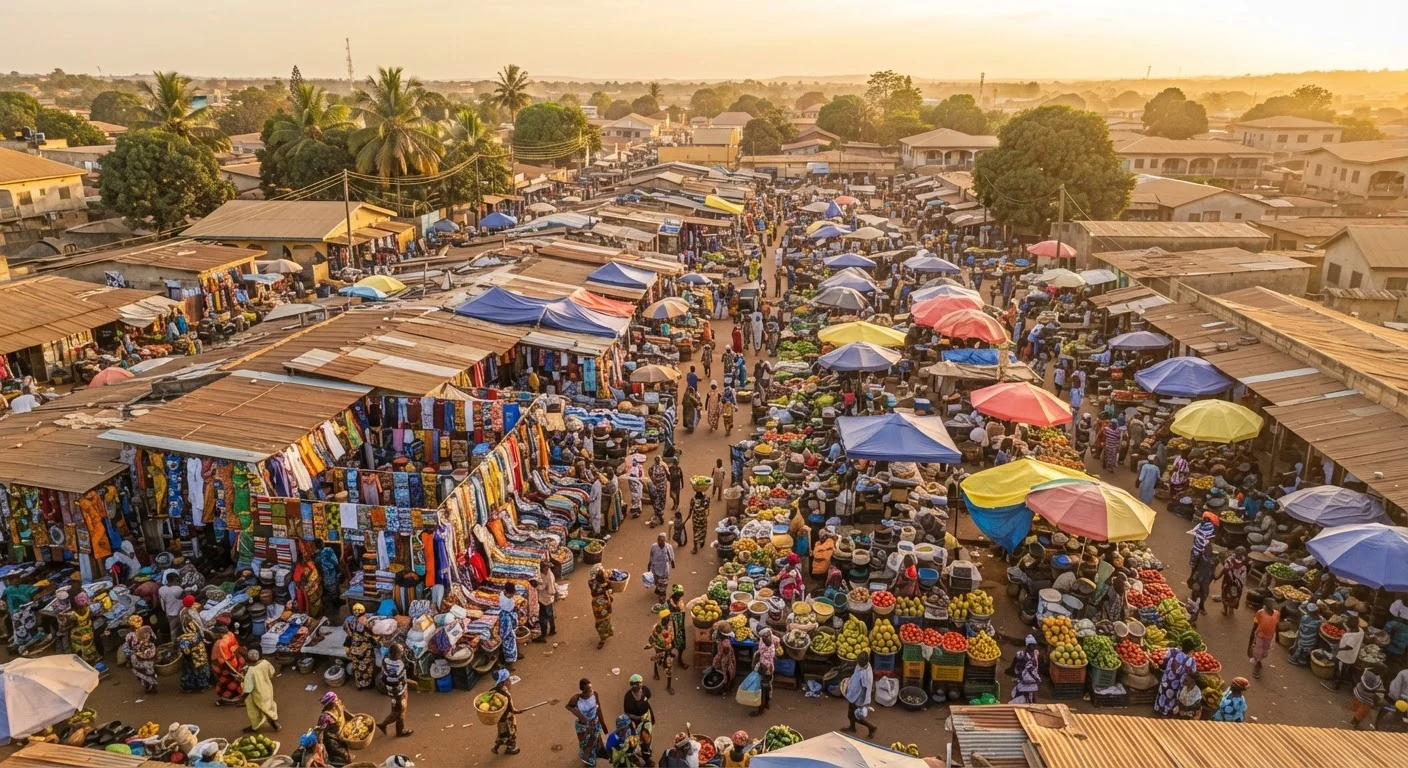
Destinations with fewer international visitors tend to offer interactions that feel less scripted and more genuine. Local markets, transport, and neighborhoods haven't been optimized for tourism, which can make the experience feel richer.
Favorable US dollar exchange rates amplify purchasing power
In many budget-friendly countries, the US dollar buys significantly more than at home - not just due to low prices, but because of advantageous exchange rates that compound savings across every purchase.
Lower accommodation costs enable longer stays
When a private room costs $15-$25 per night rather than $80-$120, staying an extra week becomes financially viable. Longer stays often lead to deeper connection with a place and lower per-day costs overall.
Food costs are often a fraction of Western equivalents
In countries like Thailand, Georgia, or Guatemala, a full sit-down meal at a local restaurant can cost $2-$5. Even travelers who avoid street food can eat extremely well for $10-$15 per day.
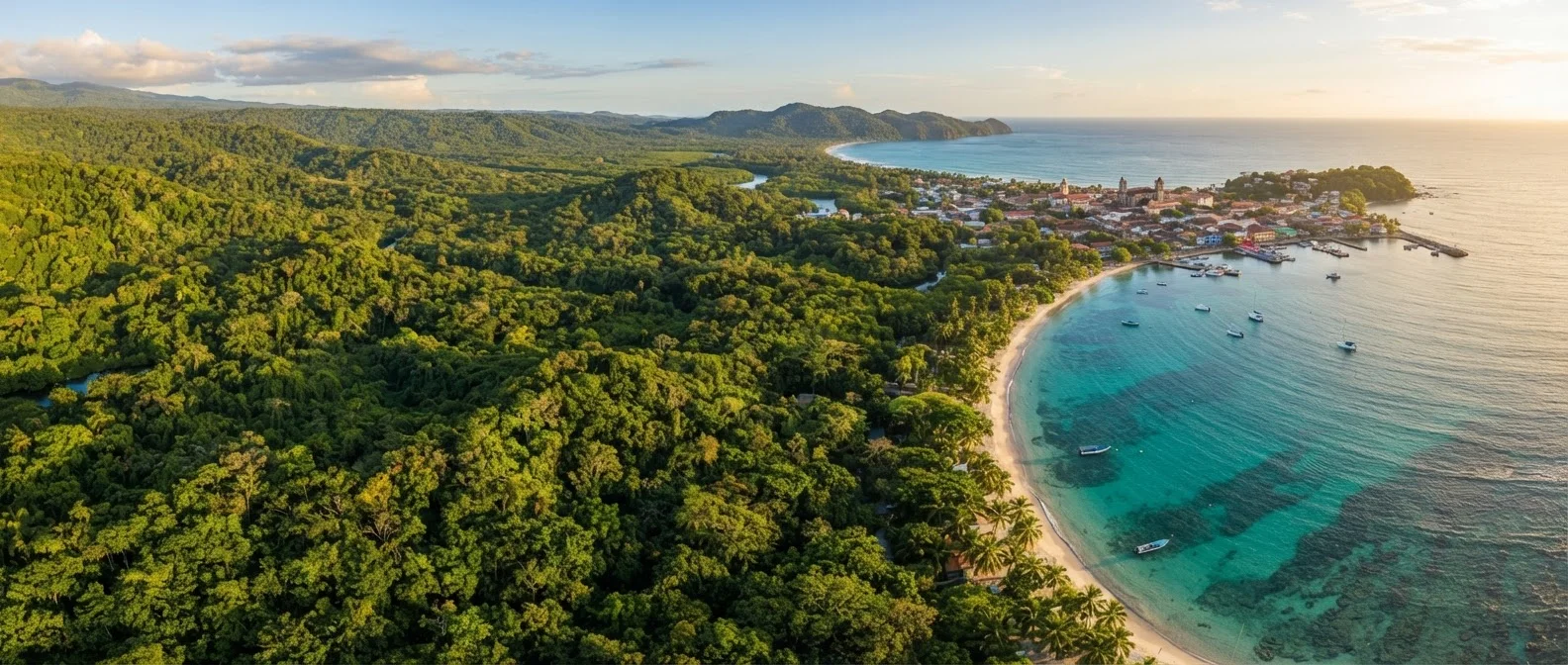
Beyond the numbers, budget destinations often deliver something harder to quantify: less-crowded experiences. Countries with less-developed tourism infrastructure haven't yet built the visitor-management systems - timed-entry queues, rope barriers, Instagram crowds - that have transformed iconic European and American sites. That can mean a more authentic, less transactional travel experience.
Travelers who want to stretch a two-week trip into a month will find the math works more readily in a place like Cambodia or Albania than in France or New Zealand. For a deeper look at how location choice interacts with trip length and spend, see the breakdown in slow travel vs. destination-hopping.
$40-$70
Typical daily budget in Southeast Asia
Covering accommodation, meals, local transport, and entry fees across countries like Vietnam, Cambodia, and Indonesia, based on widely reported backpacker and mid-range traveler spending patterns.
3-4x
Cost multiplier vs. Western Europe daily spend
Budget destinations in Southeast Asia and Central America typically cost roughly one-third to one-quarter of the daily spend travelers encounter in high-cost Western European destinations.
The Tradeoffs You Need to Factor In
Honest planning requires understanding where budget destinations genuinely cost you - not just in money, but in time, convenience, and comfort.
Infrastructure gaps add time and logistics complexity
Roads, public transit, and connectivity in less-developed destinations can be unreliable. Journeys that look short on a map may take many hours, and itinerary flexibility becomes essential rather than optional.
Visa and entry requirements add cost and planning time
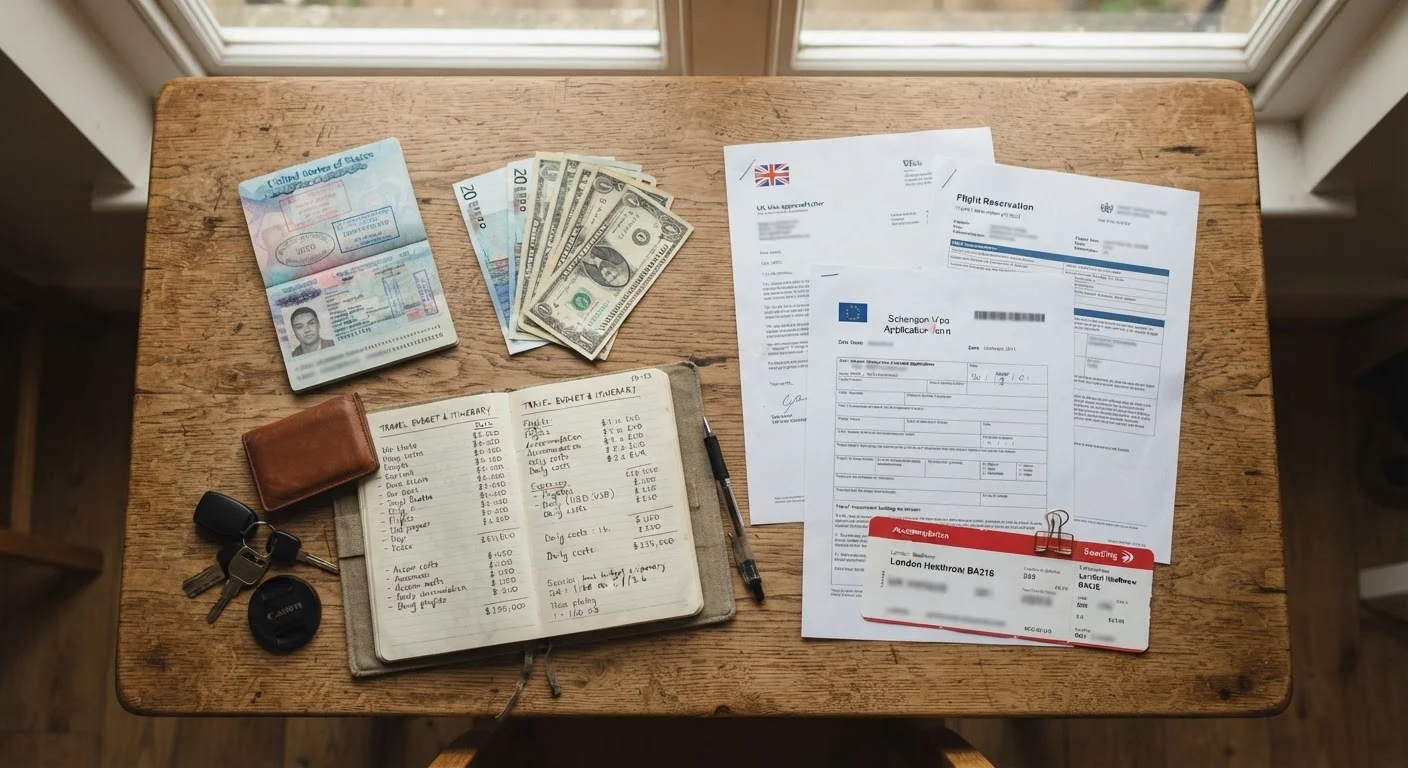
Several popular budget destinations - including Vietnam, India, and Ethiopia - require advance visas that add fees and administrative steps. Requirements change, so travelers must verify current rules through official government sources before booking.
Healthcare access may be limited outside major cities
Rural areas in lower-income countries often lack hospitals meeting Western standards. Comprehensive travel insurance, including medical evacuation coverage, becomes a more significant financial and planning consideration.
Fewer English speakers outside tourist zones
In destinations less accustomed to international tourism, navigating daily logistics - transit, menus, directions - requires more preparation, patience, and often translation tools or basic language study.
Airfare to distant budget regions can offset on-the-ground savings
Long-haul flights to Southeast Asia or East Africa from the US can cost significantly more than transatlantic routes, narrowing the net savings unless the trip is long enough for daily cost differences to compound.
Pre-trip health costs vary by destination
Some regions require or strongly recommend vaccinations - yellow fever, typhoid, hepatitis A - that carry both financial and scheduling implications. Consult a travel medicine clinic well in advance of departure.
Infrastructure gaps are among the most underestimated tradeoffs. In countries with less-developed road and rail networks, getting between cities can take twice as long as a map suggests, and reliability varies significantly. Medical facilities in rural areas of low-income countries may not meet the standard American travelers expect - travel insurance with medical evacuation coverage becomes more important, not less.
It's also worth reading what low cost does and doesn't mean for safety and comfort before making assumptions about risk. A low price tag doesn't imply danger, but it does require that you research conditions on their own terms rather than defaulting to assumptions.
Always Verify Entry Requirements Before You Book
Visa policies, vaccination requirements, and entry rules change without notice. What applied to a destination six months ago may no longer be accurate. Before booking flights to any international destination, check the U.S. Department of State's country-specific travel pages and the destination country's official embassy or consulate website. Do not rely on travel blogs or forums for definitive entry guidance.
How Airfare Changes the Equation
One factor that frequently catches travelers off guard: getting to a budget destination often costs more than getting to an expensive one. A flight from the US East Coast to Paris can be found for $400-$600 round-trip during shoulder season. A comparable flight to Southeast Asia may run $700-$1,100, depending on routing.
That gap can take days to recoup on the ground, even at $50/day savings. Our analysis of what drives price gaps in airfare to budget regions explains why some low-cost countries are actually expensive to reach - and which regions offer the best combined value of flight cost plus on-the-ground spend.
The calculus changes significantly for travelers based in the western US, where transpacific fares to Southeast Asia become more competitive, or for those considering Latin American destinations like Mexico or Colombia, where short flight times and low fares combine more favorably. A comparison of those two options specifically appears in Mexico vs. Colombia for first-time international travelers.
Prices and flight availability vary significantly by season, departure city, and booking window. Always verify current fares directly with airlines or booking platforms before planning around specific figures.