
Why Destination Choice Is Your Biggest Budget Lever
Families often focus their money-saving energy on flight deals or packing snacks - but the single most powerful budget decision you'll make is where you go. A destination's baseline cost structure (accommodation, food, transport, and activities) multiplies across every day of your trip. Choose wisely, and a two-week family vacation becomes genuinely affordable without stripping out the experiences that make travel worth doing.
This isn't about choosing "cheap" destinations. It's about identifying places where your dollar has real purchasing power and where family-friendly infrastructure - public beaches, walkable old towns, accessible national parks - is already built in. The destinations below represent different regions and travel styles, but all share a common trait: families consistently report spending less and doing more. For a deeper look at where budgets quietly balloon, see why family trips cost more than expected.
Vietnam
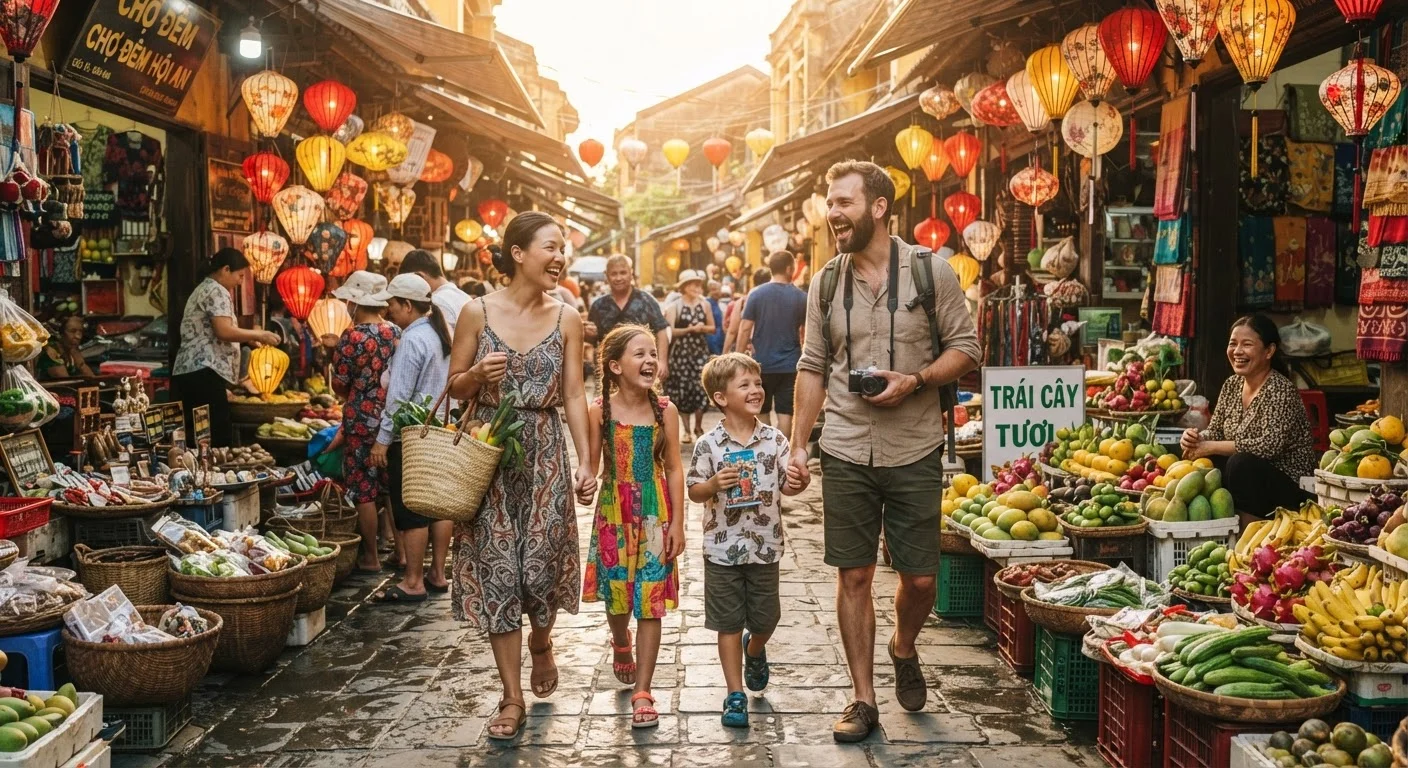
Vietnam is one of the most consistently rewarding destinations for budget-conscious families. Daily costs for a family of four - including a comfortable guesthouse or apartment, three meals, and local transport - can be remarkably low compared to Western equivalents. Street food is safe, abundant, and genuinely delicious; a full bowl of pho costs a fraction of a fast-food meal back home.
Culturally, Vietnam delivers in every direction: ancient towns like Hoi An, the terraced rice fields of the north, beaches along the central coast, and accessible cooking classes that kids actually enjoy. Public beaches are free, overnight trains between cities are affordable and an adventure in themselves, and entrance fees to historic sites tend to be modest. See our broader overview of Southeast Asia's value proposition for regional context.
A full family meal of pho in Vietnam costs a fraction of a fast-food equivalent back home.
Portugal
Portugal punches far above its weight for families seeking Western European culture without Western European price tags. Lisbon and Porto offer world-class museums, historic trams, and extraordinary food - and both cities have free or low-cost public beaches within easy reach. The Algarve coast is particularly family-friendly, with calm waters and amenities that work well for younger kids.
Accommodation in Portugal still trends cheaper than France, Spain's major cities, or Italy, and apartment rentals are widely available. Many national monuments and museums offer free entry on certain days or for children under a set age - always worth checking in advance. For a detailed breakdown of what makes Portugal uniquely accessible, our Portugal budget guide covers the specifics.
Portugal delivers Western European culture and coastline at a noticeably lower baseline cost than most neighbors.
Mexico (Beyond the Resort Zones)
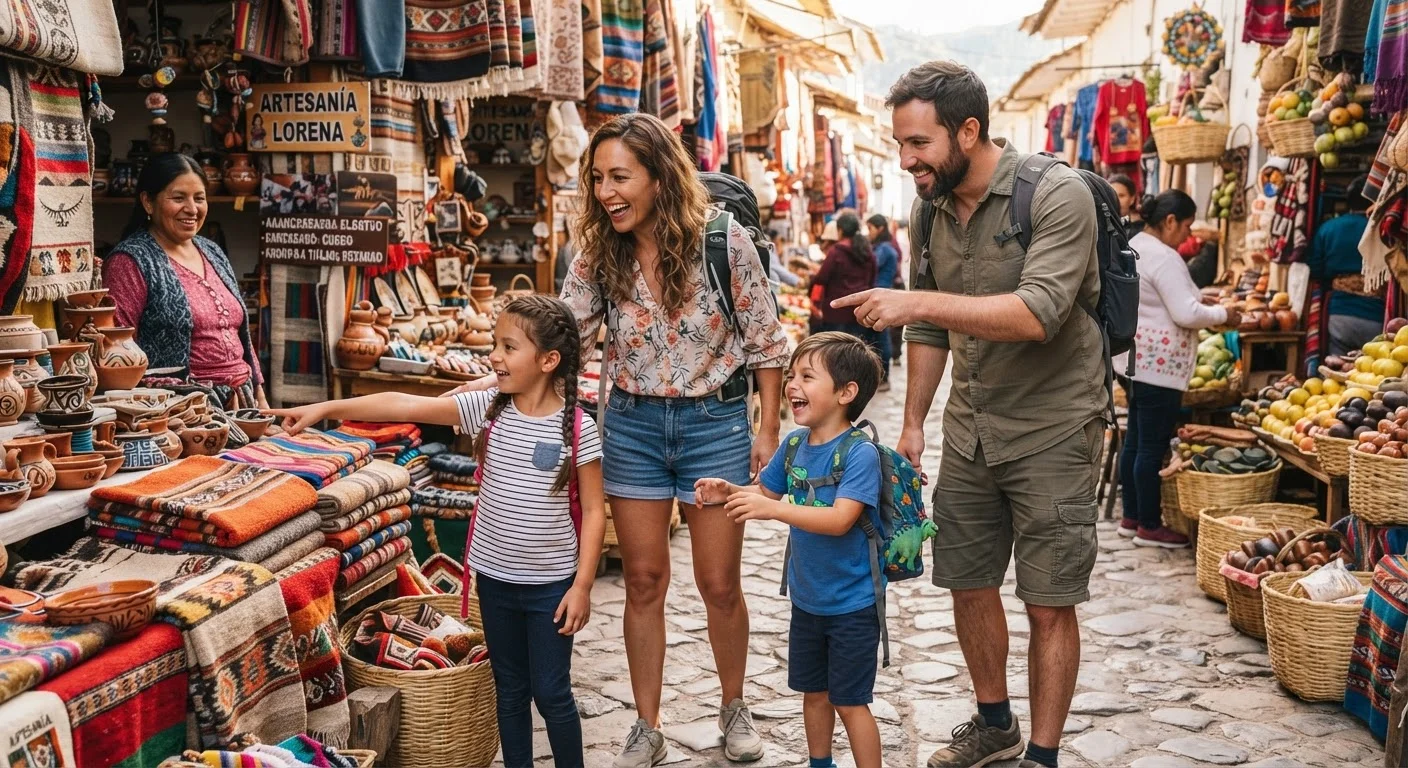
Mexico's resort corridors - Cancún, Los Cabos - can be surprisingly expensive, but step outside them and Mexico becomes one of the most family-friendly value destinations in the world. Cities like Oaxaca, Mérida, and San Cristóbal de las Casas offer rich food culture, colonial architecture, indigenous markets, and nearby archaeological sites at prices that make a two-week trip genuinely accessible.
Short domestic flights within Mexico are competitive, and intercity buses are comfortable and inexpensive. Family accommodation ranges from well-priced guesthouses to apartment rentals with kitchen access. The proximity to the US keeps transatlantic flight costs out of the equation entirely - a meaningful advantage for families watching their total budget. Regional food markets are both a cultural highlight and a way to eat extraordinarily well for very little.
Mexico beyond resort zones offers archaeological wonders, rich food culture, and competitive prices with no transatlantic airfare.
Central Europe: Czech Republic, Poland, and Hungary
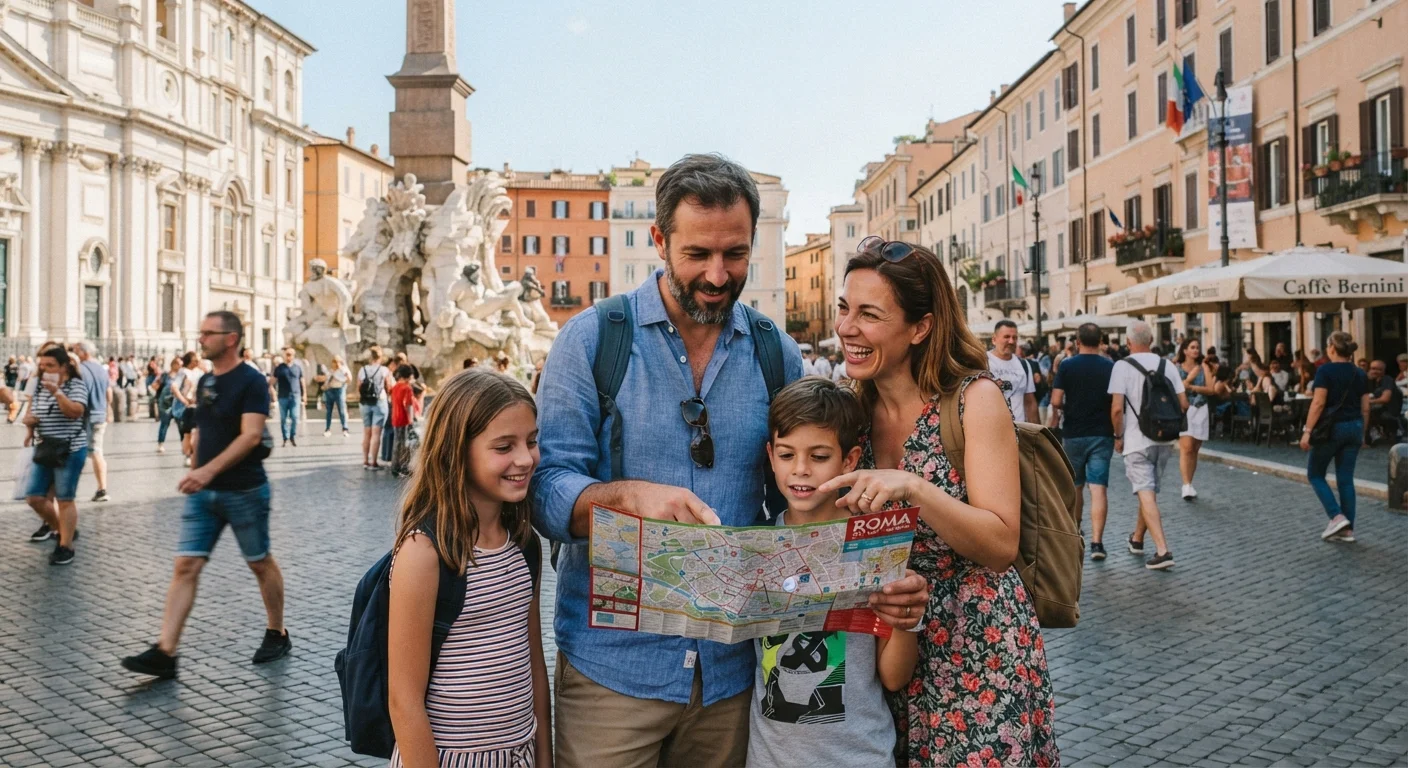
Central Europe is quietly one of the best-value family travel regions accessible from the US. Prague, Kraków, and Budapest are densely packed with history, architecture, and cultural experiences - and daily costs run noticeably lower than Western European capitals. A family dinner at a good restaurant in Kraków's old town will cost a fraction of a comparable meal in Paris or Amsterdam.
These cities are also exceptionally walkable, reducing transport costs, and many attractions - castles, old town squares, parks, riverside promenades - require no entry fee at all. Museum entry tends to be modest, and several major institutions offer free family days. For families interested in history and European culture, this region offers an extraordinary density of experience per dollar spent.
Central European capitals pack centuries of history into walkable, affordable city centers that families can explore for days.
Colombia
Colombia has undergone a remarkable transformation as a travel destination. Medellín's innovation districts and gondola rides, Cartagena's walled colonial city, and the Coffee Region's lush landscapes represent genuinely diverse family experiences - all at costs well below comparable destinations in Europe or Southeast Asia's tourist hubs.
Domestic air travel within Colombia is affordable and frequent, making it practical to combine multiple regions in one trip. Local food - arepas, bandeja paisa, fresh tropical fruit juices - is inexpensive and approachable for most kids. Guided nature excursions and city tours can be arranged at competitive rates. As with any destination, it's important for families to research current travel advisories from official government sources and plan accordingly.
Colombia's combination of colonial cities, mountain towns, and coffee landscapes creates a diverse family itinerary at low daily cost.
Greece (Islands and Mainland)
Greece's reputation for expense is somewhat overstated, particularly outside the high-profile islands of Mykonos and Santorini. The mainland - Athens, the Peloponnese, Thessaloniki - offers extraordinary history, excellent food, and accessible beaches at moderate cost. Lesser-known islands like Naxos, Lefkada, and Crete tend to be significantly more affordable than their famous counterparts while delivering comparable natural beauty.
For families, Greece's combination of safe beaches, ancient ruins that captivate kids and adults alike, and a food culture centered on fresh and simple ingredients is a genuine draw. Renting a car on the mainland or larger islands opens up flexibility at reasonable daily rates. Shoulder-season travel (May or October) reduces both prices and crowds noticeably. For affordable international destination ideas more broadly, explore our budget destinations hub.
Greece's mainland and lesser-known islands deliver ancient history and stunning coastline at costs far below the postcard islands.
Making the Most of a Value Destination
Landing in an affordable destination is just the start. The families who stretch their dollars furthest tend to rent apartments or guesthouses rather than hotel rooms (giving them kitchen access to cut food costs), use local transit instead of private transfers, and build their itineraries around free and low-cost activities that often outperform expensive tourist attractions anyway.
Rent an Apartment, Not a Hotel Room
For families of four, an apartment rental almost always beats two hotel rooms on cost - and the kitchen access changes the food budget equation entirely. Preparing even one meal a day (breakfast is usually easiest) can save a family of four $30-$60 daily over the course of a trip. Look for rentals with washing machines too: fewer packed clothes means fewer checked bags.
Food is the other major variable. Eating where locals eat - markets, neighborhood restaurants, bakeries - doesn't just save money, it's frequently the most authentic part of a trip. Our guide on keeping family food costs down covers this in practical detail. And if you want to avoid the overspending traps that catch even experienced family travelers off guard, this companion piece is worth reading before you book.
Travel costs, entry requirements, visa rules, and safety conditions change. Always verify current requirements with official government sources and relevant embassies before making travel decisions. Prices mentioned are general indicators, not guarantees of what you'll find at time of travel.