
Why the Dollar Goes Further in These Regions
International budget travel isn't simply about finding cheap flights - it's about understanding where the US dollar has structural purchasing power. In countries with lower costs of living relative to the United States, your dollar buys not just more, but meaningfully better: nicer accommodation, fresh local food, guided experiences, and comfortable transit at fractions of comparable US prices.
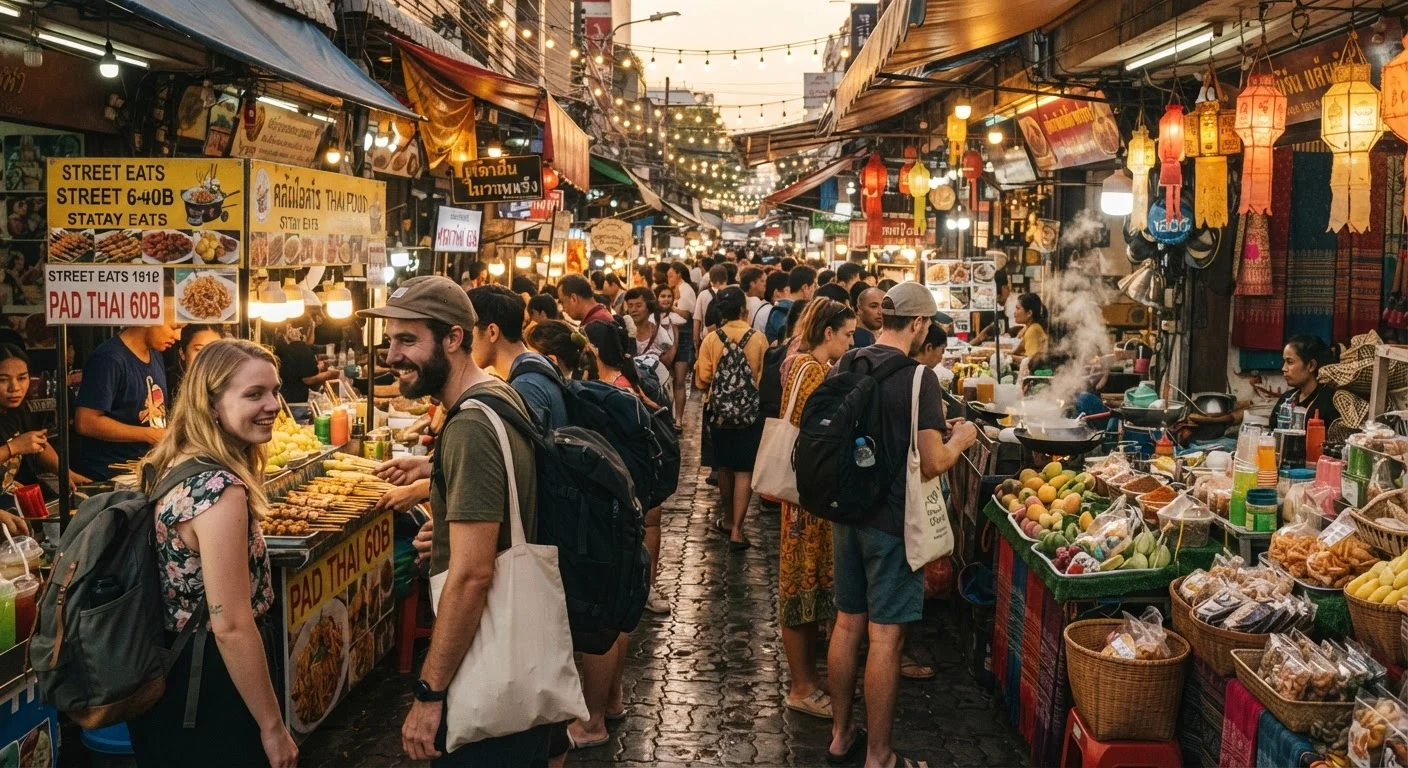
Two forces drive this: nominal exchange rates and purchasing power parity (PPP) - the principle that identical goods should cost the same across countries when converted to a common currency. When a country's local prices are far below US equivalents even after conversion, everyday travel costs drop sharply. This is why a sit-down dinner in Vietnam or Georgia (the country) can cost under $5 USD, while a comparable meal in Western Europe might cost $30 or more.
For Americans planning a first affordable trip abroad, focusing on regions where PPP strongly favors the dollar - Southeast Asia, the Western Balkans, Central America, and parts of South Asia - is the single most effective starting strategy. See our Travel Money Tips hub for deeper guidance on currency strategy and exchange logistics.
$35-$55
Average daily budget in Southeast Asia (USD)
Independent traveler estimates based on accommodation, food, and local transport in countries such as Vietnam, Thailand, and Cambodia.
6 months
Passport validity many countries require beyond entry
A widely enforced rule across Asia, Africa, and parts of Latin America; travelers with shorter validity may be denied boarding.
40-60%
Lower restaurant costs in Western Balkans vs. Western Europe
General cost-of-living comparisons based on PPP data for countries such as Albania, North Macedonia, and Kosovo relative to EU averages.
Underrated Countries That Deliver Exceptional Value
Popular destinations like France or Japan get outsized attention, but several lesser-discussed countries routinely outperform them on value for American travelers.
- Vietnam: Guesthouses from $10-$20/night, street food meals under $2, and extensive intercity bus and train networks. Visa-on-arrival is available for many nationalities; Americans should verify current e-visa requirements at the official Vietnamese immigration portal before travel.
- Albania: One of Europe's most affordable countries, with a euro-adjacent economy and dramatic coastline. Accommodation and restaurant costs run roughly 40-60% below Western European averages.
- Georgia (the country): Tbilisi's guesthouses, world-class cuisine, and wine culture are accessible at remarkably low daily costs. Most nationalities, including Americans, can enter visa-free for extended stays - confirm current rules via official sources.
- Colombia: Medellín and Cartagena offer modern infrastructure, rich culture, and daily budgets well under $60 all-in for independent travelers. The US dollar trades favorably against the Colombian peso.
- Nepal: Trekking infrastructure is extensive and low-cost by global standards. A trekking permit and basic teahouse accommodation make multi-week Himalayan trips achievable on modest budgets.
If you're considering bringing children along, budget family travel guidance covers destination selection and cost management specific to traveling with kids.
Research the shoulder season for your target destination - the weeks just before or after peak tourism typically offer the same conditions at noticeably lower accommodation prices.
Shoulder season demand drops reduce rack rates at guesthouses and hotels, sometimes by 20-40%, without meaningfully compromising the travel experience.
Prioritize destinations with developed overland transport networks - buses, trains, and shared minivans - over those requiring domestic flights between attractions.
Domestic flights are often the single largest hidden cost in a multi-city itinerary; overland travel in Southeast Asia or the Balkans can cost 80-90% less for comparable distances.
Understanding Your Real Costs Before You Book
A low airfare can obscure an expensive destination. Before booking, calculate a realistic total daily cost that includes accommodation, meals, local transportation, activities, and incidentals. For most budget destinations, this falls into three tiers:
| Region | Estimated Daily Budget (USD) | Notes |
|---|---|---|
| Southeast Asia | $25-$55 | Varies significantly by country and travel style |
| Central America | $35-$65 | Higher in tourist corridors; lower in secondary cities |
| Eastern/SE Europe | $40-$75 | Western Balkans outperform EU member states |
| South America | $35-$70 | Exchange rate sensitivity - research current rates |
Don't overlook pre-departure costs: travel insurance, required vaccinations, airport transfers, and checked baggage fees can add $100-$400 per trip. Our pre-departure budget checklist walks through every line item to verify before you commit to a booking.
Cheap Flights Don't Equal Cheap Trips
A $400 round-trip flight to a destination with $150/night average accommodation and limited budget food options can cost more than a $700 flight to a destination with $20/night guesthouses and $3 meals. Always calculate total trip cost - flights plus daily spend multiplied by trip length - before comparing destinations.
Entry Requirements, Visas, and What to Verify
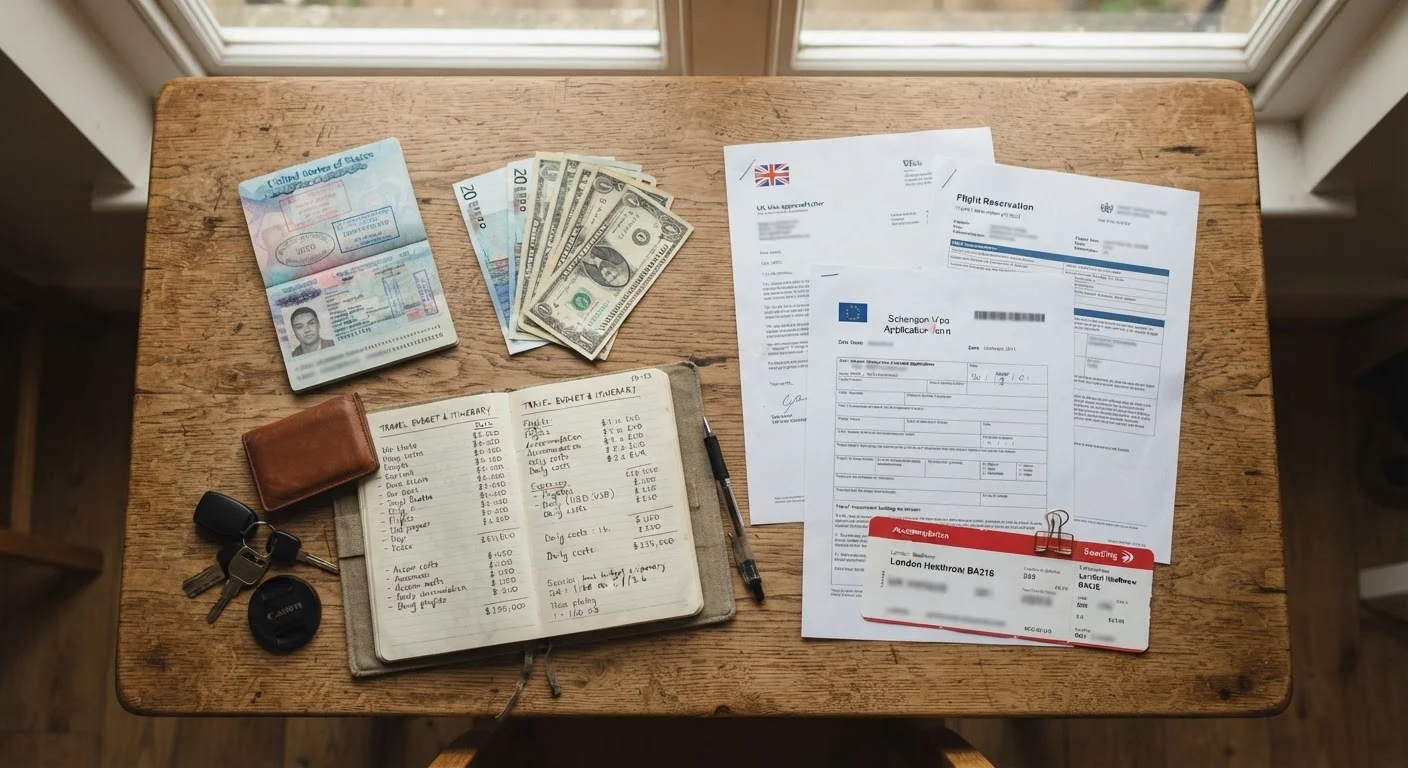
Americans hold a powerful passport - but visa-free access is not universal, and the rules change. Before any international trip, verify the following through official channels:
- Visa requirements: Check the US Department of State's travel website and the destination country's official immigration or consular site. Some countries offer visa-on-arrival; others require advance applications with processing windows of weeks.
- Passport validity: Many countries require your passport to be valid for at least six months beyond your entry date. A passport expiring in four months may be denied boarding.
- Health entry requirements: Some destinations require proof of specific vaccinations (yellow fever is common for travel from certain regions). Consult the CDC's travel health notices and your healthcare provider well in advance.
- Travel advisories: The State Department issues advisories at four levels (Normal Precautions through Do Not Travel). Review these, but also read the detailed text - many Level 2 destinations are safe for informed travelers exercising reasonable precautions.
Verify Entry Rules Close to Departure
Visa policies, health entry requirements, and travel advisories can change with limited or no advance notice. Information that was accurate when you booked may be outdated by your departure date. Always check the US Department of State and the destination country's official immigration authority within 30 days of travel - not just at the time of booking.
Entry requirements can change with limited notice. Always verify through official government and embassy sources within 30 days of your departure, not at the time of booking months earlier.
Managing Money on the Ground
How you access and spend money abroad has a direct impact on your budget. Key principles for first-time international travelers:
- Use ATMs strategically: Withdraw local currency from bank-affiliated ATMs in larger amounts to minimize per-transaction fees. Avoid airport currency exchange counters, which typically carry high margins.
- Notify your bank before departure: Many US banks will freeze cards flagged for foreign transactions. A quick notification prevents this.
- Carry some local cash: Rural areas, local markets, and small guesthouses frequently don't accept cards. Having cash on hand is a practical necessity in many budget destinations.
- Understand dynamic currency conversion (DCC): When a card terminal offers to charge you in US dollars instead of local currency, decline. DCC rates are consistently worse than your bank's conversion rate.
For travelers planning extended stays, managing money on a long-term international trip covers multi-currency accounts and budgeting rhythms for weeks or months abroad. First-timers should also read our travel money guide for first-time international travelers before departure.
Building Your First International Budget Trip
Bringing all of this together into an actionable plan means working through a consistent sequence: choose a high-value destination region, calculate a realistic total trip cost (flights plus daily budget multiplied by days), verify entry requirements, secure travel insurance, and arrange your money access strategy before departure.
First-time international travelers often underestimate how manageable the logistics are once broken into steps. The key is front-loading your research - visa timelines, vaccination requirements, and passport validity checks should happen months before booking, not the week before departure.
Solo travelers on a first international trip will find additional grounding in our plain-language solo budget travel guide, which addresses safety, planning mindset, and spending strategy for independent travelers.
Start With One Region, Not One Country
First-time international budget travelers often get more value from planning a multi-country trip within a single region - say, Colombia and Ecuador, or Vietnam and Cambodia - than jumping between continents. Regional travel shares a currency zone (often), overlapping infrastructure, and reduces total flight costs significantly.
This article provides general travel information for educational purposes. Visa rules, health requirements, exchange rates, and travel advisories change frequently. Always verify current requirements through official government and embassy sources before making travel decisions. This is not personalized financial, legal, or medical advice.