
Choosing the Right Destination for Your Family's Budget
The single most powerful budget decision you'll make is where you go. A family of four spending a week in an expensive city can spend three times as much as the same family at a comparably distant but lower-cost destination. Start by thinking in categories: domestic vs. international, urban vs. nature-based, and high-season vs. shoulder-season travel.
For first-time family travelers, domestic destinations offer a meaningful advantage: no passport logistics, no currency learning curve, and predictable costs. That said, certain international destinations - particularly in parts of Latin America, Southeast Asia, and Eastern Europe - can be genuinely affordable even after flights. Our budget destination hub is a solid starting point for international ideas.
Consider your children's ages honestly. Toddlers thrive with slower itineraries and outdoor space; school-age kids often engage more with cultural exploration. Matching the destination's pace and features to your family's actual needs reduces both costs and in-trip stress.
Building Your Family Travel Budget Before You Book
A budget written before you book is the closest thing to a financial safety net in travel. Without one, families routinely underestimate total costs by 30-50% - not because they're careless, but because costs like airport meals, checked bag fees, and attraction entrance prices are easy to forget in the planning phase.
Organize your budget into six categories: transportation (flights or driving), accommodation, food, activities, incidentals (tips, transit, parking), and an emergency buffer of roughly 10-15% of the total. Our detailed guide on building a family travel budget walks through every line item you should account for before leaving home.
One often-overlooked reality: food costs for families with young kids scale faster than you'd expect. Children snack constantly, and tourist-area cafés charge tourist prices. Budget generously for food - it's where most first-time family travelers see their biggest overspend.
Write Your Budget in a Shared Document
Using a shared spreadsheet or notes app that all traveling adults can access means everyone stays aligned on spending limits in real time. Update it as you confirm bookings - the running total will immediately reveal if you're overcommitting in one category. This small habit prevents the mid-trip budget shock that catches so many first-time family travelers off guard.
Booking Flights and Accommodation Strategically
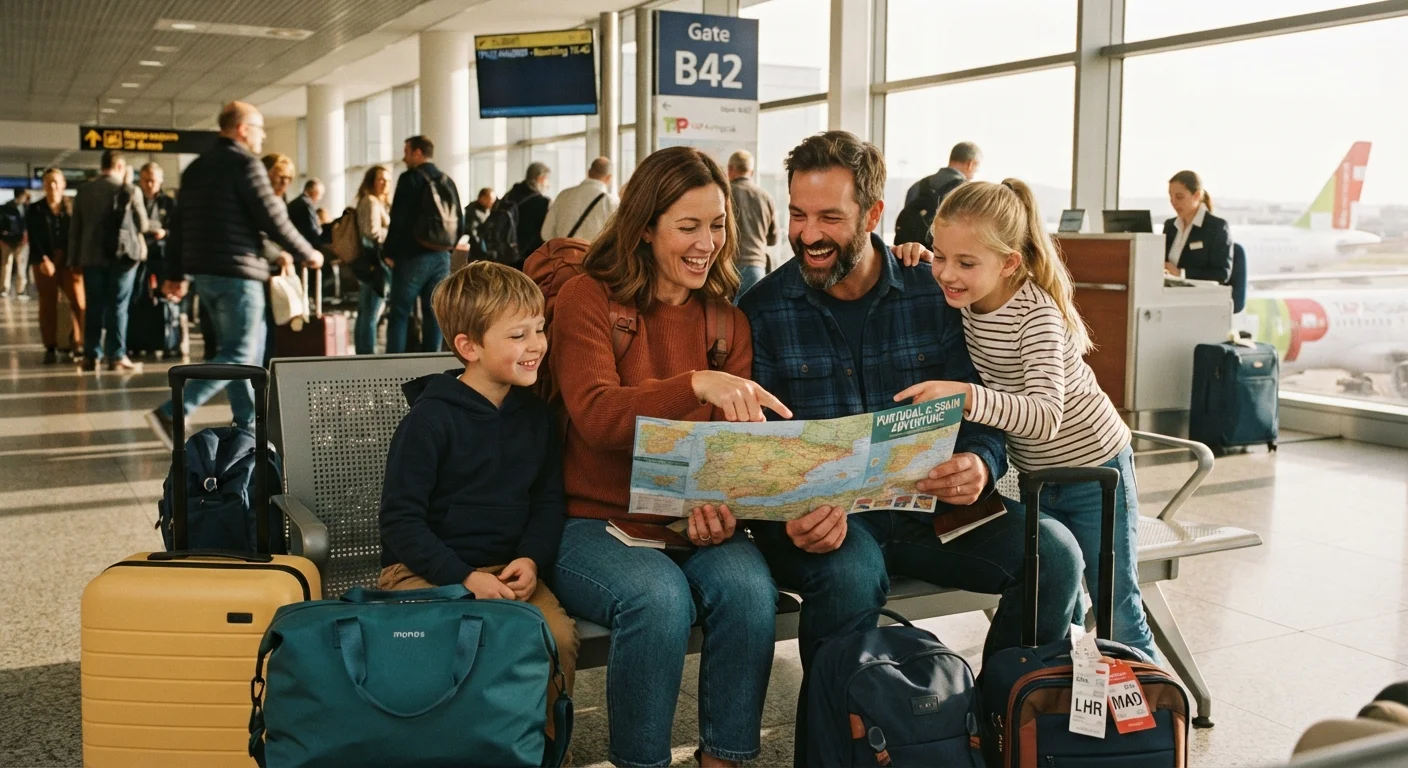
Timing and accommodation type matter more than which booking platform you use. For flights, midweek departures and returns tend to carry lower fares than weekend travel. Booking well in advance - typically several months out for peak periods - gives you more seat and price options, especially important when securing multiple seats together for a family.
For accommodation, consider whether a vacation rental with a kitchen fits your family better than a hotel room. Self-catering even a few meals per day can substantially reduce food costs. If you prefer hotels, suites or adjoining rooms are often more economical per person than booking two separate rooms.
If you're planning your first international family trip, our first international trip guide covers passports, entry documentation, and destination selection in practical detail. For a framework to allocate your total budget across booking categories, see our fixed-budget planning framework.
Managing Daily Costs on the Ground
How you spend each day on the ground determines whether your budget holds. Three habits make the biggest difference: eating like a local, using public or shared transportation where safe and practical, and front-loading paid activities so you don't overspend early in the trip.
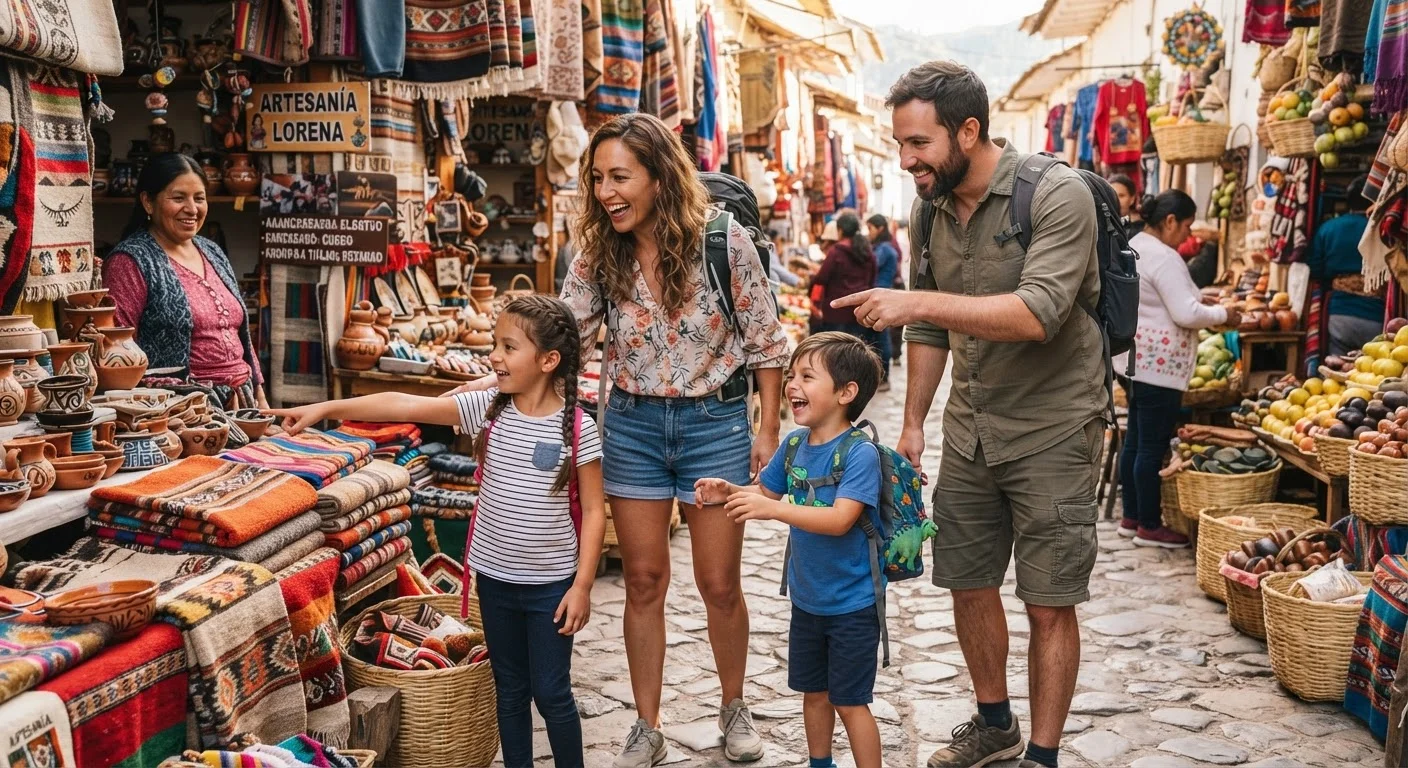
Markets, grocery stores, and neighborhood restaurants almost always offer better value than tourist-strip eateries. Many cities have free or low-cost museum days, public parks, beaches, and cultural events that kids genuinely love. Check the destination's official tourism site or local community boards before arriving for a current list.
For families handling international currency for the first time, understanding exchange rates and transaction fees prevents invisible budget leakage. Our travel money guide for first-time international travelers explains how to carry, exchange, and spend money abroad without costly surprises.
Don't Skip the Emergency Buffer
Unexpected costs on family trips are nearly inevitable - a sick child, a missed connection, a broken piece of gear. Without a dedicated buffer, these moments force you to overspend your planned categories or cut the trip short. Reserve at least 10% of your total travel budget for unplanned expenses before you commit a single dollar to bookings.
Packing Smart to Avoid Surprise Expenses
Overpacking leads to baggage fees; underpacking leads to on-trip purchases. Both erode your budget. A reliable rule for families: pack what you think you need, then remove roughly a quarter of it. Young children genuinely need fewer outfit changes than parents typically pack, especially with access to a washing machine or laundromat.
Pack a small first-aid kit, reusable water bottles, snacks for transit days, and any destination-specific items (sunscreen is dramatically cheaper bought at home than at a beach resort). Carry-on-only travel eliminates checked bag fees entirely and speeds up airport logistics - a real quality-of-life win with young kids.
Before your family departs, our pre-departure checklist covers documents, money prep, packing essentials, and cost-saving steps in one place. And for the complete end-to-end picture from planning to arrival, The Complete Guide to Budget Family Travel is the natural next read.