
How Shore Excursions Actually Work
A shore excursion is any organized activity or tour that takes place during a port call - the window when the ship is docked or anchored and passengers are free to go ashore. They range from two-hour city walking tours to all-day jeep safaris, cooking classes, snorkeling trips, and cultural heritage visits.
Port days follow a defined schedule: the ship arrives at a set time, an all-aboard deadline is announced (typically 30-60 minutes before departure), and the ship leaves on schedule regardless of who is back. That hard cutoff defines the entire planning logic for excursions. If you're new to how cruise itineraries are structured around these port calls, our introduction to cruise shore days explains the framework clearly.
Excursions are sold through two channels: directly by the cruise line, or independently through third-party operators. Each channel has distinct trade-offs on price, flexibility, and risk - covered in the next section.
Ship-Sold vs. Independent Excursions: The Real Trade-offs
The central decision every cruiser faces is whether to book through the ship or arrange tours independently. Neither is universally better - the right choice depends on the port, activity type, and your risk tolerance.
Ship-Sold Excursions
- Return guarantee: The ship will wait for you if a ship-sold tour runs late - a meaningful protection in unfamiliar or logistically unpredictable destinations.
- Vetted operators: Cruise lines contract with local operators and assume accountability for safety standards.
- Higher cost: Expect to pay a premium of roughly 30-50% over comparable independent tours for that guarantee and convenience.
Independent Excursions
- Lower price: Direct booking with local operators frequently cuts costs substantially, particularly for common activities in well-touristed ports.
- More flexibility: You can customize timing, group size, and itinerary in ways cruise-line packages don't allow.
- Timing risk: If something goes wrong - traffic, breakdowns, operator delays - the ship will not wait for you.
Independent Tours Come With a Timing Risk
Cruise ships do not wait for passengers who booked independently and return late - the ship will sail without you. If you choose an independent operator, build in substantial buffer time before all-aboard, verify the operator's track record with port timing, and have a contingency plan for reaching the next port if something goes wrong. This risk is real, not theoretical.
For a deeper breakdown of the independent booking process, including what to verify about local operators, see our first-timer's excursion guide.
What Shore Excursions Really Cost
Advertised excursion prices are frequently incomplete. Understanding the full cost structure prevents unwelcome surprises at the end of a port day.
30-50%
Typical premium for cruise-line excursions over independent operators
Industry pricing comparisons consistently show cruise lines mark up third-party tour costs substantially to cover commissions and guarantees.
~$100-$200
Average per-person cost of a mid-range ship excursion
Shore excursion pricing varies widely by destination and activity type; specialty or adventure tours regularly exceed $250 per person.
20%+
Additional cost from fees not listed in base excursion price
Gratuities, equipment rentals, park entrance fees, and fuel surcharges are frequently excluded from the headline price shown at booking.
Common Hidden Costs
- Gratuities
- Guides and drivers customarily expect tips, typically 10-15% of the tour cost, and these are rarely included in the listed price.
- Equipment and gear fees
- Snorkeling equipment, wetsuits, bicycle rentals, and similar items are often charged separately, adding $15-$40 per person.
- Entrance fees
- National park fees, heritage site admissions, and museum tickets are frequently excluded from package pricing.
- Fuel surcharges
- Some operators add fuel or transportation surcharges after booking, particularly on longer routes.
When comparing ship-sold to independent options, request a full written inclusions list from any operator so you're comparing equivalent packages.
Which Excursions Are Worth Paying For
The clearest cases for paying - whether through the ship or a reputable independent operator - share common characteristics: remote access, physical complexity, specialized equipment, or meaningful safety considerations.
Generally Worth the Cost
- Remote natural sites requiring coordinated transport (volcano hikes, backcountry wildlife areas, offshore dive sites)
- Activities requiring certified guides for safety reasons, such as cave diving, rappelling, or glacier walks
- Tender-port destinations where excursion guests receive priority boarding and compressed shore time makes independent logistics difficult
- Ports with limited public transport or where language barriers make self-navigation genuinely difficult
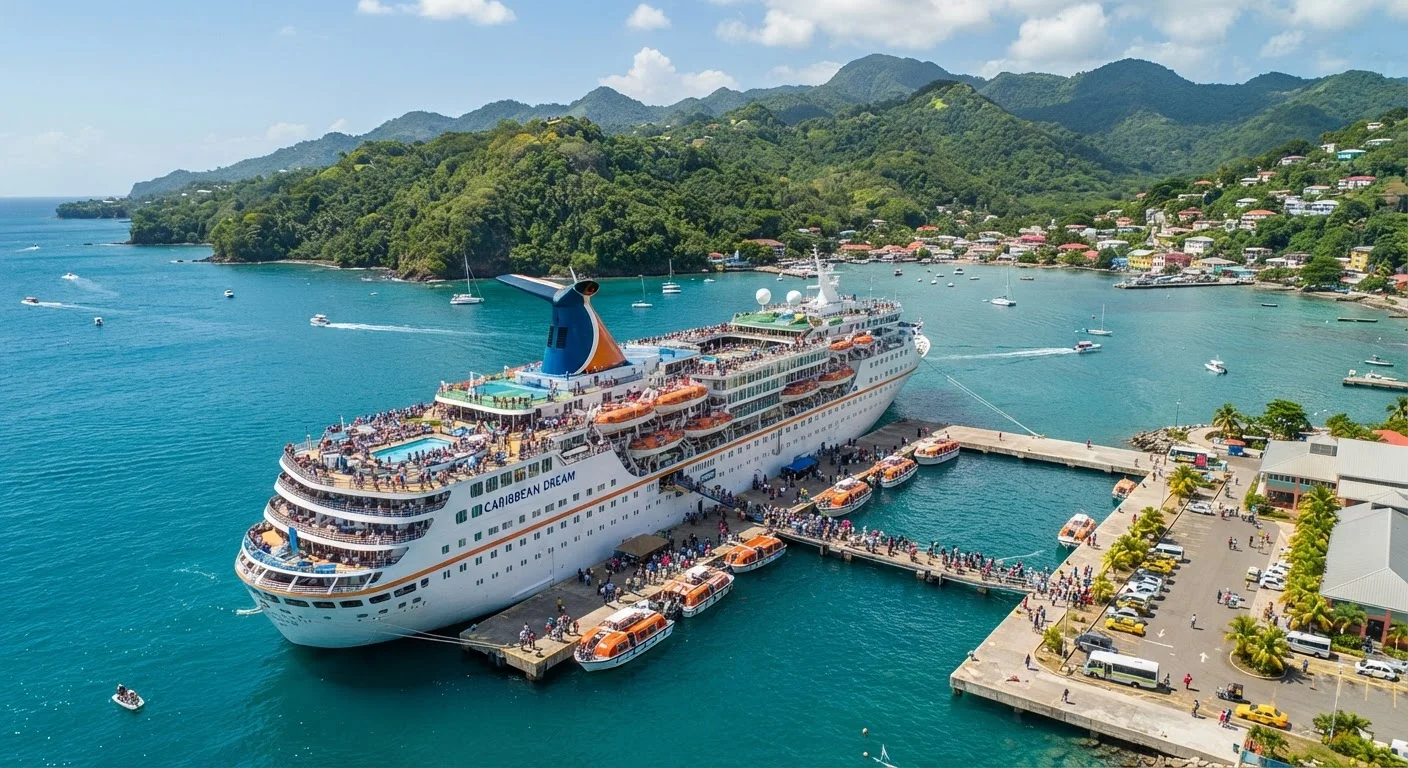
For any port where your ship anchors offshore and uses tender boats, confirm excursion tender priority before booking independently - ship excursion guests often get earlier access to tenders, which can affect timing significantly.
Tender ports have limited boat capacity and shore time is compressed; missing early tenders can cut your independent tour short or cause you to miss departure entirely.
Request a detailed itinerary and vehicle type in writing from any independent operator before you pay, especially for multi-stop land tours.
Vague itineraries are a common source of disappointment; knowing exactly what's included and how much time is spent at each stop lets you compare operators fairly and avoid surprises.
When You Can Likely Skip the Paid Tour
- Walkable port towns with compact historic centers (many Mediterranean stops fit this description)
- Ports with cheap, reliable local taxi or shuttle services to main attractions
- Beaches directly adjacent to the dock - some of the best beach days on a cruise cost nothing beyond a towel
Excursion Add-Ons to Scrutinize Carefully
Beyond the tour itself, cruise lines and operators offer a range of add-ons that deserve careful evaluation before purchase.
Photo Packages
Many adventure excursions offer professional photography packages. These can be worthwhile for once-in-a-trip experiences like whale encounters or zip-lining, but are rarely cost-effective for standard city or beach tours where your own photos will suffice.
Meal Inclusions
Excursions marketed as including lunch or dinner sometimes deliver that promise well - a cooking class with a sit-down meal, for instance. Others include perfunctory buffets at tourist-oriented restaurants that don't represent local cuisine. Read recent reviews specifically about the food component before assuming it adds value.
Shore Excursion Insurance
Some cruise lines upsell excursion protection that covers cancellations or interruptions. Evaluate this against your existing travel insurance policy - you may already have comparable protection. See our complete cruise planning guide for how excursion costs fit into overall trip budgeting.
Read Cancellation Terms Before You Commit
Shore excursion cancellation policies differ considerably between cruise lines and independent operators. Some ship-sold excursions are fully refundable if cancelled 48 hours before port arrival; others are non-refundable the moment you book. Independent operators may have stricter no-refund windows. Always read the specific cancellation terms - not just the general policy overview - before paying.
How to Plan and Book Effectively
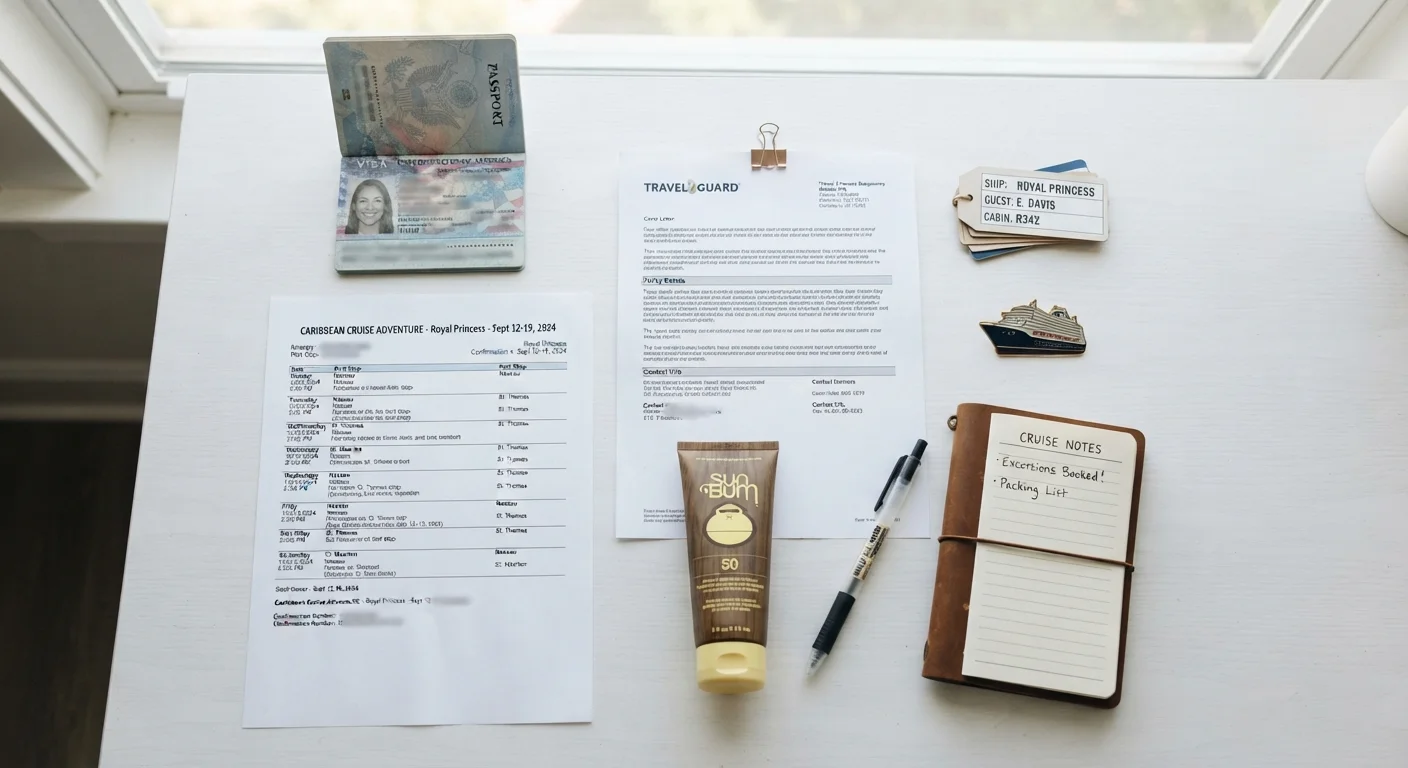
Effective excursion planning happens well before embarkation day, not in the ship's excursion lounge on the morning of a port call.
Research Ports Before You Book Anything
Not every port warrants a paid excursion. Many Caribbean and Mediterranean ports are compact, walkable, and well-served by inexpensive local taxis or public buses. Spending 30 minutes researching a port's layout and public transport options before booking can save you $80-$150 per person. Our port-by-port research guide is a useful starting point.
A Practical Planning Sequence
- Map each port day - note arrival and departure times, whether the ship docks or tenders, and how much usable shore time you actually have after accounting for disembarkation queues.
- Categorize each port - is it walkable? Remote? Does it have reliable public transport? This determines whether a paid excursion is necessary at all. Use the port research reference guide to structure this step.
- Compare options systematically - gather full inclusions lists, cancellation terms, and recent reviews for both ship-sold and independent alternatives before deciding.
- Book early for capacity-limited activities - whale watching, cooking classes, and small-group adventure tours fill up. Booking 60-90 days before sailing is not excessive for popular itineraries.
- Build in buffer time - regardless of how you book, plan to be back at the dock at least 30 minutes before all-aboard, not exactly at the deadline.
Shore excursions represent one of the largest variable expenses on a cruise. Approaching them with the same analytical discipline you'd apply to airfare or hotel choices - comparing total cost, reading the fine print, and being honest about what you'll genuinely use - consistently produces better value than defaulting to the ship's catalog or making last-minute decisions at the pier.
For a broader view of how excursion spending fits into your overall cruise budget, the complete cruise planning guide covers budgeting from first booking through disembarkation.
Excursion Availability Varies by Season
Many shore excursions have limited capacity, and popular activities in high-traffic ports can sell out weeks before embarkation. Conversely, some excursions in shoulder or off-peak seasons operate with reduced schedules or minimum passenger requirements. Verify availability and any seasonal restrictions when planning, particularly for adventure or specialty activities.