
How a Cruise Itinerary Actually Works
A cruise itinerary is a scheduled route between ports, with your ship serving as both transportation and accommodation throughout. Most sailings follow a predictable rhythm: an embarkation day when you board, a mix of port days when the ship docks at destinations, and sea days spent sailing between them. A seven-night Caribbean cruise might include two sea days and four port stops - each day structured around the ship's schedule, not yours.
The ship operates on a published timetable. Every port has a posted all-aboard time, typically 30 to 60 minutes before departure. Missing it means the ship leaves without you - a real risk that catches first-timers off guard when tours run long or traffic is unpredictable. Build buffer time into every port day.
Embarkation
The process of boarding the cruise ship at the start of your voyage, typically at a designated home port terminal.
Port day
A day when the ship docks at or near a destination, giving passengers time ashore to explore, tour, or enjoy the location independently.
Sea day
A day spent entirely at sea while the ship travels between ports. Onboard activities, dining, and entertainment are available throughout.
Tendering
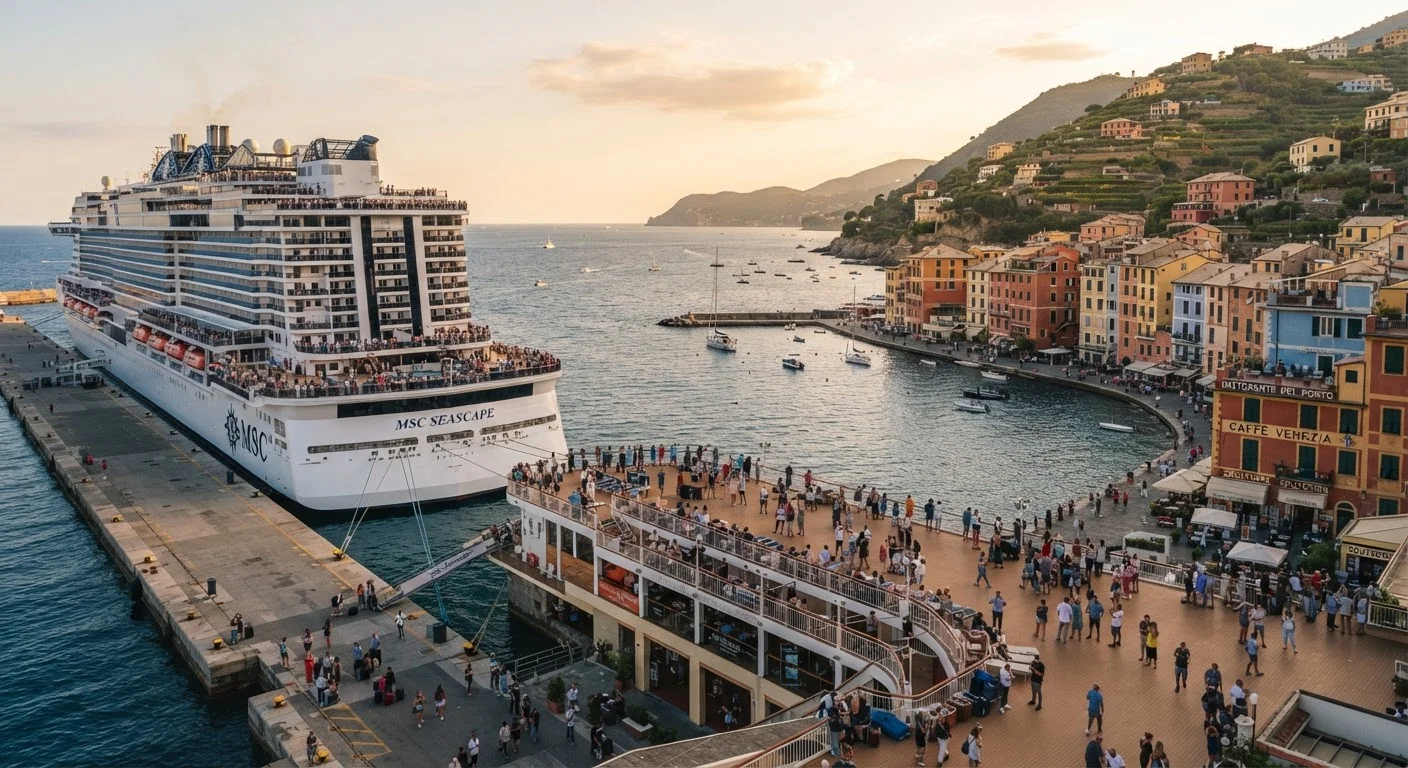
When a port cannot accommodate a large ship dockside, passengers are ferried ashore in smaller tender boats. This adds transit time and can limit how long you spend on land.
All-aboard time
The mandatory deadline by which all passengers must return to the ship before it departs a port. The ship will leave on schedule regardless of who is missing.
Onboard account
A running tab tied to your cabin that accumulates charges for extras like drinks, excursions, spa services, and gratuities, settled at the end of the voyage.
For a deeper dive into everything from itinerary selection to onboard budgeting, the complete cruise planning guide covers the full journey from first search to disembarkation.
Life Aboard Ship: What to Expect Day to Day
Modern cruise ships are essentially floating resorts. A large vessel might carry 3,000 or more passengers and include multiple dining venues, pools, entertainment theaters, fitness centers, and retail shops. The scale can feel disorienting at first - most experienced cruisers recommend spending the first sea day learning the ship's layout before you need to find anything quickly.
Sea days are underutilized by many first-timers who treat them as dead time. In practice, they're an opportunity to use amenities that are crowded on embarkation day: the spa, specialty restaurants, deck areas. Since sea-day activities are largely included in your fare, they represent some of the highest-value hours of the sailing.
Make the Most of Sea Days
Sea days are when ship amenities are least crowded and entirely included in your fare - making them genuinely high-value time. Use them to try the spa during off-peak hours, attend free enrichment lectures, or explore dining venues you haven't visited yet. Treating sea days as rest-and-explore opportunities rather than wasted travel time dramatically changes the feel of a cruise.
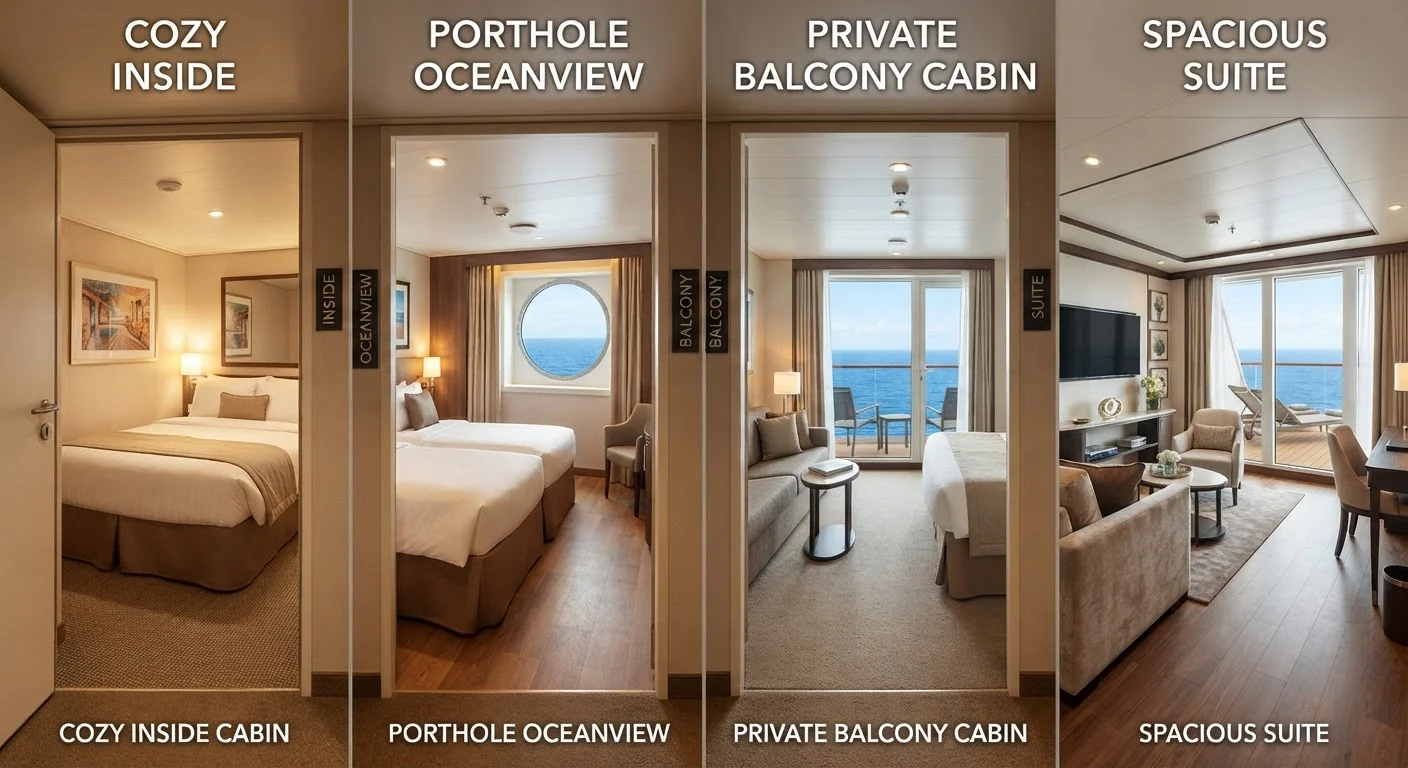
Your cabin - whether an interior room or a balcony - will be smaller than most hotel rooms. Storage is genuinely limited. See our guide on packing sensibly for a cruise to avoid bringing items the ship already provides.
Shore Days: Ports, Excursions, and Independent Exploration
Port days are the highlight of most itineraries, but they're shorter than new cruisers expect. A ship docking at 8 a.m. with an all-aboard time of 5 p.m. gives you roughly eight hours - subtract tendering time if the port requires a small boat transfer, and your window narrows further.
Passengers broadly have two options on shore days: book an organized excursion (either through the cruise line or a third-party operator) or explore independently. Ship-organized excursions carry a guarantee: if your tour runs late, the ship waits. Independent exploration is often cheaper and more flexible, but the responsibility for returning on time falls entirely on you.
For a thorough breakdown of how to evaluate excursion options, compare costs, and avoid common pitfalls, see everything you need to know about cruise shore excursions. The Excursions & Add-Ons hub also offers broader guidance on managing cruise extras smartly.
Understanding What's Included - and What Costs Extra
Cruise fares bundle accommodation, most meals, and entertainment into a single upfront price - which is genuinely convenient and can represent solid value. However, several categories of spending sit entirely outside that fare and can add up significantly if you're not tracking them.
Extra Costs Add Up Faster Than Expected
It's common for first-time cruisers to underestimate total trip cost by several hundred dollars per person once gratuities, beverages, excursions, and specialty dining are factored in. Before sailing, write down every category of likely extra spending and set a daily onboard budget. Reviewing your onboard account balance mid-voyage helps avoid a surprising final bill.
- Gratuities: Most lines add $16-$20 per person per day automatically to your onboard account.
- Beverage packages: Alcohol and specialty coffee are rarely included; packages to cover them vary widely in value depending on your drinking habits.
- Specialty dining: Restaurants beyond the main dining room and buffet carry per-person surcharges, typically $30-$60.
- Wi-Fi: Satellite internet is sold separately, usually by the day or voyage, and speeds vary considerably at sea.
- Port fees and taxes: These are often quoted separately from the base fare - confirm the all-in price before comparing sailings.
Tracking these categories before you sail - not after - is how budget-conscious travelers keep the total trip cost close to what they planned.
Choosing Your First Sailing Wisely
For a first cruise, a five- to seven-night sailing on a well-trafficked route gives you enough time to find your footing without overcommitting. Short Caribbean, Bahamas, or Mexican Riviera sailings from US homeports minimize pre-cruise logistics and flight costs - a meaningful advantage when you're still learning what you like about cruising.
Ship size matters too. Larger ships offer more amenities and dining variety; smaller ships reach ports that bigger vessels can't, and can feel less overwhelming. Neither is objectively better - it depends on what you value from the experience.
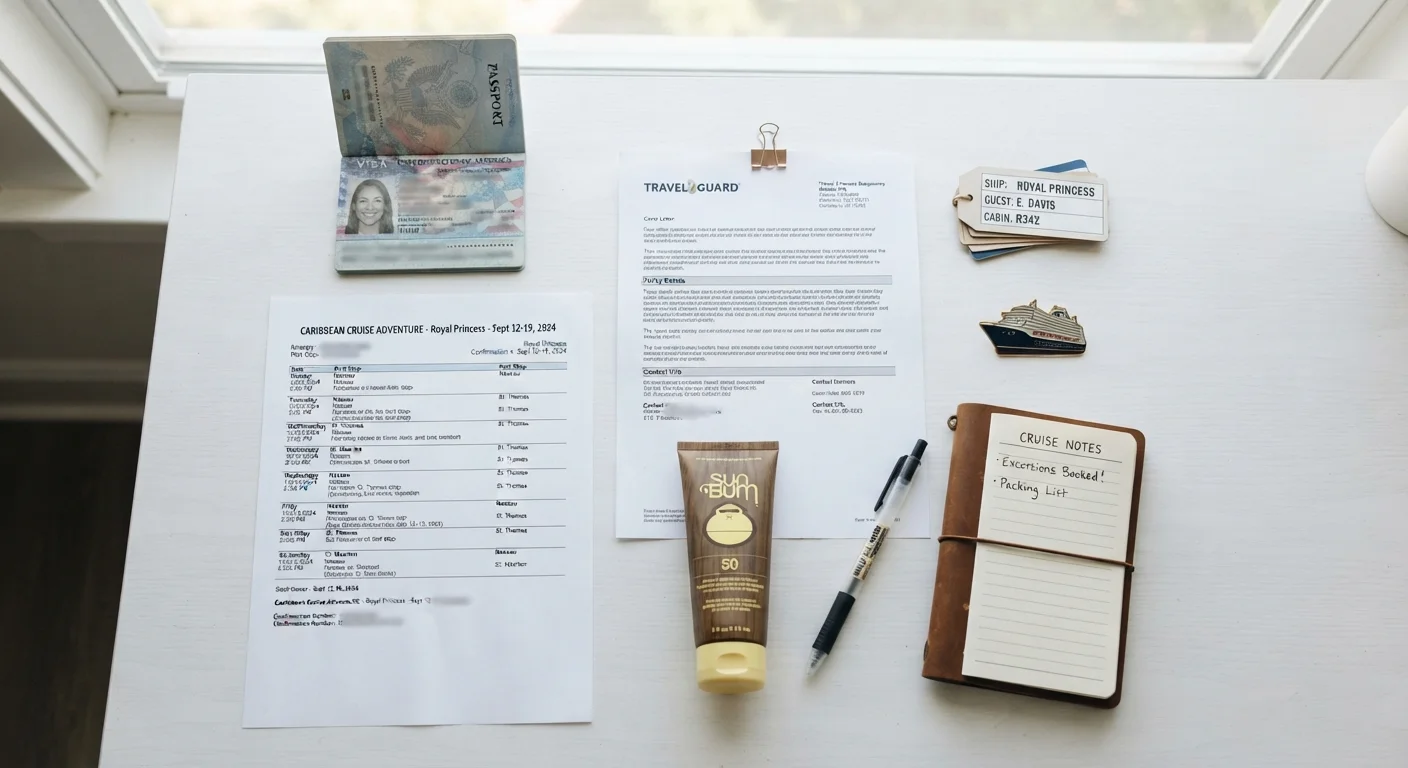
Once you've identified a sailing, work through the practical details systematically. Our pre-cruise planning checklist for first-timers covers passports, travel insurance, embarkation logistics, and onboard accounts - the steps that protect both your trip and your budget before departure day arrives.
This article is for general informational purposes only. Cruise pricing, inclusions, itineraries, and policies vary by cruise line and sailing and are subject to change. Verify all details directly with your cruise line or a licensed travel professional before booking. Entry requirements, health protocols, and travel advisories should be confirmed with official government sources prior to travel.