
Choosing the Right Cruise for Your Budget
Selecting a cruise starts with matching your expectations to what different itinerary types actually deliver. Caribbean sailings from Florida ports tend to carry the lowest base fares because competition is intense and ship capacity is high. Mediterranean, Alaska, and transatlantic routes command higher per-night rates but can offer stronger overall value when flight costs, accommodation, and meals are factored in across the full trip.
Itinerary length matters as much as destination. A seven-night sailing typically costs less per night than a four-night short cruise, which tends to attract higher-spending onboard demand - meaning cruise lines price them accordingly. Longer sailings of 10-14 nights spread fixed costs across more days and often include ports that are harder to visit independently.
If you're new to cruising, see our practical introduction to ships, sailings, and shore days before narrowing your options. Families comparing cruise value against other trip types may also find useful context in our complete guide to budget family travel.
$1,800+
Average per-person total cruise spend
Industry analysis suggests the all-in cost of a 7-night Caribbean cruise, including fees, gratuities, and onboard spending, frequently exceeds the advertised cabin fare by 40-60%.
30-60%
Shore excursion premium via cruise line
Independent travel researchers consistently find that cruise-sold shore tours carry a significant markup over equivalent independently booked experiences at the same ports.
6-18 months
Optimal advance booking window
Cruise industry pricing patterns generally reward early bookers with better cabin selection; last-minute windows (under 90 days) offer discounts but with limited choice.
Understanding the Real Cost of a Cruise
The cabin fare displayed in search results is almost never the number that hits your credit card. Taxes and port fees - which are non-negotiable government and port authority charges - are sometimes excluded from headline pricing, adding $100-$300 per person depending on the itinerary. Daily gratuities, typically charged automatically at $15-$20 per person per day, are another line item that surprises first-timers.
Beverage packages, specialty restaurant reservations, spa treatments, casino credits, and Wi-Fi are all sold separately and generate the majority of a cruise line's onboard revenue. A drink package alone can add $60-$100 per person per day. Understanding which inclusions genuinely reflect your travel style - versus marketing you don't need - is the central budget discipline of cruise planning.
Mandatory Fees Are Not Optional
Port fees, taxes, and daily gratuities are effectively mandatory costs on nearly all cruises - they cannot be waived and are not reflected in most headline fares. Budget for an additional $150-$300 per person in fees and $15-$20 per person per day in gratuities on top of any advertised price. Failing to account for these charges is the single most common reason first-time cruisers feel misled by their final invoice.
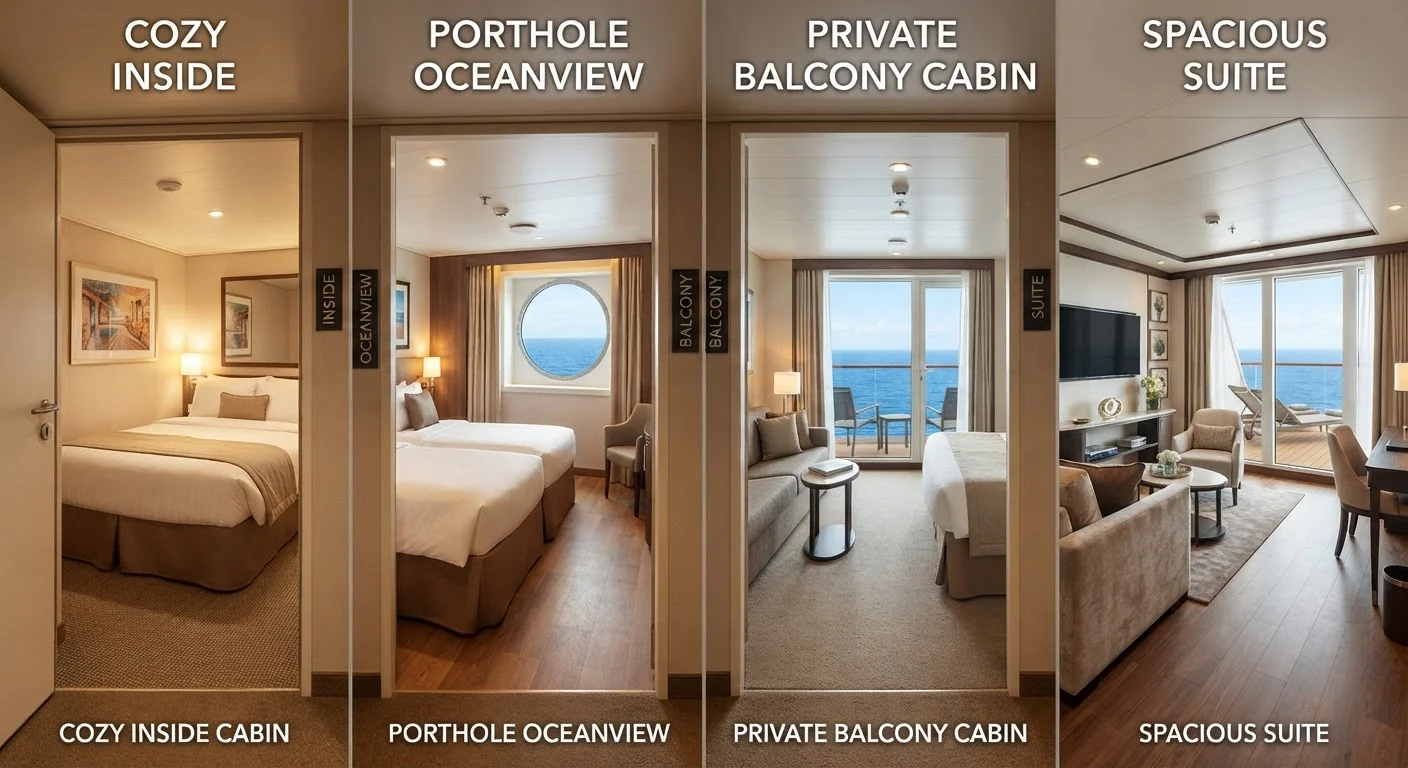
Cabin category selection also shapes total cost more than many travelers realize. An inside cabin on a premium itinerary frequently delivers better value than a balcony cabin on a budget departure - especially if you plan to spend most daylight hours ashore or at ship amenities rather than on your stateroom veranda.
When and How to Book
Cruise pricing follows a demand-driven model that creates two distinct windows of opportunity. Booking 12-18 months in advance locks in early-bird cabin selection and occasionally promotional onboard credits. Booking within 60-90 days of sailing - sometimes called last-minute inventory - can produce steep discounts as cruise lines fill remaining berths, though cabin choice is limited and travel insurance becomes more complicated to arrange.
When comparing cruise fares, always build a total-cost worksheet that includes port fees, gratuities, and one drink per person per day before evaluating whether a 'deal' is genuinely competitive.
Advertised fares routinely omit mandatory charges that add hundreds of dollars per person, making apples-to-apples comparisons impossible without a consistent methodology.
If you're flexible on cabin category, book the lowest available tier and request an upgrade at check-in - cruise lines routinely move guests to fill higher-category cabins that haven't sold.
This is a well-documented practice in the cruise industry; it costs nothing to ask and occasionally results in meaningful cabin improvements at no additional charge.
Booking direct through a cruise line versus through a travel agent or aggregator involves real trade-offs. Agents who specialize in cruises often have access to group rates and can apply additional onboard credit that isn't available to the public. However, modifications and refunds can involve an additional intermediary, so read cancellation terms carefully before booking anywhere. For a step-by-step walkthrough of what to confirm before money changes hands, see our pre-cruise planning checklist for first-timers.
Building a Smart Onboard Budget
The most reliable onboard budgeting approach is building a per-day spending ceiling before you board. Separate fixed costs - gratuities, pre-purchased packages - from discretionary spending on drinks, souvenirs, and excursions. Many cruise lines now allow travelers to review and cap their onboard account through a mobile app, which helps prevent the common shock of a final bill that far exceeds the cabin fare.
Drink packages make financial sense only if your daily consumption genuinely exceeds the package breakeven point, which typically requires four to six alcoholic drinks per day. If you drink moderately, paying per drink almost always costs less. Specialty dining reservations booked before boarding are typically priced 10-20% lower than the same restaurants charged onboard.
Pre-Purchase Specialty Dining Before You Board
Most cruise lines offer specialty restaurant packages at a discount when purchased during the pre-cruise booking window - typically 10-20% less than onboard pricing. If you plan to dine at specialty restaurants more than once, booking in advance is a straightforward way to reduce the bill. Check the cruise line's website after your cabin booking is confirmed to see what packages are available for your specific sailing.
Solo travelers face a structural cost challenge: most cruise cabins are priced for double occupancy, and a single-supplement - often 50-100% of the base fare - applies when sailing alone. Some lines operate dedicated solo cabins at no supplement on select ships. Our solo trip planning hub covers strategies for managing these costs across different trip types.
Shore Excursions: Cruise vs. Independent
Shore excursions sold by cruise lines carry a convenience premium - typically 30-60% above equivalent tours booked independently at the port. The cruise-line guarantee (the ship waits if an official excursion runs late) has real value at complex or time-limited ports, but at straightforward destinations with reliable transport infrastructure, independent arrangements frequently deliver more activity for less money.
Research each port individually rather than applying a single rule. At tender ports - where small boats ferry passengers to shore - timing and crowd management favor organized excursions. At major commercial ports with easy taxi or public transit access, independent exploration is often straightforward. Our excursions and add-ons hub provides destination-specific guidance on when each approach makes sense.
“The travelers who get the most out of a cruise are not the ones who spend the most onboard - they're the ones who decided before they boarded exactly what mattered to them and spent deliberately on that.”
— Cruises & Tours Editorial Team, Travel researchers specializing in cruise value analysis
Pre-Departure Essentials
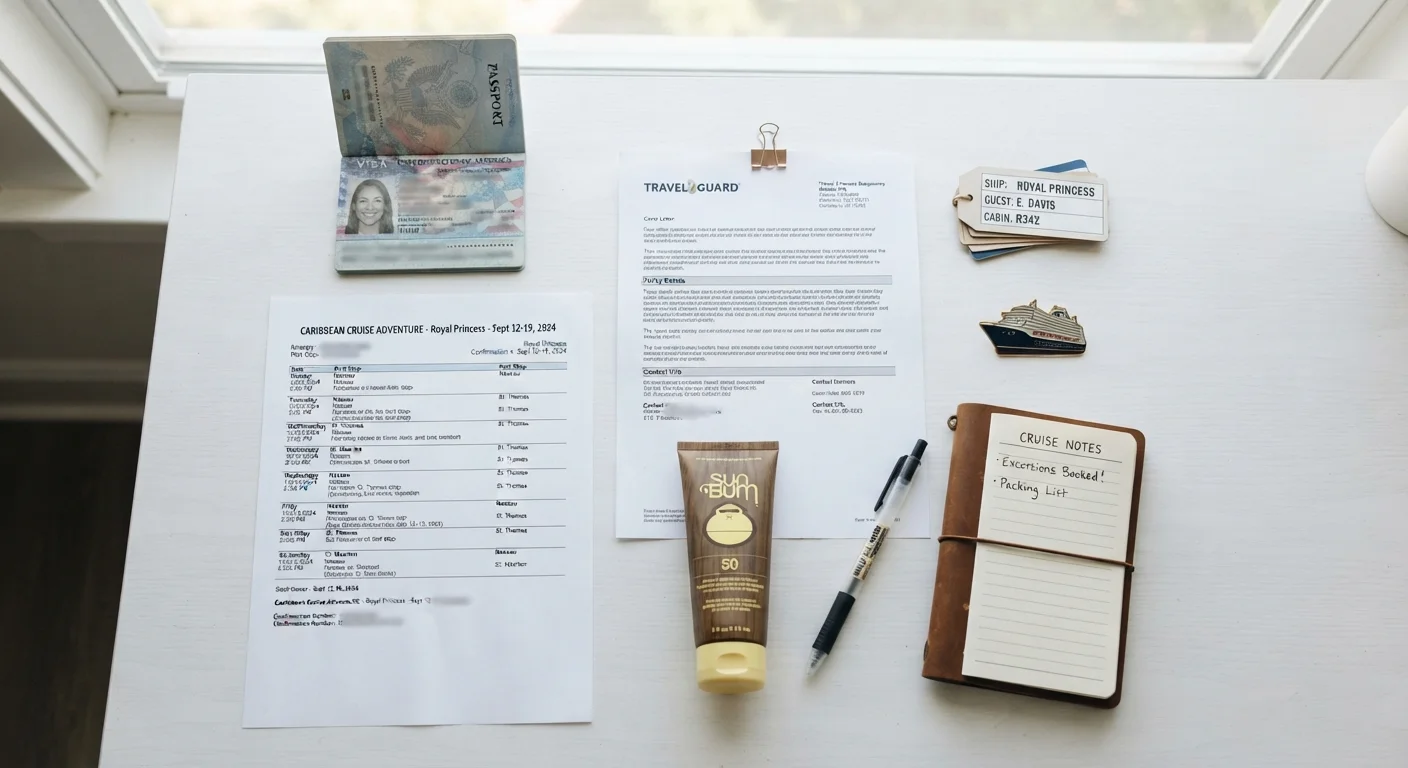
Passport validity requirements vary by itinerary and citizenship. Many destinations require six months of validity beyond your travel dates - always verify current requirements with official government sources well in advance, as requirements can change. Closed-loop cruises (departing and returning to the same U.S. port) technically permit travel with a birth certificate and government ID for U.S. citizens, but a valid passport is the practical standard and eliminates risk if you need to fly home from a foreign port.
Travel insurance deserves serious consideration, not afterthought. Cruise-specific policies can cover trip cancellation, medical evacuation (which is expensive from a ship at sea), and missed departure - risks that standard domestic travel rarely involves. Compare policy terms carefully; the cruise line's own insurance product may not be the most comprehensive option available. This is general information only - consult a licensed insurance professional for advice suited to your circumstances.
Don't Rely Solely on Cruise-Line Travel Insurance
Travel insurance offered directly by a cruise line at booking is often more limited than third-party policies - particularly for medical evacuation coverage, which can run tens of thousands of dollars if you need emergency transport from international waters. Compare policy terms from independent providers before accepting the default option. This is general information; speak with a licensed insurance professional for guidance specific to your health situation and travel plans.
For a complete pre-departure checklist covering documents, onboard accounts, embarkation logistics, and health considerations, see our first-timer's pre-cruise planning checklist. Travelers considering guided land tours alongside or instead of cruising can also explore our complete tour package planning walkthrough for a comparable end-to-end framework.
This article provides general travel information for educational purposes only. Prices, policies, port requirements, and travel regulations change frequently. Always verify current details with cruise lines, official government travel advisories, and licensed professionals before making bookings or financial commitments.