
Why Region Choice Shapes Your Entire Cruise Budget
Most cruisers begin their search by looking at the fare - but the region you choose determines far more than the sticker price. It shapes your flight costs, shore excursion spending, onboard drink and dining patterns, and the likelihood of weather disruptions. Understanding those trade-offs before you book is how budget-conscious travelers avoid being blindsided mid-voyage.
Each major cruise region has a distinct cost profile, a typical sailing season, and a different mix of port experiences. The Caribbean, Mediterranean, Alaska, and longer-haul itineraries like transatlantic crossings all attract different kinds of travelers - and reward different strategies. To understand how the base fare itself fluctuates by region and timing, see our breakdown in Cruise Pricing Explained.
Caribbean: The Accessible Entry Point
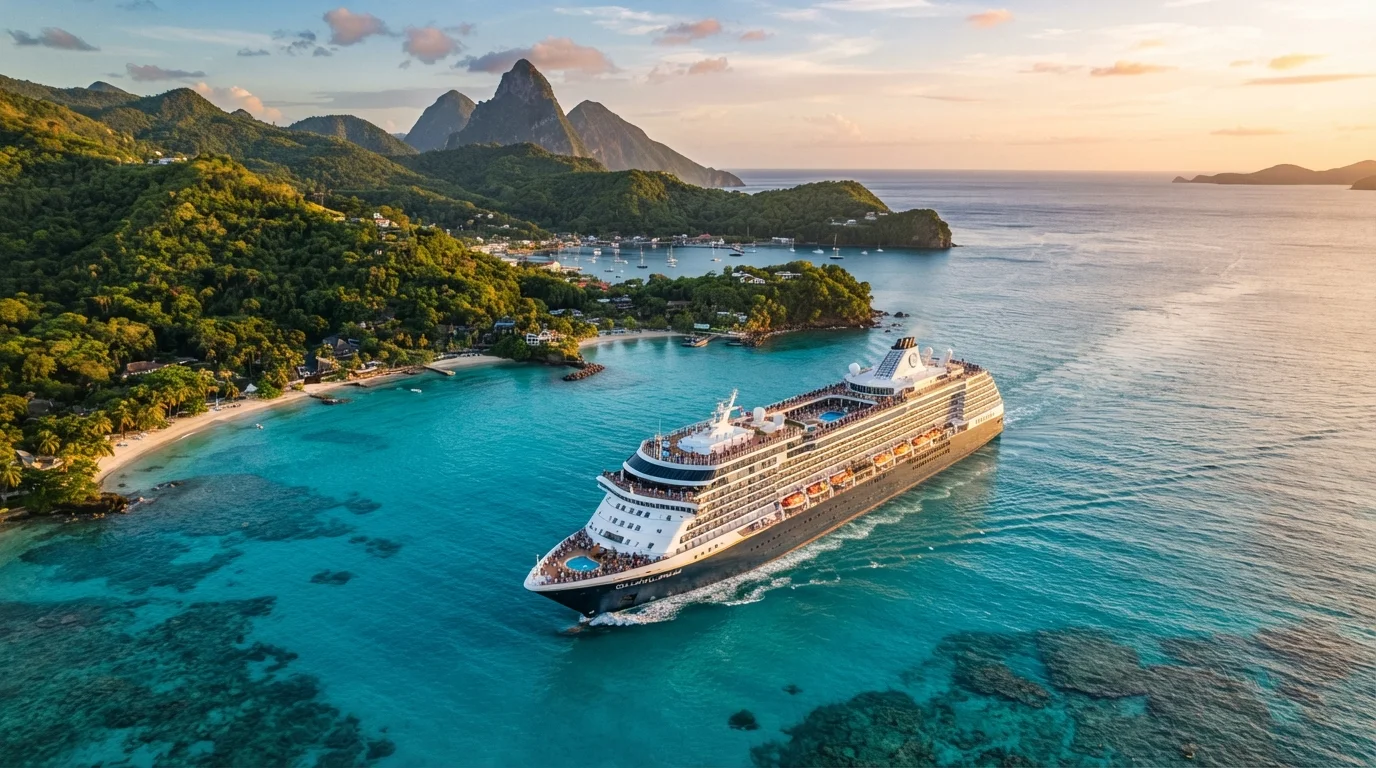
The Caribbean remains the dominant cruise market for US travelers, and for good reason - departure ports like Miami, Port Canaveral, and Galveston keep flight costs low or eliminate them entirely for many East Coast and Gulf Coast residents. Seven-night itineraries are standard, itinerary variety is high, and competition among cruise lines keeps base fares relatively competitive.
The catch is that peak season (December through April) sees prices spike significantly. Shoulder season sailings - particularly September and October - can yield lower fares, though those months overlap with hurricane season. Eastern Caribbean routes tend to focus on beach-and-water experiences; Western Caribbean sailings offer more cultural and archaeological options, particularly in ports like Cozumel and Belize City. Budget travelers should factor in that many Caribbean ports have developed robust independent tour ecosystems, meaning ship-organized excursions aren't always necessary.
US departure ports make the Caribbean the lowest-barrier cruise region for most American travelers.
Mediterranean: Cultural Density at a Higher Entry Cost
Mediterranean cruises deliver an unmatched concentration of historically significant ports - Rome, Athens, Barcelona, Dubrovnik, Istanbul - but they come with a meaningfully higher total cost. Transatlantic flights alone add $600-$1,200 or more per person before any cruise fare is considered. Base fares for 10- to 12-night Mediterranean sailings also run higher than equivalent Caribbean itineraries.
However, the Mediterranean rewards travelers who do their homework on independent port exploration. Many ports are walkable or accessible by local transit, making ship excursions optional in a way that some other regions aren't. Booking during the shoulder periods - May or early June, and late September into October - typically yields better fares and fewer crowds than the July-August peak. The mix of Western and Eastern Mediterranean itineraries also matters: Eastern routes often include less-visited ports at lower price points than the heavily trafficked Western circuit.
The Mediterranean's cultural payoff is real, but flight costs mean total trip spend often surprises first-time bookers.
Alaska: Seasonal Concentration and Excursion-Heavy Budgeting
Alaska's cruise season runs roughly May through September, with late June through August being peak demand. Because the season is compressed, fares don't vary as dramatically week-to-week as they do in the Caribbean, but shoulder-season sailings in May and September can yield savings. Most Alaska itineraries depart from Seattle or Vancouver, keeping domestic flight costs manageable for many US travelers.
The critical budget consideration in Alaska is excursions. Glacier flightseeing, whale-watching, bear-viewing, and helicopter tours are genuinely compelling here - and genuinely expensive. It's common for travelers to spend as much on excursions as on the base fare itself. Planning which experiences matter most and pricing them in advance, rather than booking impulsively onboard, is essential. Alaska is also where excursion strategy has the highest financial stakes of any major cruise region.
In Alaska, excursion planning matters more than almost anywhere else - costs can equal or exceed the base fare.
Transatlantic and Repositioning Sailings: Long Voyages, Low Per-Night Costs
Repositioning cruises - sailings that move a ship from one home port to another between seasons - are among the most underused tools in budget cruise planning. A 14- to 16-night transatlantic crossing can cost less per night than a 7-night Caribbean sailing, because cruise lines prioritize filling ships that would otherwise travel without passengers. The trade-off is reduced itinerary flexibility: repositioning dates are fixed by operational need, not traveler preference.
These itineraries typically include several consecutive sea days, which suits travelers who enjoy the onboard experience but can frustrate port-focused cruisers. One-way airfare is also a logistical reality - you'll fly into one region and home from another, which requires planning. For context on how this style of cruising compares structurally to more conventional sailings, the river vs. ocean cruising comparison addresses broader itinerary-style trade-offs worth reading alongside this.
Repositioning sailings routinely deliver some of the lowest per-night fares in ocean cruising.
Beyond the Headline Regions: Considering Port Fees, Taxes, and Regional Add-Ons
Every itinerary carries port fees and government taxes that are either bundled into the fare or disclosed separately. These aren't negotiable, but they vary significantly by region. Some Norwegian fjord and Baltic itineraries, for example, carry higher port fees than comparable Caribbean sailings. Certain specialty destinations - the Galápagos, Antarctica expeditions, or Southeast Asian itineraries - may also carry permit costs or mandatory guide fees that aren't obvious at the search stage.
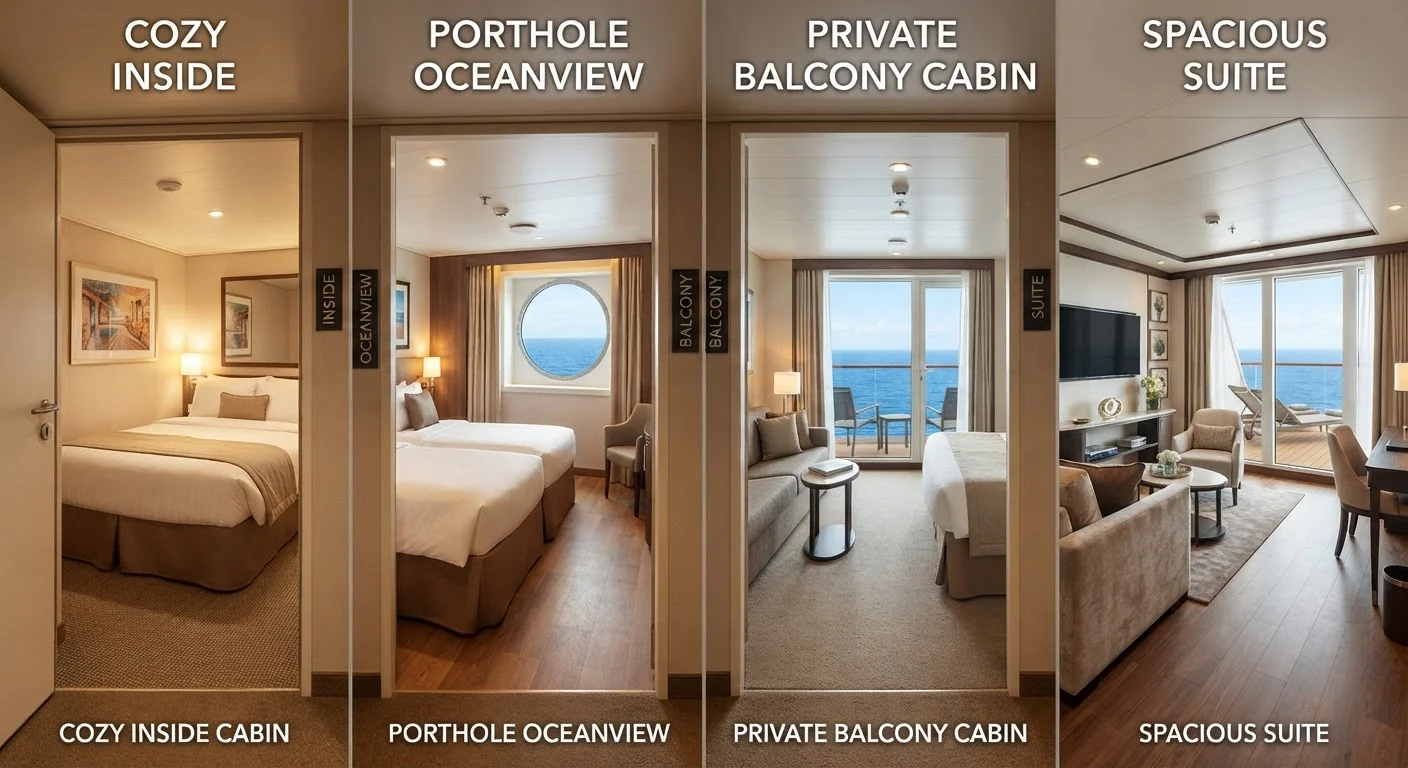
The cabin category you choose interacts with region, too: a balcony cabin may feel essential on an Alaska sailing where scenery is the primary draw, while an inside cabin can be a perfectly rational choice on a Caribbean itinerary where you'll spend most port days off the ship. Our cabin categories comparison explains how stateroom type affects cost relative to your actual usage. Travelers evaluating the full cost picture should also consider this alongside the broader complete cruise planning guide.
Port fees, taxes, and permit costs vary by region and can meaningfully shift the total price of an itinerary.
Matching Region to Your Travel Goals - and Your Wallet
No single region is objectively the best value. The Caribbean can be overpriced during peak holiday weeks; the Mediterranean can be surprisingly accessible if you book early and avoid August. What matters is aligning the region's rhythm - its seasons, port depth, and logistical demands - with the way you actually travel.
Use Sea Days as a Regional Indicator
The ratio of sea days to port days tells you a lot about what a region is really selling. High sea-day itineraries (transatlantic, some South American sailings) favor travelers who value the ship itself. Port-intensive itineraries (Mediterranean, Caribbean island-hopping) suit those who want maximum time ashore. Knowing your own preference prevents paying for an experience you won't use.
If excursion costs are a concern regardless of region, our guide to the real cost of cruise excursions walks through when ship-organized tours are worth paying for and when going independent saves meaningful money. For a fuller framework on managing total cruise costs from booking through disembarkation, the tight-budget cruise planning guide is a practical companion to this article.
Cruise itinerary details, pricing, and port availability change frequently. Always verify current schedules, entry requirements, and conditions with the cruise line and relevant government sources before booking.