
How to Use This Reference Guide
Shore excursion decisions are rarely one-size-fits-all. What makes sense at a tender port in the South Pacific is entirely different from what you'd need at a large Caribbean hub with independent infrastructure. This guide organizes research priorities by port category - not by destination - so you can apply the same framework trip after trip.
Before diving in, two foundational resources are worth bookmarking: Shore Excursions Decoded breaks down how cruise lines price and package excursions, and Everything You Need to Know About Cruise Shore Excursions provides end-to-end context for any experience level.
| Common Port Categories | Tender, large hub, transit/canal, private island |
| Ship-Wait Guarantee | Typically applies only to cruise-line-booked excursions |
| Cancellation Window | Often 24-48 hours before departure |
| Tender Port Risk Factor | Weather can suspend operations with little notice |
| Private Island Extras | Cabanas, watercraft, and specialty dining are usually add-on costs |
Port Type Reference: Key Research Priorities
Tender Ports
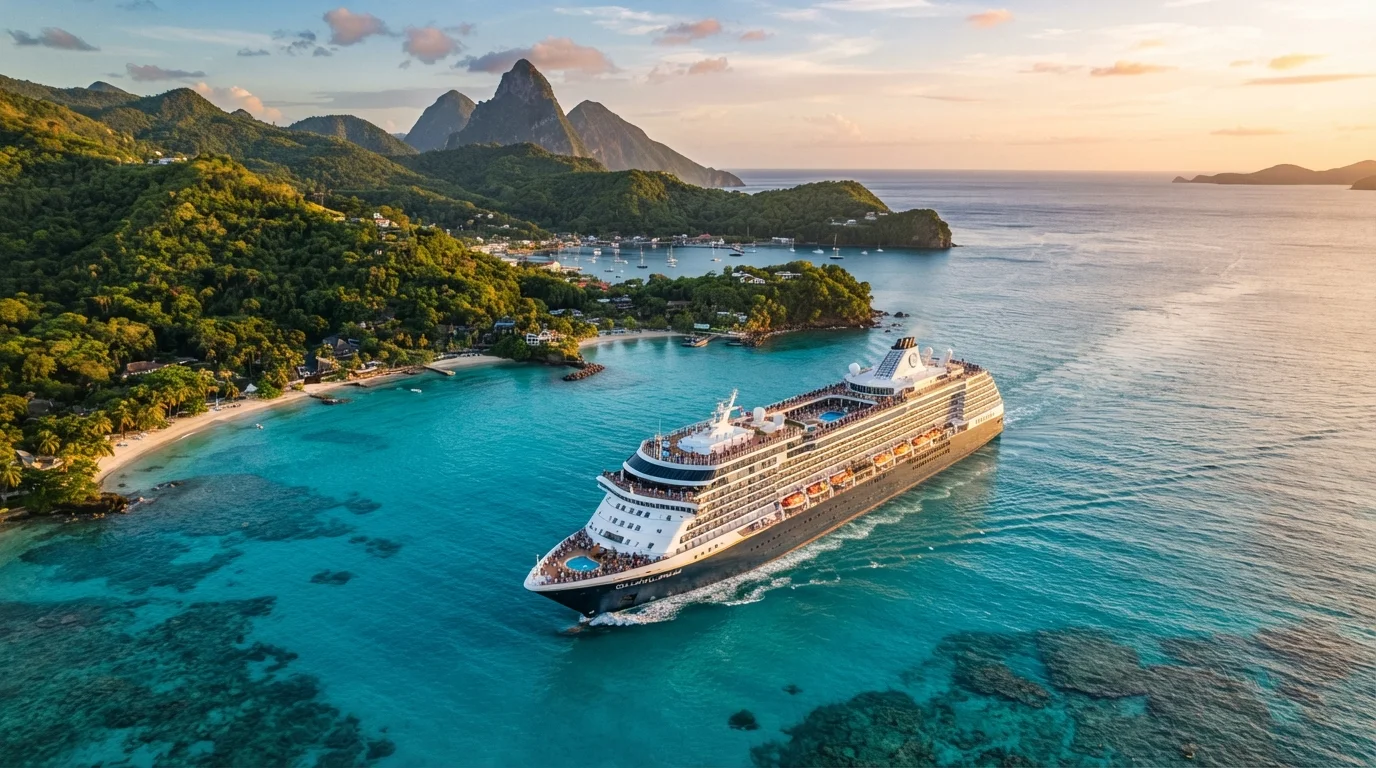
At tender ports, the ship anchors offshore and passengers transfer to land by small boat. Research priorities here are distinct from docked ports:
- Tender scheduling: Confirm whether excursion bookings guarantee priority tender access, or whether you'll compete in open queues. This materially affects your usable time ashore.
- Weather contingency: Tender operations are frequently suspended in rough seas. Understand the cancellation and refund policy before booking.
- Shore infrastructure: Many tender ports are smaller destinations with limited independent options. Determine whether walking-distance attractions are sufficient if a pre-booked excursion isn't viable.
Large Hub Ports
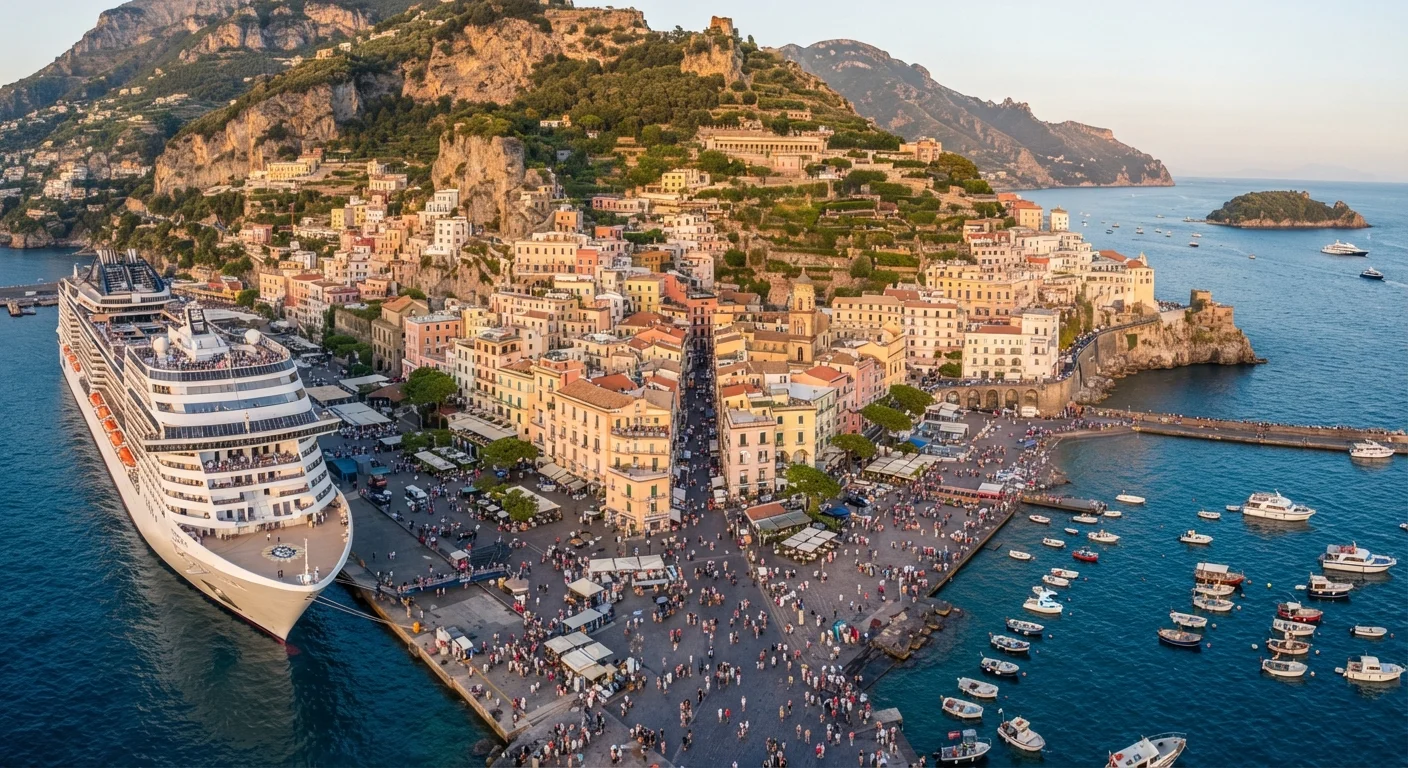
Major ports - common in the Caribbean, Mediterranean, and Alaska - typically have developed tourism infrastructure, taxi networks, and local guides operating independently of the ship.
- Independent access: Evaluate whether the pier area connects easily to town centers, beaches, or transit hubs without needing an organized excursion.
- Competitive pricing context: Third-party operators often price similar itineraries lower than cruise-line excursions. The trade-off is that ship-sold excursions typically guarantee the ship waits if the tour runs late - independent options do not.
- Crowd timing: Determine whether multiple ships dock simultaneously. Popular sites at peak hours can significantly degrade the experience regardless of how you booked.
Transit or Canal Ports
Some itineraries include ports used primarily for scenic transit (e.g., passing through a canal or sailing a fjord) with limited or no going ashore. Verify in advance:
- Whether the stop includes any shore time at all
- If excursions are offered, whether they begin and end on the ship or require independent return logistics
Private Island Ports
Cruise line-owned private islands operate differently from public ports. Most included amenities are covered by your fare, but paid add-ons (cabanas, watercraft, specialty dining) can escalate costs quickly. Research which amenities are complimentary versus charged before budgeting this day.
Tender Port
A port where the cruise ship anchors offshore rather than docking at a pier. Passengers travel to land and back via small ferry boats called tenders, which adds logistical complexity and weather dependency.
Ship-Wait Guarantee
A policy, typically offered only on cruise-line-sold excursions, that ensures the ship will not depart if a tour returns late due to operator delays. Third-party excursions generally do not include this protection.
Private Island Port
A destination owned or leased by a cruise line, offering a controlled beach and recreation environment. Most basic amenities are included in the fare, but premium add-ons carry additional charges.
Transit Port
A stop on an itinerary used primarily for passage or scenic interest - such as a canal transit or fjord sailing - where limited or no shore time is available. Excursion offerings at transit ports may be minimal or absent.
Third-Party Operator
An independent tour company operating at a cruise port that is not affiliated with the cruise line. They often price competitively but do not carry the ship-wait guarantee that cruise-line excursions provide.
What to Verify for Any Port Type
Regardless of port category, the following due diligence applies universally. Use this checklist before committing to any excursion.
1 in 3
Cruisers who skip excursions at major hub ports
Independent research and cruise travel surveys consistently show a significant share of passengers opt out of organized excursions at well-connected hub ports in favor of self-guided exploration.
20-40%
Typical premium for cruise-line excursions vs. comparable third-party tours
Industry analysts and travel researchers frequently note that cruise-line packaged excursions carry a notable markup over equivalent independent operator offerings at the same port.
Logistics Verification
- Return guarantee: Does the operator or booking channel guarantee the ship waits? Cruise-line excursions generally include this protection; third-party options typically do not.
- Physical requirements: Walking distance, terrain type, and activity intensity are often understated. Confirm specifics directly with the operator, not just the summary description.
- Cancellation terms: Many excursions require 24-48 hours' notice to cancel without penalty. Confirm the policy before booking, not after.
Value Assessment
The key question isn't whether a cruise-line excursion is expensive - it often is - but whether the specific value it provides (guaranteed ship wait, included logistics, vetted guide) justifies the premium for your situation. Our excursion evaluation framework walks through exactly this decision process.
If you're considering going independent, Port Day Planning offers a structured approach to researching and timing your own itinerary ashore. New to shore excursions entirely? See our first-timer's introduction to cruise excursions for foundational context.
This guide provides general informational reference only. Policies, pricing, and port conditions vary by cruise line, ship, and season. Always verify current details directly with your cruise line or operator before booking.