
Why the Flyover Label Does Real Damage
Ask most coastal travelers what they picture when someone says "the Midwest" and you'll hear the same shortlist: cornfields, flat highways, and not much else. That mental image keeps an enormous, genuinely varied region off millions of itineraries every year - which is a shame, because it's largely wrong.
The myths below aren't harmless. They push travelers toward overcrowded, overpriced destinations while a region full of sand dunes, oak savannas, world-class museums, and some of the country's most welcoming small cities sits quietly underbooked. As domestic travel myths go, the Midwest flyover assumption may be the most costly one of all.
Myth
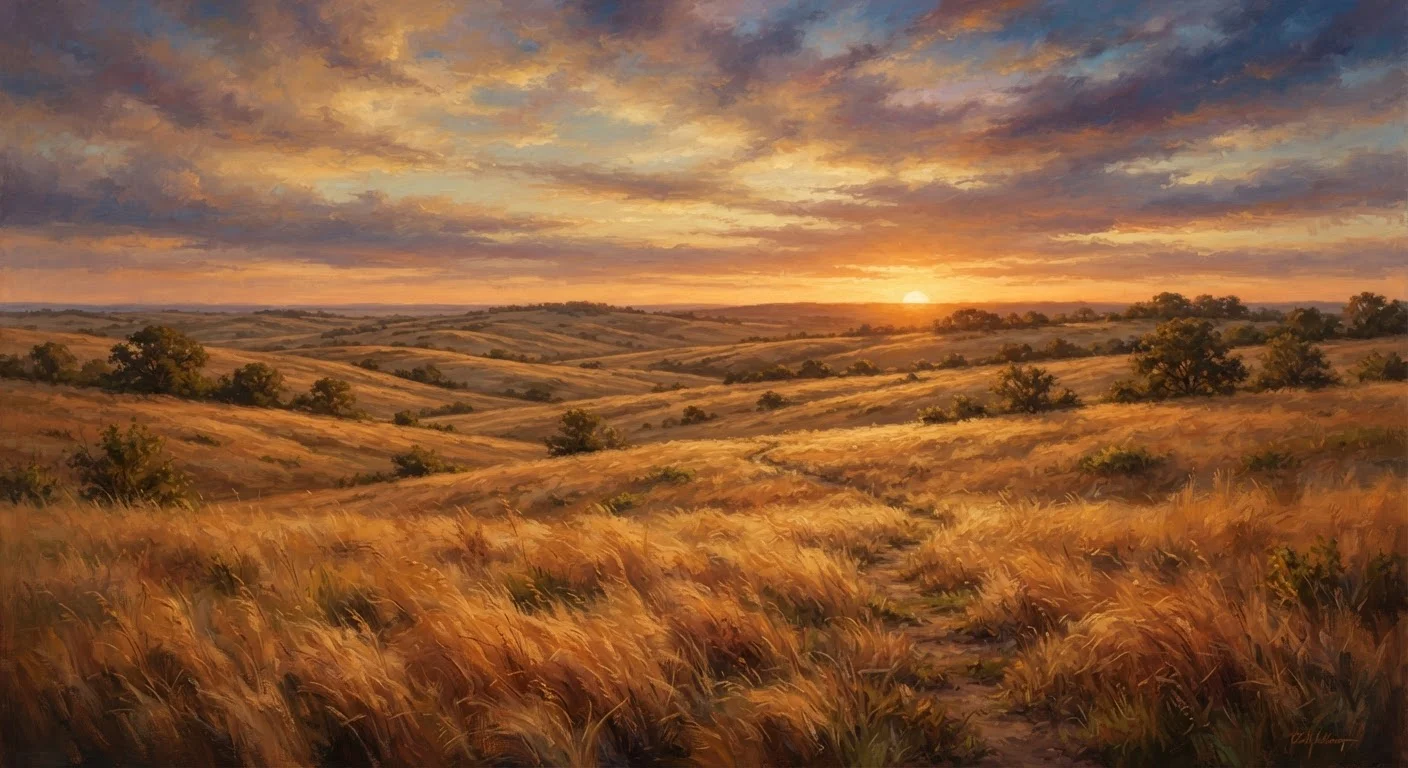
The Midwest is completely flat - there's nothing dramatic to look at.
Fact
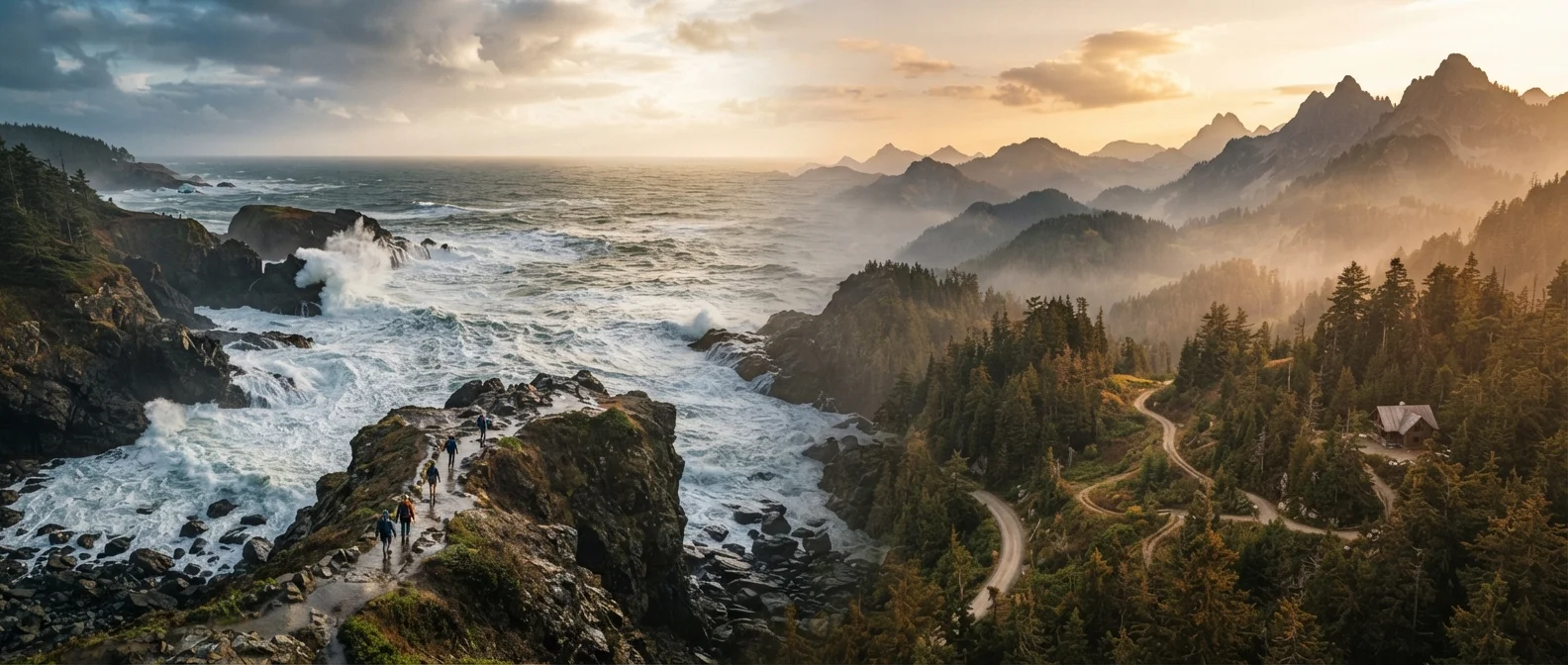
The region contains towering sand dunes, river bluff country, ancient glacial moraines, and dense hardwood forests.
Indiana Dunes National Park features dunes rising over 120 feet above Lake Michigan - taller than many celebrated coastal dune systems on the East Coast. The Driftless Area spanning southwest Wisconsin, southeast Minnesota, and northeast Iowa was bypassed by glaciers and features rugged bluffs, spring-fed streams, and ridge-top vistas that stop first-time visitors cold. Minnesota's Boundary Waters, a 1-million-acre canoe wilderness, is as visually dramatic as anything in New England.
Myth
There's nothing to do outdoors in the Midwest besides hiking flat trails.
Fact
The region supports whitewater paddling, backcountry skiing, dune climbing, cliff diving, and world-class birding, among other pursuits.
Michigan's Upper Peninsula alone offers waterfalls, sea caves, and the Pictured Rocks National Lakeshore - a stretch of multicolored sandstone cliffs rising up to 200 feet from Lake Superior. Wisconsin's Apostle Islands attract kayakers from across the country. Ohio's Hocking Hills region draws climbers and canyon hikers year-round. The sheer variety of terrain across 12 states defies any single outdoor-activity stereotype.
Myth
Midwest cities are economically depressed and not worth visiting.
Fact
Cities like Cleveland, Detroit, and Minneapolis host internationally recognized art museums, thriving food halls, and neighborhoods with genuine creative energy.
The Cleveland Museum of Art offers free general admission and holds one of the most significant collections in the country. Detroit's Eastern Market is one of the largest historic public markets in the US, anchoring a neighborhood food scene that draws visitors from across the region. Minneapolis consistently ranks near the top of livability indices, and its theater scene per capita rivals cities many times its size. Generalizing from industrial-era decline misses decades of reinvestment.
Myth
The Midwest is only worth visiting in summer.
Fact
Fall color in the Upper Midwest rivals New England, and winter offers accessible ice fishing, Nordic skiing, and frozen waterfall hikes.
Michigan's Upper Peninsula and northern Wisconsin produce brilliant fall foliage without the leaf-peeping crowds - or the hotel surcharges - that define autumn in Vermont or the White Mountains. Winter in Minnesota's Boundary Waters is treated as a legitimate adventure season, with guided dog-sledding and ice-fishing experiences that attract visitors specifically for the cold. Spring wildflower season in the Ozark fringe and river valleys of Missouri and Illinois is equally underappreciated.
Myth
Food in the Midwest is limited to meat-and-potatoes diners.
Fact
Large Midwestern cities and even smaller college towns support diverse, internationally influenced food scenes reflecting significant immigrant communities.
Chicago's Devon Avenue is one of the most concentrated South Asian dining corridors in North America. Detroit's Mexicantown and Dearborn's Arab American community have shaped a food culture that's genuinely unlike anywhere else in the country. Madison, Wisconsin's Saturday farmers market is one of the largest producer-only markets in the US, anchoring a local food culture that surprises nearly every first-time visitor. Dismissing the region's cuisine reflects outdated assumptions rather than current reality.
Cities, Costs, and What the Numbers Actually Say
Beyond the landscape, Midwest cities carry their own set of stubborn misconceptions. Detroit, Cleveland, and Chicago each attract unfair generalizations that consistently discourage first-time visitors - even as locals know these places host world-class cultural institutions, revitalized food scenes, and accommodation costs that make coastal equivalents look absurd.
$137/night
Average US hotel rate nationally
According to American Hotel & Lodging Association data, Midwest metro areas frequently average 20-35% below the national hotel rate.
1M+ acres
Minnesota Boundary Waters wilderness area
The Boundary Waters Canoe Area Wilderness is one of the most visited wilderness areas in the US, yet nightly fees remain among the most affordable of any comparable federal recreation area.
$0
General admission at Cleveland Museum of Art
The Cleveland Museum of Art has maintained free general admission to its permanent collection, one of the largest in the US, as a matter of long-standing public mission.
For travelers feeling overwhelmed by the logistics of planning a Midwest trip, smaller Midwest cities often make the most accessible entry point - manageable scale, easy parking, and genuine local character without navigating a major metro. And if you've ever dismissed a weekend trip as too complicated or expensive, those assumptions deserve a second look too.
Planning Your Midwest Trip Without Overthinking It
The practical upside of low visitor pressure is real: campsites are easier to book, restaurant reservations aren't mandatory weeks in advance, and you rarely queue for anything. The Northern Great Plains take that advantage even further, but the core Midwest states - Indiana, Michigan, Wisconsin, Minnesota, Ohio - all offer similar breathing room.
Seasonal Road and Trail Conditions Vary Widely
Winter driving in northern states like Minnesota, Michigan's Upper Peninsula, and Wisconsin requires preparation: all-season or winter tires, awareness of lake-effect snow zones, and flexibility on timing. Always check current road and trail conditions through state DOT websites and national park or forest service resources before departing. Some scenic routes and campgrounds close entirely between November and April.
If you want proof that Midwest cities have reinvented their reputations from the ground up, the Rust Belt renaissance story is worth reading before you finalize any itinerary. The Midwest rewards the traveler who shows up curious - and consistently surprises the one who arrives skeptical.