
Where the Myth Comes From
Ask most travelers why they're skipping a domestic trip in favor of flying abroad, and you'll hear some version of the same thing: "I've already seen what the US has to offer." It's a surprisingly common assumption - and one that usually crumbles the moment someone actually starts digging into a US road atlas.
The myth has a few roots. American pop culture tends to glamorize international travel, and social media rewards the visually exotic. Domestically, the loudest destinations - think Yellowstone, the Grand Canyon, Las Vegas - get enormous attention and often enormous crowds, which can make the overall product feel familiar and expensive at the same time. But equating the US with those headliners is like judging a continent by its airport gift shops.
The reality is that the country spans 3.8 million square miles, contains 63 national parks, hundreds of state parks, and thousands of communities with distinct food cultures, histories, and landscapes. Anyone who calls that "boring" simply hasn't looked hard enough. See our common weekend travel misconceptions for more beliefs worth questioning before your next trip.
Myth
Domestic travel is inherently less exciting than going abroad - you'll end up doing the same things in a different city.
Fact
The US contains extraordinary geographic and cultural variety, including landscapes and communities most Americans have never visited.
The sheer scale of the country makes this myth hard to sustain on close inspection. A week in coastal Maine is nothing like a week in the New Mexico high desert, which shares almost nothing with a few days in Louisiana bayou country. Regional food cultures, dialects, histories, and natural environments diverge dramatically - often more than what travelers encounter hopping between European capitals. The sameness people fear is largely a product of sticking to the most-visited 1% of destinations.
Myth
Budget travel in the US means settling for generic chain hotels and fast food - there's no real local flavor on a tight budget.
Fact
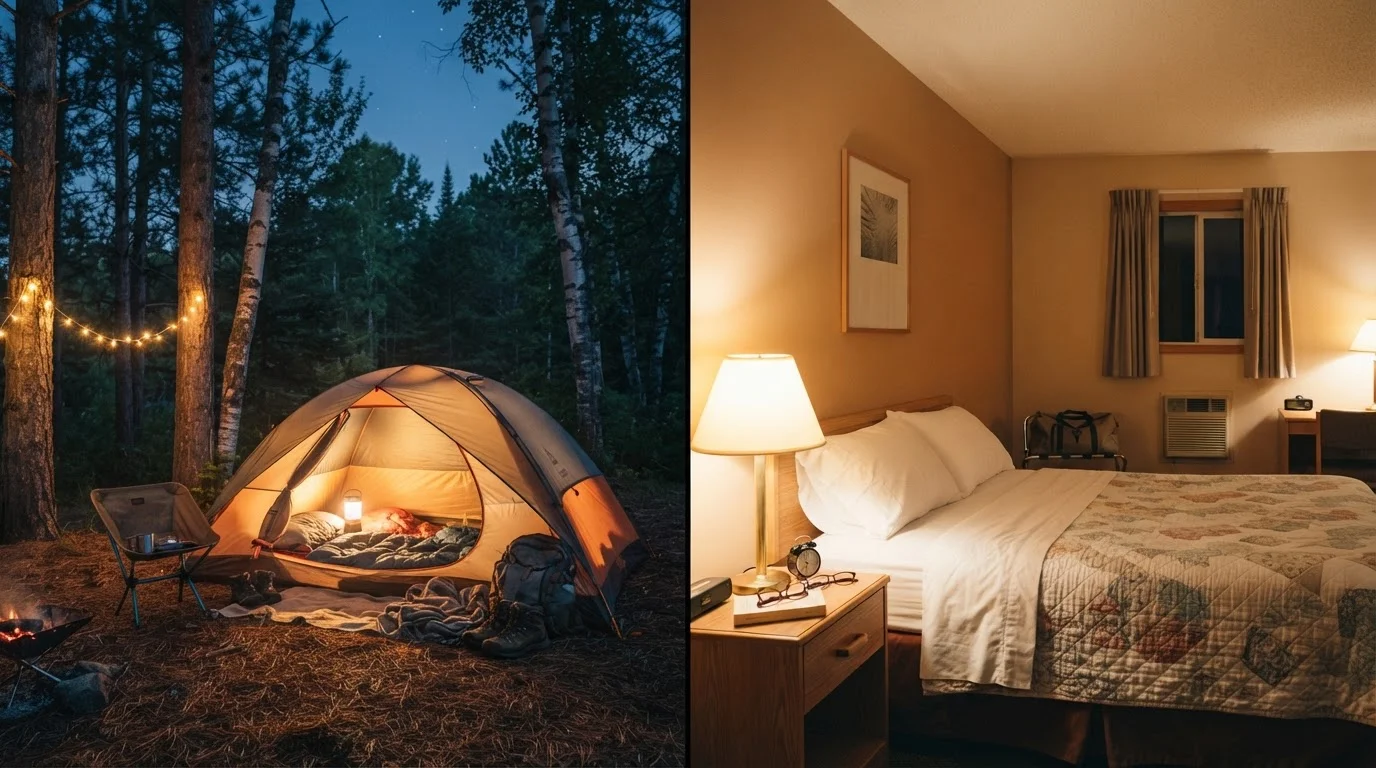
Independent lodging, farmers markets, food trucks, and free cultural events are widely available across the US and often represent the most authentic local experience.
Chains cluster near interstates and airports by design - venture further and the independent options multiply. Hostels exist in more US cities than many travelers realize. State and national forest campgrounds frequently offer exceptional settings at low nightly rates. On the food side, regional cuisines - Appalachian, Tex-Mex, Gulf Coast seafood, New Mexican green chile - often show up most authentically at small spots that are also the most affordable. The budget constraint, counterintuitively, tends to push travelers toward better local experiences. For a grounded look at what domestic budget travel actually costs, see what "budget" really means in practice.
Myth
International travel is always more enriching because it exposes you to truly different cultures.
Fact
Cultural difference exists within the US at a scale many Americans underestimate - and some international destinations marketed as "exotic" are heavily tourist-oriented.
The Gullah Geechee communities of the South Carolina Lowcountry, the Navajo Nation in the Four Corners region, the Creole culture of southwest Louisiana, and the Portuguese heritage of New Bedford, Massachusetts represent genuinely distinct cultural worlds - not simulacra. Meanwhile, many popular international destinations have been shaped primarily by tourism infrastructure rather than authentic local life. Neither experience is inherently more valuable, but the idea that meaningful cultural immersion requires a passport is simply not supported by the evidence. That said, international travel absolutely has its own rewards - affordable international destinations are worth knowing about too.
Myth
The famous US national parks are so crowded now that visiting them is more stressful than enjoyable - so domestic nature travel isn't worth it.
Fact
Overcrowding at a handful of marquee parks is real, but the majority of US public lands see a fraction of that traffic and offer comparable scenery.
Zion, Yosemite, and Arches have genuine capacity challenges during peak season - that's documented and worth planning around. But the US contains over 400 units in the National Park System alone, plus millions of acres of BLM land, national forests, and state parks that see dramatically lighter use. Many of these alternatives are geologically and ecologically spectacular. The problem isn't that domestic nature travel is overrun; it's that most visitors concentrate in the same dozen places. Spreading out solves the problem and usually improves the experience.
What Underrated US Destinations Actually Deliver
Beyond the myths, the evidence for domestic richness is concrete. Places like Pittsburgh, Cleveland, and Detroit - once dismissed as industrial relics - have quietly built world-class museum districts, thriving food halls, and affordable accommodation markets. The Rust Belt's reinvention is one of the more compelling travel stories of the past decade, and most travelers are still sleeping on it.
The Midwest gets similarly short-changed. Indiana Dunes National Lakeshore, Wisconsin's Apostle Islands, and the Loess Hills of Iowa offer genuinely dramatic scenery with almost none of the shoulder-season crowds. What travelers consistently get wrong about the Midwest explores this gap in detail - the short version is that "flyover country" is a concept invented by people who weren't paying attention.
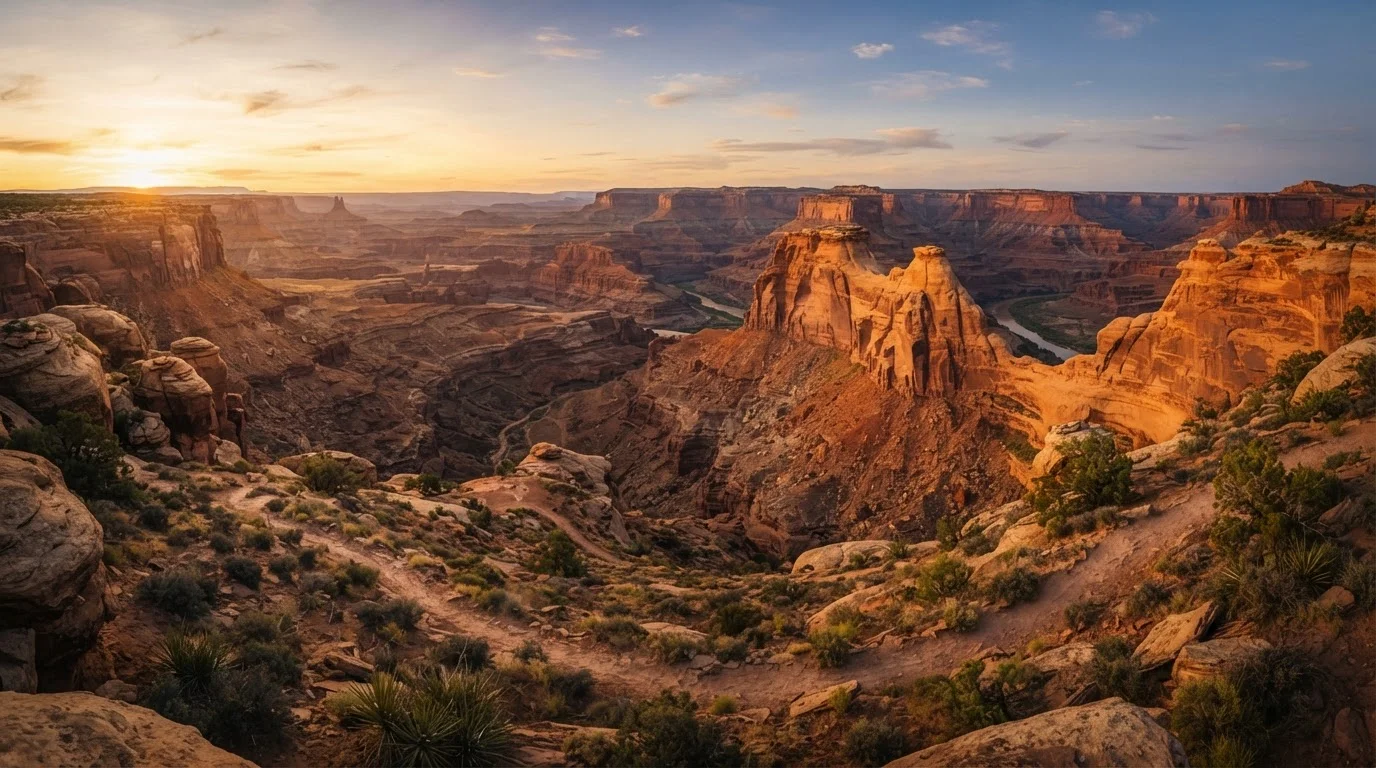
Then there's the Southwest beyond its marquee stops. The Bisti Badlands in New Mexico, Utah's San Rafael Swell, and Arizona's Chiricahua Mountains offer landscapes so surreal they defy easy description - without anything close to Sedona's price tag or parking situation. The quieter corners of the Desert Southwest are genuinely worth the detour.
And for travelers who prefer urban energy: small cities punch well above their weight. Marfa in West Texas, Brattleboro in Vermont, Bozeman in Montana - these are places with outsized arts scenes, excellent local food, and the kind of unhurried character that big cities charge a premium to simulate. For a fuller list, America's overlooked urban gems is a practical starting point.
400+
Units in the US National Park System
The National Park Service manages over 400 sites - most receive only a small fraction of the visitors that headline parks attract.
245M
Acres of BLM-managed public land
The Bureau of Land Management oversees approximately 245 million acres of public land, much of it open for low-cost or free recreation.
Public lands deserve a special mention. National monuments, Bureau of Land Management areas, and state forests often rival famous parks in scenery while charging far lower fees - or none at all. Lesser-known public lands worth the drive maps out some of the best options. And if you're thinking about linking several destinations together, the US road trip route library offers itinerary frameworks that keep logistics manageable and costs predictable.
Conditions and Access Can Change
Public lands, trails, and facilities at lesser-known destinations may have seasonal closures, road access limitations, or reduced services. Always check current conditions with the managing agency - the BLM, Forest Service, or relevant state park authority - before visiting. Do not rely on third-party apps or older trip reports as your sole source of access information.