
Why the Rust Belt Deserves a Second Look
For years, the travel conversation skipped straight from New York to Chicago, treating everything in between as scenery to fly over. That's changing - and travelers who've caught on are finding some of the most rewarding urban experiences in the country. The myth that domestic travel means settling falls apart the moment you land in Pittsburgh or step off the train in Cleveland.
What these cities got right isn't accidental. Decades of economic pressure forced creative reinvention. Empty warehouses became galleries and breweries. Vacant lots became community gardens and food halls. Universities and hospitals anchored neighborhoods that might otherwise have hollowed out entirely. The result is a kind of cultural density that feels earned rather than engineered.
Free
General admission to Cleveland Museum of Art's permanent collection
The Cleveland Museum of Art has maintained free permanent-collection access as a core institutional policy, a distinction shared by relatively few major US art museums.
3
Major Rust Belt cities within 300 miles of each other
Cleveland, Pittsburgh, and Detroit form a compact geographic triangle in the Great Lakes region, making multi-city road trips logistically straightforward.
1912
Year Cleveland's West Side Market opened
The West Side Market has operated continuously for over a century, making it one of the oldest and largest indoor-outdoor markets in the United States.
What Each City Brings to the Table
Cleveland is home to one of the country's great art museums - the Cleveland Museum of Art - which maintains free general admission to its permanent collection, a genuinely rare thing among institutions of its caliber. The West Side Market, operating since 1912, remains a living neighborhood institution rather than a tourist reconstruction. The food scene along Tremont and Ohio City draws visitors who came for the Rock and Roll Hall of Fame and stayed for the restaurants.
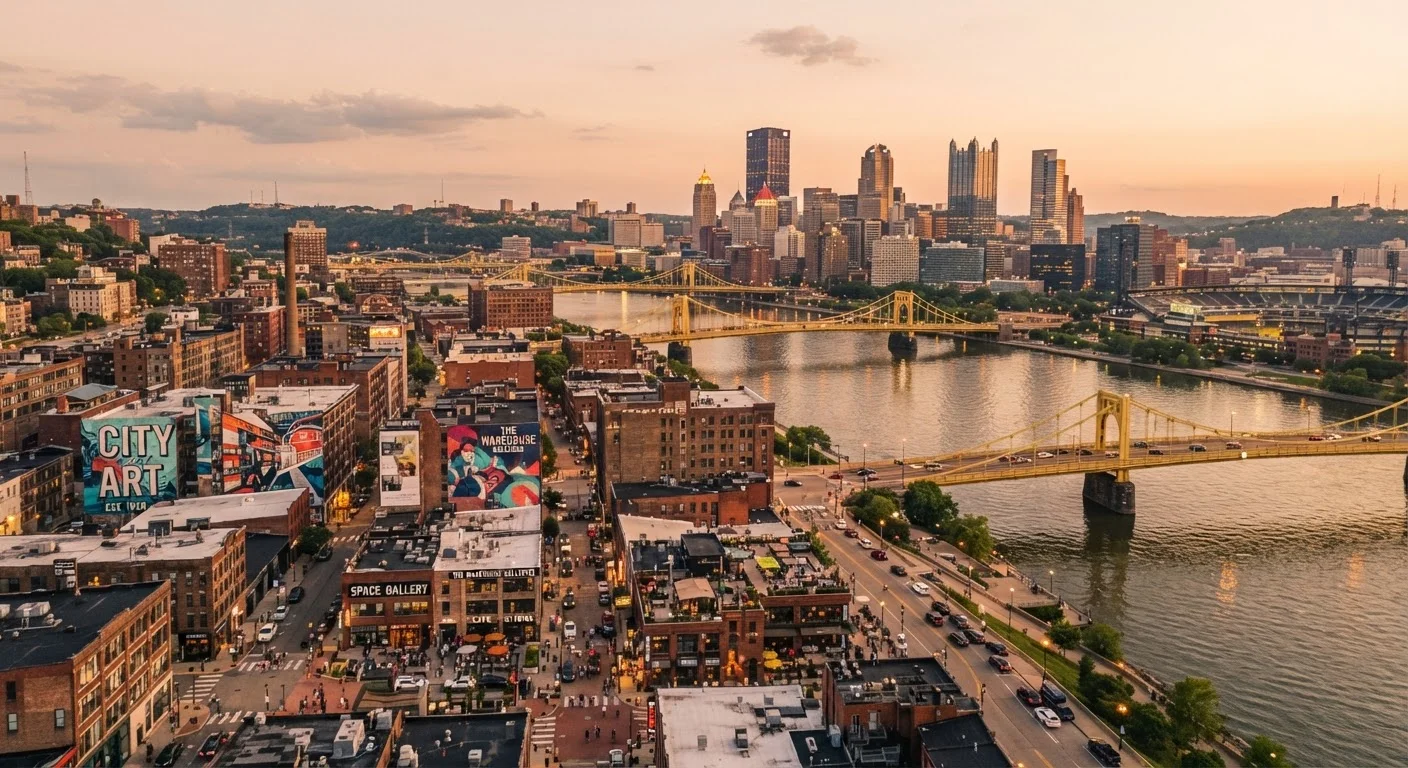
Pittsburgh surprises almost everyone who visits. The Carnegie Museums complex, the Andy Warhol Museum, and the Mattress Factory (a contemporary installation art space) form a cultural triangle that many larger cities would envy. The city's topography - bridges, hills, rivers converging at the Point - makes it visually dramatic in a way flat grids simply aren't. Neighborhoods like Lawrenceville have evolved into dense corridors of independent shops and kitchens.
Detroit carries the most complex reputation, but its creative energy is undeniable. The Detroit Institute of Arts houses one of the finest collections in North America. Eastern Market, one of the largest historic public markets in the US, runs year-round. The city's architecture - from Art Deco landmarks to the radical reuse projects happening in Corktown - tells a story no theme park could replicate.
The Budget Reality: Where Your Money Actually Goes
Spending a weekend in a Rust Belt city versus a coastal metro isn't just a minor price difference - it's a different category of travel budget entirely. Hotel rates in these cities regularly run well below comparable accommodations in gateway cities. Dinner at a genuinely excellent local restaurant rarely carries the sticker shock of equivalent meals in San Francisco or New York. That gap in spending pressure changes how you travel: fewer mental calculations about whether an experience is "worth it," more time actually having them.
This connects to a broader point about where your dollar goes furthest when you step away from coastal tourism corridors. Inland and post-industrial cities routinely offer more per dollar - not because the experiences are lesser, but because the overhead driving coastal prices simply isn't there.
Make Museum Free Days Work For You
Many Rust Belt museums - including some of the most prestigious - offer free or pay-what-you-wish admission on specific days or evenings. Before booking your trip, check the official websites of institutions you want to visit: staggering museum visits around free-admission windows can meaningfully reduce your overall costs without sacrificing a single experience.
Planning a Rust Belt Trip Without Overthinking It
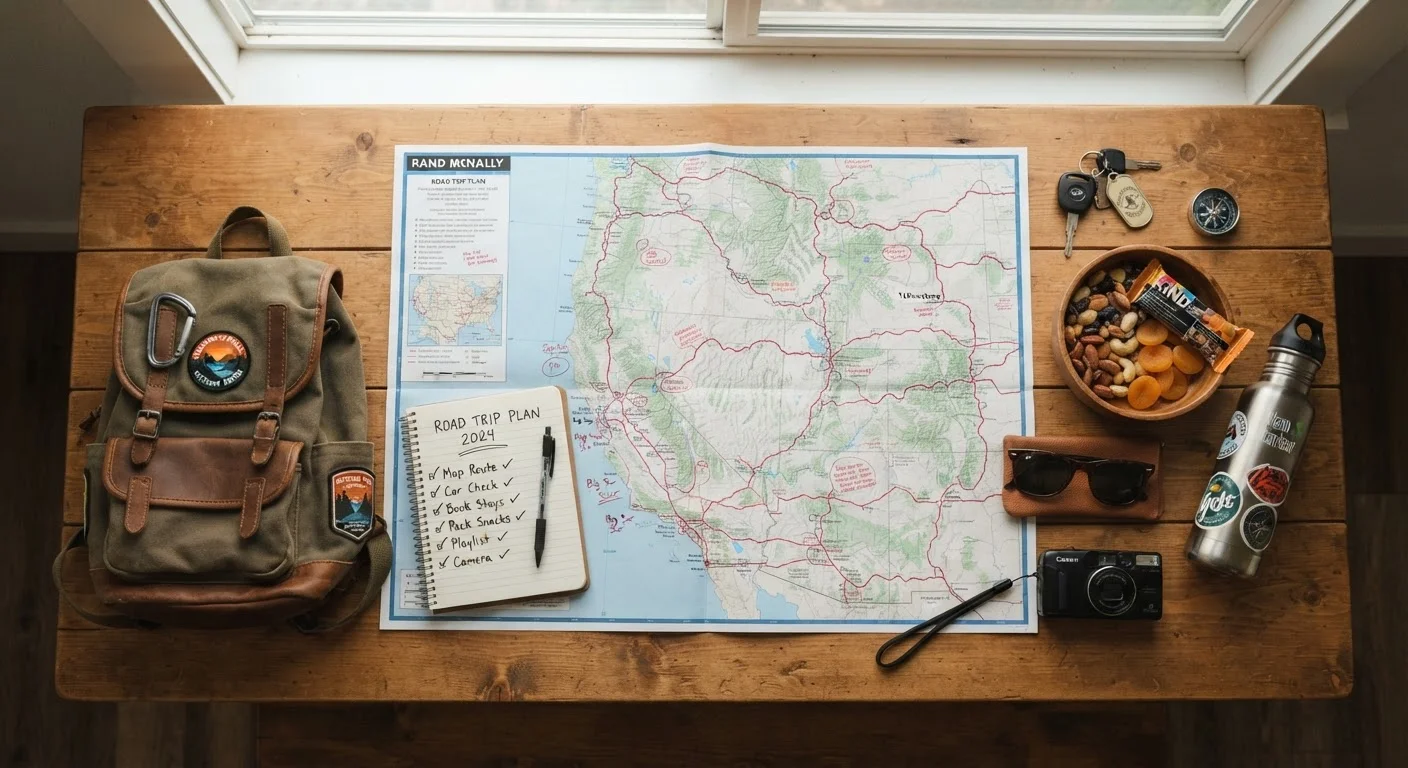
These cities are well-connected by air, Amtrak, and interstate - Cleveland, Pittsburgh, and Detroit all sit within driving distance of each other, making a multi-city road loop genuinely practical. If you're weighing a standalone weekend, any one of them rewards a two- to three-night stay focused on a single neighborhood or cultural district rather than trying to see everything.
For travelers who enjoy this kind of discovery, underappreciated small cities follow a similar logic: prioritize depth over breadth, eat where locals eat, and resist the pull of the obvious itinerary. Also worth considering: what most travelers get wrong about the Midwest broadly - assumptions about flatness, blandness, or lack of culture rarely survive contact with the actual place.
Accessibility varies by city and neighborhood; travelers with mobility considerations should verify venue specifics in advance. Museum hours, market schedules, and event programming change seasonally, so checking official city tourism and venue websites before your trip is always worthwhile.
This article is intended as general travel information. Prices, hours, and conditions change - always verify details directly with venues and local tourism resources before traveling.