
The Real Cost Gap Between Dorms and Private Rooms
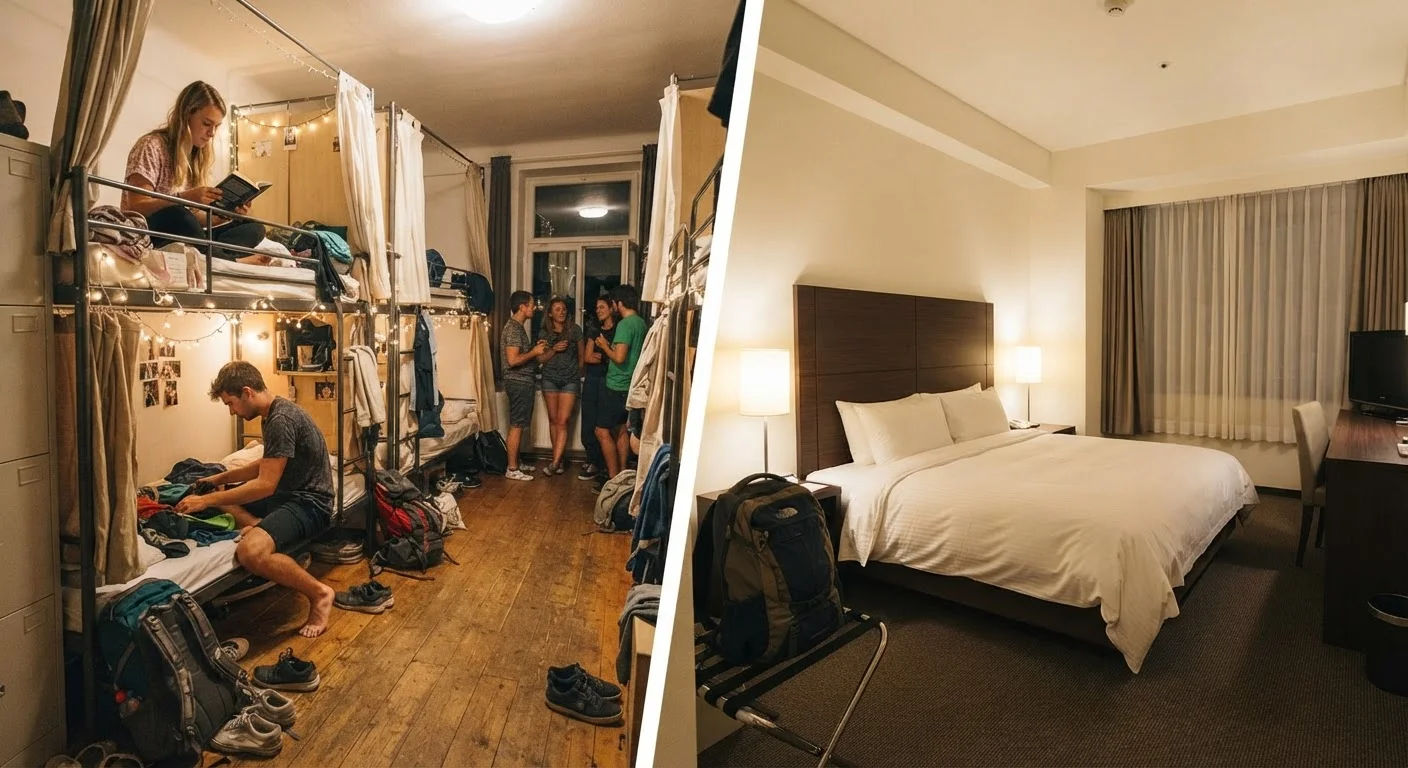
The price difference between a dormitory bed and a private room is the most obvious variable - but it's rarely as simple as comparing two nightly rates. A dormitory bed in a well-located hostel in cities like Lisbon, Bangkok, or Mexico City can run $12-$25 per night, while a private room in the same building often costs $45-$80. That gap compounds quickly across a two-week trip.
What the sticker price doesn't show: dormitories often include amenities - communal kitchens, free walking tours, social events - that offset expenses elsewhere. Private rooms at budget hotels, by contrast, typically strip those extras out. For a deeper breakdown of how lodging types stack up financially, see the real trade-offs budget travelers face.
50-75%
Typical cost saving: dorm vs. private room
Based on general hostel pricing patterns across popular solo travel destinations in Europe, Southeast Asia, and Latin America.
~$20
Average dorm bed price in budget destinations
Dormitory beds in high-traffic solo travel cities commonly range from $12-$30 depending on region and property quality.
Pros and Cons at a Glance
Before drilling into specific scenarios, it's worth laying out the core advantages and disadvantages of choosing a hostel dormitory as your default solo accommodation.
Substantially lower nightly cost
Dormitory beds typically cost 50-75% less than a private room in the same property or neighborhood, making a real difference on longer trips.
Built-in social environment
Common areas, communal kitchens, and organized events make it easier to meet other travelers without relying on chance encounters.
Often better located for the price
Hostels frequently occupy central locations that private budget accommodation at the same price point cannot match.
Shared local knowledge from staff and guests
Hostel common areas function as informal information exchanges - other travelers share current, on-the-ground tips that no guidebook carries.
Amenities that offset other costs
Free breakfast, communal kitchens, walking tours, and luggage storage reduce ancillary spending beyond the bed rate.
Sleep disruption is a genuine risk
Snoring, late arrivals, and varying schedules in shared rooms can meaningfully reduce sleep quality, which compounds over several nights.
Limited privacy for rest or work
Dormitories offer little space for phone calls, focused work, or unwinding alone - which matters more on longer trips.
Shared bathroom and storage logistics
Queuing for showers and managing belongings in lockers adds friction to daily routines, especially on days with early departures.
Security requires active management
Valuables need to be locked away consistently; complacency in dormitories is the most common precursor to theft incidents.
Social environment isn't always a fit
Introverted travelers or those on longer trips may find constant social proximity draining rather than energizing.
When to Choose a Dormitory
Dormitories make the most sense when your priority is meeting people and keeping nightly costs low - particularly at the start of a trip when you're building momentum and haven't yet formed a travel network. A first night in a new city is often more disorienting in a silent private room than in a dorm common area where someone has already been there a week and knows which bus to take.
They also make sense on longer trips where budget preservation is critical. Shaving $30-$50 per night over 10 nights is a meaningful reallocation - enough to fund a cooking class, a day trip, or a buffer against unexpected costs. The budget solo travel hub covers additional tactics for keeping trip costs sustainable without sacrificing experience.
Hostel Quality Varies Widely
The word 'hostel' covers a wide spectrum - from cramped, poorly maintained rooms to design-forward properties with private en-suite options and strong safety records. Reading reviews from solo travelers specifically (not group travelers) gives a more accurate picture of what to expect. Always confirm locker availability, check-in hours, and after-hours access policies before booking.
When a Private Room Is Worth It
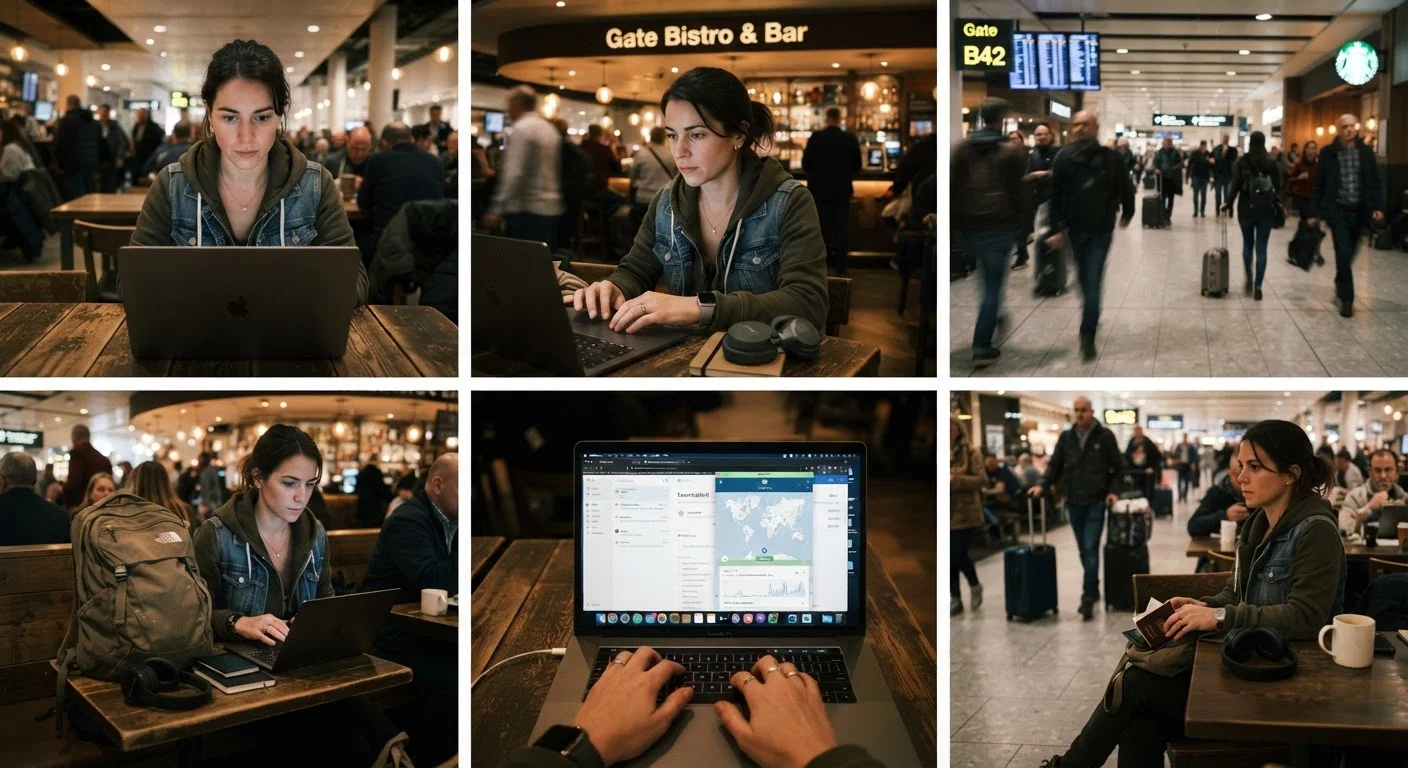
There are specific situations where paying for privacy is a straightforward call: arriving after a long overnight transit, managing illness or exhaustion mid-trip, or spending a week in a single city where quiet focus matters. Solo travelers working remotely, or those who need reliable sleep to stay functional, frequently find that private rooms are a net positive - not an indulgence.
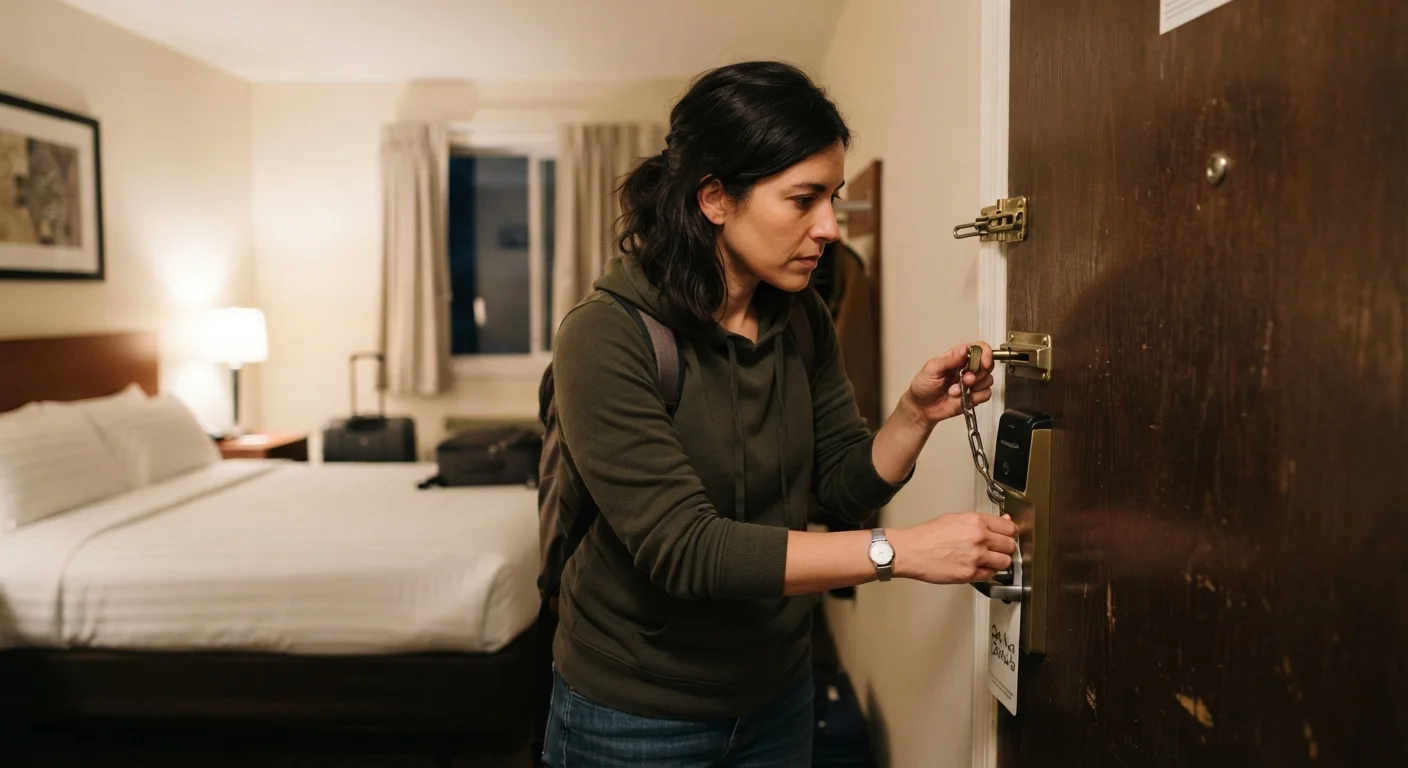
Security is another practical consideration. While quality hostels provide lockers and secure access, travelers carrying valuable equipment or who have had previous theft experiences may find a locked private room reduces anxiety meaningfully. For a thorough breakdown of what to evaluate before booking any accommodation, read the accommodation safety guide for solo travelers.
Private rooms within hostels - not hotel rooms - often represent the best middle-ground: you get a lockable door while retaining access to communal spaces and social programming. This option is underused and worth filtering for when searching. For a fuller comparison across lodging categories, see what each type of budget lodging actually offers.
Building a Practical Accommodation Strategy
Most experienced solo travelers don't commit to one type for an entire trip. A workable pattern: book dormitories for legs of the trip where you're moving fast, meeting people, and want to cut costs; book private rooms for legs where you're staying put, recovering, or need focused time. Reviewing your itinerary city by city - rather than defaulting to one accommodation type - gives you more control over both budget and energy.
When researching options, cross-check reviews specifically from solo travelers, look for hostels with active common areas rather than just cheap beds, and verify what the private room actually includes before assuming it's comparable to a budget hotel. Comparing accommodation types by cost, safety, and social value can help you apply this framework to each destination on your route.