
Where Eastern Europe Punches Above Its Weight for Dollar-Stretching Travel
Western Europe dominates most American travel itineraries, but the continent's eastern and southeastern edges quietly offer some of the strongest purchasing power available anywhere. In countries like Albania, Georgia, and North Macedonia, a US dollar doesn't just go further - it goes dramatically further, often covering meals, accommodations, and local transport at a fraction of what comparable experiences cost in Prague or Lisbon, let alone Paris.
This isn't about sacrificing quality. It's about geography and economics. Many of these nations sit outside the eurozone, maintain lower labor costs, and have developed tourism infrastructure that rewards early-adopter travelers with genuine value. For budget-conscious Americans comfortable navigating international logistics, the case for Eastern Europe's overlooked tier is compelling.
The countries below are assessed on what your dollar actually purchases day-to-day - meals, lodging, transit, and experiences - not just sticker-price appeal. For a broader comparison of how budget international destinations stack up globally, see our country-by-country cost breakdown for Central America.
A Note on Price Ranges in This Article
Daily cost estimates throughout reflect general traveler-reported averages based on mid-budget travel - private or shared accommodation, local restaurant meals, and public transport. Costs vary by season, accommodation type, travel style, and exchange rate fluctuations. Prices are not guarantees and should be used as rough planning benchmarks only. Always cross-reference with current traveler forums and official tourism resources.
The Countries, Ranked by Everyday Value
Albania - Riviera Coast and Mountain Villages at Rock-Bottom Prices
Albania is among the most affordable countries in the broader European region, full stop. Budget travelers regularly report all-in daily costs - accommodation, meals, local transport - in the range of $30-$50. A sit-down meal with local dishes and a beer at a non-tourist restaurant in Tirana or Berat can run under $8. Guesthouses in mountain towns like Theth or Valbona cost a fraction of comparable Alpine lodging.
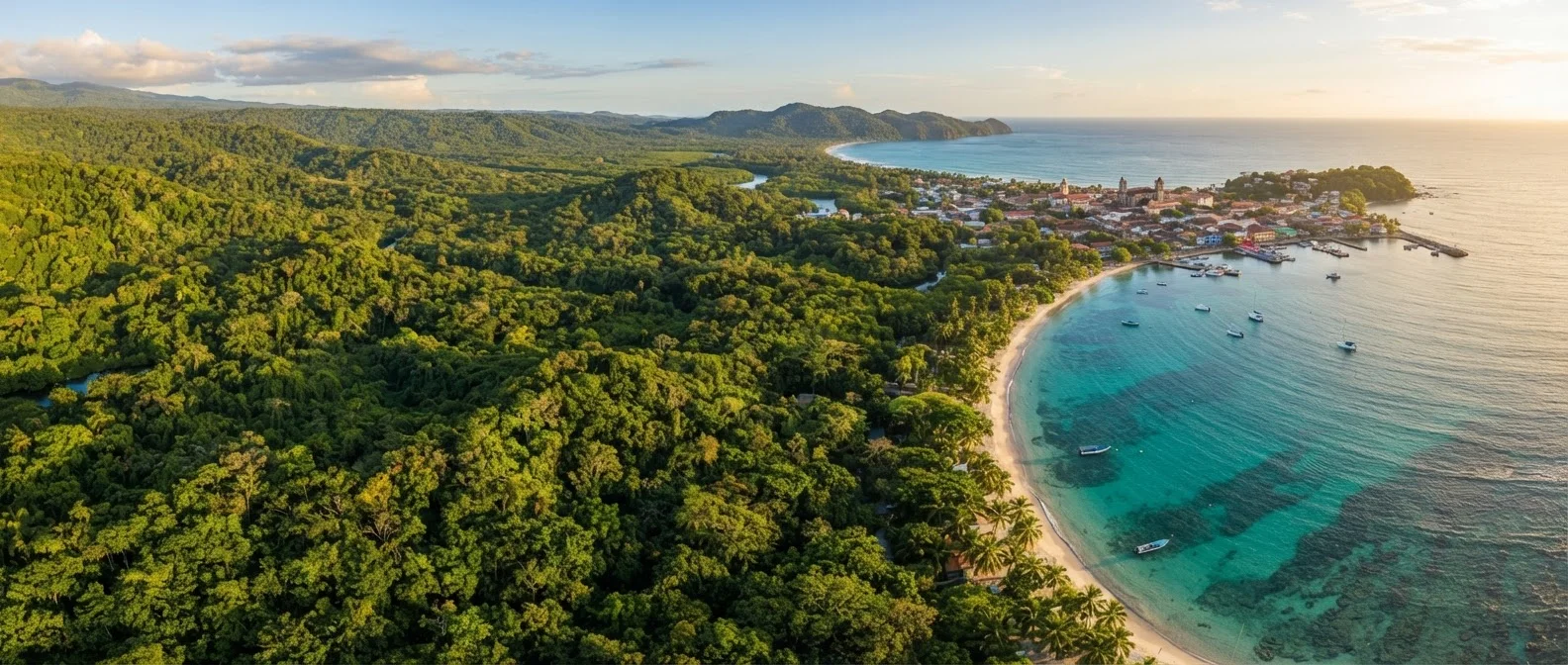
Americans receive 90-day visa-free entry. The Albanian Riviera - particularly the stretch between Sarandë and Himarë - delivers Mediterranean coastline that rivals Croatia at a dramatically lower price point. Internal bus and furgon (shared minivan) networks make moving between regions inexpensive, though road quality varies in rural areas.
Albania's Riviera delivers Mediterranean coastline at a fraction of Croatian prices.
Georgia - A Standout Value With Visa-Free Access and Exceptional Food
The Republic of Georgia - not the U.S. state - has built a growing reputation among experienced budget travelers. Americans can stay up to 365 days without a visa, an unusually generous policy. Daily costs in Tbilisi for a mid-budget traveler average $40-$60, including a private room, meals featuring the country's distinctive bread-and-cheese cuisine (khachapuri, khinkali dumplings), and local metro or minibus fares.
Beyond Tbilisi, guesthouses in wine regions like Kakheti and mountain villages in the Greater Caucasus range from $15-$30 per night. The country's dramatic landscape - high-altitude trekking, ancient cave cities, Black Sea coastline - means experiential density rivals destinations costing three times as much. For a deeper look at what makes this destination exceptional, see why Georgia has become one of the world's most underrated budget destinations.
Americans can stay in Georgia visa-free for up to 365 days - an almost unmatched policy.
North Macedonia - Small Country, Outsized Value
North Macedonia is one of the most overlooked countries in Europe for American travelers, which works directly in a budget traveler's favor. Skopje, the capital, has a dense cafe culture and a reconstructed old bazaar area where a full meal costs $5-$10. Daily budgets of $35-$55 are achievable without roughing it.
Lake Ohrid - a UNESCO-listed freshwater lake in the country's southwest - offers summer swimming, Byzantine-era churches, and hiking trails. Private rooms in Ohrid town run $25-$45 per night. Americans enter visa-free for up to 90 days within a 180-day period. The country's compact size means you can cover significant ground without costly internal flights.
Lake Ohrid delivers UNESCO-caliber beauty at guesthouse prices that rival hostels elsewhere.
Kosovo - Europe's Youngest Country and One of Its Most Affordable
Kosovo uses the euro despite not being an EU member, yet prices remain well below Western European norms due to local wage structures. Pristina's cafe scene is vibrant and inexpensive - coffee for under $1.50, full restaurant meals for $6-$10. Budget travelers report daily totals of $30-$45 in the capital.
Americans enter Kosovo visa-free. The country's outdoor draw centers on the Rugova Canyon area near Peja, which offers hiking and canyon scenery accessible by local transport. Note that Kosovo's political status means some neighboring countries may have entry-related complications - verify routing and border crossing logistics carefully before travel.
Pristina's cafe culture costs a fraction of any Western European city - under $1.50 for coffee.
Moldova - The Least-Visited Country in Europe With Genuine Wine Country Appeal
Moldova is statistically the least-visited country in Europe, which translates directly to low prices and unhurried tourism. Chisinau's restaurants and markets are inexpensive even by regional standards - daily budgets of $25-$40 are realistic. The country is home to some of the world's largest underground wine cellars, with tours to facilities like Cricova or Mileștii Mici offering an experience that's genuinely unusual.
Americans can enter visa-free for up to 90 days. Accommodation options are limited compared to Albania or Georgia, but guesthouses in the countryside wine regions provide authentic stays at very low cost. Infrastructure is improving but remains less developed than neighboring Romania - build flexibility into itineraries and verify current travel advisories with the U.S. State Department.
Moldova's underground wine cellars are among Europe's most unusual - and most affordable - experiences.
Combine Two or Three Countries in One Trip
Eastern Europe's compact geography makes multi-country itineraries efficient. Albania, North Macedonia, and Kosovo share borders and can be covered in 10-14 days using buses and shared transport. Georgia pairs naturally with a brief stopover in Armenia or Azerbaijan for travelers with more time. Consolidating flights into a single regional entry point reduces airfare costs significantly compared to booking separate round-trips.
Planning Your Trip: What to Know Before You Go
Airfare is the largest variable cost for any of these destinations. Eastern Europe sits at a structural disadvantage compared to Southeast Asia for transatlantic routing, though connecting flights through hubs in Istanbul, Vienna, or Frankfurt can keep costs manageable. Understanding what drives airfare price gaps between regions helps set realistic expectations before budgeting a trip.
Families traveling with children will find that low per-person costs in these countries make group travel significantly more accessible. Our guide to destinations where a family of four can travel affordably includes Central European options that pair well with an Eastern Europe itinerary.
Entry requirements, local safety conditions, and travel advisories can change. Always consult the U.S. Department of State's travel website and the destination country's official embassy resources before finalizing plans. Prices referenced throughout this article reflect general traveler-reported ranges and are not guarantees of availability or current conditions.