
Why Airfare Terminology Matters to Your Wallet
Airline pricing is one of the most opaque systems consumers encounter regularly. A single seat on a single flight can be priced dozens of different ways depending on when you book, which platform you search, and which fare bucket still has inventory. Travelers who don't understand this language are effectively negotiating blind.
This glossary focuses specifically on terms that directly affect what you pay - not operational airline jargon with no bearing on ticket cost. For a broader set of pricing concepts and how they interact at checkout, see the reference guide to common flight pricing terms. If you're building a full search strategy around these concepts, the complete guide to finding cheap flights builds directly on this foundation.
| Fare buckets in a single economy cabin | Typically 8-26 per flight (General industry structure; varies by carrier and route) |
| Domestic low-fare advance purchase window | Roughly 3-8 weeks out (Industry-wide general guidance; not a guarantee) |
| Typical YQ surcharge range on long-haul routes | Up to $500+ round-trip (Varies significantly by carrier, route, and itinerary) |
| Carriers accessible via major GDS networks | 400+ airlines (Amadeus, Sabre, and Travelport combined) |
| Flight numbers one operated flight may carry | Up to 4 or more codeshare numbers (Common on alliance-heavy transatlantic routes) |
Core Glossary: Terms That Affect What You Pay
The definitions below are organized by how directly they affect a typical traveler's booking decisions. Work through these before exploring complex routing strategies or fare search tools.
Base Fare
The core ticket price before taxes, fees, and carrier-imposed surcharges are added. This is the number airlines often advertise, but it rarely reflects the total you'll pay at checkout.
Fare Bucket
A pricing tier within a single cabin (e.g., economy) that determines the actual cost and rules of your ticket. Airlines manage dozens of fare buckets per flight, releasing cheaper tiers first and replacing them with pricier ones as seats fill.
YQ Surcharge
A carrier-imposed fuel or miscellaneous surcharge coded as YQ or YR in fare systems. These are technically separate from government taxes and can significantly inflate the total cost of a ticket, especially on international routes.
Open-Jaw Ticket
An itinerary where you fly into one city and depart from a different one - or vice versa. Open-jaw tickets can sometimes be cheaper than booking two separate one-way fares and eliminate the need to backtrack.
Fare Class
A single letter code (such as Y, B, or Q) identifying the booking class of a seat. It determines price, frequent flyer accrual rate, upgrade eligibility, and the change or cancellation rules that apply.
GDS (Global Distribution System)
Software infrastructure used by travel agents and booking platforms to access airline inventory and fare data. Fare class codes and seat availability are transmitted through GDS networks such as Amadeus, Sabre, or Travelport.
Hidden City Ticketing
A practice where a traveler books a multi-leg itinerary and intentionally disembarks at a layover city rather than the ticketed final destination because the through-fare is cheaper. Airlines prohibit this in their contracts of carriage, and it carries meaningful risks including account suspension and voided return segments.
Interline Agreement
A commercial arrangement between two or more airlines allowing them to accept each other's tickets and transfer checked baggage across carriers. Without one, connecting flights on different airlines require separate check-in and baggage reclaim at each carrier.
Codeshare
A flight operated by one airline but marketed under the flight number of a partner carrier. Passengers may book through one airline and find themselves flying on a different airline's aircraft, which affects baggage fees and frequent flyer credit.
Positioning Flight
A flight taken specifically to reach the departure city of a cheaper or more convenient itinerary. For example, traveling to a nearby hub airport to access lower fares than your home airport offers.
Fare Rule
The legally binding terms attached to a specific fare that govern advance purchase requirements, minimum stay, change fees, refund eligibility, and transferability. Fare rules vary dramatically between booking classes and carriers.
Deadhead Segment
An empty or repositioning flight leg an airline operates for logistical rather than revenue reasons. On rare occasions, airlines sell seats on these flights at reduced prices to partially offset operating costs.
Fare Rules Are Legally Binding
The fare rules attached to your ticket are part of the contract of carriage - not optional guidelines. Before booking a non-refundable fare, read the change and cancellation conditions carefully. What appears to be a cheap ticket may carry a change fee that rivals or exceeds the original fare. When in doubt, a refundable fare class may be worth the premium.
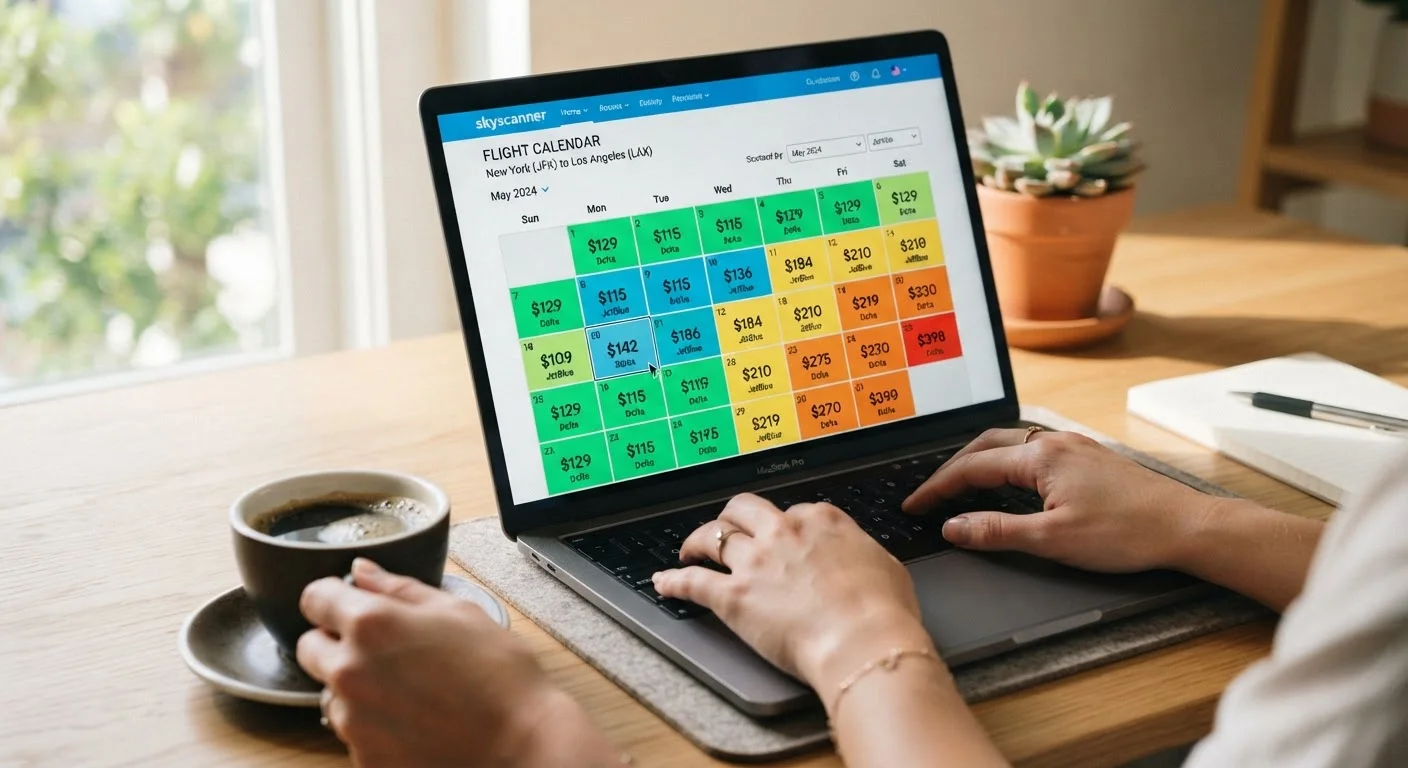
A few terms deserve extra emphasis for budget-focused travelers. Fare buckets explain why the same seat costs different amounts on different days - airlines release cheaper inventory first, and once it sells out, the next tier opens at a higher price. YQ surcharges are why a nominally low base fare can balloon at checkout, particularly on international itineraries. And open-jaw tickets are an underused option that can save money while eliminating the need to backtrack to your origin city.
Understanding codeshare arrangements also matters when comparing itineraries. A flight listed under one carrier may be operated by another, which affects baggage fees, lounge access, and frequent flyer credit - costs that don't appear in the base fare but do affect total trip expense. For a closer look at how low-cost carriers layer fees onto low base prices specifically, see how budget airline fare structures work.
26+
Fare buckets airlines may use in one cabin
Yield management systems allow airlines to control precisely how many seats are sold at each price point on a given flight.
$500+
Potential YQ surcharge on a single round-trip
Carrier-imposed surcharges on premium long-haul itineraries can rival or exceed government taxes in total cost.
3-5x
Price spread between lowest and highest economy bucket
The same physical seat on the same aircraft can cost dramatically more depending on when and how inventory was released.
Hidden city ticketing is included here for definitional completeness. While it occasionally surfaces in money-saving discussions, airlines explicitly prohibit it in their contracts of carriage. Consequences can include cancelled return segments, frequent flyer account suspension, or denied boarding. For proven, lower-risk approaches to finding cheaper fares, the flight savings hub covers tactics without those downsides. If you're also thinking about fees you'll encounter once you've landed, the traveler's glossary of foreign transaction fees is a useful companion reference.