

Why Pricing Vocabulary Matters Before You Book
Flight pricing uses a specialized vocabulary that directly determines what you pay, what you can change, and what protections you have if something goes wrong. Terms like base fare, fare bucket, and YQ surcharge aren't bureaucratic jargon - they're the mechanics behind the number on your screen. Knowing them shifts you from guessing to making informed comparisons.
This glossary focuses on the terms that appear most often in booking flows, itinerary confirmations, and fare rules. For a broader look at how these terms interact in actual search results, see how to decode flight search results before committing to a ticket.
| Typical fare buckets per cabin | 4-12 inventory codes (Industry standard across major GDS platforms) |
| Government taxes vs. YQ surcharge | Both appear in 'taxes & fees' totals (IATA fare construction rules) |
| Advance purchase window (common) | 7, 14, or 21 days before departure (Standard airline fare rule tiers) |
| Open-jaw availability | Supported by most full-service carriers (IATA ticketing standards) |
| Codeshare flight numbers | Operated by a different carrier than seller (Common across airline alliance partnerships) |
Core Pricing Terms Defined
The terms below cover the pricing layer most travelers encounter - from the fare you see advertised to the fees buried in the booking confirmation. Use this as a reference while you shop.
Fare Terms Vary by Carrier and Route
Airlines apply these pricing structures differently - a 'basic economy' on one carrier may include a carry-on while another's does not. Always read the specific fare rules attached to your booking before purchasing. Rules are shown in the fare details screen of most booking tools.
One area where terminology confusion costs real money: the difference between a codeshare and an interline booking. If your connecting flights are on separate tickets with no interline agreement between the carriers, a missed connection is entirely your financial problem. Always verify whether a booking holds on a single ticket or two independent reservations.
Budget carriers operate under a different fare structure than full-service airlines - understanding budget airline fare structures explains how low base fares interact with the add-on fee model that defines low-cost carrier pricing.
Applying These Terms to Smarter Booking Decisions
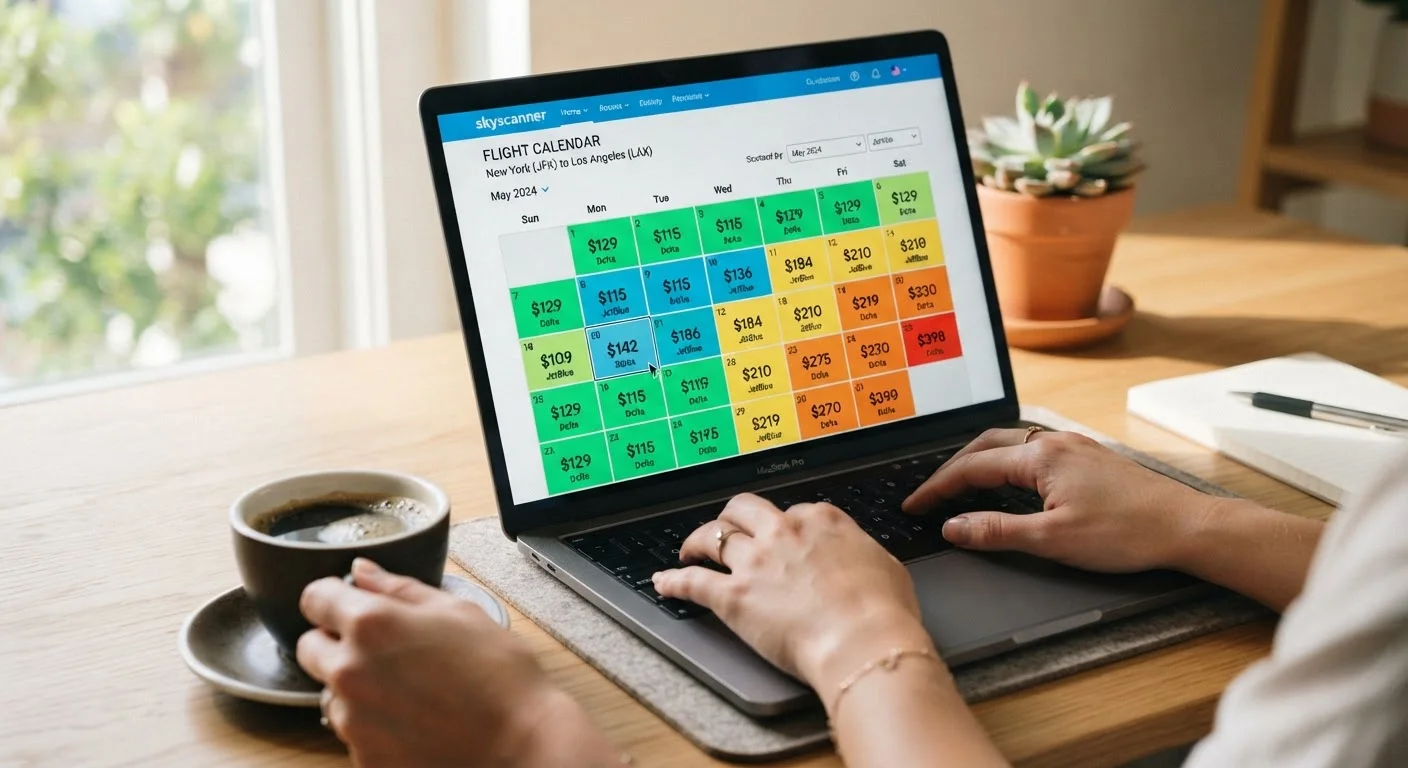
Once you understand what a fare bucket is, the practical implication becomes clear: two passengers in identical seats on the same flight may have paid significantly different prices and earned different mileage amounts, simply because one booked earlier or through a different channel. Fare buckets are finite - as lower-priced buckets sell out, the price climbs even if seats remain available.
Advance purchase requirements interact with this directly. Missing a 14-day window doesn't mean a small price increase - it can push you into an entirely different fare class with stricter rules. If you're working with flexible travel dates, understanding these windows is one of the most actionable levers available.
For travelers spending money across borders, the fee landscape extends beyond airfare. foreign transaction fees and currency markups follow a similarly opaque structure and reward the same kind of terminology fluency.
The airfare glossary for budget travelers and the key airfare terms reference offer additional depth on terms such as open-jaw routing and GDS fare codes if you want to go further. The more precisely you can read a fare, the less likely you are to be surprised after purchase.