
Why the Advertised Fare Is Only the Starting Point
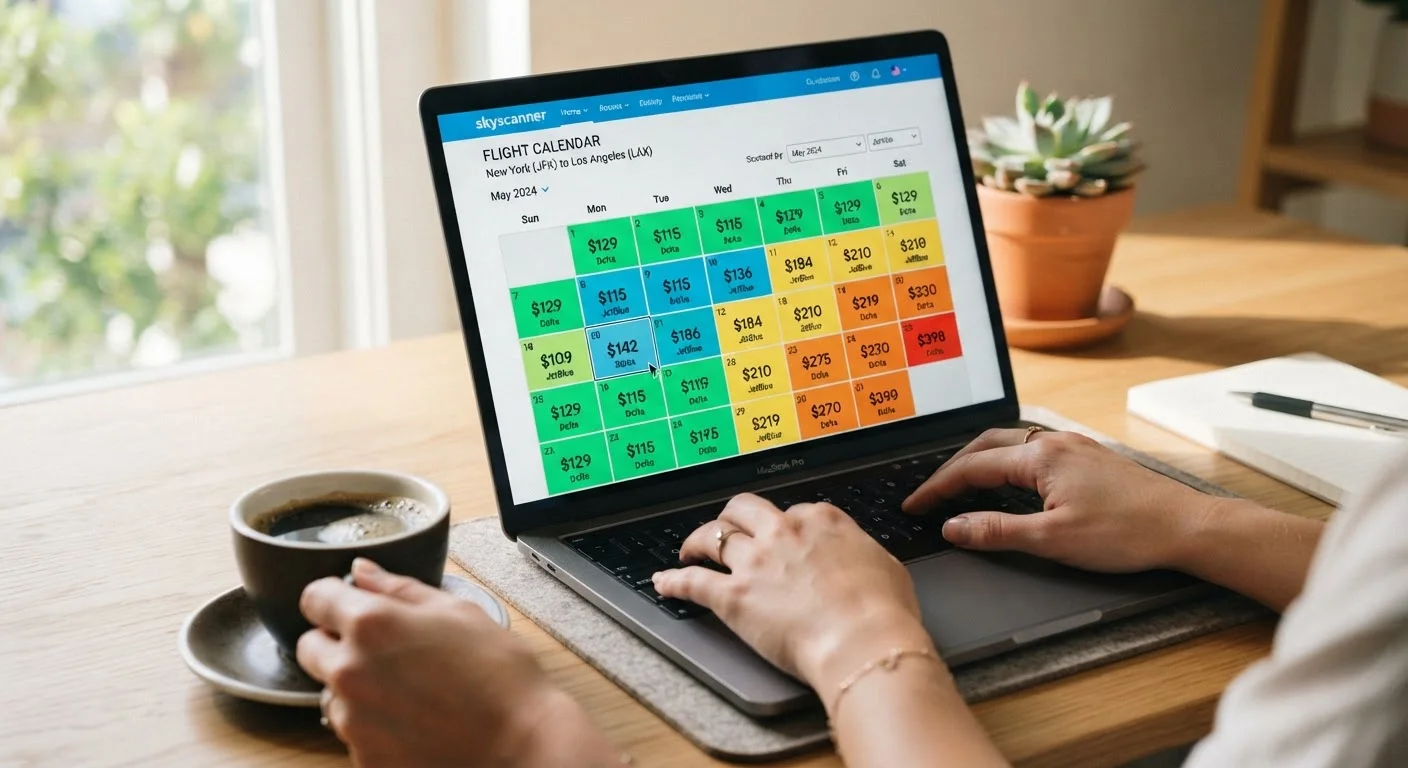
A $49 fare and a $149 fare are not as far apart as they appear. Budget carriers - also called low-cost carriers, or LCCs - build their revenue model around a stripped-down base price supplemented by a menu of fees for services that full-service airlines typically include. Understanding this structure is the only reliable way to compare the two honestly.
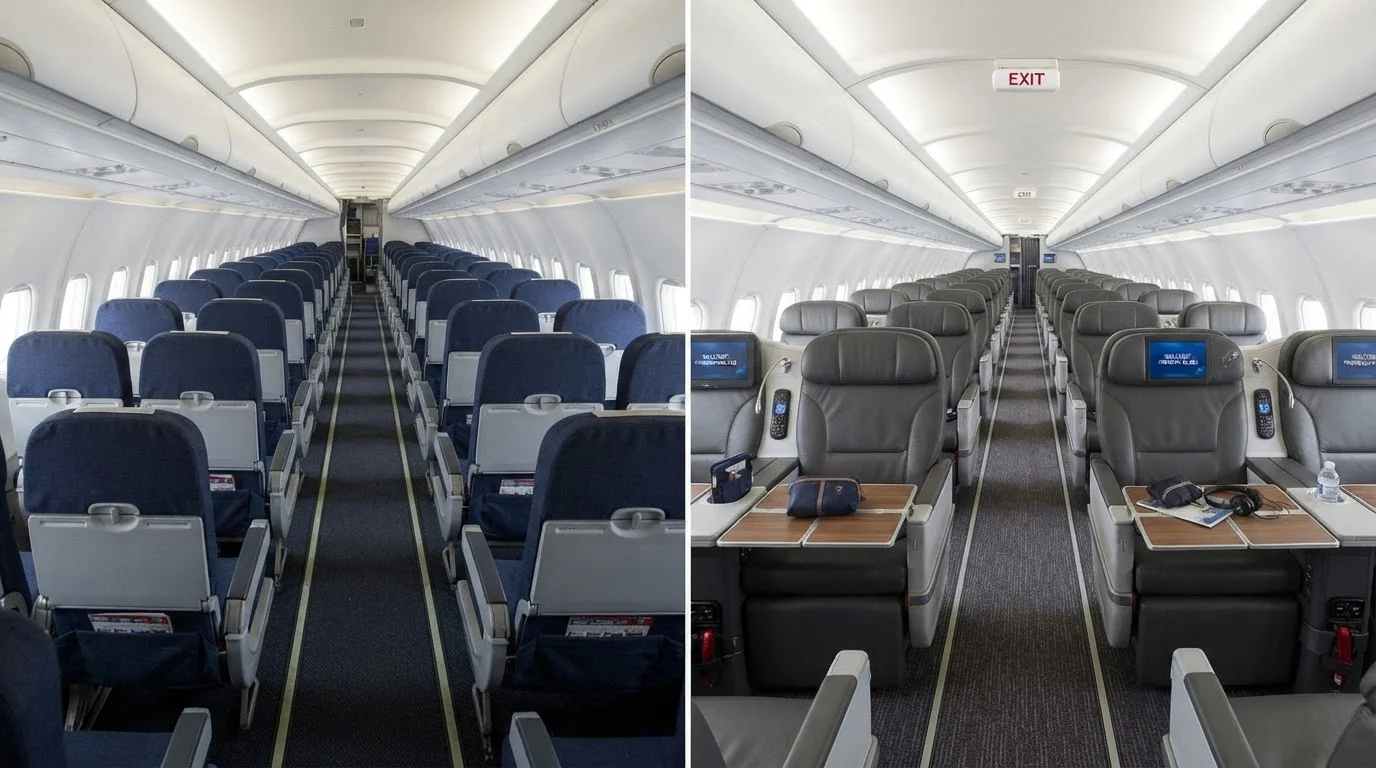
The most common fee triggers on LCCs are: checked baggage, carry-on bags that don't fit under the seat, seat selection, priority boarding, and in-flight food or beverages. On a full-service carrier, several of these - especially one checked bag on international routes, a personal item and carry-on domestically, and complimentary non-alcoholic beverages - are bundled into the base fare.
For a practical framework on how LCC pricing layers work, see how budget carriers structure their pricing. And for a closer look at similar restrictions on the full-service side, basic economy ticket costs are worth understanding before assuming a legacy carrier is automatically more generous.
Lower base fares on short-haul routes
Budget carriers regularly undercut full-service fares on routes under two hours, sometimes by 40-60%, making them genuinely cost-effective for light-packing travelers.
Point-to-point nonstop routes full-service carriers skip
Many LCCs connect secondary city pairs without a hub layover, which can reduce total journey time and eliminate connection risk on specific itineraries.
Pay-only-for-what-you-use pricing model
Travelers who fly with a personal item only and don't need seat selection or in-flight meals aren't subsidizing those services for others - the unbundled model rewards minimalist packers.
Where Budget Carriers Genuinely Win
On short-haul routes - typically under two hours - the savings on budget carriers can be real, particularly for travelers who pack light. If you can fit everything into a personal item (usually a small backpack), you avoid the single biggest fee category entirely. On a domestic hop or a quick intra-European segment, paying $60-$80 less than a full-service equivalent is a meaningful saving for a one-hour flight.
Frequency and route coverage are also legitimate advantages in some markets. Several LCCs operate point-to-point routes between secondary airports that full-service carriers don't serve nonstop. If that routing saves you a connection, you may save time as well as money - though airport location deserves scrutiny (more on that below).
$70-$140
Typical round-trip checked bag cost on budget carriers
Based on published fee ranges from major US and European low-cost carriers; exact amounts vary by route, timing, and carrier.
45-90 min
Extra transit time from secondary budget-carrier airports
Many LCC hub airports - such as Midway vs. O'Hare or Stansted vs. Heathrow - sit considerably further from city centers than primary airports.
Where the Math Shifts Against Budget Carriers
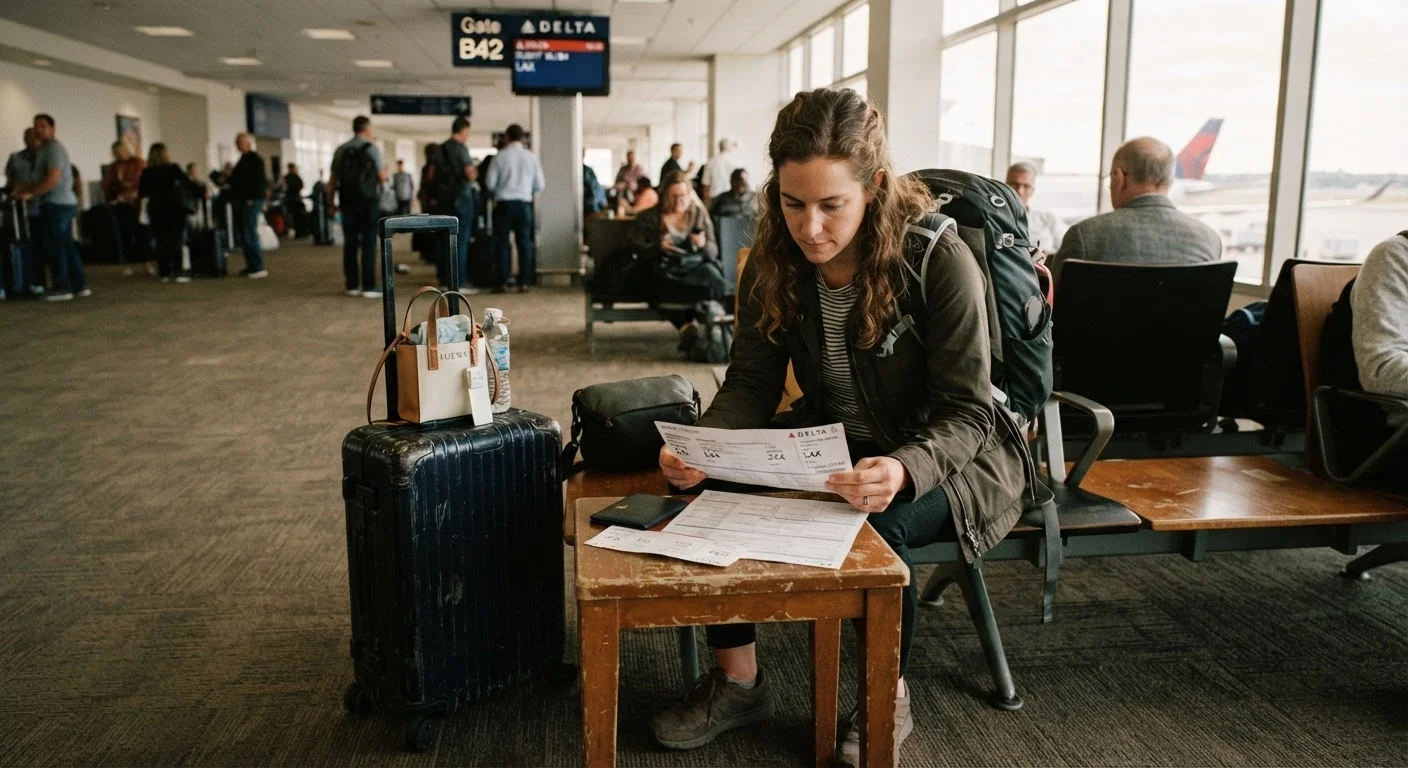
Add one checked bag - common on trips of five or more days - and the calculus changes. Budget carrier checked bag fees frequently range from $35 to $70 per segment, meaning a round-trip with one bag can add $70-$140 to the advertised fare. On many full-service routes, that same bag is included or costs significantly less when bundled.
Airport location is an underappreciated cost. Several major LCCs operate from secondary airports that are 45-90 minutes from city centers, adding ground transport costs and transit time. Airport ground transport costs by option - train, bus, taxi, rideshare - can run $20-$60 each way at secondary airports, adding $40-$120 round-trip before you've set foot on the plane.
Rebooking flexibility is another hidden cost. Most budget carriers charge substantial change or cancellation fees, or sell non-refundable fares with no credit. A single missed or changed flight can cost more than the original fare difference. Full-service carriers have broadly moved toward more flexible change policies in recent years, narrowing this gap on some routes.
For a detailed breakdown of these tradeoffs, the real tradeoffs of flying with budget carriers covers the full picture.
Baggage fees erode savings quickly
A single round-trip checked bag can add $70-$140 on many budget carriers, often closing most or all of the initial fare gap compared to full-service options.
Secondary airport locations add time and cost
Budget carriers frequently operate from airports well outside city centers; ground transport to and from these airports can add $40-$120 round-trip plus significant travel time.
Limited flexibility on changes and cancellations
Most LCC fares are non-refundable with steep change fees, creating meaningful financial risk if your plans shift - a cost that rarely appears in upfront fare comparisons.
Seat selection fees add up for families or couples
Travelers who need to sit together - families with children, in particular - often must pay per-seat selection fees, which can rival or exceed the base fare savings.
Reduced recourse during disruptions
Budget carriers typically offer less generous rebooking assistance and fewer interline agreements when flights are cancelled or significantly delayed, compared to full-service network carriers.
Running the Numbers: A Simple Comparison Framework
Before booking, build a total-cost estimate using these line items:
- Base fare (both carriers)
- Carry-on or checked bag fee (LCC only, if applicable)
- Seat selection (LCC often charges; full-service sometimes includes)
- Airport ground transport (add both directions if secondary airport is involved)
- Meals (on flights over ~3 hours; full-service often includes one)
- Change/cancel risk buffer (if your plans are uncertain)
In most scenarios, carry-on-only travelers on routes under 90 minutes will find budget carriers genuinely cheaper after all fees. Travelers checking bags on routes over two hours will often find the gap is under $30 - and sometimes reversed. Regional airfare economics also play a role: on certain international corridors, full-service carriers price aggressively due to competition, making them competitive even before bags are counted.
Full-Service Basic Economy: A Middle Layer
Many full-service carriers now sell 'basic economy' fares that mimic LCC restrictions - no seat selection, no changes, carry-on limitations - at a lower price point. These fares complicate direct comparisons: a basic economy ticket on a legacy carrier may be cheaper than a budget carrier fare once bags are added, or it may carry similar restrictions without the price benefit. Always read the fare rules, not just the tier name. For more detail, see the real cost of a basic economy ticket.
This article provides general travel information only. Fees, policies, and fare structures vary by carrier and route and may change. Always verify current fee schedules directly with the airline before booking.