
Why AT Towns Punch Above Their Weight
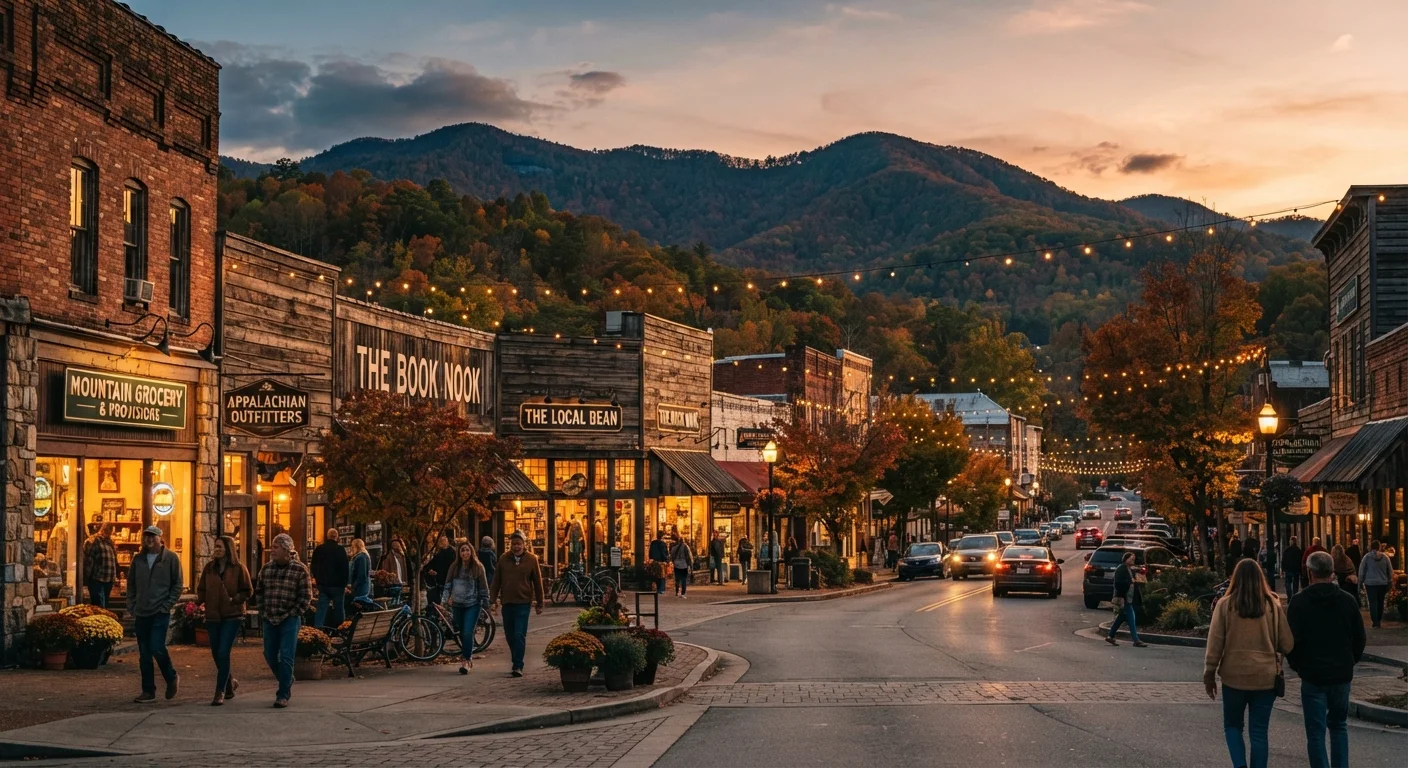
Most travelers drive past them without a second glance - a blinking stoplight, a hand-painted mural, a diner with a screen door. But the small towns strung along the Appalachian Trail's 2,190-mile corridor from Georgia to Maine have quietly developed something rare: genuine hospitality ecosystems built for people who arrive on foot, on a budget, and hungry for real experience.
You don't need to be a thru-hiker to tap into that energy. These communities - shaped by decades of welcoming exhausted, trail-worn travelers - have an openness and affordability that polished resort towns simply can't replicate. Think bunkhouses that also welcome road-trippers, locally owned cafés used to feeding enormous appetites at modest prices, and outfitters staffed by people who actually live the outdoor life they're selling.
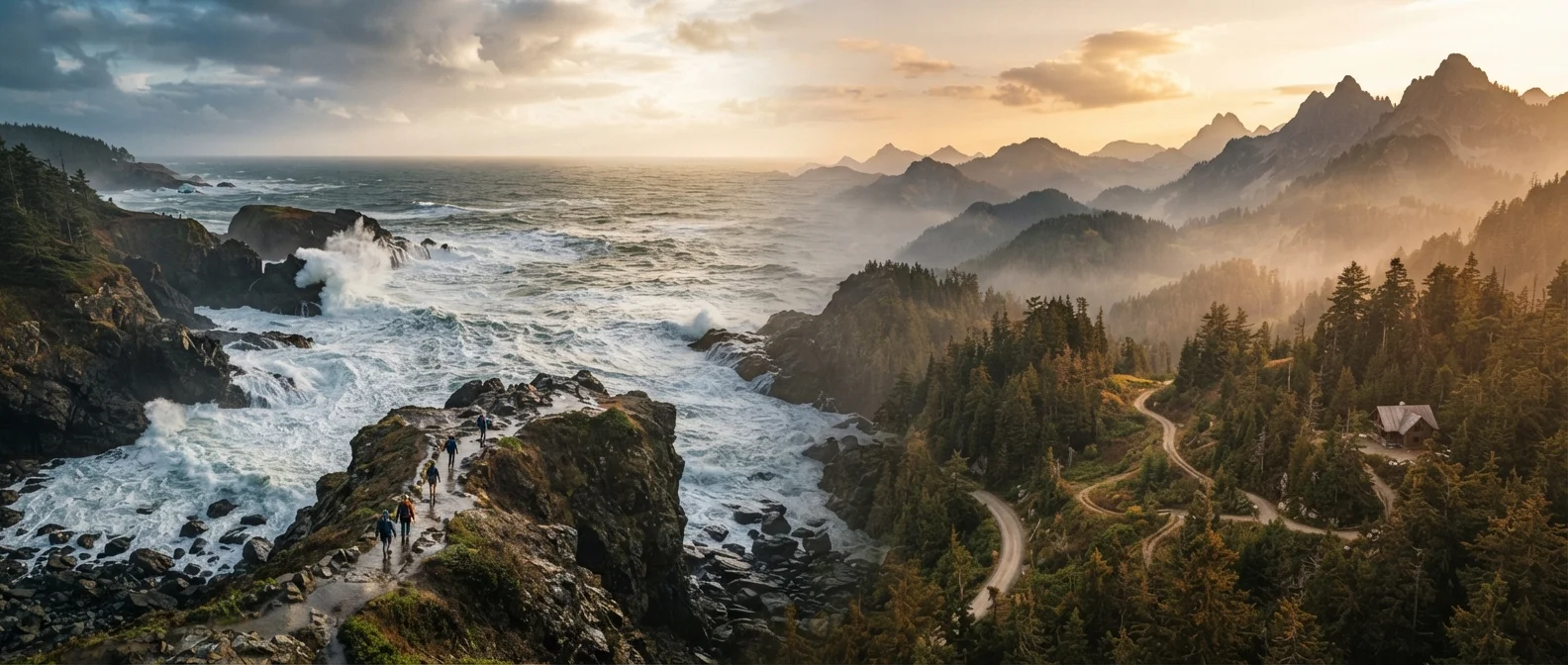
If you're weighing your next weekend escape, our breakdown of coastal vs. mountain town trade-offs is a useful starting point - but AT towns represent a distinct third category worth exploring on their own terms.
Damascus, Virginia - "Trail Town USA"
Damascus earns its unofficial nickname through sheer concentration of trail culture per square mile. The AT, the Virginia Creeper Trail, and several other long-distance routes all converge here, giving the town a cross-disciplinary outdoor identity that's unusually lively for a community of roughly 800 people.
The main street is walkable in minutes but packs in independent outfitters, a handful of cafés, and the famous The Place - a hiker hostel operated by a local church that has sheltered trail travelers for decades. Even if you're not bunking there, stopping in gives you an immediate read on the town's welcoming character. The annual Appalachian Trail Days festival draws thousands each May, but the town is worth visiting any time of year.
Damascus manages to feel like a genuine community rather than a staged experience, which is increasingly rare.
Hot Springs, North Carolina - Mineral Springs and Mountain Quiet
Hot Springs sits in a narrow river valley where the French Broad River practically laps at the edge of town - and where the AT runs directly down the main street, one of the few places in the country where that happens. The result is a town with an almost theatrical sense of place.
The namesake hot springs (operated by a local resort) offer soaking tubs fed by natural thermal waters, a genuinely restorative experience after a day of hiking or driving mountain roads. The town's modest collection of restaurants and a well-stocked outfitter serve both hikers and curious day visitors without much price differentiation between the two.
Hot Springs is one of the few places where the Appalachian Trail literally walks through the center of town.
Erwin, Tennessee - Unicoi County's Underrated Anchor
Erwin doesn't lead with glamour, and that's exactly the point. This working-class county seat in Unicoi County sits where the Nolichucky River cuts a dramatic gorge - popular with whitewater paddlers - and where the AT descends for resupply. The town has a rougher-around-the-edges character compared to more polished trail stops, but that authenticity is the draw.
Local diners serve stick-to-your-ribs breakfasts at prices that feel like a time warp. The Nolichucky Gorge itself is a legitimate scenic attraction accessible without any hiking - a short drive puts you at river overlooks that rival more-marketed destinations several states away.
Erwin rewards travelers who value authentic working-town character over curated charm.
Millinocket, Maine - Gateway to the Northern Terminus
Few towns in the AT constellation carry as much emotional weight as Millinocket. It's the last substantial stop before Baxter State Park and Katahdin, the trail's northern endpoint - a fact that gives the town a quiet intensity. Thru-hikers arrive here after months on the trail; non-hikers arrive to witness that energy or to explore the surrounding lake and forest landscape on its own terms.
Millinocket has seen economic ups and downs tied to the paper industry, and revitalization efforts have leaned heavily on outdoor tourism. Independent lodging, outfitters, and eateries have opened in recent years, giving the town a building momentum that feels genuine rather than manufactured. Visiting now means catching a community in the middle of a real story.
Millinocket's connection to Katahdin gives it an emotional gravity no marketing budget could manufacture.
Harpers Ferry, West Virginia - History Layered on History
Harpers Ferry is the AT's most historically loaded stopover, sitting at the confluence of the Potomac and Shenandoah rivers on the borders of West Virginia, Virginia, and Maryland. The Appalachian Trail Conservancy's headquarters is here, and the town's lower section is a National Historical Park commemorating its role in pre-Civil War events.
That institutional presence means interpretation and signage are excellent - you can absorb a remarkable amount of American history just by wandering the preserved streets. Lodging and food options are more developed here than at smaller AT towns, but prices remain well below comparable history-tourism destinations. It's an especially good choice for travelers who want outdoor access alongside cultural depth, the kind of combination that America's overlooked cultural small cities often deliver.
Harpers Ferry packs genuine American history and trail access into one remarkably walkable town.
Waynesboro, Virginia - The Practical One That Earns Loyalty
Waynesboro doesn't have a single dramatic hook - no hot springs, no famous festival, no terminus glamour. What it has is consistent, unpretentious competence. Sitting at Rockfish Gap where the AT meets the Blue Ridge Parkway and Skyline Drive, it serves as a resupply hub that hikers return to and remember fondly.
For non-hiking visitors, the town is an underrated base for exploring the southern Shenandoah Valley, with easy access to wineries, caverns, and scenic drives that would anchor a full weekend. A small but earnest arts scene - anchored by P. Buckley Moss Museum - adds an unexpected cultural dimension to what might otherwise seem like a purely practical stop.
Waynesboro proves that 'practical' and 'memorable' are not mutually exclusive in trail town travel.
Plan Your Visit Without Overthinking It
The logistical beauty of AT towns is their simplicity. Most sit within a short drive of major interstates and can be reached easily by car; a handful are served by regional bus routes. Accommodation ranges from classic hiker hostels (which frequently welcome non-hikers) to small inns and vacation rentals priced well below national resort averages.
Visit in the Shoulder Season for Best Value
Late April through early June and mid-September through October bring the most vibrant trail-town atmosphere - active hiking season means lively hostels and open outfitters - without the peak summer heat. Many small lodging options fill quickly during trail events, so checking availability a few weeks ahead is worthwhile even in these less-hyped destinations.
For visitors who enjoy the idea of small-town character but want slightly more urban amenities alongside it, these underappreciated small US cities offer a complementary style of escape. AT towns, by contrast, reward travelers who are happy to slow down, eat whatever the local diner is serving, and let the mountains set the agenda. Verify current lodging availability and road or trail conditions with local visitor centers before you go, especially during peak spring migration season when thru-hiker traffic is highest.