

The Core Budget Categories - and Where Solo Costs Diverge
Every travel budget covers the same basic categories: flights, accommodation, food, transport, activities, and a miscellaneous buffer. What changes for solo travelers is which of those lines carries a built-in premium and which ones are actually more flexible.
The clearest divergence is accommodation. A private room priced for two costs the same whether one or two people sleep in it. That's the solo supplement in practice, even when it isn't labeled as one. On cruises and package tours it becomes explicit - operators charge a surcharge for single occupancy that can reach 100% of the per-person rate. This is covered in detail in why solo travel carries a price premium.
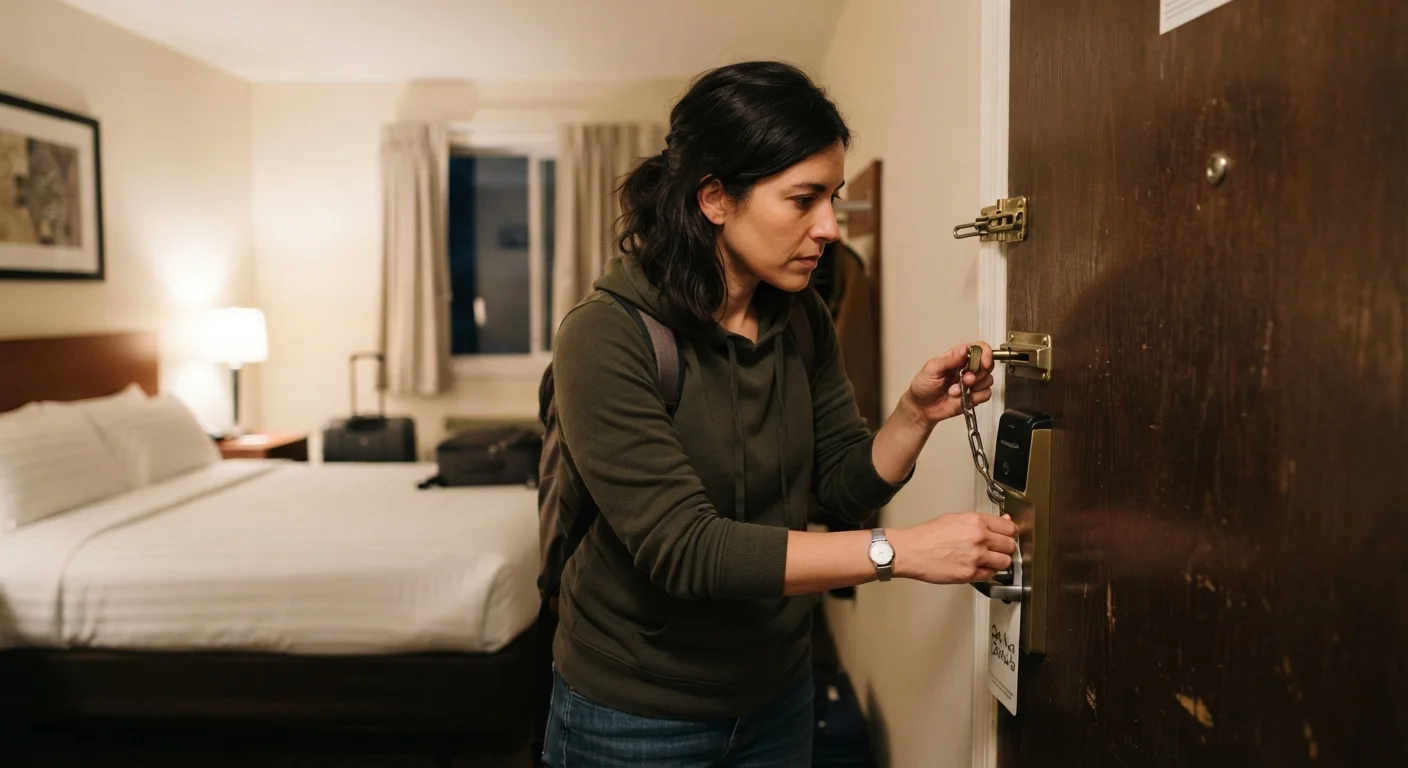
Transport is the second underestimated line. Taxis, ride-shares, and private transfers become a solo expense rather than a shared one. If you ever make a safety-based decision - skipping a late-night bus for a faster, safer option - that cost lands entirely on you. Budget for it rather than being surprised by it.
25-100%
Solo supplement range on hotel and cruise bookings
Single-occupancy surcharges vary widely by operator and property type, but commonly double the per-person cost of a shared room.
10-15%
Recommended emergency buffer as share of total budget
Financial planners and experienced solo travelers commonly suggest reserving this portion separately for unplanned costs.
3 in 5
Solo travelers who report unexpected transport costs
Surveys of independent travelers consistently find unplanned transportation - especially safety-motivated upgrades - among the top budget surprises.
Fixed vs. Variable Costs: How to Structure Your Numbers
Separating fixed from variable costs is what makes a solo budget usable rather than just theoretical.
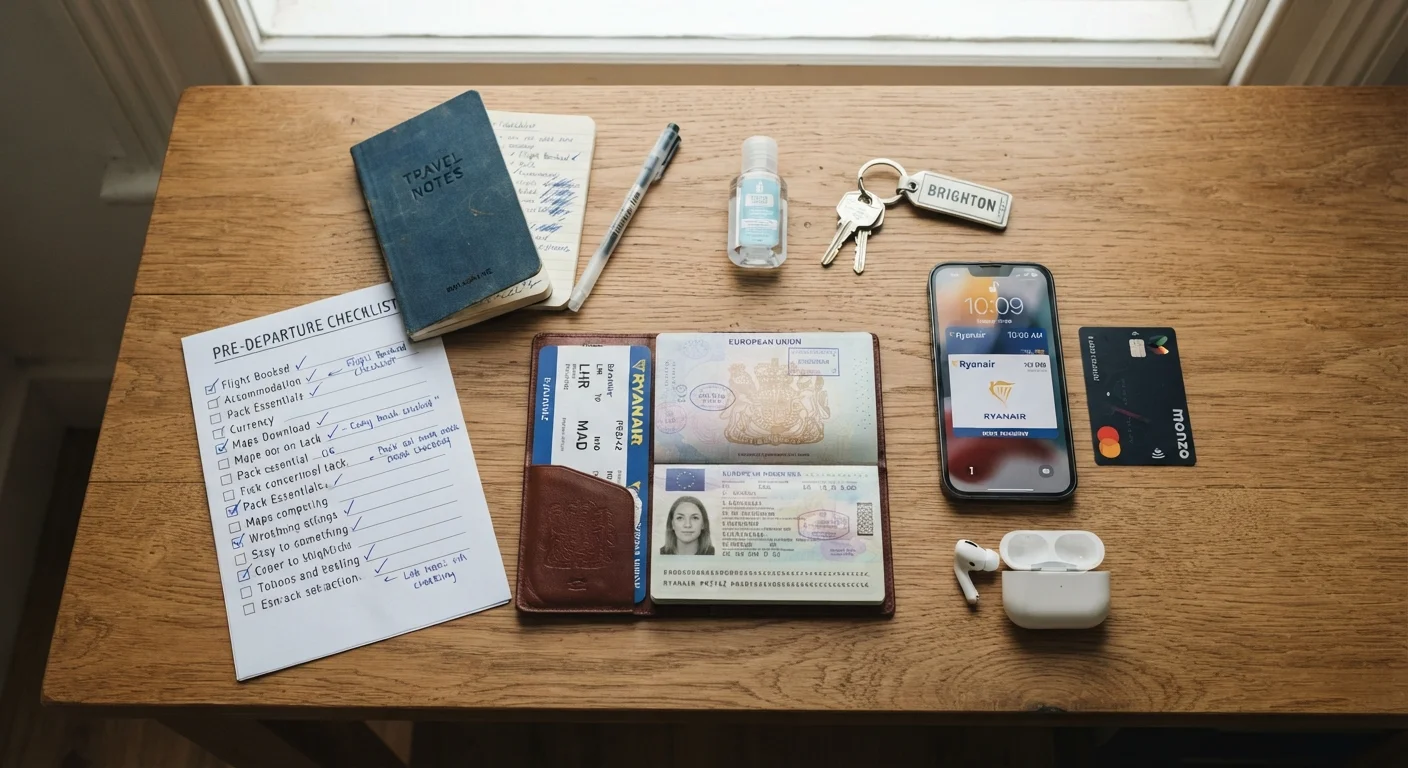
Fixed costs are locked before you leave: flights, accommodation booked in advance, visas, and travel insurance. These are the hardest to adjust mid-trip, so get them right during planning. Check where solo costs are genuinely unavoidable to calibrate which of these lines is worth negotiating and which isn't.
Variable costs include daily food, local transport, activities, and incidentals. These are where solo travelers actually have leverage. Eating at local markets, choosing free or low-cost activities, and walking instead of riding all compound quickly. The daily travel costs hub goes deeper on managing these day-to-day.
A practical structure: estimate your fixed costs first, add a 10-15% emergency buffer, then work backward to determine what's left for daily spending. That daily number - not a vague total - is what you'll actually use to make decisions on the road.
Build your daily spending number first
After locking in fixed costs and your emergency buffer, divide what remains by the number of travel days. That daily number is your real decision-making tool on the road. Adjust it destination by destination - not all days cost the same.
The Budget Lines Solo Travelers Most Often Skip
Three categories are routinely absent from first-time solo budgets and regularly cause overruns.
Travel insurance is treated as optional until it isn't. Solo travelers have no backup if a medical issue, cancellation, or theft disrupts the trip. Unlike a traveling companion who might lend money or help navigate a crisis, you're absorbing every consequence alone. Understand which coverage components actually matter before deciding what to include.
Communication costs - a local SIM, international data plan, or pocket Wi-Fi - are practical necessities for solo travelers navigating alone, not luxuries.
Safety-related transport upgrades don't always make it into initial estimates. Choosing a registered taxi over an unmarked one, or booking a reputable transfer instead of an unknown shared van at night, is a real cost. Budget a monthly or per-trip allowance for these rather than making underfunded decisions in the moment.
For a full breakdown of where solo budgets tend to unravel, see why solo trip budgets spiral. Once you've built your baseline, stretching that budget from departure to return gives a stage-by-stage approach to keeping it intact.