
Start With the Constraint, Not the Packing List
Most packing mistakes happen before a single item goes in the bag. The problem isn't choosing the wrong gear - it's skipping the foundational question: how will you be moving, and how often?
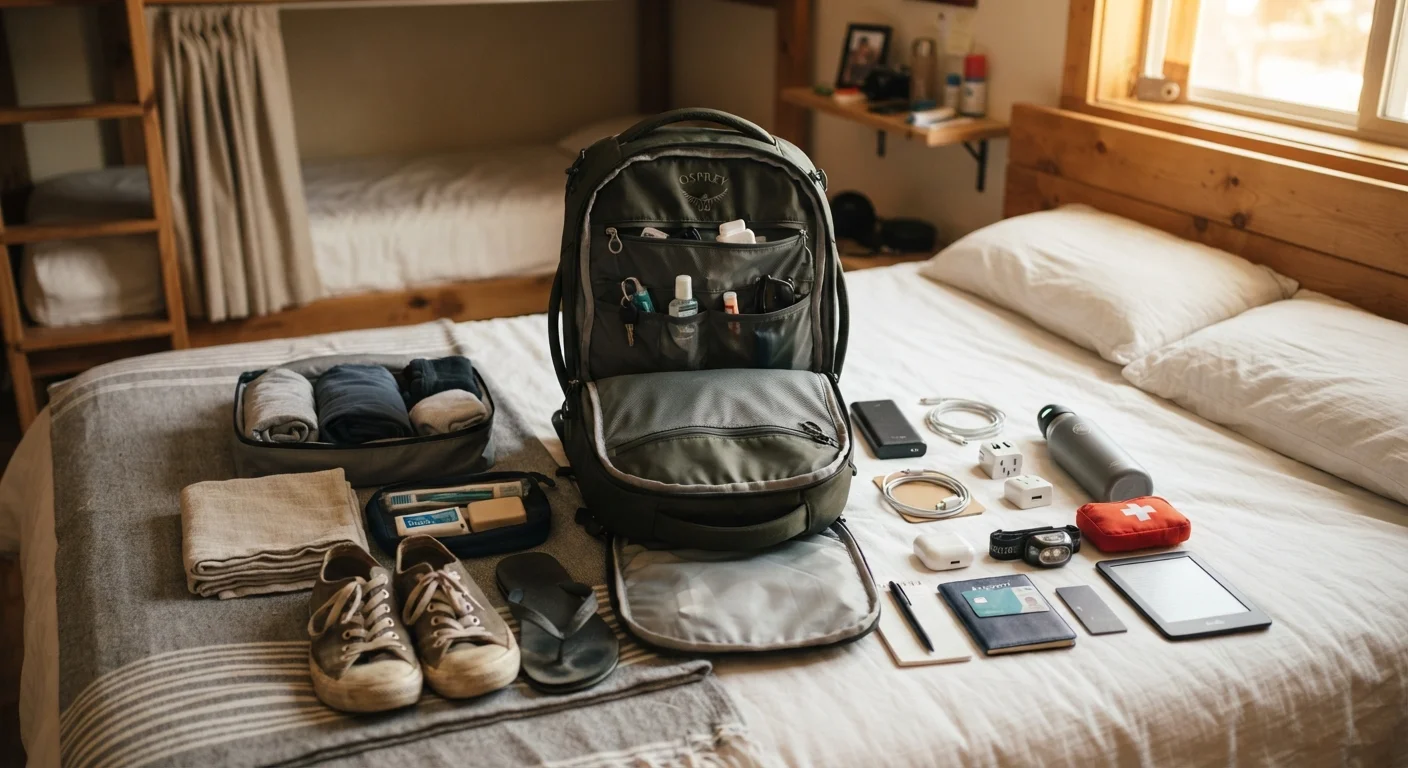
For long solo trips with frequent accommodation changes, every extra kilogram is a daily tax. You pay it at bus stations, on cobblestone streets, climbing hostel stairs, and during unexpected long walks between transit stops. The constraint that should drive every packing decision is simple: can you carry everything you own, comfortably, for 15 minutes without stopping?
Before building any list, also decide on your bag strategy. A carry-on-sized bag keeps you mobile, skips checked baggage fees, and means you never wait at carousels. See the full trade-off breakdown if you're still deciding. For most solo travelers on trips of two weeks or longer, carry-on only is not just workable - it's liberating.
Test Your Pack Before You Travel
Load your bag fully and walk with it for at least 15 minutes before your trip. If your shoulders or back are uncomfortable within that time, you're carrying too much. This test is more reliable than any packing list because it reflects your actual experience on the road, not an imagined one.
The Versatility Test: How to Filter Every Item
Once you have your bag size fixed, apply a consistent filter to every item you consider: does it do at least two jobs? This isn't minimalism for its own sake - it's the logic of limited space.
Apply the two-job rule before packing any item
Single-purpose items are packing liabilities on a long solo trip. Requiring each item to serve at least two distinct functions forces genuine prioritization and prevents the 'just in case' accumulation that makes bags unmanageable.
Limit footwear to two pairs maximum
Shoes are among the heaviest and most space-consuming items in any bag. Most solo travel scenarios - cities, day hikes, casual evenings - can be handled by two well-chosen pairs, and the weight savings are immediate and significant.
Plan to do laundry rather than pack for every day
Packing a full wardrobe for a long trip is logistically unnecessary and physically exhausting. Building laundry into your trip rhythm - every five to seven days - means you only need to carry about five days of clothing regardless of how long you travel.
Leave a deliberate buffer of empty space in your bag
A bag that's full at departure has no room for the things you'll acquire on the road - a local textile, a rain poncho, an extra layer for an unexpected cold snap. A buffer also makes repacking faster and daily access less frustrating.
Digitize and back up every critical document before departure
Losing physical documents mid-trip - passport, insurance policy, visa paperwork - creates serious delays and costs. Digital backups stored in a secure cloud location and accessible offline give you a recovery path when the physical originals are unavailable.
This approach cuts the list down fast. A lightweight merino wool top works for hiking, a dinner out, and a cooler overnight bus. A sarong is a beach towel, a light blanket, a privacy screen, and a bag liner. A pair of neutral, water-resistant walking shoes doubles as casual footwear in most cities.
Footwear deserves its own attention because it's often where weight quietly accumulates. Two pairs - one for walking/activity and one lightweight option for evenings or hostel common areas - covers the vast majority of solo trip scenarios without excess.
Clothing Math: Pack for a Week, Travel for a Month
The arithmetic is straightforward. If you can wash clothes every five to seven days - at a laundromat, a hostel sink, or a guesthouse service - you only ever need about five days of clothing, regardless of trip length. Packing for a month of clothes is both unnecessary and physically punishing.
5-7 days
Clothing needed regardless of trip length
Travel packing guides and experienced long-haul solo travelers consistently report that a laundry cycle of five to seven days makes longer clothing loads unnecessary on any trip duration.
7-10 kg
Typical carry-on bag weight limit for budget airlines
Many low-cost carriers in the US, Europe, and Asia set carry-on weight limits between 7 and 10 kg, making a loaded bag's weight a practical and financial concern from day one.
Prioritize fabrics that dry quickly and don't wrinkle badly: synthetics and merino wool both perform well. Avoid denim for primary pants - it's heavy, slow to dry, and takes up disproportionate bag space. One pair of lightweight, versatile trousers or convertible pants handles most climates and settings.
Layer intelligently rather than packing separate items for every temperature. A base layer, a mid-layer fleece or hoodie, and a packable rain shell will cover a wide range of conditions without the bulk of a heavy jacket.
For a broader view of how to structure your trip around these logistics, building flexibility into your daily itinerary also applies to how you schedule laundry days and slower travel days.
Documents, Tech, and the Things You Can't Replace
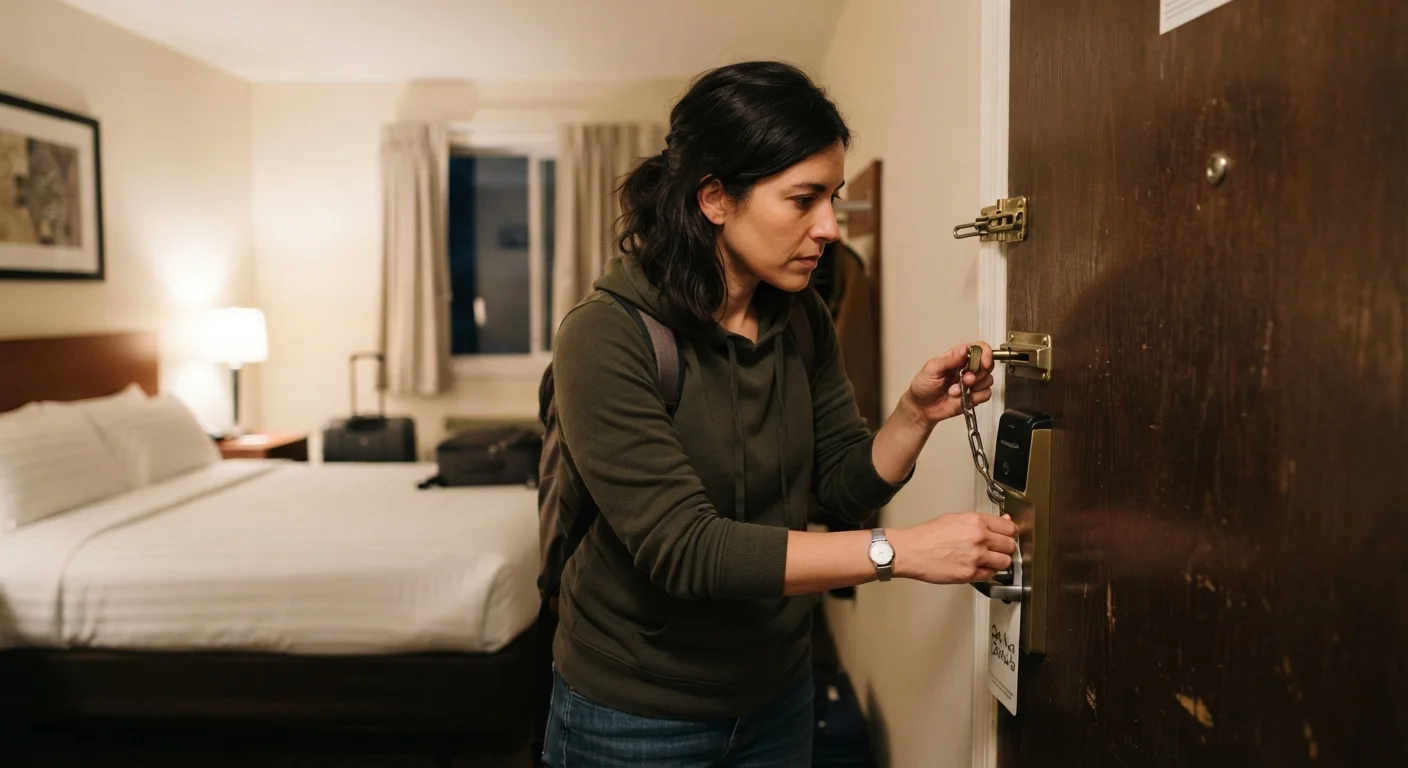
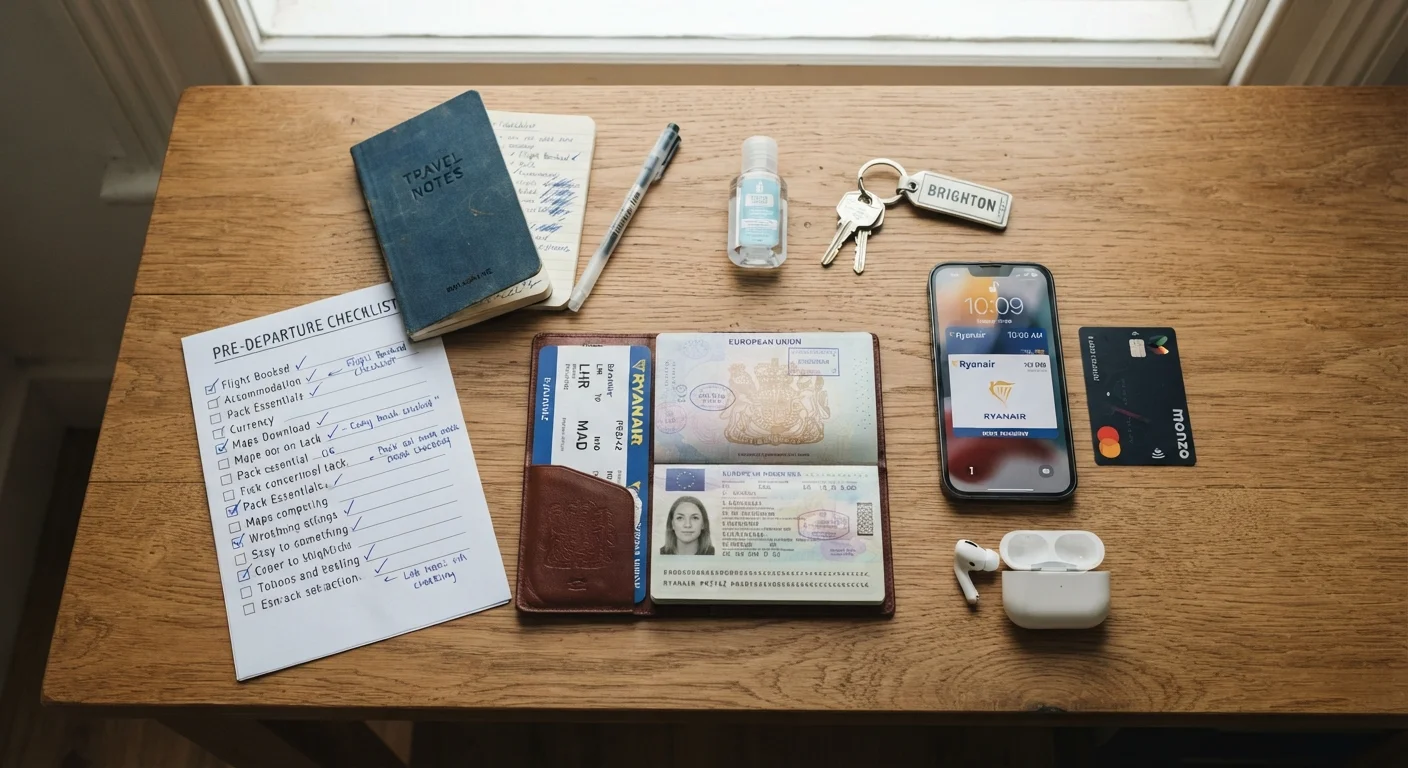
Weight logic shifts for a small category of items: anything irreplaceable or critical to your safety and mobility deserves reliable protection, not just minimization. Passport, travel insurance documents, backup payment cards, and any required visas or vaccination records fall into this tier.
Verify Entry Requirements Before You Travel
Visa rules, vaccination requirements, and entry documentation vary by destination and change with little notice. Always verify current requirements directly with the relevant embassy, consulate, or official government source before departure. Do not rely solely on third-party travel sites for this information.
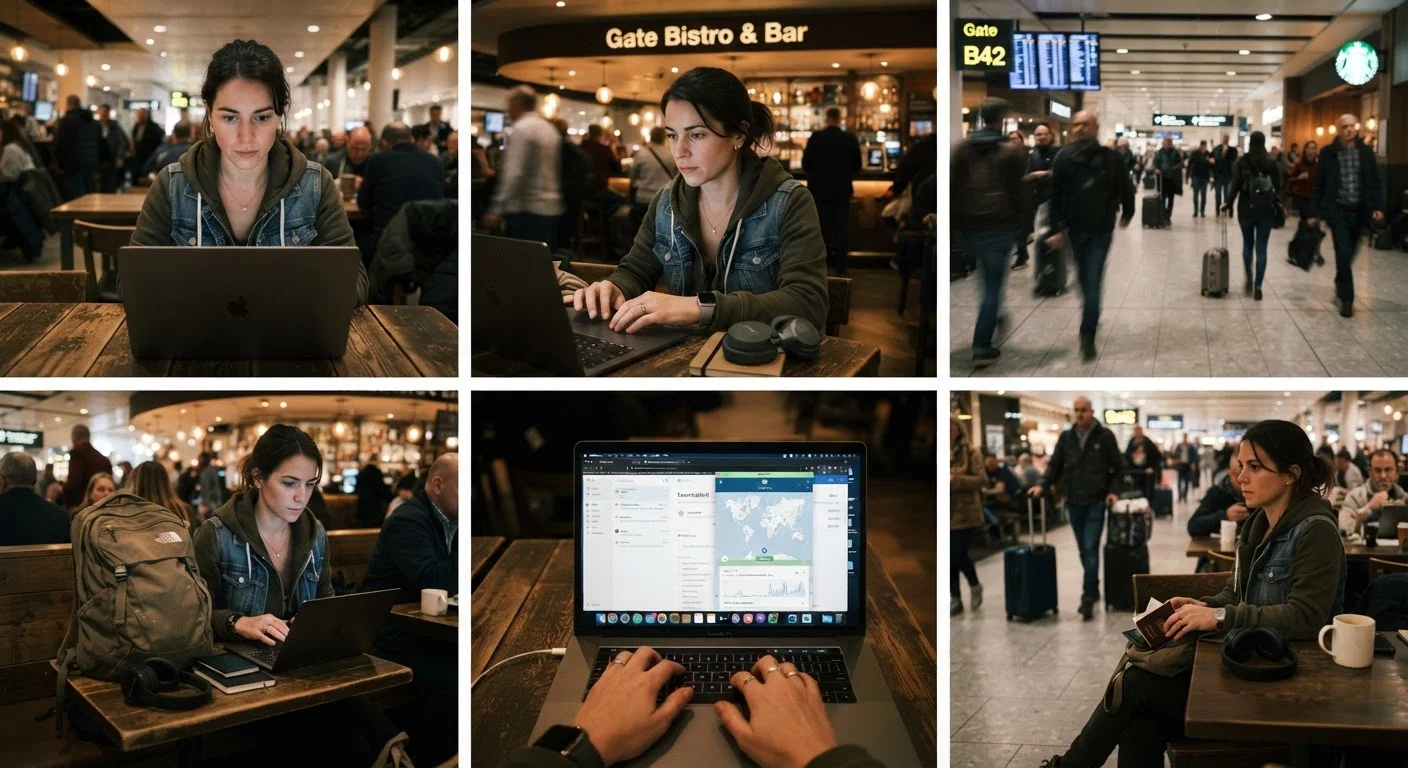
For tech, resist the instinct to bring every device. A smartphone handles navigation, translation, booking, and communication. A lightweight laptop or tablet is only worth including if your trip involves remote work. Every charger and cable adds weight - consolidate where possible using a multi-port USB charger and cables that serve more than one device.
Before departure, run through your full document and logistics checklist - the solo traveller's pre-departure checklist covers everything from scanned backup documents to emergency contacts in a format that's easy to work through systematically.