
What the Safety Gap Actually Looks Like
Neither hostel dorms nor private rooms are inherently dangerous. The safety gap between them is less about criminality and more about control over your environment - who enters, what they can access, and how easily you can secure your belongings and yourself.
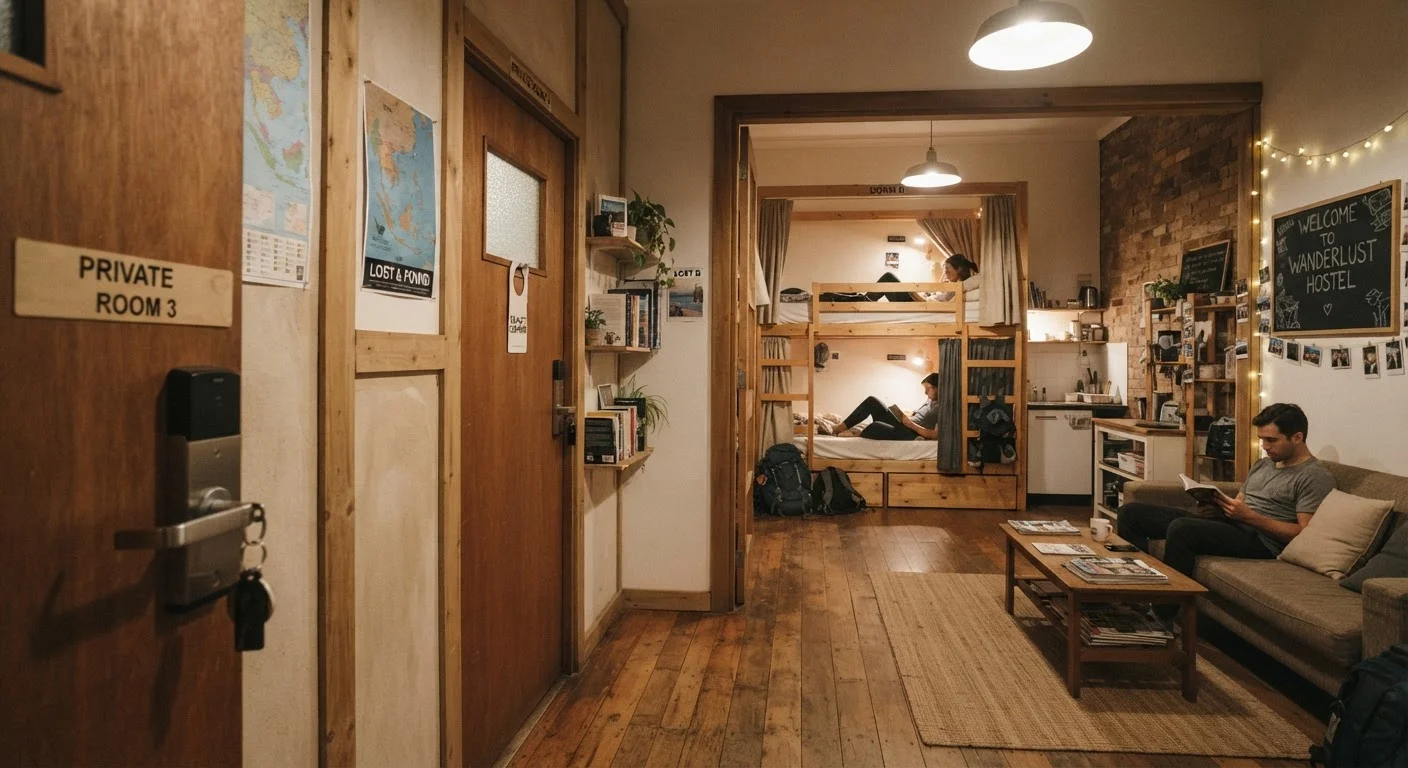
In a dormitory, you share a sleeping space with anywhere from 4 to 20 strangers. Most hostels require key-card or coded entry to the dorm itself, which provides a first layer of separation from the general public. However, once inside, your bunkmates are largely unknown quantities. Theft - particularly of electronics, passports, and cash left unsecured - is the most commonly reported safety issue in hostel dorms, not physical violence. A secure locker is your single most important asset in that environment.
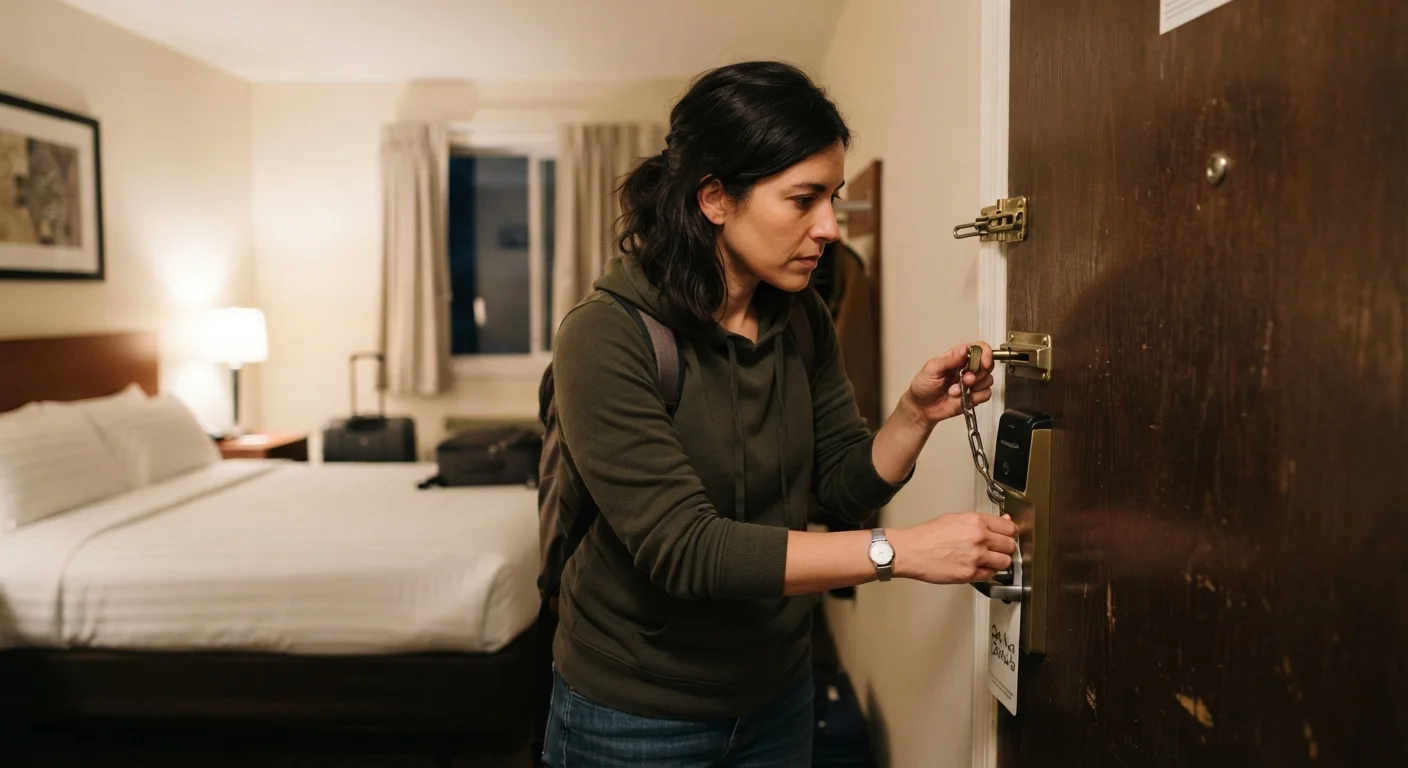
Private rooms in hostels or guesthouses give you a lockable door between you and other guests. That one feature changes the risk profile meaningfully. You control who enters, and your belongings are significantly harder to access while you sleep. That said, a private room in a poorly managed property can still carry risks: flimsy door locks, shared bathrooms in hallways, and front desks with no overnight staffing all create vulnerabilities.
For a full framework on evaluating any property before you book, see our guide to accommodation safety for solo travelers.
| Criterion | Hostel Dormitory | Private Room |
|---|---|---|
| Access control | Shared keycard or code entry | Personal lockable door |
| Exposure to strangers overnight | High - shared sleeping space | Low - room is yours alone |
| Theft risk (belongings) | Higher without secure locker use | Lower with a functioning door lock |
| Privacy for sensitive documents | Requires active concealment | Manageable with basic precautions |
| Typical relative cost | Lower per night | Higher per night |
| Social connection opportunity | High - organic interaction | Lower - deliberate effort needed |
| Rest quality | Variable - noise, light, movement | Generally more consistent |
Managing Risk in Each Setting
If you choose a dorm, your security strategy needs to be active, not passive. Use the locker provided - every time, not just when you remember. Keep your passport and travel cards on your person or in a concealed travel pouch when you're sleeping or showering. Avoid leaving your phone charging unattended overnight; a short cable locked to your bunk frame is a workable solution many experienced travelers use.
Private rooms reduce the burden of active vigilance, but don't make it disappear. A portable door alarm (a small wedge device that sounds if the door opens) adds a layer of security that even basic door locks can't guarantee. Check that windows on lower floors latch from the inside, and confirm whether the front desk is staffed overnight - unanswered doors or unmonitored entries are a meaningful gap.
#1 Risk
Most reported hostel safety issue
Petty theft - particularly of electronics and travel documents - is consistently cited as the leading safety concern in shared dormitory settings, not violent crime.
4-20
Typical bunkmates in a dorm room
Dorm sizes vary widely by property; smaller dorms (4-6 beds) generally carry lower exposure risk than large party-hostel style rooms.
Worth noting: your behavior before you get to the room matters too. Being alert about who watches you use a keypad, not publicizing your room number in communal areas, and locking valuables before heading to a shared bathroom all apply in both settings. The real trade-offs of solo travel always involve some personal responsibility regardless of accommodation type.
For travelers weighing the budget dimension of this decision across a full itinerary, our comparison of accommodation types by cost and safety offers a broader framework.
Verify Room-Level Features, Not Just Star Ratings
A property's overall rating won't tell you whether a specific dorm locker is broken or a private room door lock is flimsy. Before booking, read recent reviews specifically mentioning security, lockers, or noise - not just general satisfaction. Contact the property directly if you have specific concerns about lock quality or overnight staffing. Official travel advisories for your destination may also flag accommodation-related risks worth knowing before you arrive.