
Why Fees Quietly Drain Your Budget
Most solo travelers budget carefully for flights, accommodation, and activities - then quietly lose $50-$150 or more to financial friction they never tracked. Currency conversion fees, foreign transaction charges, and ATM surcharges stack on top of each other in ways that aren't obvious until you review a bank statement back home.
Understanding the three main cost layers helps you cut them strategically. First, your home bank may charge a foreign transaction fee (typically 1-3% of every purchase). Second, a currency conversion markup is baked into the exchange rate your bank or the card network applies - it's usually 1-2% away from the true mid-market rate. Third, ATM operator fees are charged by the machine's owner, regardless of what your bank charges. In high-tourism areas, these can reach $5-$7 per withdrawal.
See our travel money tips hub for a broader look at managing finances abroad, and check daily travel costs strategies if you want to tighten up your on-the-ground spending alongside your fee management.
What You Need Before You Leave Home
Getting your financial setup right before departure is the highest-leverage thing you can do. Changes made at home cost nothing; scrambling abroad is expensive and stressful.
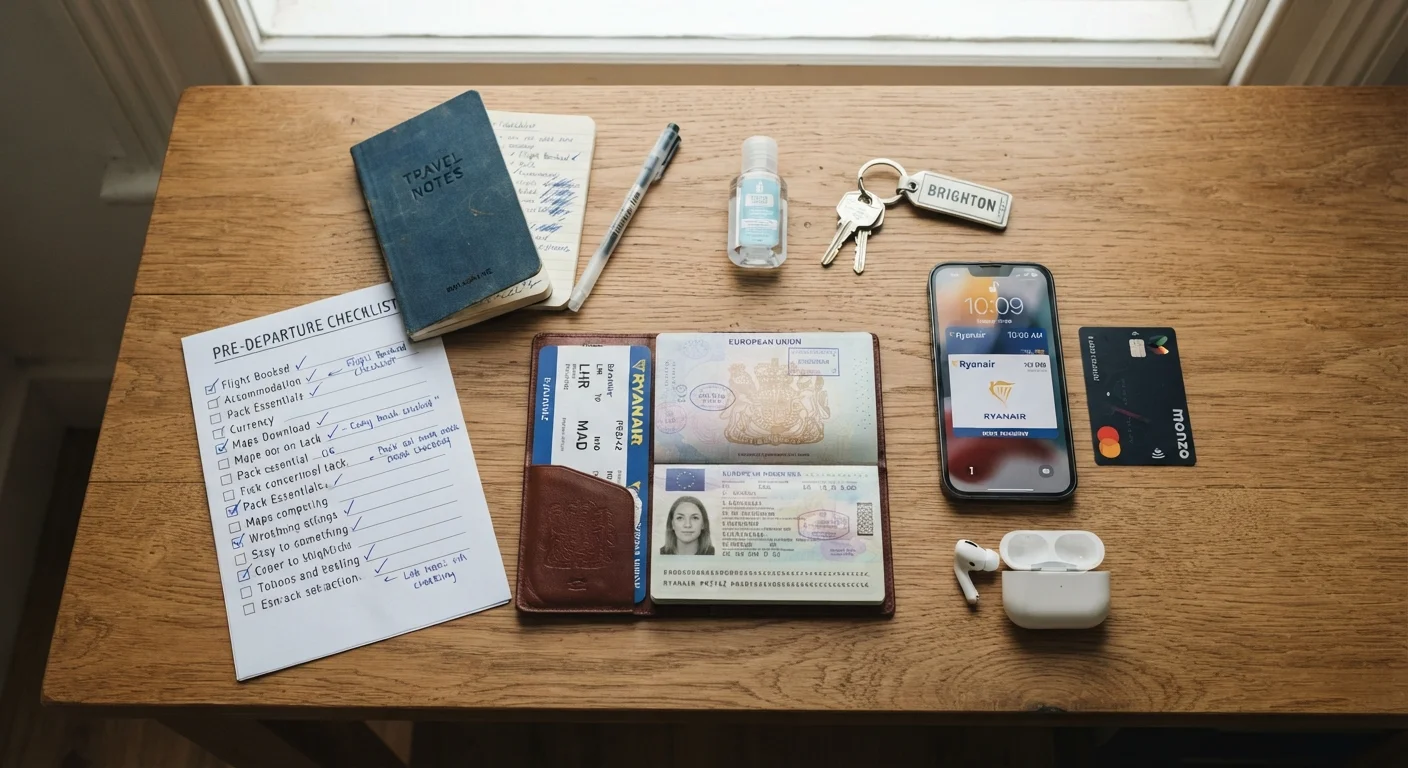
What you will need
Low- or no-fee debit card
Withdraws local currency at ATMs with minimal or zero foreign transaction fees and ATM reimbursements.
Backup credit or debit card
Provides access to funds if your primary card is lost, stolen, or blocked - store it separately from your main wallet.
Small amount of local currency obtained before departure
Covers transport and immediate expenses on arrival before you can reach a reliable ATM.
Offline budget tracking app or spreadsheet
Logs daily spending so you can spot when fees or overspending are pulling you off target.
Step-by-Step: Managing Money Across Borders
Follow these steps in sequence. Earlier steps reduce how much firefighting you'll need to do mid-trip.
Audit your current card's international fees
Log into your bank or card issuer's website and search for their fee schedule. Look specifically for: foreign transaction fee percentage, ATM withdrawal fee (flat or percentage), and cash advance fee if using a credit card for ATM withdrawals. Write these down - you need hard numbers, not assumptions.
Notify your bank of your travel dates and destinations
Most banks allow you to set travel notifications via their app or by calling the number on the back of your card. Provide your exact destinations and travel dates. Without this, a foreign transaction may trigger a fraud alert and freeze your card - an acute problem when you're alone abroad and need cash immediately.
Identify reliable ATMs at your destination in advance
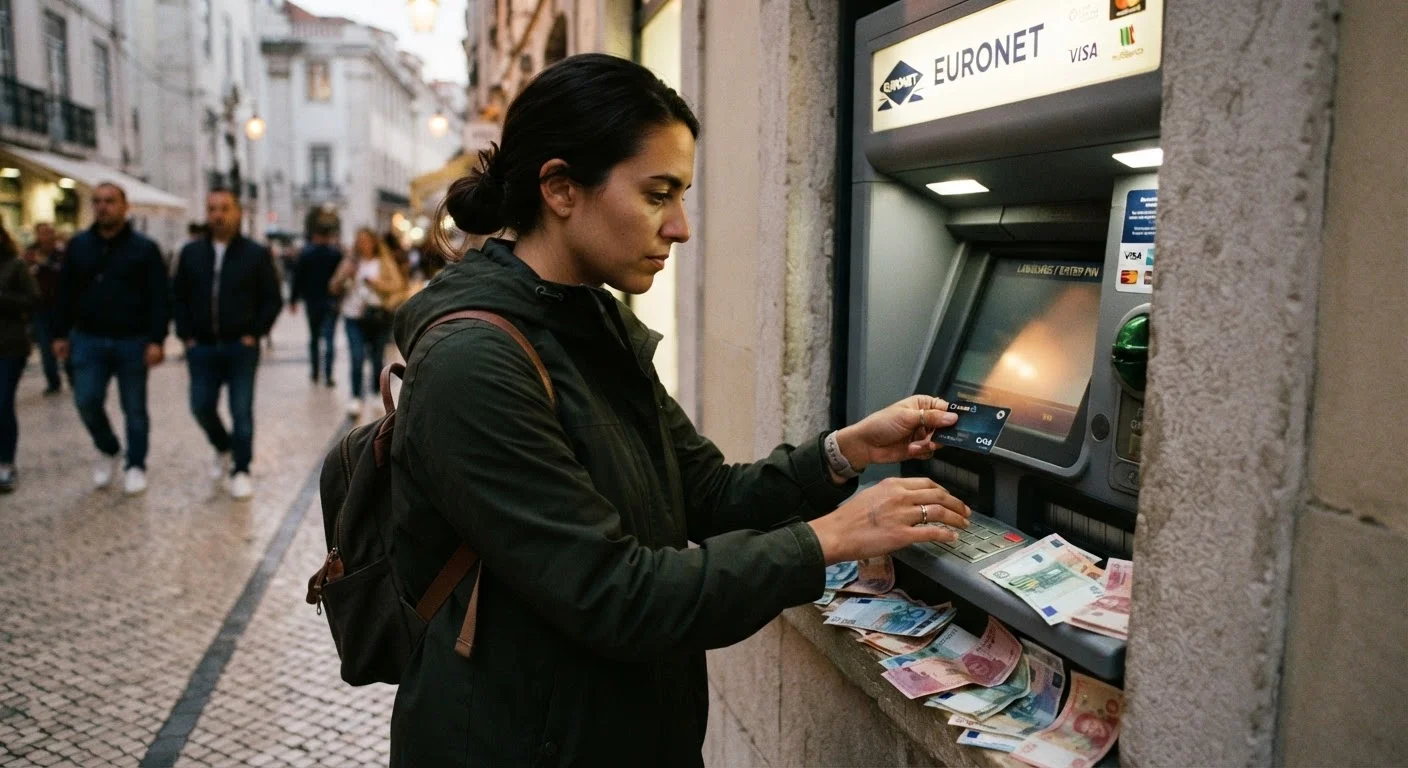
Use your bank's ATM locator or look for ATMs operated by large national banks in your destination country. Bank-operated ATMs in non-tourist areas typically charge lower operator fees than standalone kiosks in airports, hotels, or tourist zones. Avoid ATMs in convenience stores or unmarked locations when possible.
Always decline Dynamic Currency Conversion (DCC)
When an ATM or card terminal asks if you want to pay in your home currency rather than the local currency, always choose the local currency. DCC lets the foreign bank convert the amount at its own exchange rate - which is almost always worse than your bank's rate. The screen may be phrased as a convenience, but it's a cost you're absorbing.
Withdraw larger amounts less frequently
If your bank charges a flat ATM fee (e.g., $5 per withdrawal), withdrawing $200 at once costs 2.5% in fees while withdrawing $50 four times costs 10% in fees for the same amount of cash. Estimate your 3-5 day cash needs and withdraw that amount in one transaction rather than making daily small withdrawals.
Monitor your account every 2-3 days
Open your banking app and review transactions while abroad. Catching an unauthorized charge within days rather than weeks limits the damage and simplifies the dispute process. If you see a fee you don't recognize, screenshot it immediately and note the date, location, and amount.
Never Use Credit Cards for ATM Cash Advances
Withdrawing cash from an ATM using a credit card is treated as a cash advance, not a purchase. Cash advances typically carry a fee of 3-5% plus a higher interest rate that starts accruing immediately - there's no grace period. Use a debit card linked to a checking account for all ATM withdrawals abroad.
Daily Cash Management on the Ground
Once you're in-country, your goal is to minimize transactions while keeping enough local currency accessible for cash-only vendors, transport, and tips. A practical rhythm: withdraw enough to cover 3-5 days of estimated cash spending in a single ATM visit. This caps your per-transaction fees to once or twice a week rather than daily.
Keep most of your cash in a secure inner pocket or money belt - not your front jeans pocket or an outer bag compartment. Carry only what you expect to spend that day in your wallet. If you're moving across multiple countries on the same trip, read our guide on carrying multiple currencies on a multi-country trip before stocking up on each currency.
For longer journeys, the stakes get higher. Managing money on a long-term international trip covers multi-currency accounts and budgeting rhythms for trips lasting weeks or months.
Track Spending in Local Currency First
When logging daily expenses, record amounts in the local currency rather than converting to USD on the spot. Exchange rates shift slightly day to day, and converting mentally in real time leads to sloppy estimates. Do one weekly conversion using a reliable mid-market rate reference to get an accurate USD total. This approach pairs well with the budgeting rhythm outlined in our guide to building a daily travel budget that actually holds.
This article provides general financial information for educational purposes only. It is not personalised financial or legal advice. Consult a qualified financial professional for guidance specific to your situation. Always verify card fees, ATM policies, and entry requirements with your bank and official government sources before travelling.