
What a Visa Refusal Letter Actually Is
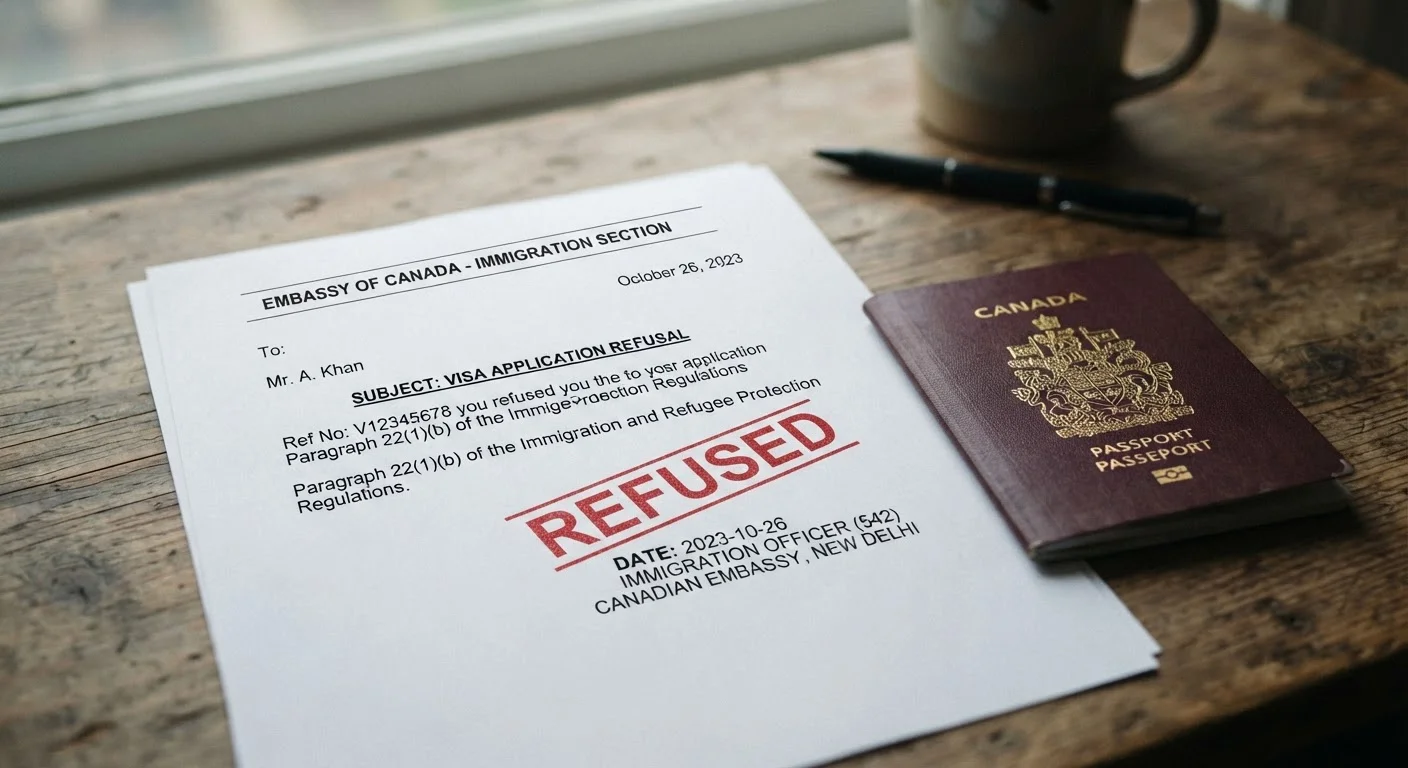
Receiving a visa refusal feels like a dead end - but the letter itself is a diagnostic tool. Most consulates are required to state, at minimum, the legal or administrative basis for the refusal. That language, though formal and often bureaucratic, maps directly to a specific weakness in your application.
Rather than generic rejection, refusal letters cite grounds drawn from the destination country's immigration framework. A Schengen refusal, for example, references specific articles of the Schengen Borders Code. A U.K. refusal cites the Immigration Rules. Understanding which ground applies to your case tells you precisely what the officer found unconvincing - and what you need to address before reapplying.
Before diving into common mistakes, it helps to understand how different visa types are processed. Visa on arrival, e-visa, and embassy appointments involve very different evidence standards and timelines, which directly affects what a refusal might signal.
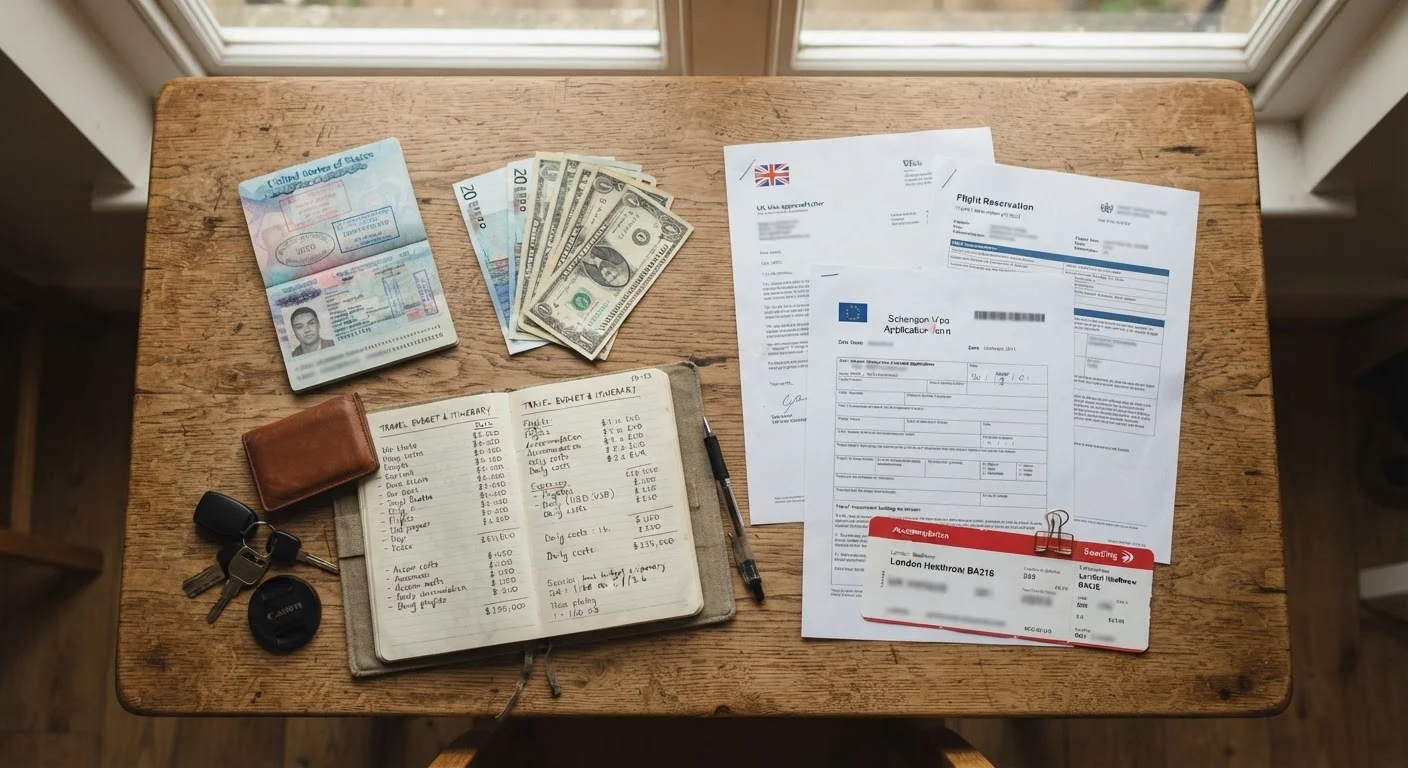
Submitting financial documents that don't clearly demonstrate sufficient funds for the intended stay.
Why it happens: Applicants often provide bank statements without context - large recent deposits, irregular income patterns, or accounts opened shortly before applying can all raise red flags for officers assessing financial credibility.
Failing to demonstrate sufficient ties to your home country, leaving the officer unconvinced you will return.
Why it happens: This is one of the most common Schengen and U.S. tourist visa refusal grounds. Officers assess whether an applicant has compelling reasons - employment, property, family - to return home after the visit.
Providing an itinerary or stated purpose that is vague, inconsistent, or implausible given the visa category applied for.
Why it happens: Applicants sometimes apply for a tourist visa while their supporting documents hint at a different purpose - attending a business meeting, visiting a partner long-term, or studying. Inconsistency between declared purpose and documentary evidence is a standard refusal trigger.
Submitting incomplete, low-quality, or incorrectly formatted documents.
Why it happens: Different consulates have specific requirements for document format - certified translations, notarized copies, specific photo dimensions, or digital file types for online applications. Applicants unfamiliar with these requirements submit documents that are technically non-compliant.
Ignoring a prior overstay, refusal, or immigration violation when completing application forms.
Why it happens: Some applicants are unaware that previous immigration issues are visible to consular officers through shared databases, or they hope the issue won't surface. Others genuinely misunderstand what constitutes a reportable overstay.
How to Respond After a Refusal
A refusal does not automatically disqualify you from future applications - but it does create a record. Most visa applications ask whether you have previously been refused entry or a visa to any country. Omitting a refusal when asked is considered misrepresentation and will almost certainly result in another denial, potentially permanently.
Never Omit a Prior Refusal on a New Application
Most visa applications explicitly ask whether you have been previously refused a visa or entry to any country. Answering 'no' when the answer is 'yes' constitutes misrepresentation - a far more serious offense than the original refusal. Consular officers routinely cross-reference records, and a misrepresentation finding can result in a multi-year or permanent bar from that country.
Once you have identified the specific ground cited in your refusal, the path forward involves directly addressing that gap. If the officer found your financial documentation insufficient, your next application needs stronger, more clearly structured bank statements - not simply the same documents resubmitted. Every document type in a visa application serves a specific evidentiary purpose - understanding that purpose is the key to building a persuasive file.
For travelers planning ahead, running through a structured pre-submission review before you click submit can prevent refusals before they happen. See the pre-submission visa checklist to verify document quality, photo specifications, and form accuracy before your application reaches a consular officer.
~11M
Schengen visa applications refused in 2023
According to European Commission statistics, approximately 11 million Schengen short-stay visa applications were submitted in 2023, with refusal rates varying significantly by applicant nationality and consulate.
Top 3
Most common Schengen refusal grounds
European Commission data consistently shows that insufficient funds, failure to justify purpose of stay, and lack of proof of return intention are the most frequently cited Schengen refusal grounds.
Visa rules, refusal grounds, and reapplication procedures vary by country and change over time. Always consult the official embassy or consulate website of your destination country, and if needed, seek advice from a licensed immigration attorney for guidance specific to your circumstances.