
Why Payment Culture Varies So Dramatically by Country
One of the most common - and costly - surprises for international travelers is discovering that their preferred payment method simply doesn't work at their destination. A credit card that functions seamlessly in Paris may be refused at a rural guesthouse in Vietnam. A pocket full of euros won't help you board a bus in Stockholm, where drivers haven't handled cash in years.
Payment infrastructure is shaped by banking regulations, smartphone adoption rates, consumer trust in digital systems, and the pace of economic development. Understanding where a destination falls on the cash-to-cashless spectrum is just as important as knowing its visa requirements. Our guide to when to use cash vs. card abroad covers the strategic trade-offs in detail - but before you can strategize, you need destination-specific facts.
Payment Norms Change Quickly
Payment infrastructure evolves faster than most travel guides can track. A destination that was cash-only two years ago may now have widespread contactless terminals - or vice versa if economic conditions have shifted. Always supplement any general guide with current firsthand reports and official tourism resources. Your card issuer's international support line can also confirm real-time acceptance patterns.
The tips below are general guidance. Payment infrastructure and acceptance policies can change rapidly. Verify current conditions with your destination's official tourism board and your card issuer before travel.
Key Things Every Traveler Should Know and Do
Research your destination's dominant payment culture
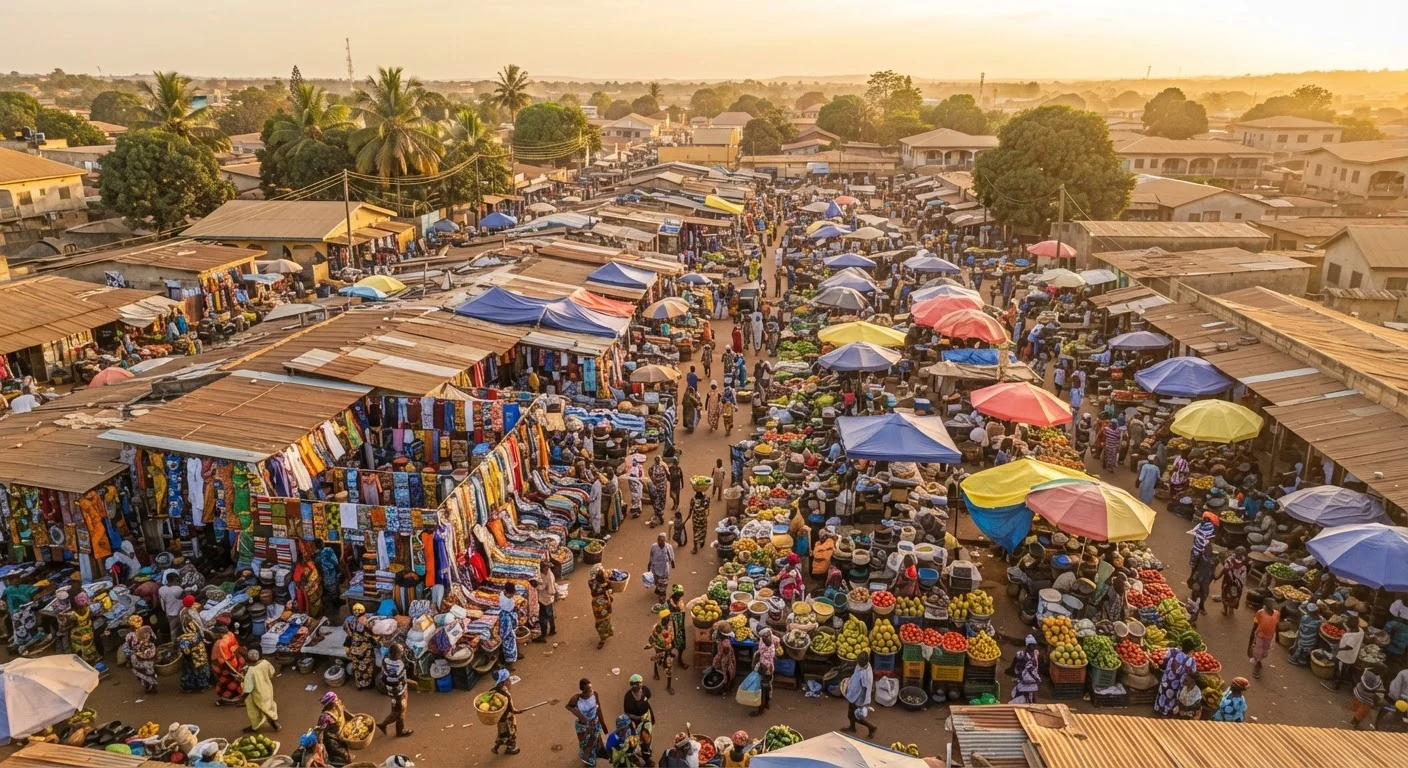
Before packing, spend 20 minutes mapping your destination's payment norms. Scandinavian countries - particularly Sweden, Norway, and Denmark - have moved aggressively toward cashless economies, with many shops, transit systems, and restaurants posting signs that explicitly refuse physical currency. The United Kingdom and the Netherlands sit in a hybrid zone where both cards and contactless payments dominate but some cash is still accepted. By contrast, countries like Morocco, Indonesia, Mexico, and most of sub-Saharan Africa remain heavily cash-reliant, where rural vendors, local markets, and smaller guesthouses rarely accept cards.
A quick review of your destination's official tourism website and recent traveler forums can reveal which tier applies - and where within a country the rules differ (urban centers often accept cards; rural areas rarely do).
Urban centers accept cards; rural areas in cash-heavy countries often don't - research before you go.
Understand which cards are accepted - Visa, Mastercard, or local networks
Even in card-friendly countries, not all cards work equally. Japan, for example, has seen rapid growth in contactless payments, yet many smaller establishments and rural ryokan (traditional inns) still rely on cash or local card networks. China operates largely through its own mobile payment ecosystem - Alipay and WeChat Pay - that U.S.-issued cards typically cannot access directly without prior setup through a domestic bank account.
In Europe, Visa and Mastercard enjoy broad acceptance, but American Express carries a noticeably smaller footprint at independent businesses. Always carry at least one Visa or Mastercard with no foreign transaction fees as your primary card, and use ATMs strategically to access local currency when needed.
American Express has a smaller footprint abroad - always carry a Visa or Mastercard as backup.
Know when and how to carry local currency
Even in largely cashless economies, there are scenarios where cash remains necessary: tipping service workers, paying for rides from independent taxi drivers, purchasing from street food vendors, contributing to local religious sites, or covering small fees at border crossings. A general rule of thumb is to arrive with a modest amount of local currency - enough for your first 24 hours - regardless of destination type.
For cash-dominant destinations, plan withdrawals strategically. Withdraw larger amounts less frequently from reputable bank-affiliated ATMs to minimize per-transaction fees. Avoid airport currency exchange counters for large amounts, as their rates are typically less favorable than in-city ATMs or local banks. See our detailed breakdown on using ATMs safely and affordably for withdrawal best practices.
Even in cashless countries, carry enough local currency for your first 24 hours after landing.
Alert your bank and review your card's fee structure
Foreign transaction fees - typically 1-3% per purchase - and international ATM withdrawal fees can quietly drain a travel budget over the course of a two-week trip. Before departure, notify your bank of your travel dates and destinations to prevent fraud-triggered card blocks, and review every fee your card charges abroad: foreign transaction fees, ATM operator surcharges, currency conversion markups, and dynamic currency conversion traps (always pay in local currency, not USD, when given the choice at a terminal).
If your current cards carry high foreign fees, consider whether a travel-focused card without foreign transaction fees makes sense for your situation - but evaluate the full terms independently, as no specific product recommendation is made here. For budget-focused solo travelers, our budget solo travel hub has broader guidance on reducing financial friction abroad.
Dynamic currency conversion at card terminals almost always costs more - always choose local currency.
Configure mobile wallets before arrival, not after
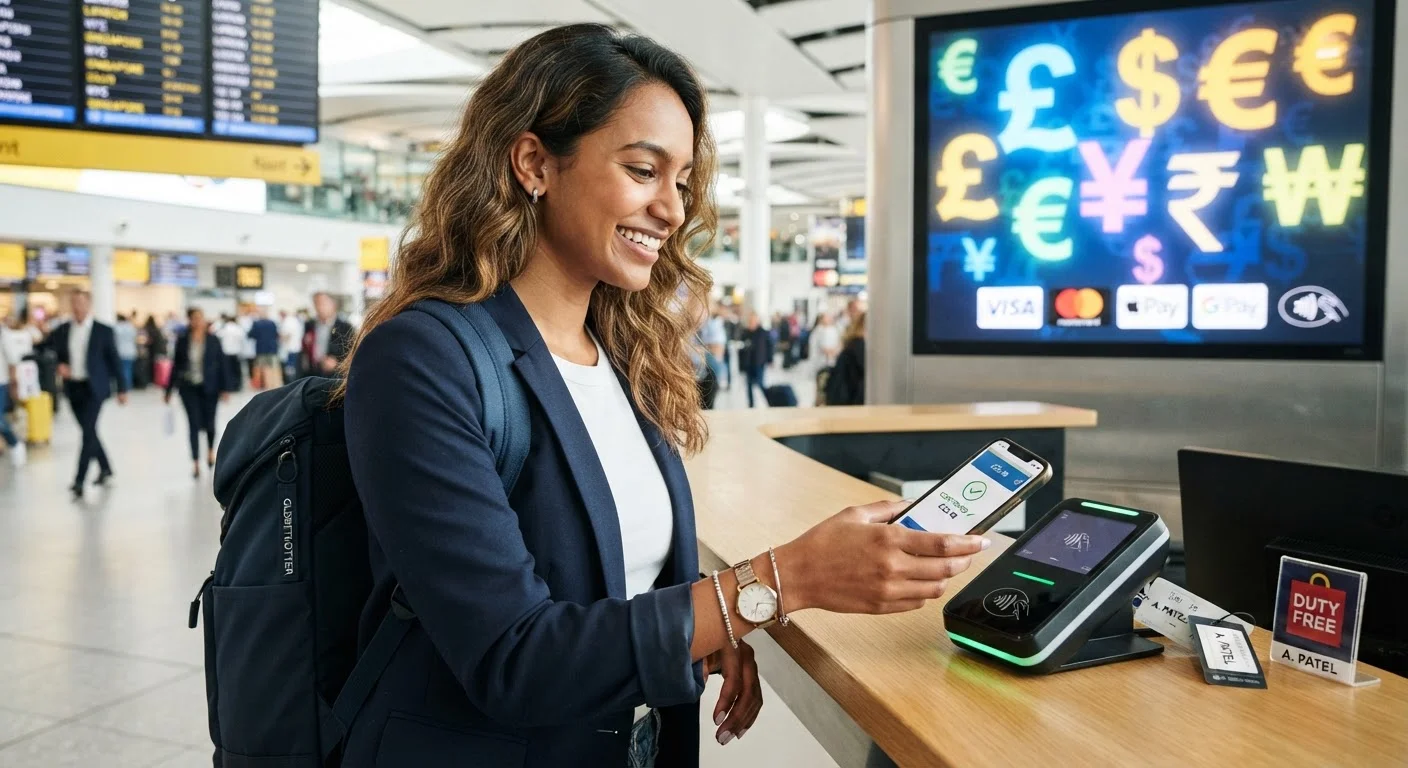
In cashless-leaning destinations such as Singapore, South Korea, and increasingly urban India, mobile payment apps have become the dominant transaction method. Setting up Apple Pay, Google Pay, or a destination-specific app after landing - when you may have limited connectivity or time - is far more stressful than doing it at home. Confirm your card is enabled for mobile payments, test a transaction domestically, and research whether any country-specific payment apps require local registration steps that may be difficult for foreign visitors to complete.
Note that some regional mobile payment systems are designed primarily for residents and may not be accessible to foreign travelers without a local bank account or phone number - an important limitation to identify before you rely on them.
Test mobile wallet functionality at home - not after landing with spotty connectivity.
Plan for connectivity gaps in payment infrastructure
Payment systems depend on connectivity - and connectivity is not universal. In rural areas of Southeast Asia, the Pacific Islands, or mountainous regions of Central Asia, card terminals may be present but offline. Mobile payments require a data signal. Always have a fallback: physical cash in the local currency covers virtually every gap that technology and connectivity cannot. Think of cash not as a relic but as your universal insurance policy in destinations where digital infrastructure is still developing.
Before travel, check whether your destination falls under any State Department travel advisories or has known infrastructure challenges. The Visa & Entry Guides hub provides destination overviews that include broader context useful for planning.
Physical cash is your universal fallback when connectivity or infrastructure fails abroad.
Always Carry a Small Cash Reserve
Even in the most cashless countries, keep the equivalent of $20-$40 USD in local currency for emergencies: transit disruptions, market stalls, small gratuities, or connectivity outages. Split this reserve across two locations - your wallet and a secure interior pocket - so a lost bag doesn't leave you stranded.
Build a Flexible Payment Strategy Before You Board
No single payment method works everywhere. The travelers who manage money most efficiently abroad are those who arrive with a layered strategy: a low-fee debit or credit card for card-accepting merchants, a modest amount of local currency for cash-first environments, and a mobile wallet configured where digital payments dominate.
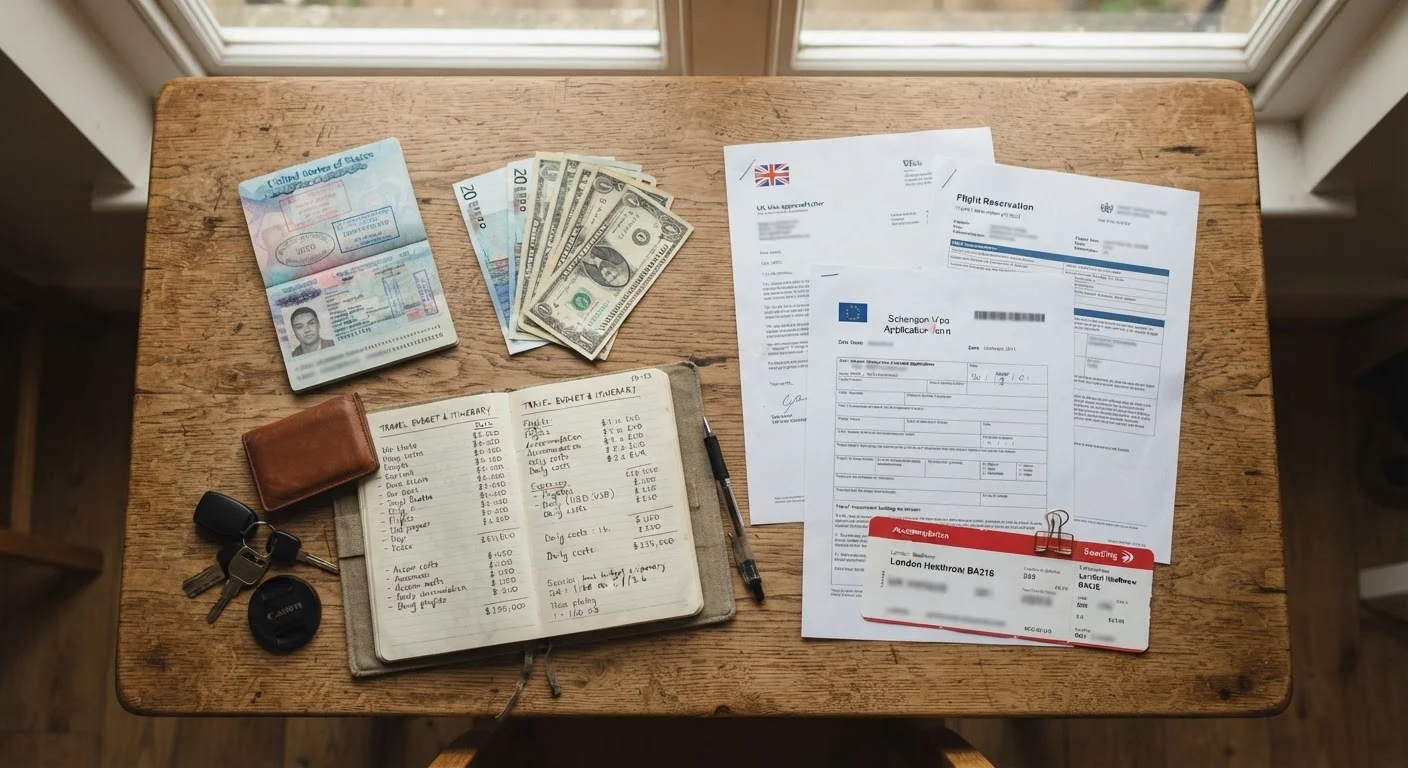
Before any international trip, use our pre-trip currency checklist to confirm your accounts are set up, fee structures are understood, and backup options are in place. If you're managing money across multiple borders, our guide to avoiding cross-border fees is essential reading. And if this is your first time traveling internationally, our beginner's travel money guide walks through every fundamental step.
This article provides general financial information for educational purposes only. It does not constitute personalized financial or legal advice. Consult a qualified professional for guidance specific to your circumstances, and always verify entry, currency, and payment conditions with official government and provider sources before traveling.