
Where the Incognito Myth Comes From
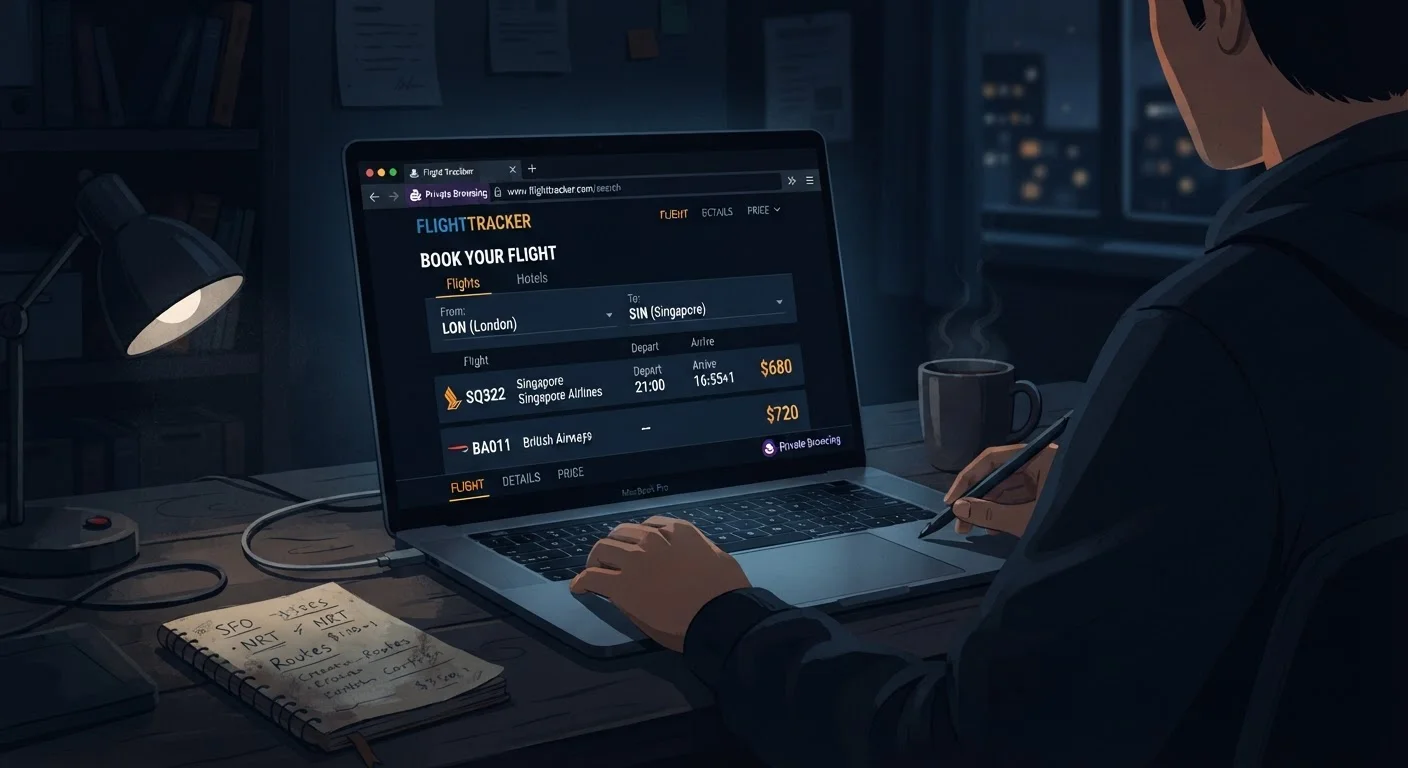
The idea is compelling: airlines and booking sites track your searches, see that you keep returning to the same route, and quietly raise the price to create urgency. Switch to incognito mode, the theory goes, and you show up as a fresh visitor - no history, no price hike.
This narrative spread rapidly in travel forums and social media posts around the early 2010s, when dynamic pricing was becoming more visible to everyday consumers. A few anecdotal screenshots of prices appearing to drop after switching browsers gave the claim enough momentum to survive as conventional wisdom. The problem is that the mechanism people believe is at work doesn't hold up to scrutiny - and repeating the advice without examining it can waste time and false-confidence that could be spent on strategies that actually matter.
For a grounded look at how flight pricing really operates, see what actually happens between search and purchase.
What Incognito Mode Actually Does
Private browsing - whether Chrome's Incognito, Firefox's Private Window, or Safari's equivalent - prevents your browser from storing cookies, browsing history, and form data locally on your device. That's it. Your internet connection still originates from the same IP address, your device fingerprint remains the same, and any server-side logging an airline or booking site performs is entirely unaffected.
This means that if a site were truly tracking return visitors to raise prices, incognito mode would offer minimal protection. Your IP address alone is enough to identify you as a returning visitor in most server-side systems - and sophisticated tracking can also use browser fingerprinting techniques that don't rely on cookies at all.
Myth
Airlines detect when you've searched a route before and raise the price to pressure you into booking.
Fact
There is no credible, reproducible evidence that major airlines implement browser-history-based price increases for individual users.
Airline revenue management systems price seats based on inventory levels, booking curves, and competitive data - not individual search behavior. The U.S. Department of Transportation has not documented confirmed cases of cookie-based price manipulation by airlines. Price increases between sessions almost always reflect real-time inventory changes or fare bucket exhaustion, not targeted surcharges.
Myth
Switching to incognito mode makes you invisible to airline websites and booking platforms.
Fact
Incognito mode hides local browser data only. Your IP address, device fingerprint, and any server-side logs remain fully visible to the sites you visit.
Private browsing was designed for local privacy - keeping your activity off shared devices. It was never intended as, and does not function as, a tool for hiding your identity from remote servers. Booking sites that want to track visitor behavior can do so through server logs and fingerprinting techniques regardless of your browser mode.
Myth
If you see a lower price after switching to incognito, that proves the site was hiding cheaper fares from you.
Fact
A different price in a new session more likely reflects a cache refresh, a fare class change, or normal price volatility in the seconds between searches.
Flight fares update continuously. Opening a new browser session clears cached responses, so you may receive a fresher API call to the airline's system - which could return any price, higher or lower. Survivorship bias also plays a role: people remember the times the price appeared to drop and forget the many times it stayed the same or rose.
Myth
Using incognito mode is one of the most reliable ways to find a lower airfare.
Fact
Searching across multiple platforms, using flexible date tools, and setting fare alerts are consistently more effective than browser mode changes.
Tactics grounded in how airline inventory actually works - flexible dates, alternate airports, multi-platform comparisons - address real pricing variables. Browser mode switching does not change the underlying seat inventory or the algorithm determining which fare bucket is available to you. Spending effort on incognito searches is opportunity cost taken away from approaches with more evidence behind them.
Where incognito can occasionally produce a different-looking result: if a booking site has cached a specific fare combination in your regular browser session, opening a fresh session may surface a more current - sometimes lower, sometimes higher - price. That reflects a cache refresh, not a pricing system responding to your anonymity.
What Actually Moves Flight Prices
Airline pricing algorithms update fares continuously based on seat inventory, time to departure, competitive pricing on the same route, and aggregate demand signals. A fare that appears to have risen between two of your searches most likely reflects one of these real-time variables - not the site recognizing your return visit.
500+
Fare changes a single airline seat may see daily
Industry analyses of airline revenue management systems indicate that individual seat fares can be repriced hundreds of times in a 24-hour window based on demand signals.
~10
Distinct fare buckets per flight cabin
Airlines typically segment economy cabins into multiple booking classes, each with its own price point; as lower buckets sell out, displayed fares rise automatically.
Individual seat classes within a single flight can cycle through multiple fare buckets in a single day. When the lower fare class sells out, the next available bucket displays - and the price jumps. Refreshing the page, switching browsers, or going incognito won't reverse that, because the underlying inventory has changed on the airline's reservation system.
Understanding this distinction matters practically. If you see a fare you're willing to pay, the reliable move is to book it or monitor it with a fare alert - not to experiment with browser settings hoping the price reverts. To better understand how different search tools surface these prices differently, compare what each flight search engine actually shows you.
Don't Delay a Good Fare Waiting for Incognito 'Results'
Spending time cycling through browser modes on a route you're ready to book is a real risk. Seat inventory at a given fare level can disappear within minutes during periods of high demand. If a price is acceptable, acting on it promptly is more reliably protective than experimenting with browser settings.
Tactics That Have More Evidence Behind Them
Rather than switching browser modes, the following approaches address factors that genuinely influence what fare you see or pay:
- Log out of frequent-flyer accounts before searching. Logged-in sessions can surface personalized pricing or default to premium fare classes tied to your membership tier.
- Search multiple tools, not just one. Different aggregators access different fare feeds and display fees differently. Understanding fare classes and hidden costs helps you compare results accurately.
- Use fare alerts instead of repeated manual searches. Automated alerts track actual fare changes without requiring you to search repeatedly - and without the false signal of a cache refresh.
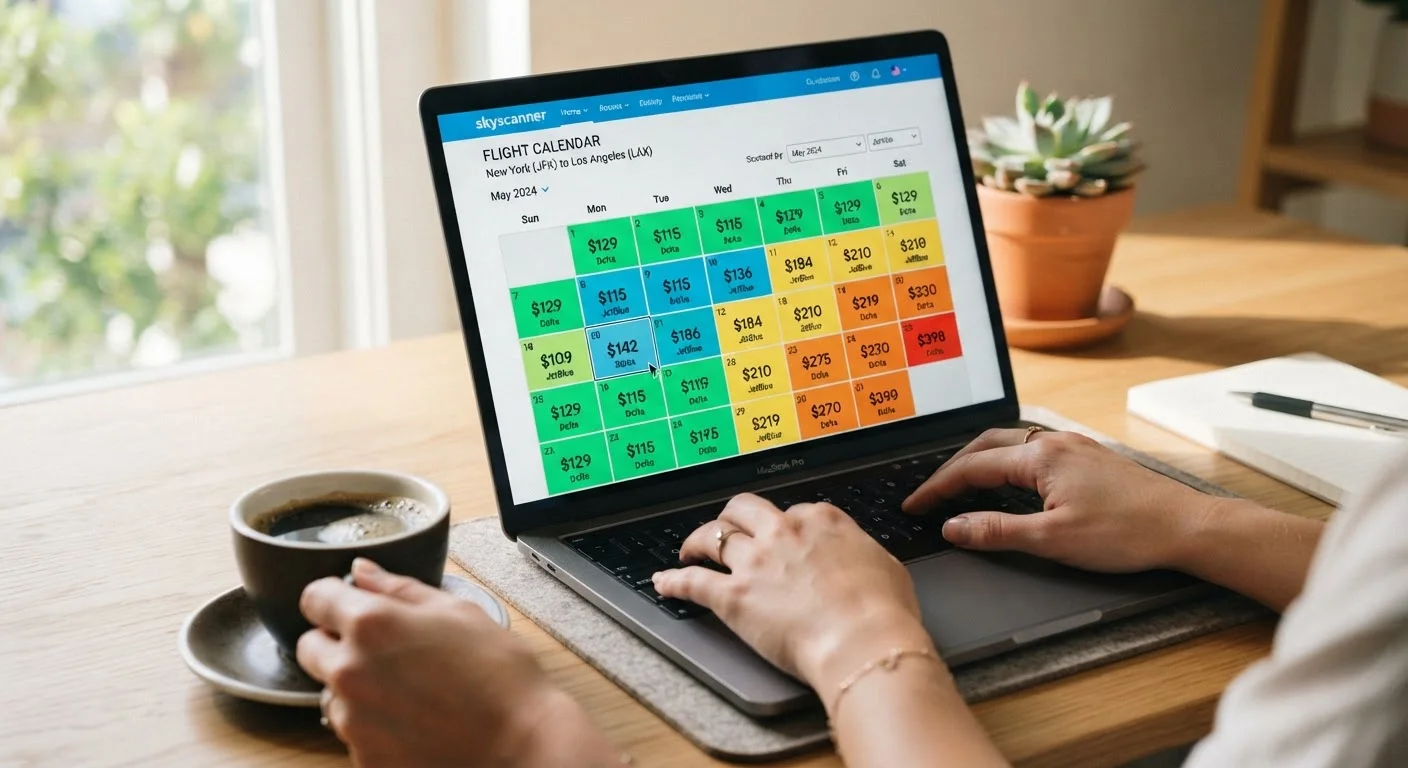
- Check nearby airports and flexible dates. These are inventory-level variables that genuinely affect the fare pool you're searching within.
For a wider look at which common booking beliefs hold up, see which timing myths about flight booking won't go away and which flight pricing myths are costing travelers real money.