
Why Your Ticket Price Is Never Just the Ticket Price
The fare displayed in a flight search result is the starting point, not the finish line. By the time you reach the payment screen, federal taxes, airport-imposed charges, and airline fees have been stacked on top - sometimes adding 20-40% to the base fare. Understanding who is charging what, and why, is the first step toward seeing through the noise.
There are three distinct categories of airport-related charges: government-mandated fees, airport-imposed fees, and airline-imposed fees. They look similar on a receipt but follow entirely different rules. Only the last category is something you have meaningful control over.
For a broader look at how the full airfare structure is assembled before fees even enter the picture, see the anatomy of an airfare - it covers how base fares are set and why they shift.
~$20-$30
Typical total PFC per round-trip itinerary
Based on FAA-approved per-enplanement rates applied across connecting airports on a standard domestic round-trip.
$5.60
September 11th Security Fee per one-way trip
Current statutory cap per one-way trip under US federal law, regardless of the number of connecting segments.
20-40%
Fee premium above advertised base fare
Industry analysts consistently observe total ticket costs running 20-40% above advertised base fares once all mandatory taxes and common airline fees are included.
Government-Mandated Fees: Non-Negotiable Line Items
These fees are set by law and collected by airlines on behalf of federal or local government agencies. You cannot avoid them by choosing a different airline or booking method.
- September 11th Security Fee: Charged per one-way trip segment, this funds TSA operations. As of current federal rules, it is assessed per enplanement up to a statutory cap per one-way trip.
- Passenger Facility Charge (PFC): Collected by airlines on behalf of airports, PFCs are federally capped and fund capital projects - new terminals, runway expansions, noise abatement. Each connecting airport on your itinerary may add its own PFC.
- Federal Segment Tax: Applied to domestic flights per flight segment, this is a flat excise tax that goes into the Airport and Airway Trust Fund, which supports the FAA.
- International departure and arrival taxes: On international routes, both the US and destination countries may levy their own departure or arrival taxes. These vary widely by country and are often the largest single add-on for international tickets.
PFC Funds Stay With the Airport
Airlines collect Passenger Facility Charges on behalf of airports but do not retain the revenue. The FAA requires airports to use PFC funds exclusively for approved capital projects. This is worth knowing because PFCs are sometimes cited as airline revenue - they are not. The FAA publishes approved PFC applications and audits their use.
Airline-Imposed Fees: Where the Real Variation Lives
Unlike government taxes, airline fees are discretionary - airlines set them, adjust them, and sometimes waive them. This is also where budget-conscious travelers have the most leverage.
- Checked baggage fees: Charged per bag, per direction. Fee levels vary by carrier, route, and fare class. Travelers who understand this structure in advance can often pack to avoid them.
- Carry-on bag fees: Standard on ultra-low-cost carriers. Some charge only if you gate-check; others collect the fee at booking. Reading the fare rules before purchase prevents surprises.
- Seat selection fees: Choosing a specific seat - even a standard economy one - triggers a fee on many carriers. Basic economy fares typically assign seats automatically at check-in; buying up avoids the charge but costs more upfront.
- Change and cancellation fees: These vary widely by fare type. Refundable fares eliminate them; basic economy fares often make changes impossible or very costly.
If you've ever wondered why a "cheap" flight ended up costing significantly more, this breakdown of hidden flight cost inflation shows exactly how each fee type compounds.
Compare Total Price, Not Base Fare
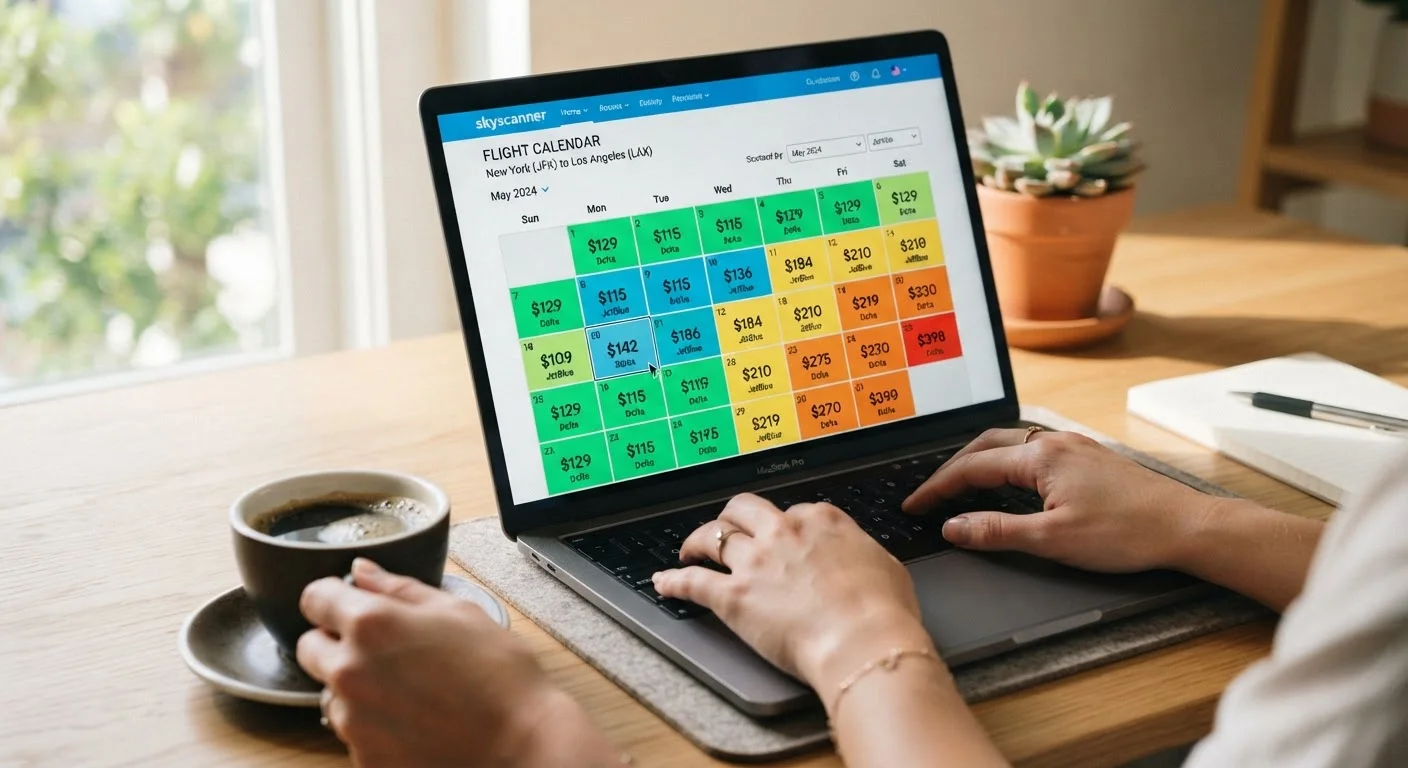
When evaluating flights side by side, always request the full breakdown including taxes, fees, and any bag costs before comparing. Many booking interfaces allow you to add a bag during the search phase - use that feature to get an apples-to-apples number. A fare $20 cheaper at the base level can easily cost $40 more once carrier-specific fees are applied.
What You're Actually Funding - and What to Do With That Knowledge
Understanding the source of each fee changes how you evaluate cost. PFCs and federal taxes are fixed inputs - comparing airlines on these is pointless since they're largely the same per route. The comparison that matters is airline-imposed fees, which differ significantly by carrier and fare class.
When comparing fares, always expand the full fare breakdown before booking. A $30 price difference at the top level can flip entirely once bags and seat selection are factored in. The same logic applies to connection costs: each stopover airport adds its own PFC, which is why nonstop routes sometimes carry fewer line-item fees despite a higher base fare.
Airport costs don't stop at the gate. Once you're inside the terminal, food and retail pricing reflects a captive-audience markup that has nothing to do with fees - it's a separate dynamic covered in strategies for eating at airports without paying airport prices.
The broader takeaway: most of the fee complexity travelers encounter is structural, not arbitrary. Knowing who benefits from each charge - and which ones are fixed versus variable - lets you focus your cost-reduction efforts where they'll actually land.