
How a Low Fare Gets Rebuilt Into a Much Higher Bill
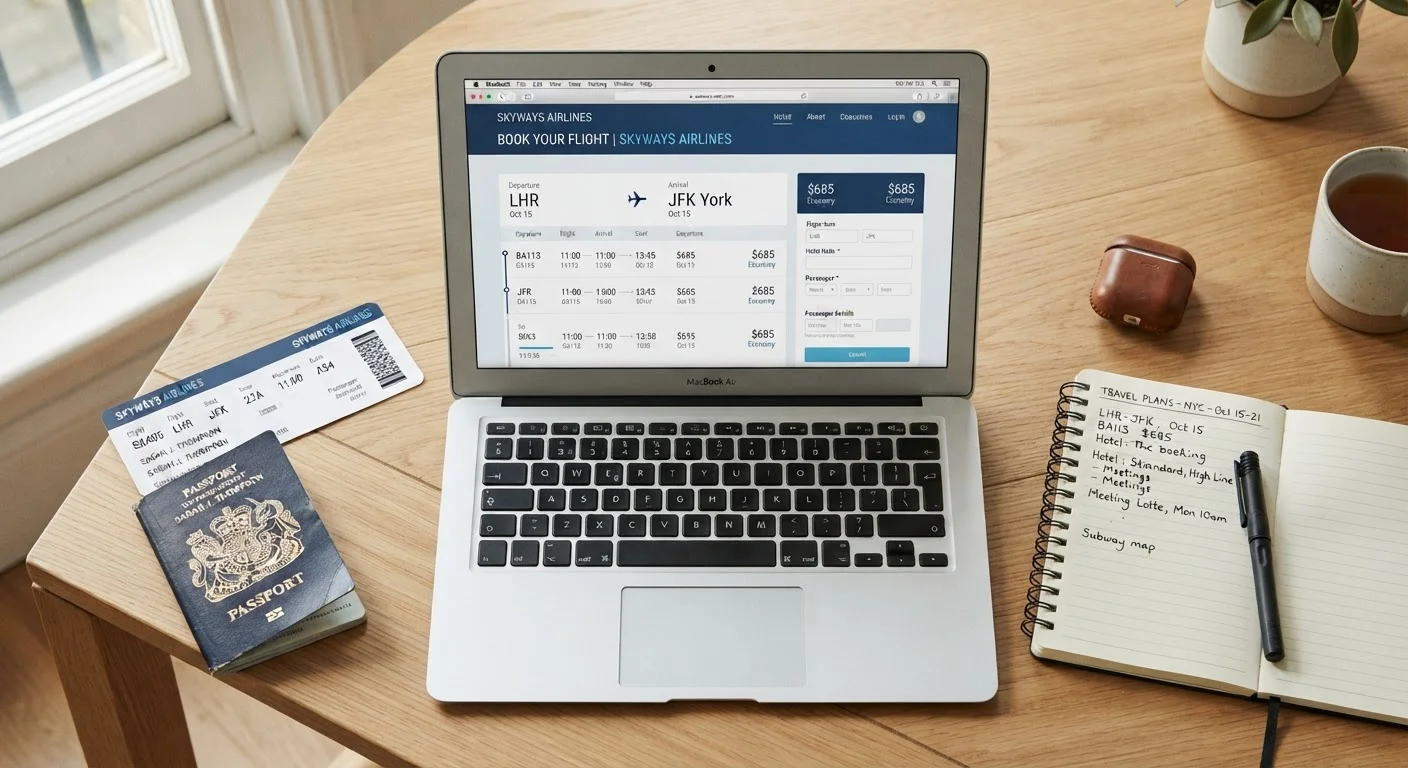
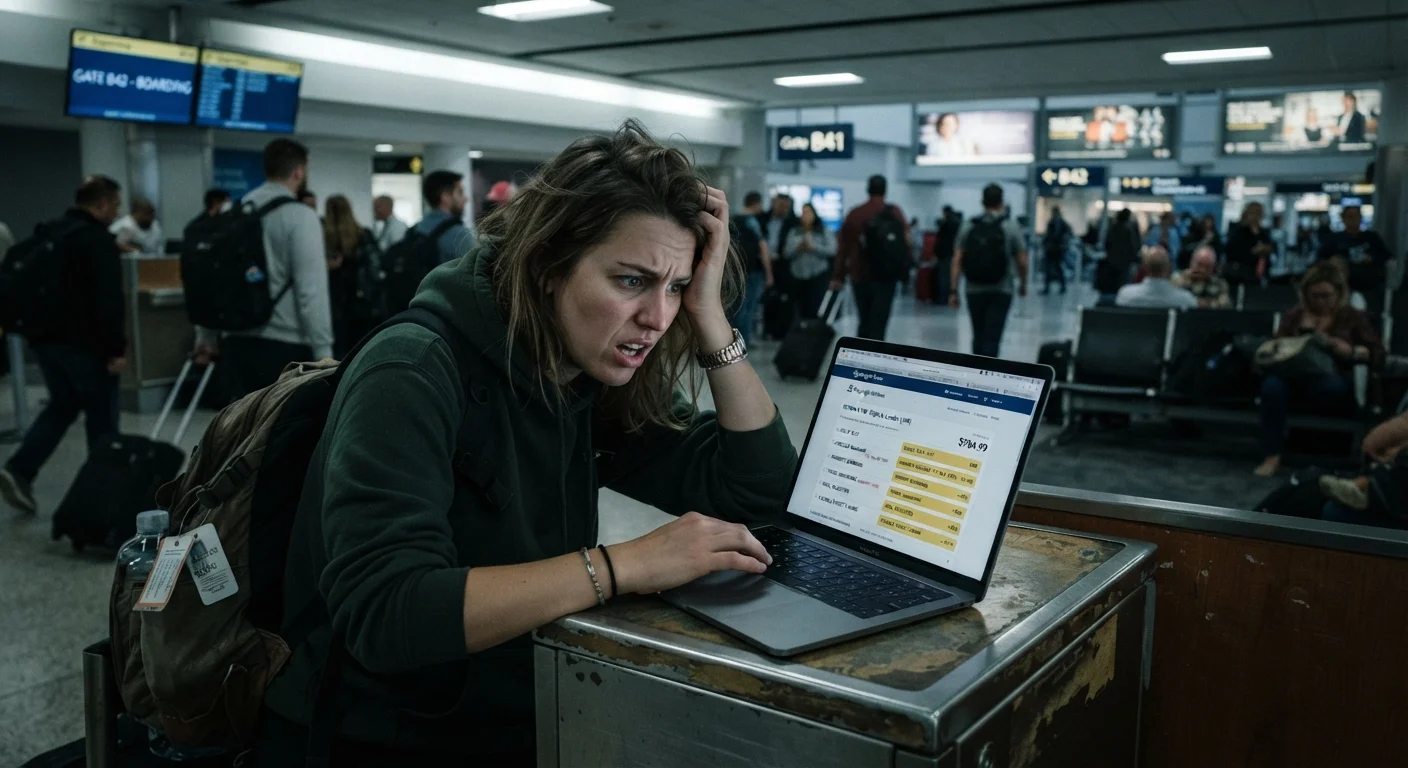
Cheap flights aren't always cheap by the time you actually board. The gap between the advertised price and the amount charged to your card is where airlines - and some booking platforms - generate significant revenue. Understanding exactly where that gap opens up is the first step toward closing it.
The mistakes below are among the most common ways travelers end up paying far more than they planned. Each one has a straightforward fix that doesn't require expert knowledge - just a few minutes of closer reading before you confirm.
Comparing only the headline fare without accounting for bag fees and seat charges.
Why it happens: Flight search results default to displaying the base ticket price, which legally excludes optional fees in most cases. Travelers assume the displayed price is close to the total they'll pay.
Booking a self-transfer itinerary with a dangerously short connection time.
Why it happens: Third-party platforms can stitch together separately ticketed flights that an airline's own booking system would never combine, producing artificially low itinerary prices with unrealistic layovers.
Paying a credit or debit card surcharge that wasn't visible during the search phase.
Why it happens: Some airlines and booking platforms reveal payment method surcharges only at the final checkout step, after travelers have invested time selecting flights and entering traveler details.
Selecting a basic economy fare without understanding its carry-on baggage restrictions.
Why it happens: The word 'economy' implies a standard experience to most travelers. The distinction between basic economy and standard economy is buried in fare rules that few people read during booking.
Ignoring airport fee surcharges built into the base fare on routes through congested hubs.
Why it happens: Facility charges, passenger facility charges (PFCs), and carrier-imposed surcharges are embedded in the total fare but rarely itemized during the comparison stage. Travelers often attribute price differences between routes to demand alone.
Building a More Accurate Cost Comparison Before You Book
The practical solution to hidden airfare costs is calculating a realistic total before you commit - not after checkout confirmation arrives in your inbox. That means adding bags, seats, and payment fees to every fare you compare, not just the one you plan to book.
Tight Connections Can Erase Your Savings
A layover under 60 minutes at a large hub airport is high-risk, especially for international-to-domestic connections requiring customs clearance. If you miss your connection on a self-transfer itinerary - common on third-party booking platforms - you are typically responsible for rebooking costs in full. Always verify that the minimum connection time meets the airport's official recommended threshold.
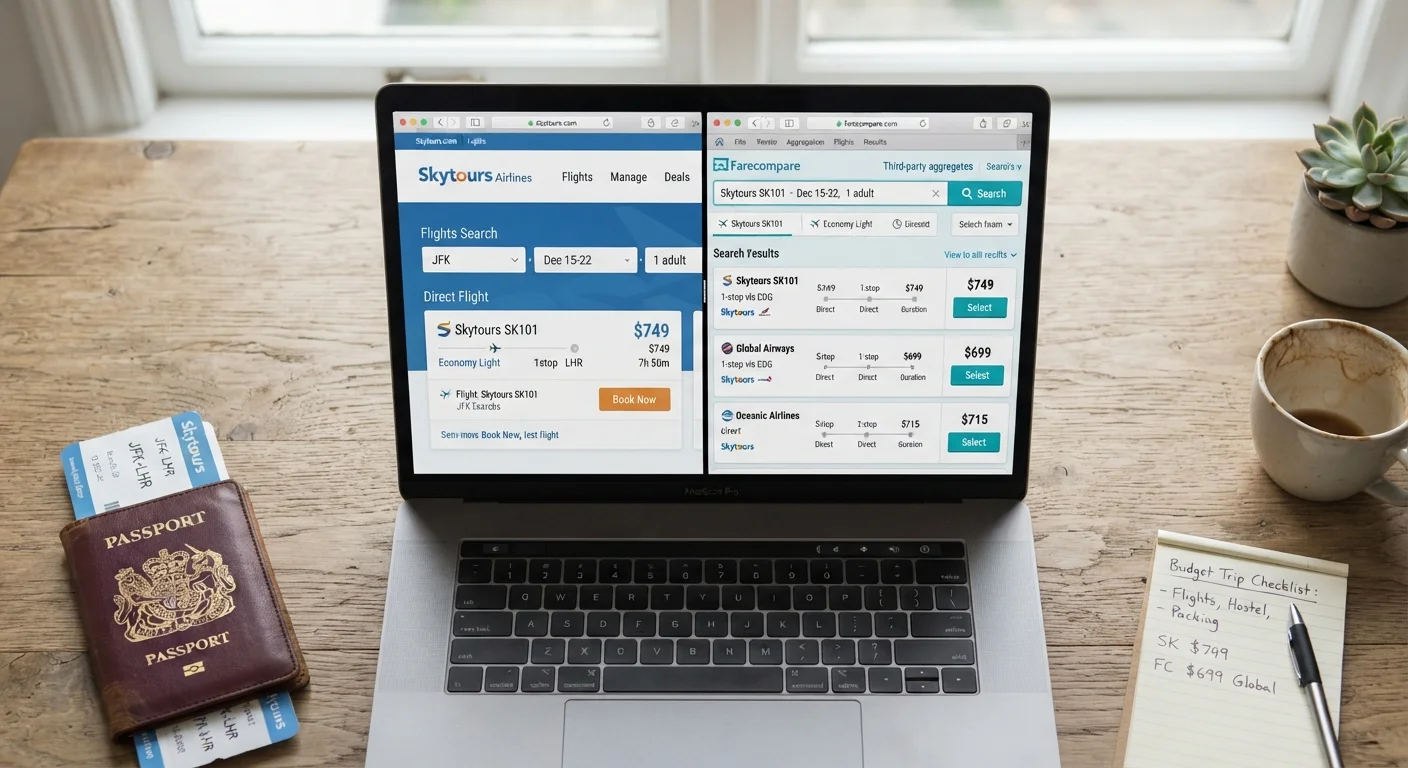
It's also worth distinguishing between booking channels. Direct airline websites display their own fee schedules clearly and tend to offer more transparent fare breakdowns than some aggregators. Third-party platforms can be useful for initial price scanning, but always verify the final figure on the airline's site before purchasing. Our guide to common booking mistakes that inflate travel costs covers additional traps worth avoiding at this stage.
Basic Economy Restrictions Are Non-Negotiable
Basic economy fares are contractually restrictive - most are non-refundable, non-changeable, and exclude overhead bin access on some carriers. Reading the fare rules before purchasing is essential. If your plans have any flexibility requirements, upgrading to a standard economy fare is often cheaper than paying change fees later.
The same principle applies beyond flights. Hidden charges follow travelers into cruises, excursions, and international destinations - for a broader look at how fees accumulate across a trip, see hidden costs in cruise excursion pricing and hidden costs abroad that catch budget travelers off guard. For timing strategies that reduce the base fare before fees even enter the picture, the Booking & Timing Tips hub is a practical starting point.
$33B+
U.S. airline ancillary fee revenue (2023)
U.S. airlines collectively reported over $33 billion in ancillary revenue in 2023, according to the U.S. Department of Transportation, reflecting how substantially add-on fees contribute to carrier income beyond base fares.
~30%
Average share of ticket cost added by fees
Industry analysts have noted that bag fees, seat selection charges, and other ancillaries can add roughly 20-30% to the base fare on domestic U.S. routes, depending on the carrier and fare class.
Prices, fees, and airline policies change frequently. Always verify current fee schedules directly with your airline or booking platform before purchasing.