
Why the Label 'All-Inclusive' Is More Marketing Than Promise
The phrase 'all-inclusive' is one of the most powerful - and least precise - terms in travel marketing. It implies simplicity: pay once, travel without worry. For many travelers, that promise is the primary reason they choose a packaged tour over building an independent itinerary.
The reality is that 'all-inclusive' carries no universal legal definition in the tour industry. What it includes varies by operator, destination, price tier, and even the specific package within a single company's catalog. Two tours from different operators - both marketed as all-inclusive - can differ by thousands of dollars in actual out-of-pocket costs once exclusions are tallied.
Understanding what you're actually buying requires moving past the headline label and reading the inclusion schedule carefully. Our guide on what tour packages typically include breaks down the standard components operators build around. The myths and facts below address the most common points of confusion.
Myth
If a tour is labeled 'all-inclusive,' every major travel cost is covered in the price I paid.
Fact
The term has no standardized definition. Each operator decides what it includes, and exclusions are often extensive.
Tour operators use 'all-inclusive' as a descriptor, not a regulated promise. One operator might bundle flights, hotels, guided excursions, and three meals a day. Another might include only accommodation and a welcome dinner. Without a legal standard, travelers must treat the phrase as a starting point for inquiry, not a guarantee of comprehensive coverage.
Request a full written list of inclusions and exclusions before committing to any deposit. If an operator is vague, that itself is a signal worth heeding.
Myth
Gratuities for guides and drivers are included when the tour covers meals and accommodation.
Fact
Tips for guides, drivers, and hotel staff are almost universally excluded from all-inclusive tour pricing.
Gratuities represent one of the most consistent blind spots in tour budgeting. Even tours that cover every meal and every hotel night routinely exclude service tips. Industry norms in many destinations suggest tipping local guides the equivalent of $10-$20 USD per person per day, which adds up quickly on multi-week itineraries.
Some operators include a recommended tipping amount in their trip documentation. Read that section carefully - 'suggested' and 'included' are very different words with very different implications for your wallet.
Myth
All excursions and activities listed in the tour brochure are part of the package price.
Fact
Many brochure activities are 'optional' add-ons offered at additional cost, even when prominently featured.
Tour brochures frequently showcase a destination's marquee experiences - a hot-air balloon ride over the Serengeti, a private cooking class in Bologna - without clarifying that these are sold separately. The brochure is a sales document first. Optional excursions in popular programs can range from $50 to several hundred dollars per person.
When reviewing any tour itinerary, look for the words 'optional,' 'available at an additional cost,' or 'not included.' These qualifiers are often present but easy to overlook in enthusiastically written descriptions.
Myth
Airport transfers are always part of an all-inclusive package.
Fact
Transfers between airports and hotels are frequently excluded or included only under specific conditions.
Some packages include transfers only if you book flights through the operator. Others include arrival transfers but not departure ones. Some exclude airport transfers entirely, expecting travelers to arrange their own ground transportation. The cost of a taxi or private car from a major international airport can run $40-$100 or more depending on the destination.
Always confirm the transfer policy explicitly: which airports, which directions, and whether it applies to independently booked flights as well as operator-arranged ones.
Myth
All meals are covered when a tour advertises 'full board' or 'all meals included.'
Fact
'Full board' typically means breakfast, lunch, and dinner at designated venues - specialty restaurants and alcoholic beverages usually cost extra.
Full board does cover three meals a day, but the coverage applies to standard dining options. Specialty restaurants, room service, minibar items, and beverages beyond water or basic soft drinks are almost always charged separately. On some programs, even certain lunches eaten during excursion days are not covered because travelers aren't at the included property.
Also note that 'all-inclusive' at a resort property and 'all-inclusive' on a guided tour are structured differently. A tour program rarely replicates resort-style unlimited food and drink access.
Myth
Travel insurance is bundled into the package price since the tour covers 'everything.'
Fact
Travel insurance is almost never included in tour packages and must be purchased separately.
This is among the most financially consequential myths on this list. Tour operators are not insurance providers, and the rare mention of 'protection' in a package typically refers to limited cancellation credits - not comprehensive travel insurance covering medical evacuation, trip interruption, or lost baggage.
Travelers who assume insurance is embedded in their package may discover mid-trip - or after a missed connection - that they have no coverage at all. Purchasing a standalone policy is a separate step that applies to all tour types, regardless of how comprehensive the included services appear. See our common tour booking mistakes article for more on coverage gaps.
What to Do Before You Book
Decoding an all-inclusive package before paying a deposit is largely a matter of asking the right questions in writing. Verbal assurances from a booking agent are difficult to enforce; a detailed written inclusion list is not.
Always Get Inclusions in Writing
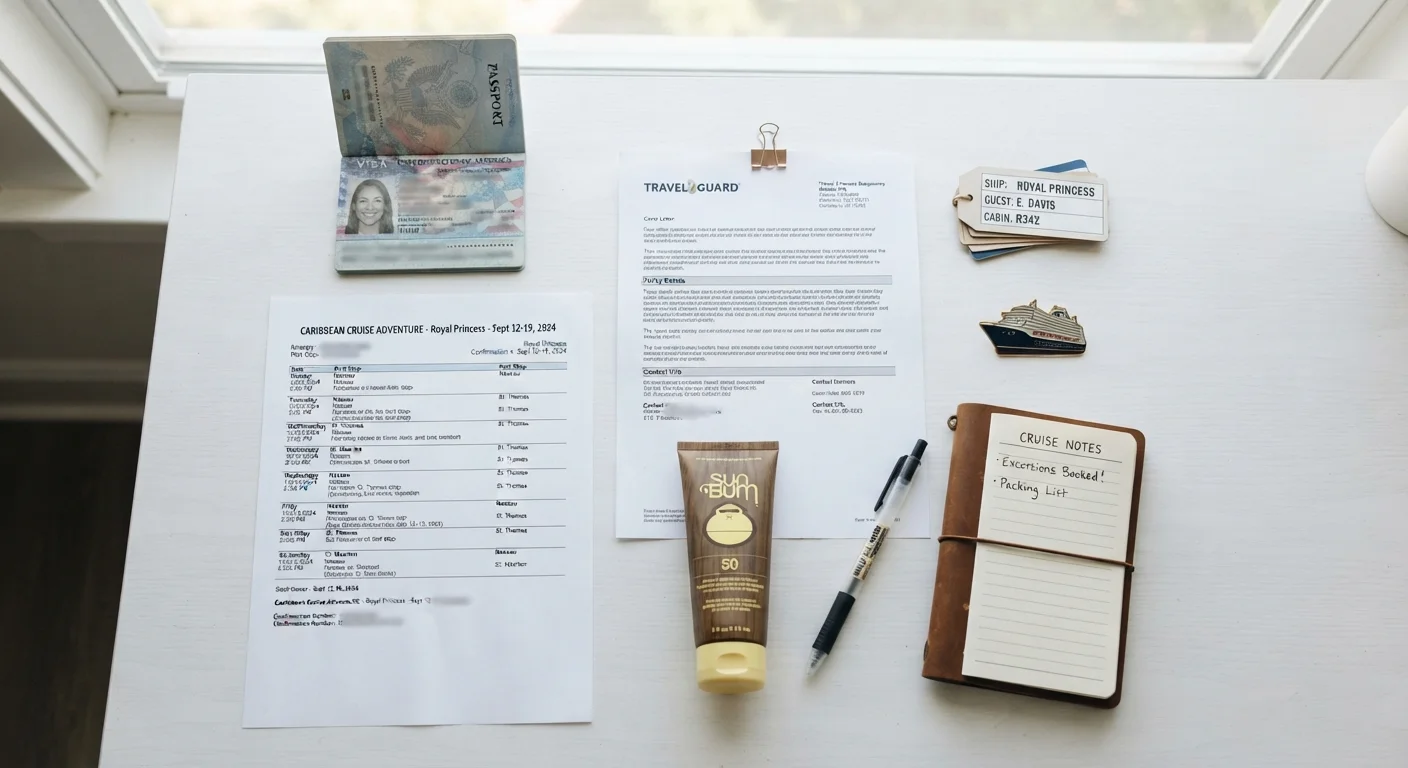
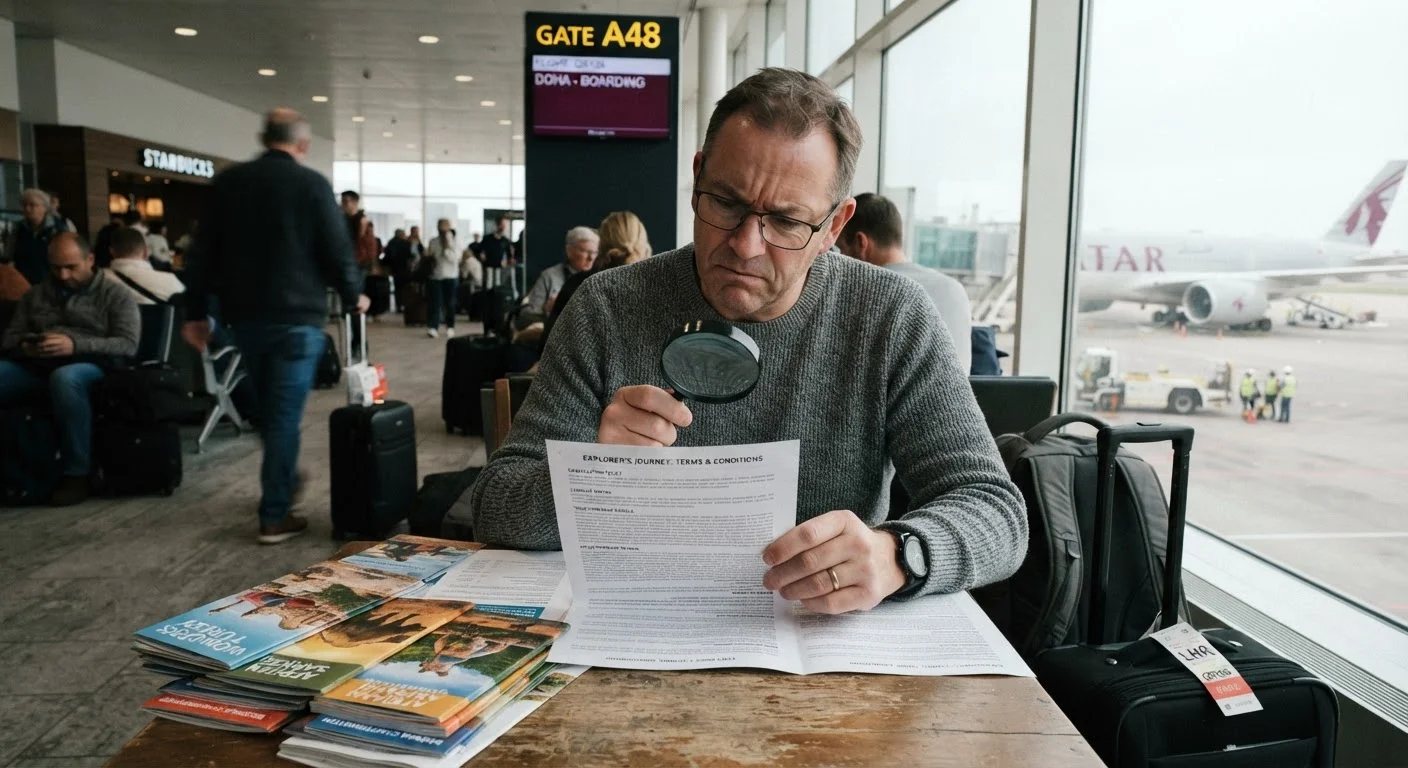
Before paying any deposit, request a complete written list of what is and is not included in your tour package. Verbal confirmations from sales agents are not enforceable. If a company cannot or will not provide a clear written inclusion schedule, treat that as a significant red flag. Once you're at the destination, disputing charges becomes considerably harder.
Key questions to put to any operator include: Are gratuities for local guides and drivers included? Which specific excursions are included versus optional? Are airport transfers covered for independently booked flights? Are specialty dining outlets covered under the meal plan? What happens if an included activity is cancelled due to weather or local conditions?
For family travelers, the structure of an all-inclusive tour package introduces additional variables - child pricing, age minimums for activities, and separate inclusions for kids. Our comparison of all-inclusive resorts versus self-planned family trips addresses these dynamics in detail. The mechanics of inclusion also apply to cruise beverage packages - a closely related area explored in our piece on all-inclusive drink packages on cruises.
~20%
Typical gap between advertised and actual tour cost
Travel industry analysts and consumer travel organizations commonly note that gratuities, optional excursions, and excluded meals can add roughly 15-25% to an all-inclusive tour's base price.
$10-$20
Per-person daily guide gratuity guideline
Widely cited industry norms suggest tipping local guides $10-$20 USD per person per day, an expense almost never factored into advertised all-inclusive pricing.
The goal is not to avoid packaged tours - they offer genuine value for complex itineraries - but to budget accurately for the full cost, not the marketed price.