

What the Single Supplement Actually Is
When a cruise line prices a cabin, it assumes two paying passengers sharing the space. The per-person rate you see advertised is based on double occupancy. If you sail alone in that same cabin, the line loses the revenue it expected from the second guest - so it passes that cost back to you in the form of a single supplement.
In practice, this surcharge typically runs between 50% and 100% of the base per-person fare, though some lines charge even more on popular sailings. On a seven-night sailing priced at $1,200 per person, a 100% supplement means you're paying $2,400 - the same as two passengers combined - for a cabin you occupy alone.
Understanding this structure is the starting point. As our deeper breakdown in what single supplement fees are and when you can avoid them explains, the charge is rooted in cruise-line revenue modeling, not policy arbitrariness - which also means it can sometimes be negotiated around.
How Supplement Percentages Are Calculated
The supplement percentage is always applied to the base per-person fare, not the total cabin price. A 50% supplement on a $1,000 per-person fare adds $500 - bringing the solo total to $1,500. A 100% supplement brings it to $2,000. Port fees, taxes, and onboard gratuities are generally charged separately and at the same rate regardless of occupancy, so always calculate the full all-in cost when comparing sailings.
The Advantages of Cruising Solo
Full cabin control with no compromise
Solo cruisers set their own schedule, temperature, and sleep hours without negotiating with a travel companion. For travelers who value autonomy, this is a meaningful quality-of-life advantage.
All-inclusive structure reduces daily planning load
Meals, accommodation, and port-to-port transport are bundled, removing the logistical overhead that independent solo travel typically demands.
Built-in social environment onboard
Shared dining, organized activities, and group excursions create natural connection points that are harder to engineer on a solo land-based trip.
Safety and structure in unfamiliar destinations
Arriving in port as part of a ship - with a return time and a known home base - provides a layer of security that independent solo travel doesn't automatically offer.
Beyond the financial question, cruising solo has genuine structural advantages that distinguish it from other forms of solo travel. The all-inclusive nature of most sailings - meals, accommodation, and transport bundled together - removes a significant daily planning burden that independent solo travelers absorb elsewhere. Once onboard, your itinerary is largely set, which reduces the decision fatigue and logistical complexity that solo travel in general can generate.
Cruise ships are also inherently social environments. Shared dining tables, organized activities, and group shore excursions create natural opportunities to meet other travelers - including, increasingly, other solo cruisers - without the awkwardness of engineering those encounters from scratch.
The Disadvantages Worth Knowing
Single supplement can double your cabin cost
A 100% supplement on a double-occupancy cabin means one person pays what two would - a significant per-night premium over paired travelers on the same sailing.
Solo-specific cabins are limited and book quickly
Purpose-built single staterooms exist on only some ships and in small numbers; they're often sold out well before general cabin inventory, requiring early planning.
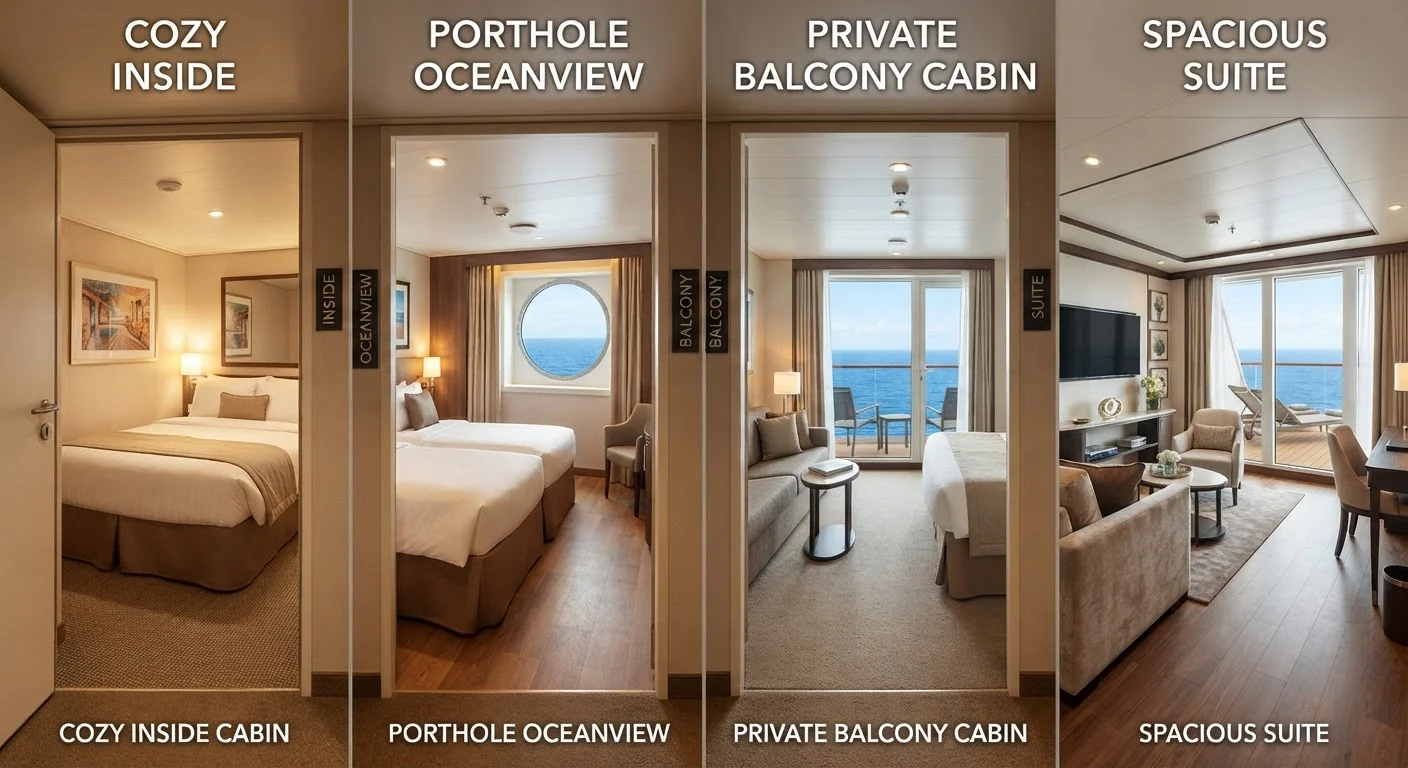
Less cabin space relative to cost paid
Even when solo travelers pay a premium, they typically occupy the same cabin footprint as two guests - with no additional space per dollar spent.
Social experience varies widely by ship and itinerary
Not every cruise actively facilitates solo mingling; on some sailings, the social environment skews heavily toward couples and families, making solo integration more effortful.
The financial reality is the most significant drawback. Even when the supplement is set at 50% rather than 100%, solo cruisers are paying more per night than paired travelers for the same experience. That cost gap compounds across longer sailings. For a frank look at how this fits into the broader economics of going it alone, see our guide on the solo traveler's financial reality.
Beyond cost, solo cabins - when a line offers them - are often smaller than standard staterooms and located in less desirable positions on the ship. Social dynamics onboard can also be hit-or-miss; while many ships actively facilitate solo connections, the experience varies considerably by ship class and itinerary.
50-100%
Typical single supplement range above base fare
Industry-standard single supplements on most major cruise lines range from 50% to 100% of the published per-person double-occupancy rate, with some premium sailings exceeding that range.
~10-15%
Share of cruise passengers traveling solo
Industry research from multiple years has consistently indicated that solo travelers represent roughly 10-15% of cruise passengers, a share that has grown as lines expand solo cabin offerings.
Practical Ways to Reduce the Supplement
Several approaches can meaningfully lower what you pay as a solo cruiser, though none is guaranteed to eliminate the surcharge entirely.
- Book a designated solo cabin. A growing number of cruise lines now offer staterooms purpose-built for single occupancy, priced without a supplement. These cabins are limited in number and tend to fill early on popular departure dates.
- Look at repositioning sailings. When ships move between seasonal deployment regions - say, from the Caribbean to Europe in spring - they often sail with lower occupancy. Lines may waive or sharply reduce the supplement on these itineraries to fill space.
- Consider last-minute sailings. Unsold cabins close to departure may be offered at reduced supplement rates. This approach requires scheduling flexibility and carries no guarantee of availability.
- Explore roommate-matching programs. Some cruise lines and third-party booking services operate programs that pair willing solo travelers in a shared cabin, each paying the standard per-person rate. Compatibility isn't assured, but the financial saving can be substantial.
- Compare group tour packages. Structured group tours sometimes include cruise segments and negotiate bulk rates that reduce or eliminate the solo surcharge. Our assessment of touring solo inside a group package covers how that trade-off plays out in practice.
For a wider framework on where solo travel premiums are avoidable and where they aren't, this breakdown of solo travel costs is a useful reference. Savvy planning around excursions and add-ons can also help stretch your overall cruise budget - see the Excursions & Add-Ons hub for guidance. Additional resources for solo travelers managing costs are available in the Budget Solo Travel hub.