
How Cruise Lines Set Fares: The Yield Management Framework
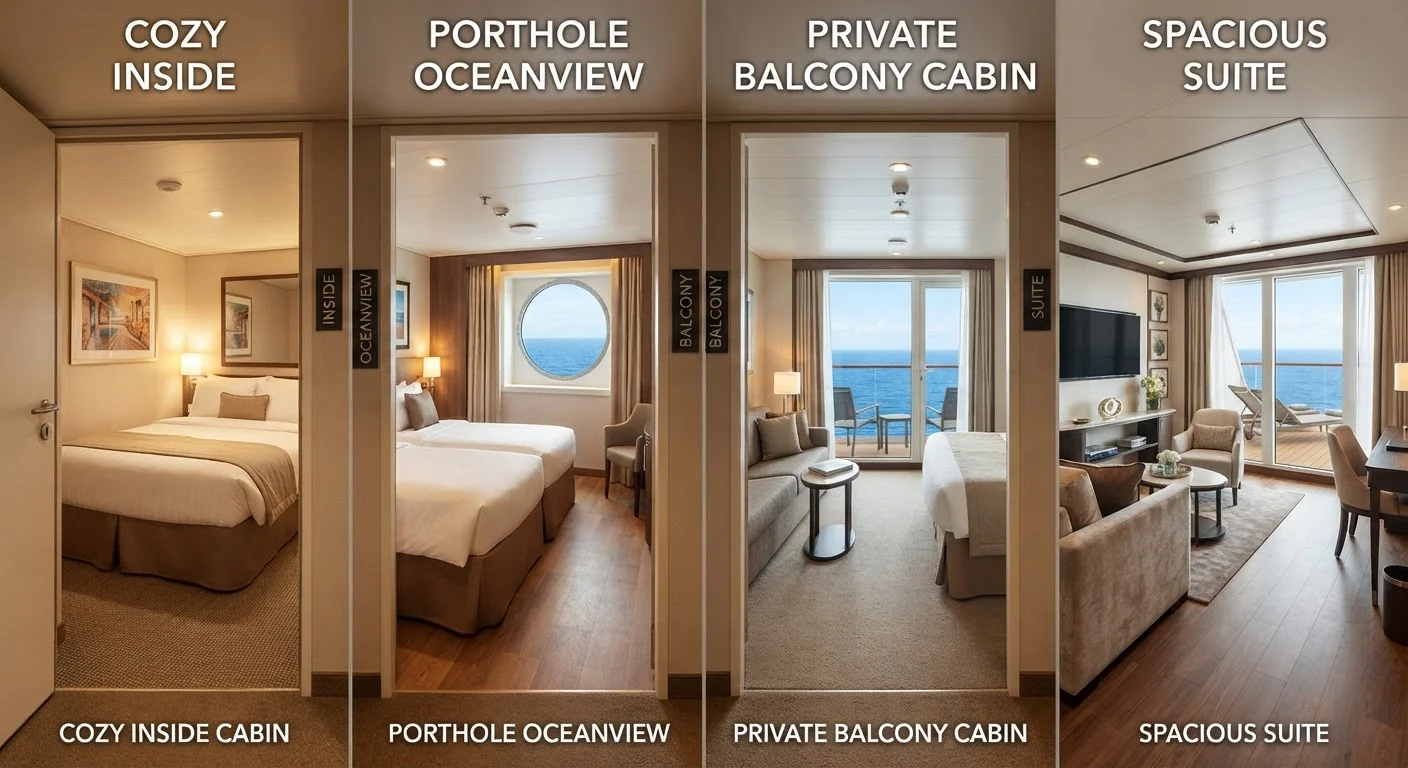
Cruise pricing is not arbitrary — it follows a logic similar to airline ticketing, grounded in a practice called yield management. Every sailing has a fixed inventory of cabins across multiple categories: inside, oceanview, balcony, and suite. Cruise lines set opening prices for each category and then adjust them continuously based on how quickly inventory sells.
When bookings for a particular sailing are strong, prices rise as the remaining pool of cabins shrinks. When a sailing is lagging behind booking targets, prices may soften — but cruise lines are not obligated to discount, and many sailings on popular itineraries fill at or near full fare. The key insight for travelers: the price you see today reflects that sailing's current demand picture, not a fixed retail value.
This is structurally similar to how airline fares fluctuate, though cruise pricing tends to move in larger incremental steps tied to category availability rather than continuous micro-adjustments.
30–50%
Typical price range variation within a single cabin category
Industry analysts generally observe that the same cabin category on the same sailing can vary by 30–50% across the booking window depending on demand and inventory levels.
$25–$35
Average daily gratuity charge per person
Most major cruise lines charge automatic daily gratuities in the range of $25–$35 per person — a cost that can add several hundred dollars to a week-long sailing when not prepaid or bundled.
Cabin Category and Location: The Structural Price Tiers
The most predictable driver of cruise fare differences is cabin category. Each ship carries a hierarchy of stateroom types, and the price gaps between them can be substantial. An inside cabin — windowless, typically the smallest footprint — is almost always the entry price point. Oceanview cabins add a porthole or window. Balcony cabins include private outdoor space and natural light, making them one of the most sought-after categories. Suites sit at the top, often with butler service, priority boarding, and exclusive amenities.
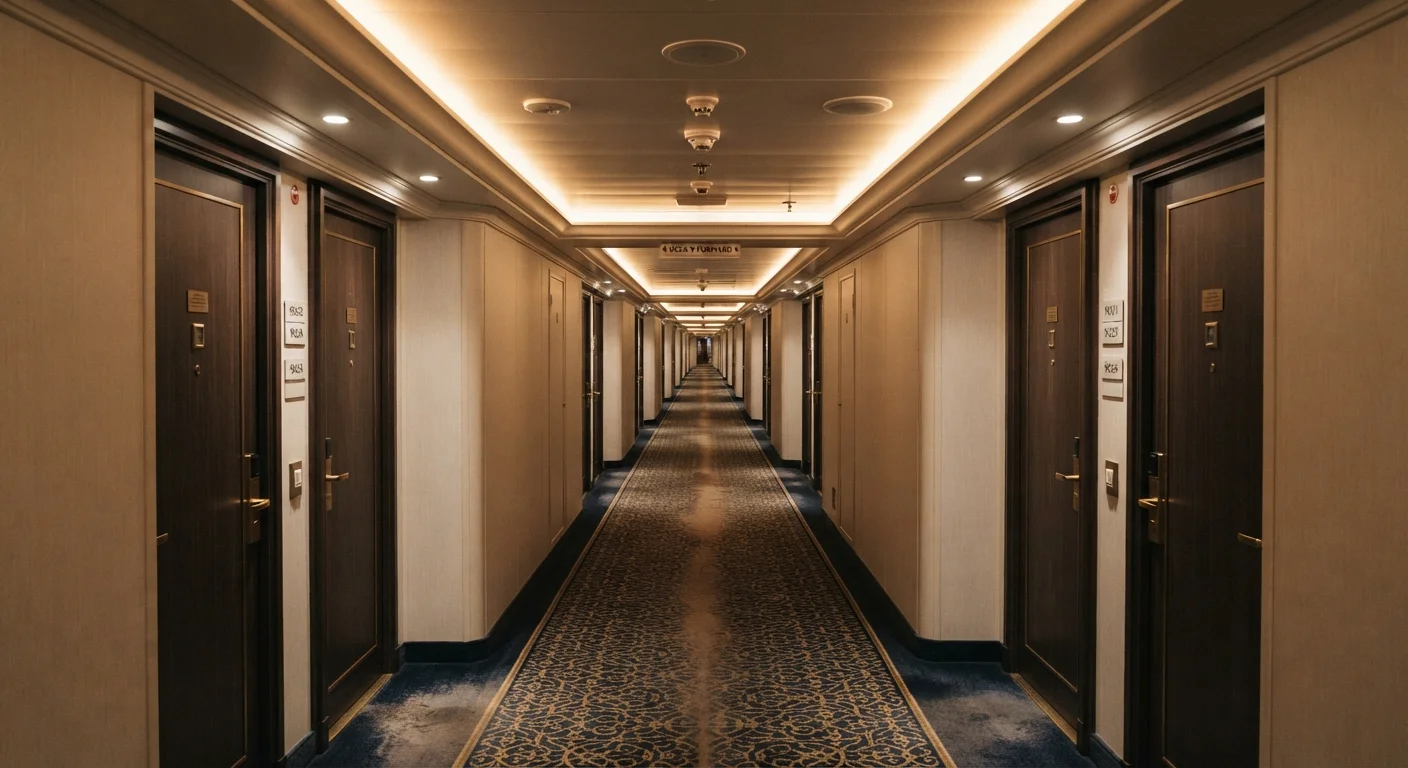
Within each category, location on the ship adds another pricing layer. Midship cabins on higher decks are generally considered the most desirable — they experience less motion at sea and have shorter walks to key amenities. Cabins directly beneath the pool deck, adjacent to service corridors, or with partially obstructed views are priced lower to reflect those drawbacks. For budget-conscious travelers, these trade-off cabins can represent genuine value.
For a detailed comparison of what each stateroom type actually delivers, see our cruise cabin categories comparison.
Timing, Itinerary, and Seasonality: When You Sail Matters
The same ship sailing the same route in different months can carry meaningfully different fares. Peak-season sailings — Caribbean over the winter holidays, Alaska in July and August, Mediterranean in June and September — attract higher demand and hold firm on pricing. Shoulder-season and off-peak departures on the same itineraries often carry lower base fares, though they may come with weather or port-access trade-offs.
Itinerary region also affects the baseline. A seven-night Caribbean sailing on an older vessel typically prices lower than a comparable seven-night Norwegian fjords itinerary, reflecting differences in fuel cost, port fees, and demand demographics. Repositioning sailings — when ships move between homeports at the start or end of a season — are historically among the more modestly priced options, trading a one-way itinerary for lower fares.
Wave season (January through March) is when cruise lines traditionally launch early-booking incentives, which may include reduced deposits, bundled perks, or promotional fares. These offers are worth evaluating, but should be compared against the sailing's pricing history rather than accepted at face value as automatic savings.
Choosing between itinerary regions involves more than just price. Our guide to cruise itinerary regions covers the cost, climate, and experience trade-offs across major cruise destinations.
What the Base Fare Doesn't Tell You
Understanding cruise pricing requires looking past the headline number. Cruise base fares almost universally exclude daily gratuities (typically charged per person per night), government-assessed port taxes and fees, beverages beyond basic water and coffee, specialty restaurant dining, and shore excursions. These can add hundreds of dollars per person to a sailing's true cost.
When comparing two advertised fares, it's worth checking whether either includes bundled perks — a drink package, prepaid gratuities, or onboard credit — that offset these extras. A slightly higher base fare with gratuities and a drink package included may ultimately cost less than a lower fare with everything à la carte.
For a clear accounting of what a cruise fare typically covers and where the extras appear, see our full breakdown of cruise fare inclusions. And before booking shore excursions, it's worth reading about hidden costs in excursion pricing — port fees and cancellation terms can quietly inflate those costs as well.
This article is for general informational purposes only. Cruise fares, fees, and promotional terms vary by cruise line, sailing, and booking period. Always verify current pricing, inclusions, and terms directly with the cruise line or a licensed travel professional before booking.